Look for Acidity
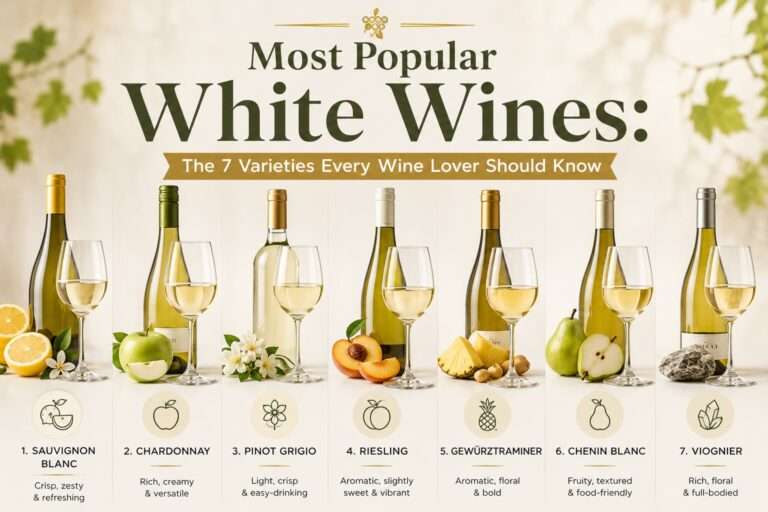
Riesling and Chenin Blanc keep sweet late harvest wines fresh rather than cloying.

Understand Wine. Enjoy Every Glass.
Wine Types
Late harvest wine comes from grapes left on the vine long after the usual picking date. The result is a sweet, honeyed wine with real depth.
Start Learning
For most wines, grapes are picked when sugar, acidity, and flavor are in balance. For a late harvest wine, growers deliberately leave some grapes on the vine for extra weeks, sometimes into November. During that time, the grapes keep ripening and then begin to shrivel and dehydrate, a process the French call passerillage. As water evaporates, the sugar, acid, and flavor become more concentrated. The juice is so rich in sugar that yeast cannot ferment all of it, so the finished wine stays sweet. Late harvest wines can range from off-dry to very sweet, depending on how long the grapes hang and how the wine is made. They are part of the wider family of sweet wine and often served as a dessert wine.
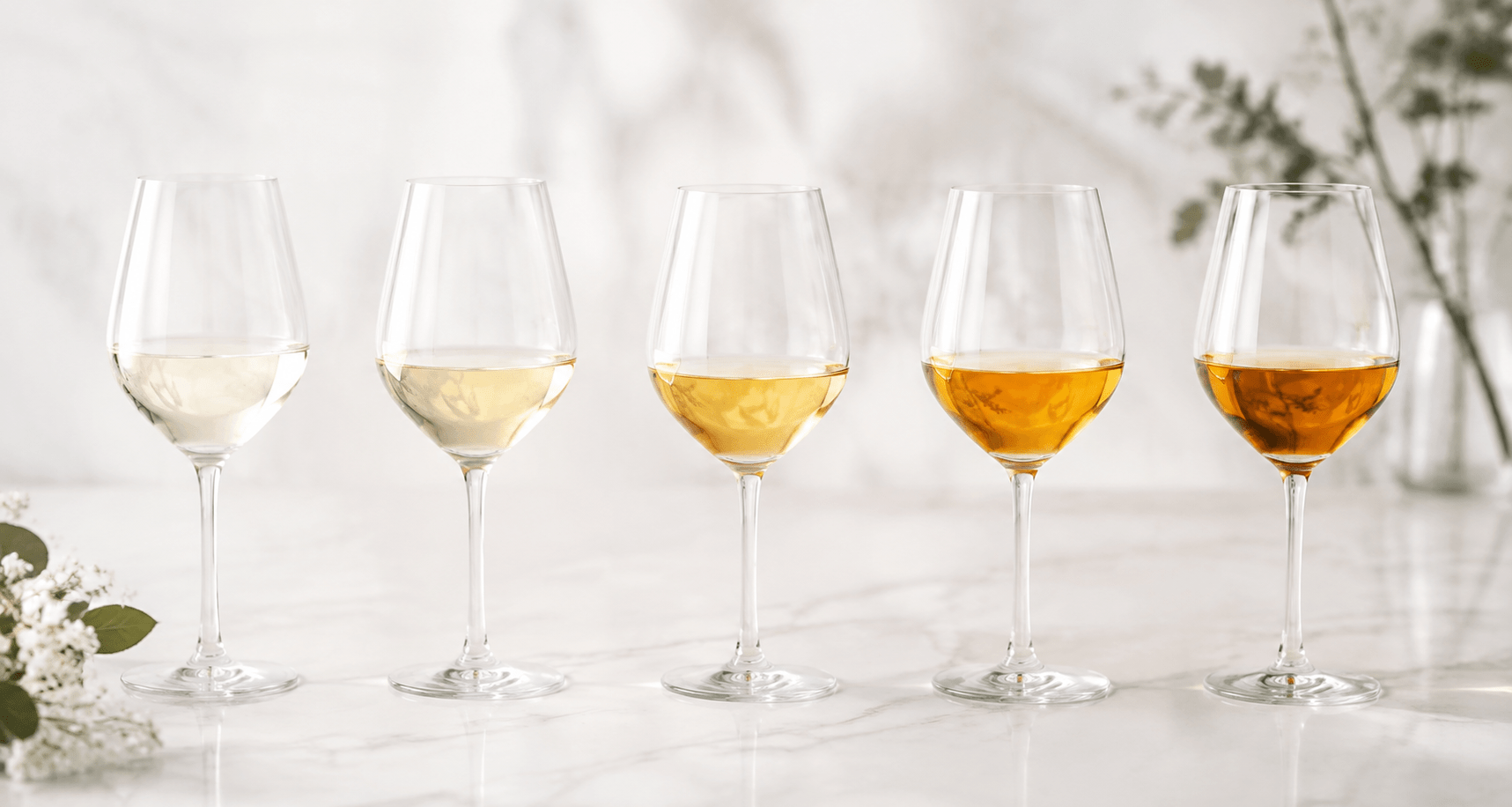
Making late harvest wine is a gamble with the weather. Grapes left on the vine face rain, hail, frost, birds, and rot, so growers may lose some or all of the crop. Dry, sunny autumns are ideal. In some vineyards and years, misty mornings and warm afternoons encourage noble rot, a helpful mold called Botrytis cinerea, which shrivels grapes further and adds flavors of honey, saffron, and ginger. Some late harvest wines include botrytis, and others do not. Picking is usually by hand, sometimes in several passes to select the ripest bunches. The thick juice ferments slowly, and fermentation often stops on its own or is halted to keep sugar. Unlike ice wine, which needs grapes frozen on the vine, late harvest wine relies on extended ripening and drying.
Different countries use different terms. In the US, Canada, Australia, and elsewhere, look for Late Harvest or Select Late Harvest on the label. In Alsace, Vendanges Tardives means late harvest, while Sélection de Grains Nobles is an even richer, botrytis-affected level. In Germany, Spätlese literally means late harvest, but today it is a ripeness category, and many Spätlese wines are only lightly sweet or even dry if labeled Trocken. Richer German levels include Auslese, Beerenauslese, and Trockenbeerenauslese. In Italy, look for Vendemmia Tardiva, and in Spain and Chile, Cosecha Tardía. Rules vary widely, so the same phrase can mean different sweetness levels. Our wine label guide explains more about these terms.
Aromatic, high-acid white grapes make the best late harvest wines, because acidity balances the sugar. Riesling is the star, giving flavors of peach, apricot, honey, and lime with a bright, racy finish. Gewürztraminer becomes exotic and perfumed, with lychee, rose, and ginger. Chenin Blanc from the Loire offers quince, honey, and baked apple. Sémillon and Sauvignon Blanc are used in late harvest wines from California, Chile, and Australia, often in a Sauternes-like style. Pinot Gris and Viognier also make rich examples. A few reds are made this way too, most notably late harvest Zinfandel from California, which tastes of blackberry jam and dried figs and pairs beautifully with chocolate.
Follow the classic rule for sweet wines: the wine should be at least as sweet as the food. Late harvest Riesling and Chenin Blanc pair beautifully with fruit desserts such as apple tart, peach cobbler, and poached pears. Gewürztraminer late harvest is a natural partner for spiced desserts and fruitcake. Rich, honeyed styles match crème brûlée, custards, and almond cakes. Savory pairings work well too. Lighter late harvest wines can be surprisingly good with spicy Asian food, roast pork with fruit, and foie gras. Blue cheese and other salty, creamy cheeses contrast nicely with the sweetness. Late harvest Zinfandel loves dark chocolate and berry desserts. Avoid pairing late harvest wines with very dry or bitter foods, where the sweetness can feel out of place.
Serve late harvest whites chilled, around 45–50°F, which keeps the sweetness lively and the acidity fresh. Late harvest Zinfandel and other reds are best slightly cooler than room temperature, around 55–60°F. Pour 2–3 ounces per glass; these wines are rich and are often sold in 375 ml half bottles that serve six to eight people. A small white-wine glass works well. Once opened, recork and refrigerate. The high sugar helps preserve the wine, and most late harvest wines stay fresh for up to a week. Unopened bottles can age well, especially Riesling and Chenin Blanc, which develop honey, toast, and dried-fruit notes over a decade or more. Store them on their side in a cool, dark place, around 55°F.
| Label Term | Where It's Used | What to Expect |
|---|---|---|
| Late Harvest | US, Canada, Australia, South Africa | Sweet, rich, honeyed; style varies |
| Vendanges Tardives | Alsace, France | Rich Riesling, Gewürztraminer, Pinot Gris |
| Spätlese | Germany, Austria | Riper fruit; lightly sweet unless labeled Trocken |
| Auslese | Germany, Austria | Sweeter, from selected very ripe bunches |
| Vendemmia Tardiva | Italy | Late-picked whites and some reds, often sweet |
| Cosecha Tardía | Spain, Chile | Sweet, ripe whites, often good value |
Riesling and Chenin Blanc keep sweet late harvest wines fresh rather than cloying.
German Spätlese is often only lightly sweet; Auslese and beyond get richer.
Late harvest wines often come in 375 ml bottles, perfect for sharing a small pour.
Learn Your Taste
Answer a few simple questions and discover styles that fit your palate.
Take the Wine QuizUsually, yes. The extra-ripe grapes contain so much sugar that fermentation stops before all of it turns to alcohol. Sweetness ranges from off-dry to very sweet, depending on the grape, the region, and the winemaker's choices.
Late harvest wine comes from grapes left on the vine to ripen and shrivel in autumn. Ice wine uses grapes left even longer, until they freeze solid on the vine, and is pressed while frozen for very concentrated juice.
The word means late harvest in German, but today it is mainly a ripeness level. Many Spätlese Rieslings are lightly sweet, while those labeled Trocken are dry. They are usually lighter than most New World late harvest wines.
Riesling is the classic choice because its high acidity balances sugar beautifully. Gewürztraminer, Chenin Blanc, Sémillon, and Sauvignon Blanc are also widely used, and California makes late harvest Zinfandel as a sweet red.
Usually up to a week in the fridge with the cork back in. Its high sugar and acidity help it hold up better than dry table wine. Let it warm a few minutes before drinking to release its aromas.
Late harvest wine is one type of dessert wine. Dessert wine also includes ice wine, noble-rot wines like Sauternes, dried-grape wines like Vin Santo, and fortified wines like port.