Match the Glaze
The sweeter the glaze, the more fruit or sweetness the wine needs.

Understand Wine. Enjoy Every Glass.
Wine Pairings
Ham is salty, often sweet, and sometimes smoky. That mix trips up big red wines, but it makes fruity, high-acid wines taste fantastic.
Start Learning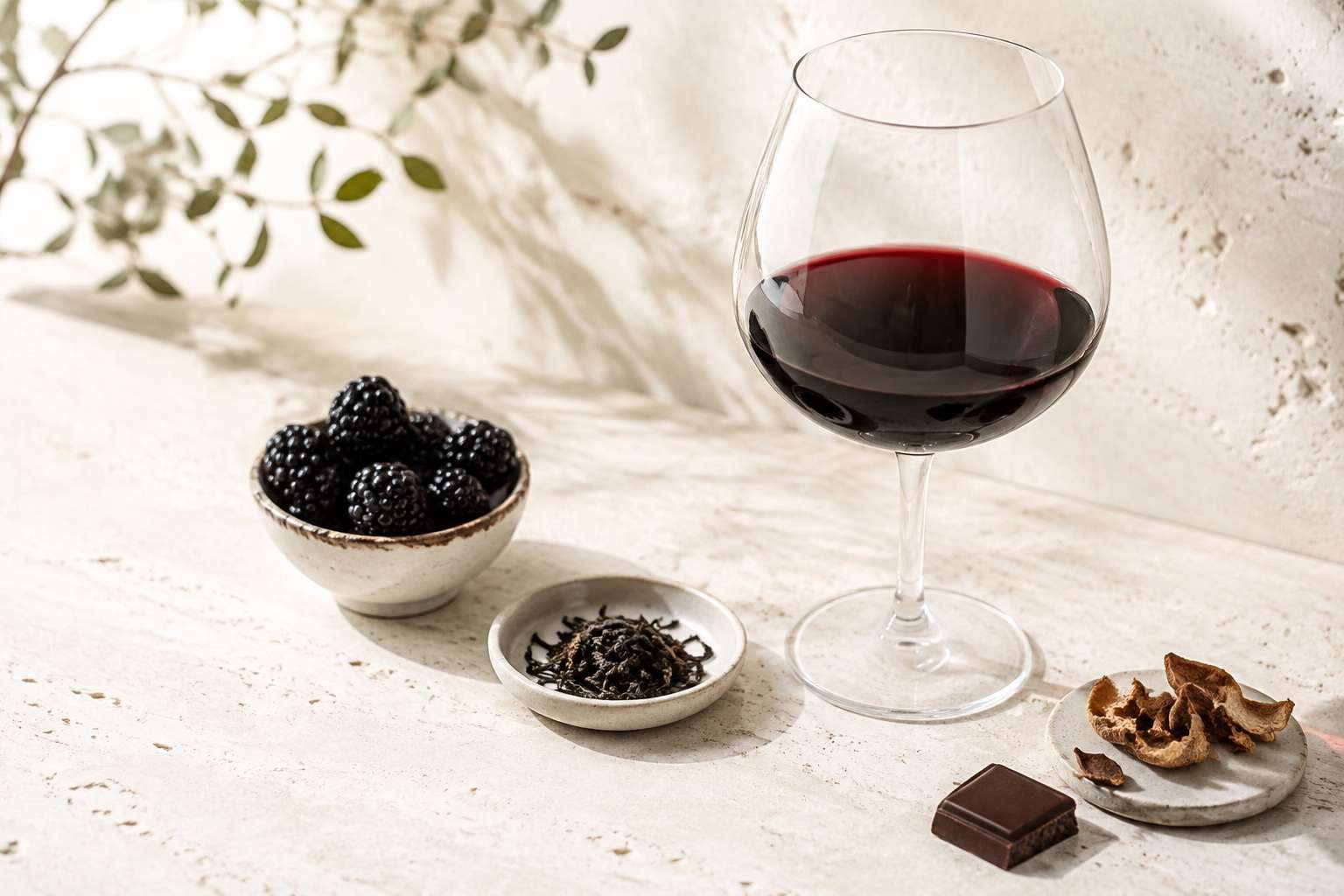
Ham has two strong flavors that shape any pairing: salt from curing and sugar from the glaze. Salt makes wine taste fruitier and softer, which helps, but it also makes tannins taste bitter and metallic. Sugar is trickier. A sweet glaze makes a bone-dry wine taste thin and sour. The best wine with ham solves both problems with fruit, a little sweetness, and plenty of acidity. Acidity cuts through salt and fat the way mustard or pineapple does, and a touch of residual sugar keeps pace with honey or brown-sugar glazes. That is why sommeliers so often reach for an off-dry Riesling with ham. If you are not sure what “off-dry” means, our guide to dry vs. sweet wine explains the sweetness scale in simple terms.
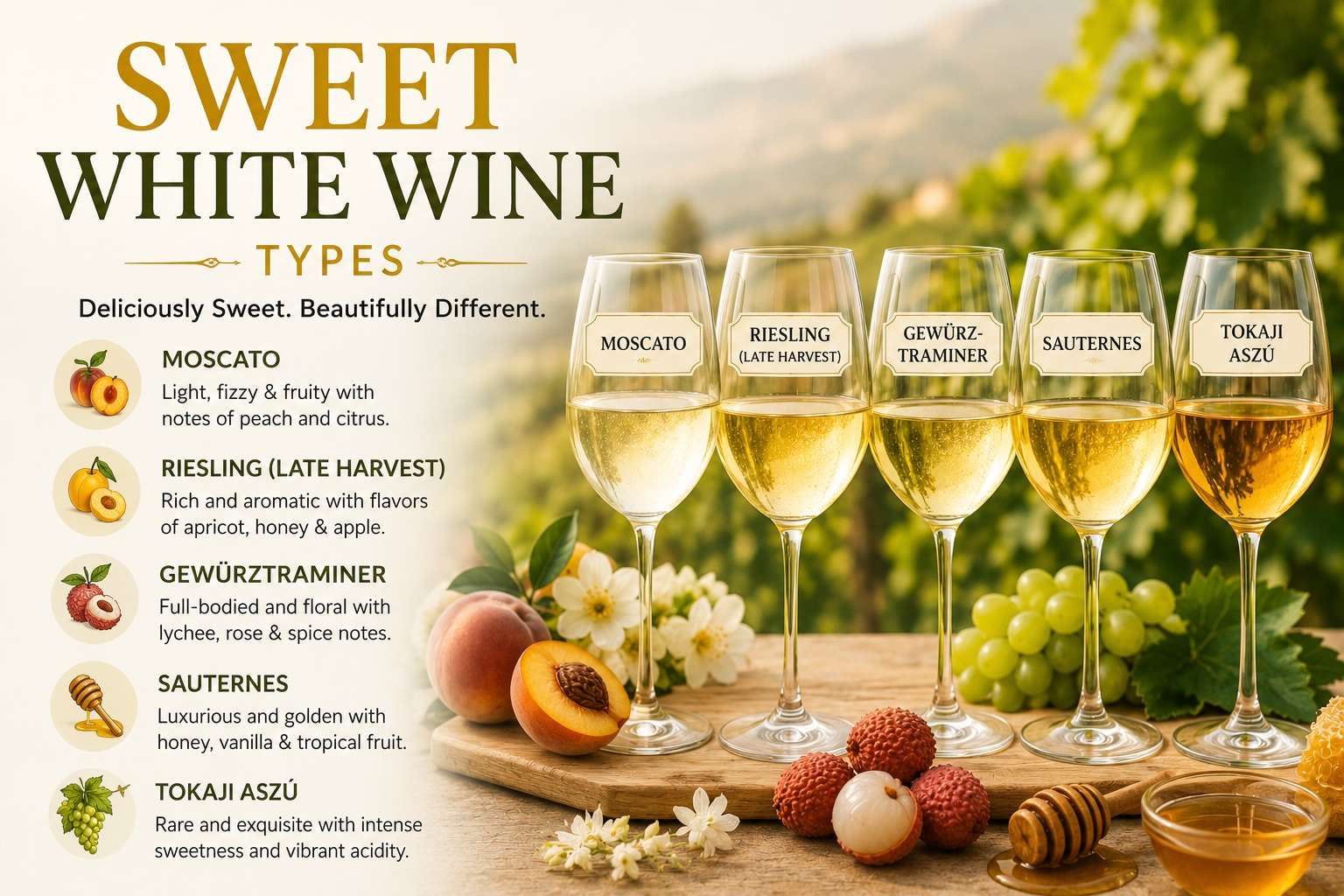
Honey-glazed or brown-sugar ham is the classic Easter and Christmas centerpiece, and it loves a German Riesling labeled Kabinett or Spätlese, especially from the Mosel. These wines have apple, peach, and lime flavors, a gentle sweetness, and racy acidity. Chenin Blanc is another winner; a demi-sec Vouvray from the Loire Valley has quince and honey notes that echo the glaze. Pineapple-glazed ham pairs well with aromatic Gewürztraminer from Alsace, with lychee and tropical notes. Mustard or clove-studded ham is more savory and spicy, and it suits a dry Riesling or a fruity rosé. Maple- or bourbon-glazed ham brings caramel flavors that a ripe, lightly oaked Chardonnay or a juicy Zinfandel can match. For more holiday menu ideas, see our guide to wine with Easter dinner.
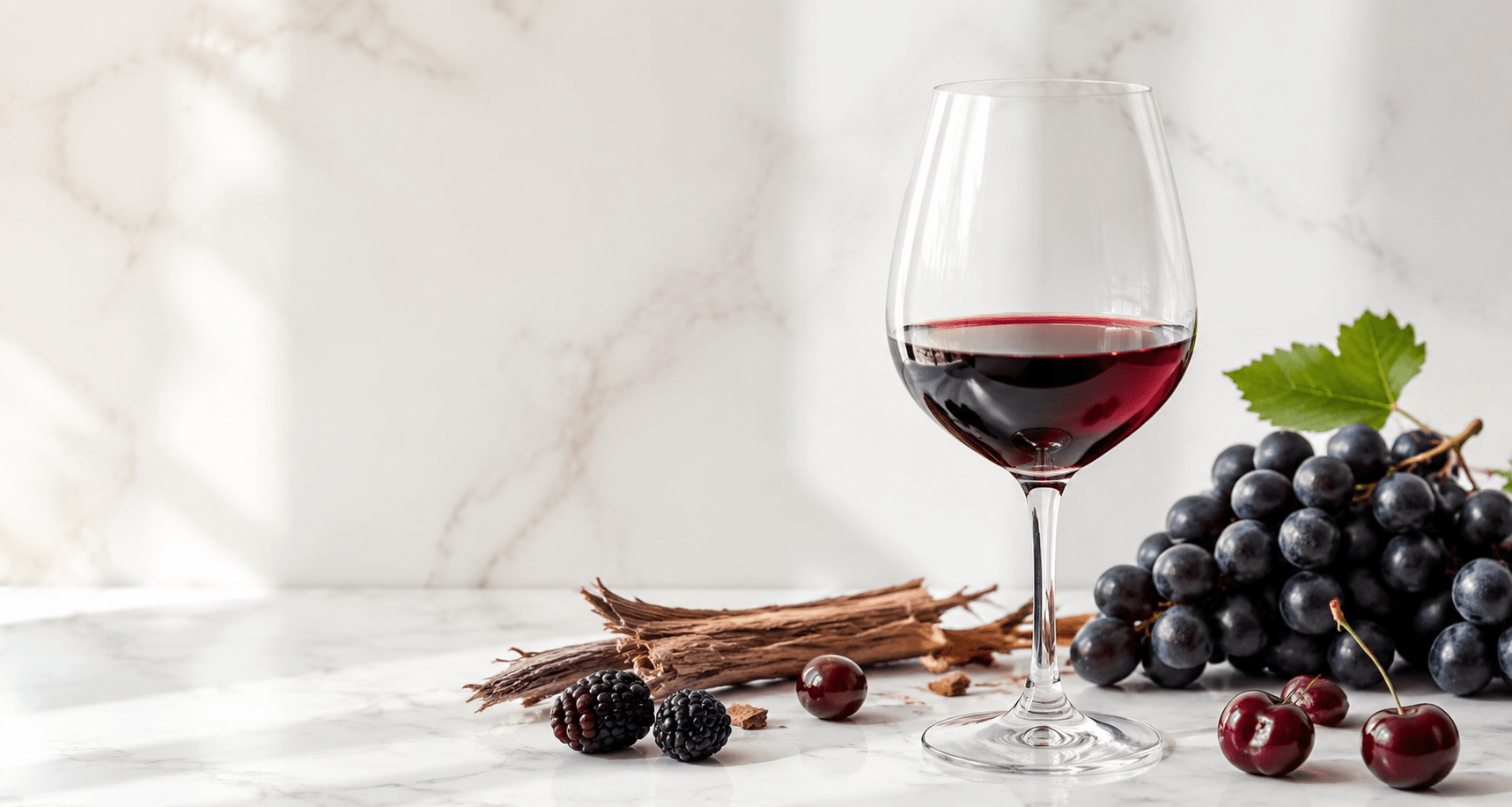
Red wine works with ham if you keep tannins low and fruit high. Pinot Noir is the most versatile choice; its cherry and cranberry fruit is like a fruit sauce for the pork, and its earthy notes love smoked ham. Gamay from Beaujolais is even lighter and juicier, and it tastes great with a light chill. Zinfandel, with its jammy berry fruit and spice, matches sweet, sticky glazes and smoked ham. Grenache and Grenache-based Côtes du Rhône bring ripe strawberry fruit and soft texture. Lambrusco, the fizzy red from Emilia-Romagna, is a natural partner for cured pork thanks to its tangy fruit and bubbles. Whatever you choose, the goal is a red that tastes juicy rather than grippy, so serve it slightly cool, around 55–60°F.
Different hams call for different wines. Smoked ham has a woodsy, bacon-like flavor that pairs well with Pinot Noir, Gamay, or a smoky Syrah-based rosé. Southern country ham is dry-cured and very salty, so it needs refreshing wines: dry sparkling wine, crisp rosé, or a dry Amontillado Sherry, whose nutty character mirrors aged ham. Thin-sliced cured hams like prosciutto and jamón are a separate topic; our guide to wine with prosciutto covers them. Ham sandwiches and croque monsieur pair nicely with Beaujolais or an unoaked Chardonnay. Ham and split pea soup is hearty and smoky and suits a dry rosé or Grüner Veltliner. Ham with scalloped potatoes or mac and cheese leans toward a creamier white like Chardonnay or Chenin Blanc.
Tannic red wines are the biggest pitfall. Cabernet Sauvignon, Malbec, Nebbiolo, and young Bordeaux have firm tannins that react with salt and turn bitter, and their dry, savory style tastes harsh next to a sweet glaze. Heavily oaked, high-alcohol reds overpower ham’s delicate pork flavor. Very dry, lean whites like Muscadet or a very austere Sauvignon Blanc can taste sour against honey or brown sugar. At the other extreme, dessert wines like Sauternes or Moscato are usually too sweet for the main course; the wine should be roughly as sweet as the glaze, not much sweeter. If guests insist on a bold red, pick a ripe, softer one like Zinfandel or a fruit-forward Merlot and pair it with the less sweet slices.
Serve Riesling, Chenin Blanc, and rosé well chilled, at 45–50°F, and light reds like Pinot Noir and Beaujolais at 55–60°F; a 20-minute chill does the trick. Ham dinners are often big family gatherings, so offer one white or rosé and one light red to cover every taste. Plan on about one bottle for every two to three adults. Ham is wonderfully wine-friendly on a budget. German Riesling, Vouvray, Spanish or French rosé, Beaujolais-Villages, and Lodi Zinfandel are widely available and often under $20. Leftover ham makes great next-day sandwiches and omelets, and the leftover Riesling or rosé will keep for several days in the fridge with a stopper.
| Ham Style | Best Wine | Why It Works |
|---|---|---|
| Honey or brown-sugar glazed | Off-dry Riesling (Kabinett or Spätlese) | Gentle sweetness matches glaze; acidity balances salt |
| Pineapple-glazed | Gewürztraminer or Vouvray demi-sec | Tropical and honey notes echo the fruit |
| Smoked ham | Pinot Noir or Gamay | Juicy red fruit and earthy notes suit smoke |
| Southern country ham | Dry sparkling or Amontillado Sherry | Refreshing acidity or nutty notes handle intense salt |
| Maple or bourbon glaze | Zinfandel or ripe Chardonnay | Ripe fruit matches caramel flavors |
| Ham sandwich or croque monsieur | Beaujolais or unoaked Chardonnay | Light and fresh for casual food |
The sweeter the glaze, the more fruit or sweetness the wine needs.
Salt makes tannins taste bitter, so choose soft, juicy reds.
Give Pinot Noir and Beaujolais 20 minutes in the fridge before serving.
Learn Your Taste
Answer a few simple questions and discover styles that fit your palate.
Take the Wine QuizOff-dry Riesling is the classic pick. Its slight sweetness matches the glaze, and its high acidity balances the salt. Pinot Noir, Beaujolais, Chenin Blanc, and dry rosé are also excellent choices.
Choose a light, fruity red with soft tannins, such as Pinot Noir, Gamay from Beaujolais, Grenache, or Zinfandel. Avoid tannic reds like Cabernet Sauvignon, which taste bitter with salty ham.
Yes. Dry rosé is one of the most versatile ham wines. Its red-berry fruit suits the pork and glaze, and its fresh acidity cuts through salt. It also pleases both red and white wine drinkers.
It can. A lightly oaked, ripe Chardonnay works with maple- or bourbon-glazed ham and creamy sides like scalloped potatoes. Very oaky styles can feel heavy, and Riesling is usually a better match.
A German Riesling labeled Kabinett or Spätlese is ideal, as its gentle sweetness mirrors the honey. Demi-sec Vouvray made from Chenin Blanc and fruity Zinfandel are also great options.
Yes. Pinot Noir is the best all-around red for ham. Its bright cherry fruit acts like a fruit sauce, its acidity cuts salt, and its low tannins will not clash with the glaze.