Check the Date
Look for a best-by or packaging date and buy the freshest box.

Understand Wine. Enjoy Every Glass.
Buying & Occasions
Boxed wine has shaken off its party-punch reputation. Here is how it works, what it does well, and how to find a box worth drinking.
Start Learning
So, is boxed wine good? For many everyday styles, yes. The box itself does not make wine worse. What matters is the quality of the wine that goes inside, and today many wineries and importers fill boxes with well-made, fresh wine from respected regions. In the past, boxes were linked to cheap, sweet bulk wine. That reputation lingers, and low-end boxes still exist. But the category has grown up, with boxed Côtes du Rhône, Spanish Tempranillo, Italian Pinot Grigio, Provence-style rosé, and more. Boxed wine shines for wines meant to be drunk young and fresh, which describes most wine sold. It is not meant for age-worthy bottles like Barolo or Bordeaux, which need glass and cork to develop over years. Think of boxed wine as a practical format for your house white or red, not a replacement for special bottles.
Inside the cardboard is a sealed plastic bag with a tap. When you pour, the bag collapses around the remaining wine, so air does not rush in to replace it. That is the key advantage: oxygen is what makes an opened bottle go stale within a few days. As a result, most boxed wine stays fresh for roughly four to six weeks after opening, compared with three to five days for a recorked bottle. Our guide to how long wine lasts once opened compares formats. Unopened, though, boxed wine has a shorter shelf life than bottled wine. The bag slowly lets in tiny amounts of oxygen over months, so check the best-by date and plan to drink it within about a year of purchase. The common 3-liter box equals four standard 750 ml bottles, or about twenty 5-ounce glasses. Smaller 1.5-liter boxes and 500 ml or 1-liter cartons are also available.
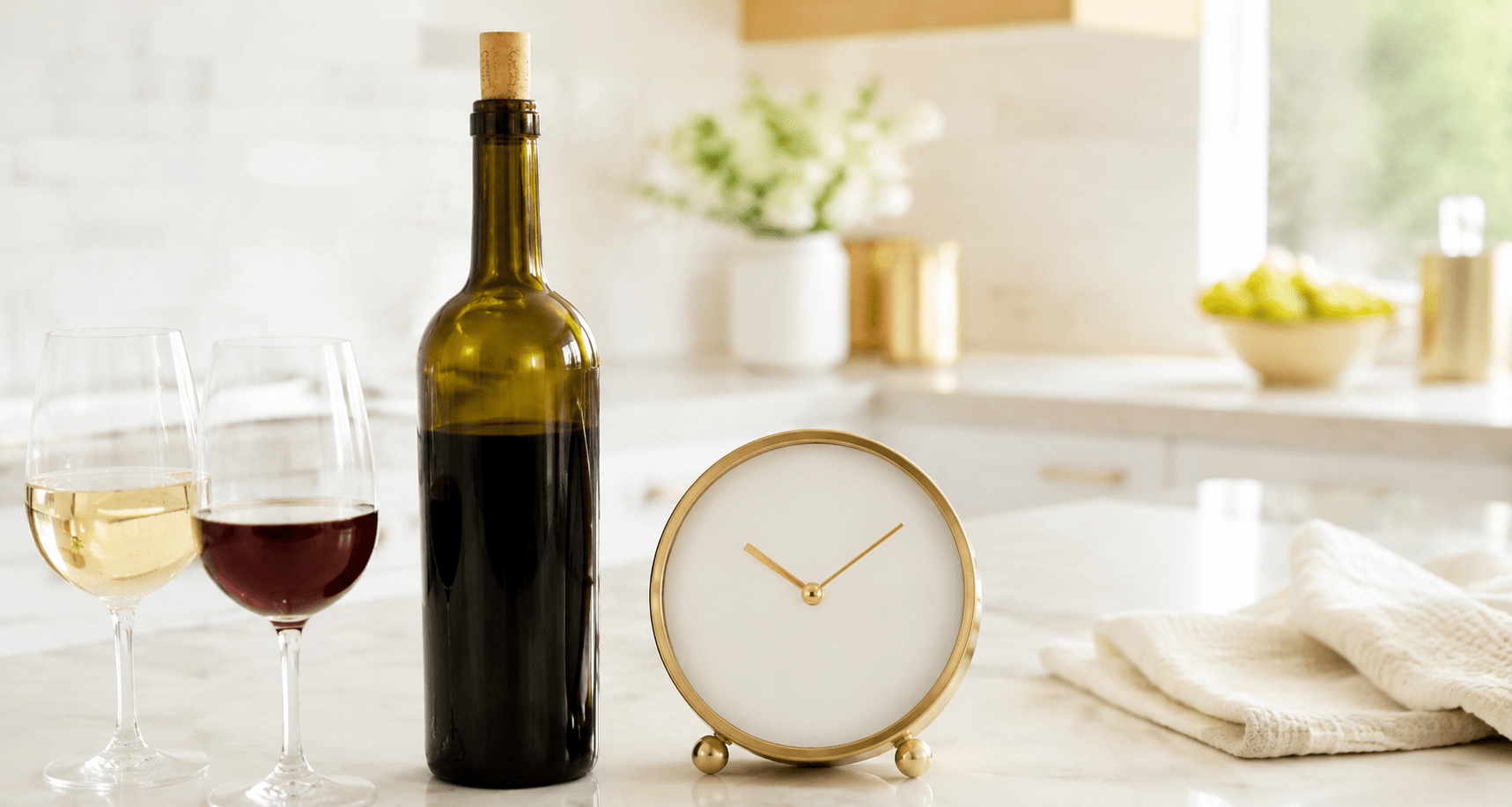
Pros: Boxed wine is usually cheaper per glass, because cardboard and plastic cost less than glass and are lighter to ship. It stays fresh for weeks, which is ideal if you drink one glass at a time. Boxes are unbreakable and light, making them great for picnics, camping, and pools where glass is not allowed. The lighter packaging also has a smaller carbon footprint than heavy glass bottles. Cons: Selection is narrower, and fewer premium or age-worthy wines come in boxes. The wine has a shorter unopened shelf life. Some people miss the ritual of opening a bottle and the look of it on the table. And because the box hides how much is left, it is easy to lose track of how much you have poured. For entertaining, consider decanting boxed wine into a carafe or pitcher; it looks nicer and nobody needs to know.
Fresh, fruit-forward wines are the best match for the box format. Crisp whites: Pinot Grigio and Sauvignon Blanc are reliable, easy-drinking choices. Spanish Verdejo and Portuguese whites can be excellent too. Dry rosé: Provence-style rosé in a box is perfect for summer. See rosé wine. Juicy reds: Côtes du Rhône and other Grenache blends, Spanish Tempranillo, Argentine Malbec, and Italian Montepulciano are soft, fruity, and great value. Everyday Cabernet Sauvignon and Merlot work well for casual meals and burgers. Skip boxes for sparkling wine, which needs a pressure-resistant bottle, and for wines you want to age. For a party, a box of rosé and a box of red cover most guests. Our how much wine per person guide helps you plan.
Read the box like a bottle label. Look for a specific grape and region, such as “Côtes du Rhône” or “Rioja,” rather than vague names like “Red Blend” with no origin. Origin is a good clue to style and quality. Our how to read a wine label guide applies here too. Check the alcohol level for a hint of body, and look at the best-by or packaging date. Fresher is better. Do the math: divide the box price by four to compare with a 750 ml bottle. Good boxes often work out cheaper per bottle than similar bottled wines. Try a smaller format first, such as a 1.5-liter box or carton, before committing to a big one. Store opened boxes in a cool place; whites and rosés can go straight in the fridge. Serve at normal temperatures: chilled for whites, and slightly cool for reds. See wine serving temperature.
| Feature | Boxed Wine | Bottled Wine |
|---|---|---|
| Freshness after opening | About four to six weeks | About three to five days for most still wines |
| Unopened shelf life | Best within about a year | Years for many wines; decades for some |
| Typical size | 3 liters (four bottles) | 750 ml |
| Cost per glass | Often lower | Varies widely |
| Portability | Light and unbreakable | Heavy and breakable |
| Best for | Everyday, fresh, young wines | Everything, including aging and sparkling |
Look for a best-by or packaging date and buy the freshest box.
Compare a 3-liter box price with four bottles to judge value.
Pour boxed wine into a pitcher for a nicer look at the table.
Learn Your Taste
Answer a few simple questions and discover styles that fit your palate.
Take the Wine QuizNot necessarily. Boxed wine often costs less per glass because of cheaper packaging and shipping, but quality ranges from basic to very good. Many boxes contain well-made wines from respected regions like the Rhône, Spain, and Italy.
Most boxed wine stays fresh for about four to six weeks after opening, because the bag collapses as you pour and keeps air out. Store it in a cool place, and keep whites and rosés in the fridge.
Eventually, yes. Boxed wine is meant to be consumed fairly young, and the plastic bag slowly lets in oxygen. Check the best-by date and drink it within about a year of purchase for the best flavor.
A standard 3-liter box holds the equivalent of four 750 ml bottles, or about twenty 5-ounce glasses. Smaller 1.5-liter boxes hold about ten glasses, a handy size for trying a new style.
Generally, yes. Boxes are much lighter than glass, so they take less fuel to ship, and the cardboard is widely recyclable. The plastic bag and tap are harder to recycle, so check local guidelines.
Opened boxes of white and rosé should be refrigerated. Red boxed wine can stay in a cool, dark spot, though a slight chill before serving helps. Keeping any opened box cool helps it last longer.