Pour Ice Wine in Small Glasses
Serve ice wine and other dessert wines in 2–3 ounce pours. A 375 ml half bottle serves four to six.

Understand Wine. Enjoy Every Glass.
Wine Comparisons
All ice wine is dessert wine, but most dessert wine is not ice wine. Here is what makes frozen-grape wine special and how it compares with other sweet styles.
Start Learning
Dessert wine is an umbrella term for any wine sweet enough to serve with or as dessert. Winemakers concentrate sugar in several ways: leaving grapes on the vine longer, letting a beneficial mold shrivel them, drying them after harvest, or adding spirit to stop fermentation. Ice wine uses a fifth path: cold. Grapes are left on the vine into winter until a hard freeze. They are picked frozen, often at night, and pressed while still frozen. Most of the water stays behind as ice, so only a small amount of very sweet, concentrated juice drips out. That juice ferments slowly into a wine that is lusciously sweet yet bright and fresh. Because it depends on the weather, needs hand labor in freezing conditions, and yields very little juice per vine, true ice wine is rare and comparatively expensive.
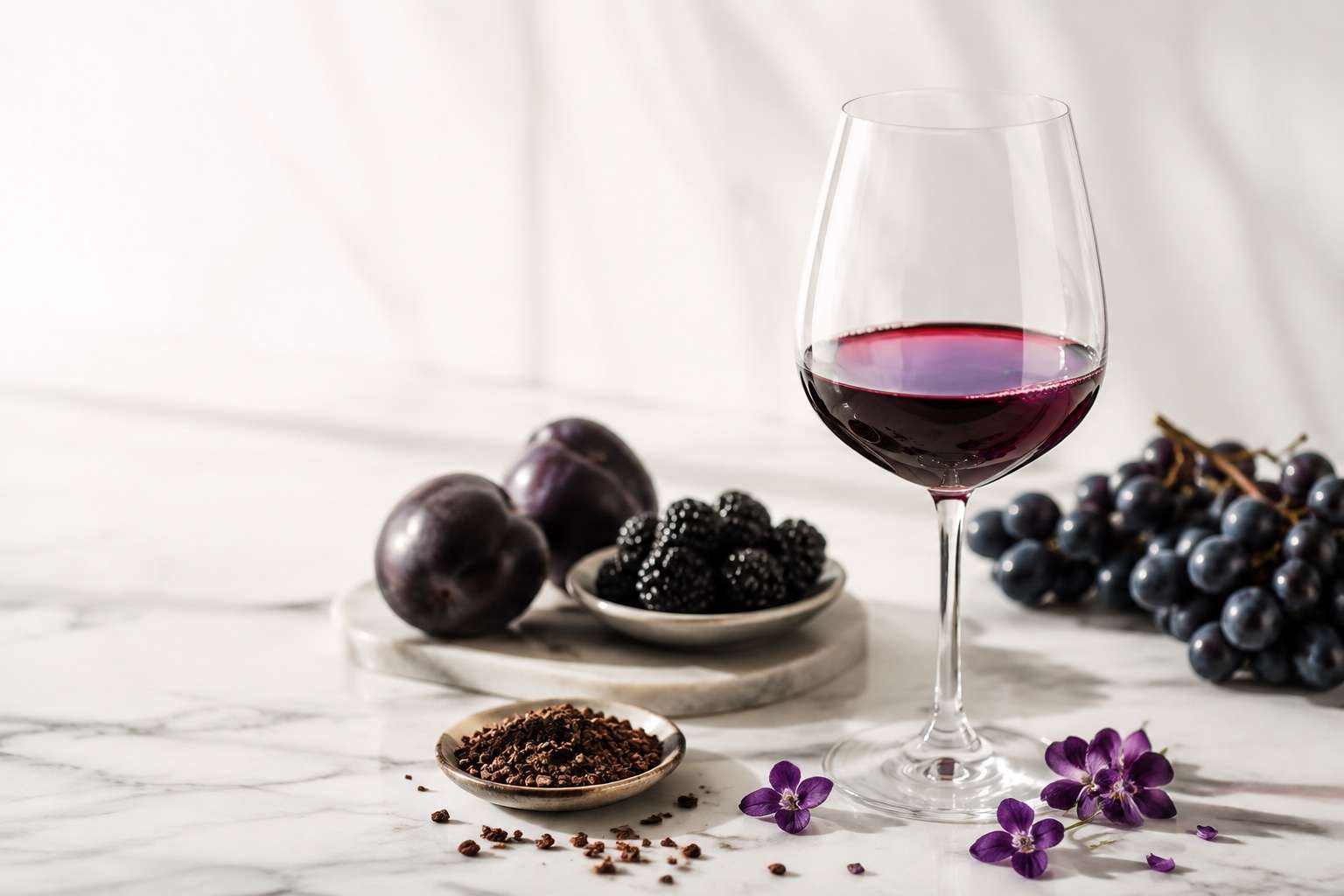
Ice wine tastes intensely of fruit: apricot, peach, honey, lychee, candied pineapple, and citrus peel in white versions, and strawberry, rhubarb, and red berries in red versions made from Cabernet Franc. Its hallmark is high acidity, which keeps all that sugar from feeling heavy. Alcohol is low to moderate, often around 8 to 12 percent, and the texture is silky and syrupy without being thick. Other dessert wines taste very different from each other. Noble-rot wines like Sauternes and Tokaji Aszú add honey, saffron, marmalade, and a rich, waxy texture. Late harvest wines tend to be lighter and fruitier. Dried-grape wines such as Vin Santo taste of raisins, nuts, and caramel. Fortified wines like Port and sweet Sherry are richer and stronger, around 15 to 20 percent alcohol. Ice wine is the freshest and purest of the group.
True ice wine follows strict rules. In Canada and Germany, grapes must freeze naturally on the vine, and Canadian rules require harvest at about 17°F (-8°C) or colder. Wines made from grapes frozen in a commercial freezer, sometimes labeled iced wine or dessert wine, cannot use the protected name in those countries. Other dessert wines use different methods. Noble rot, caused by the mold Botrytis cinerea, pierces grape skins in damp autumn mornings and dries them in sunny afternoons; Sauternes and Hungary’s Tokaj are famous for it. Late harvest simply leaves grapes on the vine to ripen and shrivel. Dried grape wines, such as Italian passito, dry harvested grapes on mats or racks. Fortified sweet wines, like Port, add grape spirit mid-fermentation to keep natural sugar. Each method creates a distinct flavor and weight.
Because the grapes must freeze hard on the vine, ice wine comes from just a handful of cold-winter regions. Canada is the world’s largest producer, especially Ontario’s Niagara Peninsula and British Columbia’s Okanagan Valley. Germany and Austria make Eiswein in years when a deep freeze arrives, usually from Riesling. New York’s Finger Lakes and Michigan also produce some. Canadian ice wine often uses Vidal Blanc, a hardy hybrid grape with tropical fruit flavor, as well as Riesling and red Cabernet Franc. Other dessert wines come from all over: Sauternes and Barsac in Bordeaux, Tokaj in Hungary, the Loire’s Coteaux du Layon, Germany’s Beerenauslese and Trockenbeerenauslese, Italy’s Vin Santo and Recioto, Portugal’s Port and Madeira, and Spain’s Pedro Ximénez Sherry. That variety means there is a dessert wine for nearly every sweet course.
The golden rule for every dessert wine is that the wine should be at least as sweet as the food. Ice wine’s acidity makes it a great match for fruit-based and creamy desserts: apple tart, peach cobbler, lemon desserts, cheesecake, and panna cotta. It also pairs with blue cheese, foie gras, and simply as dessert on its own. Avoid very rich chocolate, which can clash with its bright fruit. Other dessert wines fill different roles. Sauternes is classic with Roquefort and crème brûlée; Port with dark chocolate and Stilton; Tokaji with fruit tarts and nut desserts; and Pedro Ximénez over vanilla ice cream. Serve ice wine and white dessert wines well chilled, around 45 to 50°F, in small glasses with a 2 to 3 ounce pour. Their sweetness makes a little go a long way, and a half bottle often serves four to six people.
Ice wine is usually one of the pricier sweet wines, often sold in half bottles of 375 ml and costing $30 to $80 or more, because each vine yields so little juice and harvests depend on weather. Other dessert wines offer more budget options. Late harvest Riesling, Moscato d’Asti, Ruby Port, and many sweet wines from Sauternes’ neighboring appellations deliver a lot of pleasure for $15 to $30. Choose ice wine for a special occasion, a memorable gift, or when you want a dessert wine that tastes vivid and fresh rather than heavy, especially with fruit desserts. Choose another dessert wine when you want a richer, nuttier, or fortified style, a better match for chocolate, or a lower price. Once opened, ice wine keeps for about a week or so in the refrigerator, while fortified styles like Tawny Port last weeks longer.
| Attribute | Ice Wine | Other Dessert Wines |
|---|---|---|
| How sweetness is created | Grapes frozen naturally on the vine, pressed frozen | Late harvest, noble rot, dried grapes, or fortification |
| Flavor | Apricot, honey, lychee, candied citrus; very fresh | Ranges from honeyed Sauternes to raisiny PX to chocolatey Port |
| Acidity | High and vivid | Varies; often softer, especially fortified styles |
| Alcohol | Low to moderate, often 8–12% | About 8% for some late harvest up to 20% for Port |
| Main regions | Ontario, British Columbia, Germany, Austria | Bordeaux, Tokaj, Douro, Jerez, Loire, Germany, Italy |
| Typical price | Often $30–80+ per half bottle | Many options $15–30; top bottles far more |
Serve ice wine and other dessert wines in 2–3 ounce pours. A 375 ml half bottle serves four to six.
Ice wine or any dessert wine should be at least as sweet as the dish, or it will taste sour.
On Canadian bottles, VQA Icewine confirms grapes froze naturally on the vine.
Learn Your Taste
Answer a few simple questions and discover styles that fit your palate.
Take the Wine QuizYes. Ice wine is one specific type of dessert wine, made from grapes that freeze naturally on the vine. Other dessert wines get their sweetness from noble rot, late harvest, drying grapes, or adding spirit.
Usually, yes. Ice wine depends on a natural hard freeze, tiny yields of juice from frozen grapes, and a risky late harvest, so it often costs more than Port, late-harvest wines, or Moscato. Top Sauternes and Tokaji Aszú can rival it, though.
Riesling and Vidal Blanc are the most common, especially in Canada. Germany and Austria mostly use Riesling. Red ice wine is often made from Cabernet Franc, and some producers use Gewürztraminer or Chardonnay.
Yes. Serve ice wine well chilled, around 45 to 50°F. Cold temperatures keep its sweetness fresh and lively. Too warm, and the sugar can feel heavy and cloying in the glass.
Opened ice wine usually stays fresh for about a week or a bit longer if you recork it and keep it in the refrigerator. Its high sugar and acidity help preserve it longer than most dry white wines.
Late harvest wine comes from grapes left on the vine longer to ripen and shrivel, usually picked in autumn. Ice wine grapes stay out until they freeze in winter, giving more concentrated sweetness and sharper acidity.