Learn the Banks
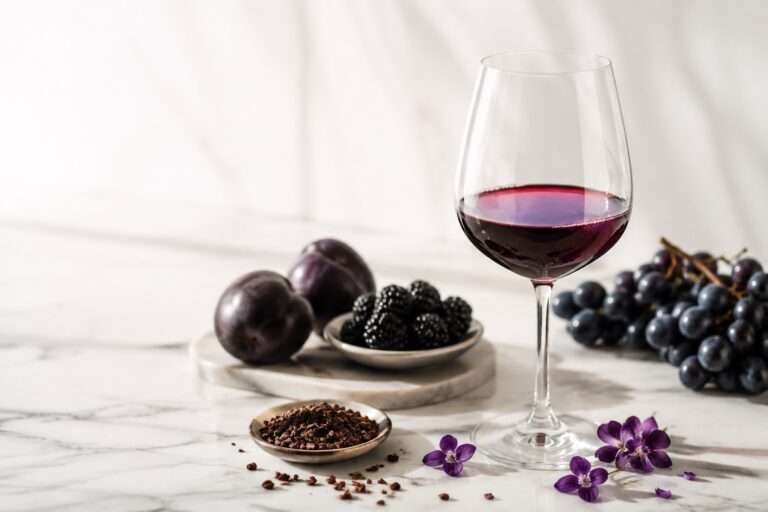
Left Bank means Cabernet-led structure; Right Bank means Merlot-led softness.

Understand Wine. Enjoy Every Glass.
Wine Regions
Bordeaux is the world's most famous name in red wine, but it is easier to understand than its reputation suggests. Start with two rivers, two banks, and a handful of grapes.
Start Learning
The Bordeaux wine region surrounds the city of Bordeaux in southwest France, near the Atlantic coast. Two rivers, the Garonne and the Dordogne, flow through it and join to form the wide Gironde estuary. Those waters shape everything. The ocean and rivers keep the climate mild and damp, a maritime climate with enough warmth to ripen grapes but enough rain and cool weather to make each vintage different. That is why Bordeaux vintages matter more than in many sunnier places; our wine vintage guide explains why. Soils divide the region. West of the Gironde and Garonne, the Left Bank has deep, warm gravel. East of the Dordogne, the Right Bank has cooler clay and limestone. Between the rivers lies Entre-Deux-Mers, mostly known for white wine.
Bordeaux almost always blends, because no single grape ripens perfectly every year in this climate. Merlot is the most planted grape, giving soft texture and plum and chocolate flavors. Cabernet Sauvignon brings blackcurrant, cedar, firm tannin, and the ability to age for decades. Cabernet Franc adds fragrance and a fresh, herbal edge, while Petit Verdot and Malbec add color and spice in small amounts. For whites, Sauvignon Blanc gives zesty citrus and grass, and Sémillon adds a waxy, honeyed richness. Bordeaux reds are generally medium- to full-bodied, drier and more savory than New World Cabernet, with earthy notes of pencil shavings, tobacco, and graphite alongside the fruit.
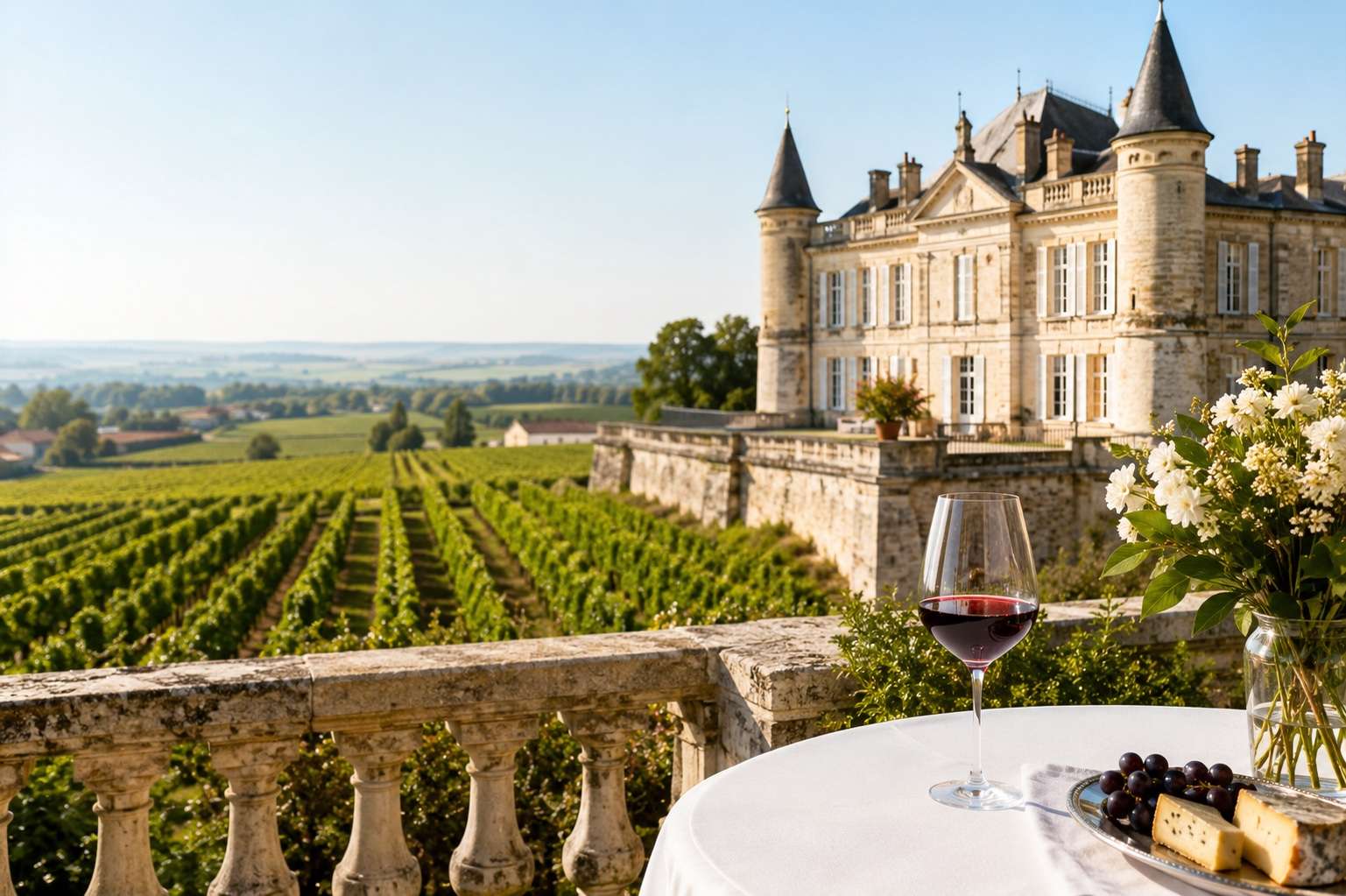
The Left Bank is Cabernet country. The Médoc and its famous villages, Margaux (perfumed and elegant), Pauillac (powerful, cassis and cedar), Saint-Julien (balanced), and Saint-Estèphe (firm and earthy), are home to the châteaux ranked in the 1855 Classification. South of the city, Pessac-Léognan and Graves make both reds and excellent dry whites. The Right Bank is Merlot country. Saint-Émilion makes rounder, plummy reds with plenty of Cabernet Franc, and tiny Pomerol makes some of the silkiest, richest Merlot in the world. Farther south along the Garonne, Sauternes and Barsac produce golden sweet wines from grapes touched by noble rot. For everyday drinking, look for Bordeaux Supérieur and the Côtes de Bordeaux appellations.
You do not need a famous château to learn Bordeaux. Start with a red labeled Bordeaux Supérieur or Côtes de Bordeaux, which often cost under $25 and show the region’s blend of dark fruit and savory earth. Then try a Saint-Émilion next to a Haut-Médoc and taste the difference between Merlot-led softness and Cabernet-led grip. For whites, an Entre-Deux-Mers is crisp, citrusy, and usually a bargain, while a white Pessac-Léognan shows how oak and Sémillon add depth. Finish with a half bottle of Sauternes for dessert; see our guide to dessert wine for more sweet styles. Young Bordeaux reds can be firm, so decanting for an hour helps. To understand how Bordeaux differs from France’s other great region, read Burgundy vs Bordeaux.
Bordeaux reds were made for meat. Lamb is the local favorite, from roast leg to grilled chops; our guide to wine with lamb covers every cut. Steak with a red-wine and shallot sauce, roast beef, duck breast, and hard cheeses such as Comté or aged Gouda all suit Left Bank Cabernet blends. Softer Right Bank Merlot works with roast chicken, mushroom dishes, and pork tenderloin. Crisp Entre-Deux-Mers loves oysters and other shellfish from the nearby Atlantic coast. Sauternes is famous with foie gras, but it is just as good with salty blue cheese such as Roquefort, or with fruit tarts that are a little less sweet than the wine. Serve reds at 60–65°F, dry whites at 45–50°F, and Sauternes well chilled.
The city of Bordeaux makes an easy base, with good trains, riverside walks, and plenty of wine bars. From there, the Médoc châteaux are about an hour north, and the hilltop village of Saint-Émilion, a UNESCO World Heritage site, is about 45 minutes east. Many famous châteaux accept visitors only by appointment, so book weeks ahead and expect a tour plus a tasting. Smaller family estates are often more relaxed and welcoming. Avoid planning a visit during harvest in September and early October, when wineries are busiest. Rent a car or join a small-group tour, and remember France’s drink-driving limits are strict. Spit, pace yourself, and save room for canelés, the city’s caramelized little pastries.
| Style or Appellation | Character | Try It With |
|---|---|---|
| Left Bank red (Médoc, Pauillac, Margaux) | Cabernet-led, blackcurrant, cedar, firm tannins | Roast lamb or ribeye |
| Right Bank red (Saint-Émilion, Pomerol) | Merlot-led, plum, chocolate, plush texture | Duck breast or mushroom dishes |
| Bordeaux Supérieur or Côtes de Bordeaux | Everyday blend, dark fruit, savory earth | Burgers or roast chicken |
| Entre-Deux-Mers white | Crisp citrus, grassy, light body | Oysters or goat cheese |
| White Pessac-Léognan | Sauvignon Blanc and Sémillon, richer, lightly oaked | Roast chicken or seared scallops |
| Sauternes | Sweet honey, apricot, marmalade, fresh acidity | Roquefort or fruit tart |
Left Bank means Cabernet-led structure; Right Bank means Merlot-led softness.
Bordeaux Supérieur and Côtes de Bordeaux offer the classic style for a fraction of famous prices.
Decant young Bordeaux for about an hour to soften firm tannins.
Learn Your Taste
Answer a few simple questions and discover styles that fit your palate.
Take the Wine QuizRed blends based on Cabernet Sauvignon and Merlot. Left Bank wines lean on Cabernet for structure and blackcurrant, while Right Bank wines lean on Merlot for plush plum. Bordeaux is also known for sweet Sauternes and crisp dry whites.
No. Most Bordeaux is red, but the region makes dry whites from Sauvignon Blanc and Sémillon, sweet whites such as Sauternes, rosé, and sparkling Crémant de Bordeaux. White Bordeaux is often a great value.
Left Bank vineyards have warm gravel soils that suit Cabernet Sauvignon, so their reds are firmer and more tannic. Right Bank vineyards have cooler clay and limestone that suit Merlot, giving rounder, softer reds that are often enjoyable younger.
Almost all red and most white Bordeaux is dry. The sweet exceptions come from Sauternes, Barsac, and a few neighboring areas, where grapes affected by noble rot make rich, honeyed dessert wines.
Simple Bordeaux and Bordeaux Supérieur are made to drink within about five years. Classified Left Bank and top Right Bank wines often need 10 years or more to soften and can keep improving for decades in a good vintage.
No. Bordeaux is a place, and its reds are usually blends. Cabernet Sauvignon is one of the main grapes, but Merlot is actually more widely planted there, and Cabernet Franc, Petit Verdot, and Malbec can join the blend.