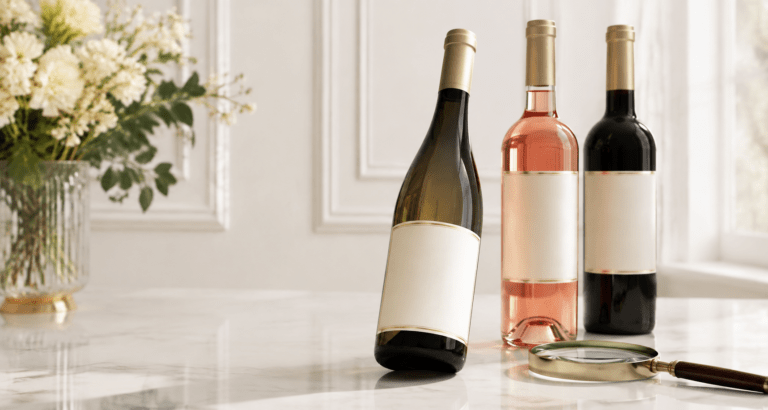
Read the Aging Term
Crianza, Reserva, and Gran Reserva tell you how long the wine aged before release.

Understand Wine. Enjoy Every Glass.
Wine Regions
Rioja is Spain's most famous red wine and one of the best values in the world. Learn its aging terms once and you can shop the whole region with confidence.
Start Learning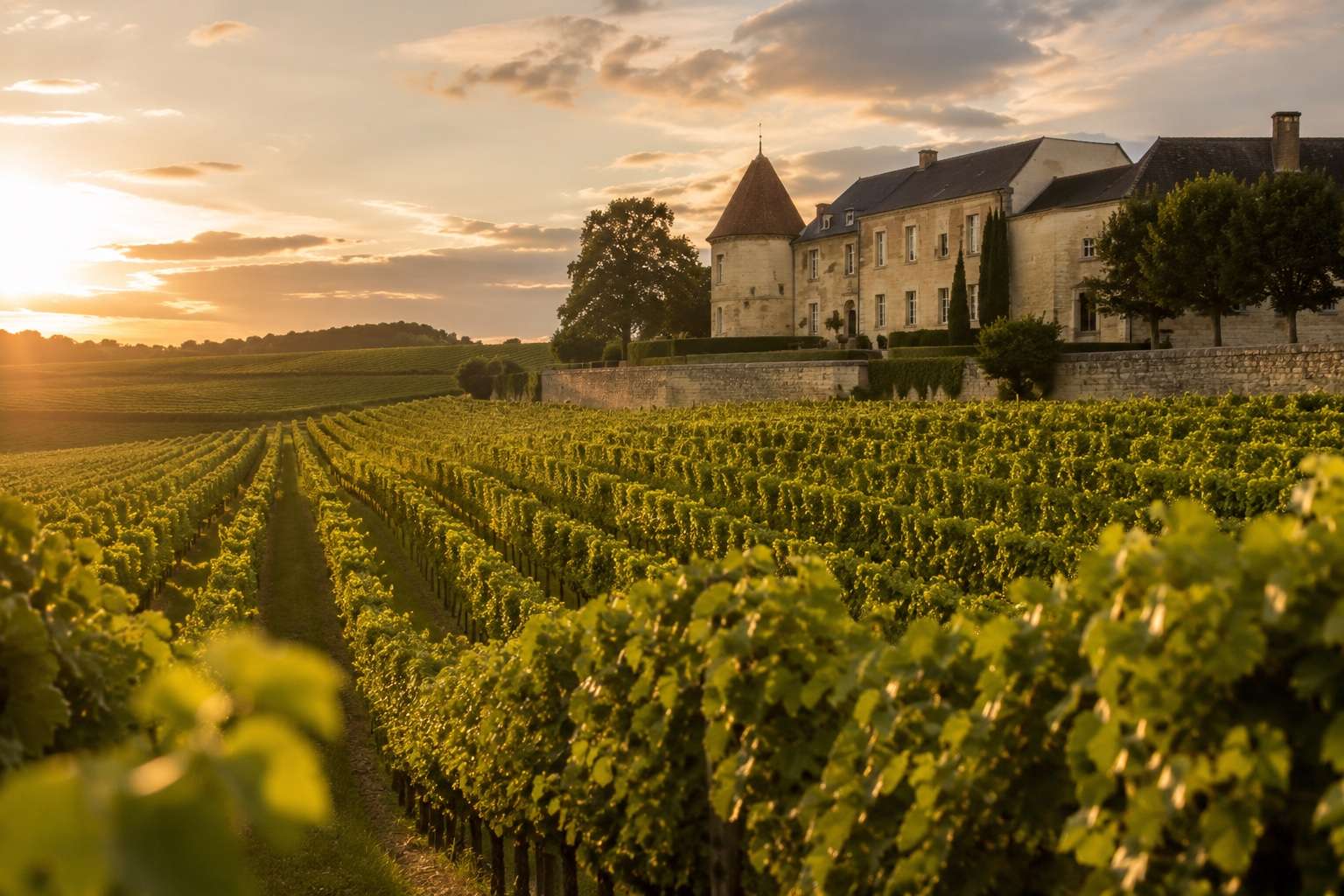
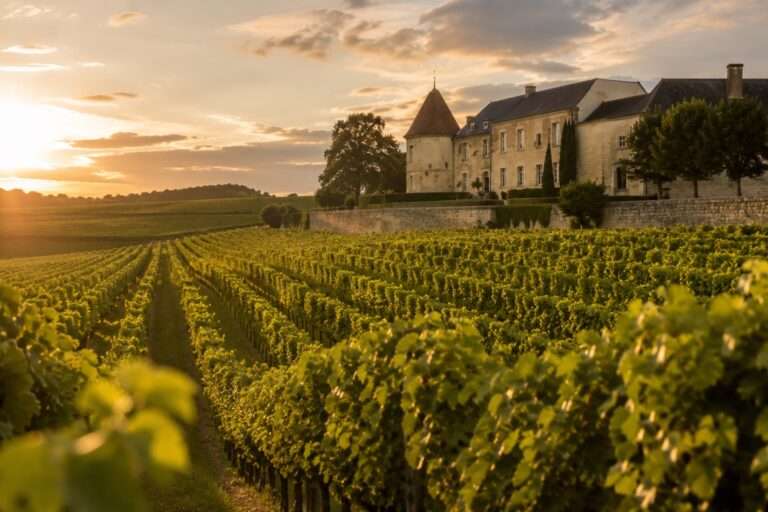
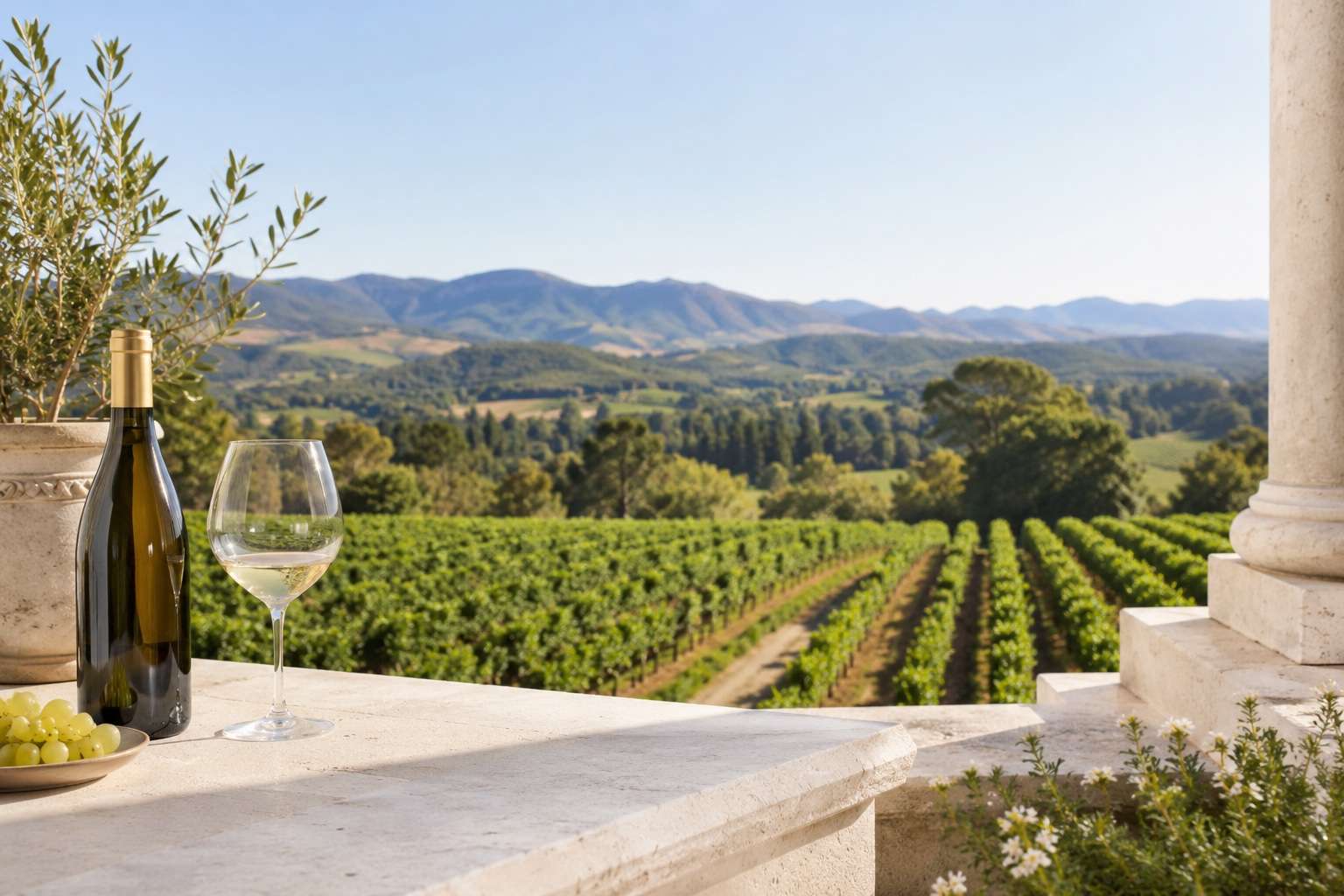
Rioja lies in northern Spain along the Ebro River, about a two-hour drive south of Bilbao. The Sierra de Cantabria mountains to the north shield the vineyards from cold, wet Atlantic weather, while the Mediterranean influence grows stronger as you head east down the river. The result is a mix of climates: cooler and wetter in the west, warmer and drier in the east. Summers are hot by day but cool at night, which keeps grapes fresh. Soils vary from chalky clay-limestone, which gives elegant, long-lived wines, to iron-rich red clay and stony riverbank alluvium. Rioja was the first Spanish region granted the top DOCa status. That combination of mountain shelter, river valley, and varied ground makes Rioja wine both approachable young and impressive with age.
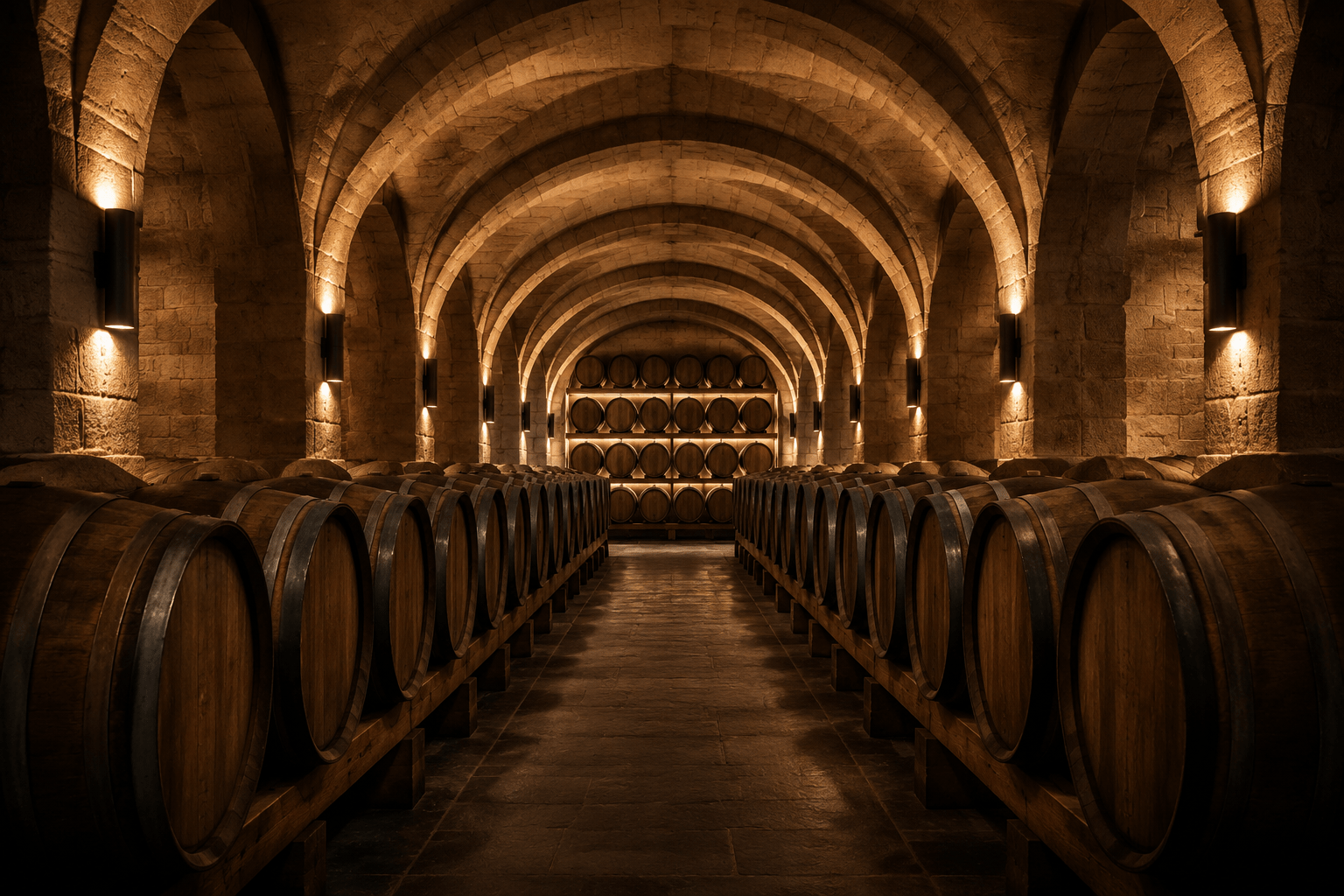
Tempranillo is the star, giving red cherry, strawberry, plum, and dried fig, with medium body and smooth tannins. Garnacha adds ripe red fruit, warmth, and body, especially from the eastern vineyards. Graciano brings perfume, color, and acidity, and Mazuelo, also called Carignan, adds tannin and tang. Traditionally, Rioja ages in American oak barrels, which give sweet vanilla, coconut, and dill aromas; many modern producers now use French oak for a spicier, more subtle effect. The region also makes white Rioja from Viura, which ranges from fresh and citrusy to golden, nutty, and oak-aged, plus Malvasía and Garnacha Blanca. Rosado, Spain’s word for rosé, is often made from Garnacha and tends to be dry, fruity, and a little fuller than French rosé. Our guide to how wine is made explains how oak shapes flavor.
Rioja’s aging terms are the key to the label. Joven or unlabeled wines see little or no oak and taste fresh and fruity. Crianza reds age at least two years, with one year in oak. Reserva reds age at least three years, with at least one in oak. Gran Reserva reds age at least five years, with at least two in oak, and are made only in good vintages. The longer the aging, the more the fruit shifts from fresh berries to dried fruit, leather, tobacco, and spice. Geography matters too. Rioja Alta, in the west, is higher and cooler, making elegant, age-worthy wines. Rioja Alavesa, north of the river in the Basque Country, has chalky soils and fragrant, refined reds. Rioja Oriental, in the warmer east, grows more Garnacha and makes riper, rounder wines. Newer labels may also name a village or single vineyard.
Start with a Rioja Crianza. It is affordable, often under $20, and shows the classic mix of juicy red fruit and gentle vanilla oak. It is one of the easiest bottles to grab from our list of best red wines under $20. Next, try a Reserva and notice the softer tannins and more savory, leathery notes. When you want a treat, open a Gran Reserva, which can taste surprisingly delicate, with dried cherry, tobacco, and earthy complexity even 10 years or more after the vintage. For contrast, pour a young Joven or a modern, French-oak Rioja side by side with a traditional one. White Rioja is worth exploring too, especially aged versions with nutty depth. If you enjoy Rioja, try Ribera del Duero for a darker, bolder Tempranillo, or Priorat for intense Garnacha.
Rioja is one of the most versatile reds at the table. In the region, lamb chops grilled over burning vine cuttings are the classic match, and Rioja suits all kinds of lamb dishes. Crianza’s juicy fruit loves tapas: chorizo, jamón, Manchego, and other charcuterie. Potatoes stewed with chorizo and paprika, a Rioja specialty, are perfect with a young red. Reserva and Gran Reserva work with roast pork, duck, mushroom dishes, and aged cheeses, because their softer tannins do not overwhelm gentle flavors. Rosado and white Rioja pair well with seafood and rice dishes; see our guide to wine with paella. Serve reds at 60–65°F. Older Gran Reservas may throw sediment, so pour gently or decant.
Logroño, the regional capital, is the best base, and its old town is famous for narrow streets packed with tapas bars, where locals hop from one spot to the next for a small bite and a glass. The town of Haro, in Rioja Alta, has a historic district of century-old wineries clustered near the train station, and it hosts a lively wine fight festival in late June. In Rioja Alavesa, the walled hilltop village of Laguardia sits above old underground cellars. Many wineries offer tours and tastings, but book ahead and check opening hours, because Spanish lunch breaks are long. Fall harvest is beautiful, with vineyards turning red and gold. A car makes it easy to move between villages, but plan a designated driver.
| Style | Character | Try It With |
|---|---|---|
| Joven (young red) | Fresh cherry and berry, little or no oak | Chorizo, pizza, or burgers |
| Crianza | Red fruit, light vanilla oak, medium body | Tapas, jamón, and Manchego |
| Reserva | Softer tannins, dried cherry, leather, spice | Grilled lamb chops or roast pork |
| Gran Reserva | Delicate, dried fruit, tobacco, earthy | Roast duck or aged cheeses |
| White Rioja (Viura) | Citrus and fresh, or nutty and oaked | Grilled fish or seafood rice |
| Rioja Rosado | Dry, strawberry, fuller-bodied rosé | Paella or summer salads |
Crianza, Reserva, and Gran Reserva tell you how long the wine aged before release.
It offers classic Rioja flavor for often under $20, perfect for weeknights.
Gran Reservas can have sediment; stand the bottle upright a day before opening.
Learn Your Taste
Answer a few simple questions and discover styles that fit your palate.
Take the Wine QuizRed wine based on Tempranillo, often blended with Garnacha, Graciano, and Mazuelo. Rioja is known for its oak-aged styles, especially Crianza, Reserva, and Gran Reserva, which show red fruit, vanilla, and savory leather notes.
Aging time. Crianza reds age at least two years, including one year in oak barrels. Reserva reds age at least three years, with at least one in oak. Reserva usually tastes softer and more savory, while Crianza is fruitier.
No. Rioja reds, whites, and rosados are almost always dry. The vanilla and coconut notes from American oak can seem a little sweet on the nose, but there is very little sugar in the wine.
Red Rioja tastes of red cherry, strawberry, and plum with dried herbs and medium tannins. Oak aging adds vanilla, coconut, and dill, especially when American oak is used. Older Reserva and Gran Reserva wines turn softer and more savory, with notes of leather, tobacco, and dried fruit.
Young Crianza does not need it. Reserva can benefit from 20 to 30 minutes of air. Older Gran Reservas are best decanted gently, mainly to remove sediment, and should be enjoyed soon after opening because their delicate aromas fade.
Yes. White Rioja, mostly from Viura, comes in two styles: fresh, crisp, and citrusy, or barrel-aged with nutty, honeyed depth. Aged white Rioja is a distinctive, often underrated wine that pairs beautifully with seafood and roast chicken.