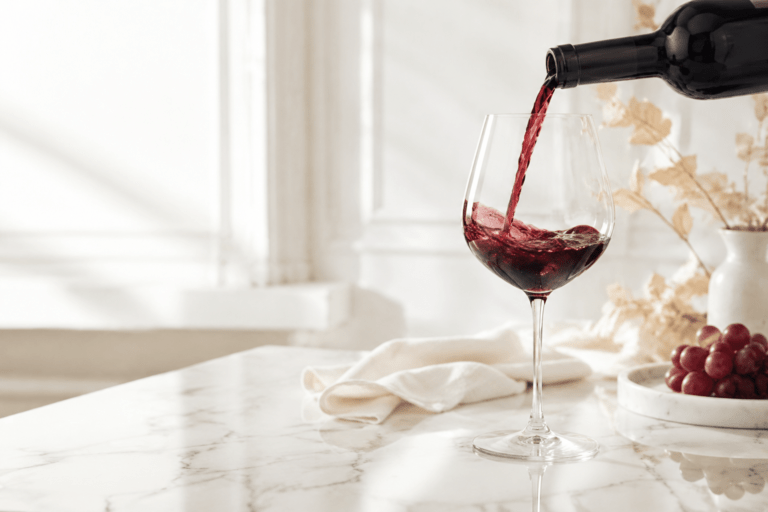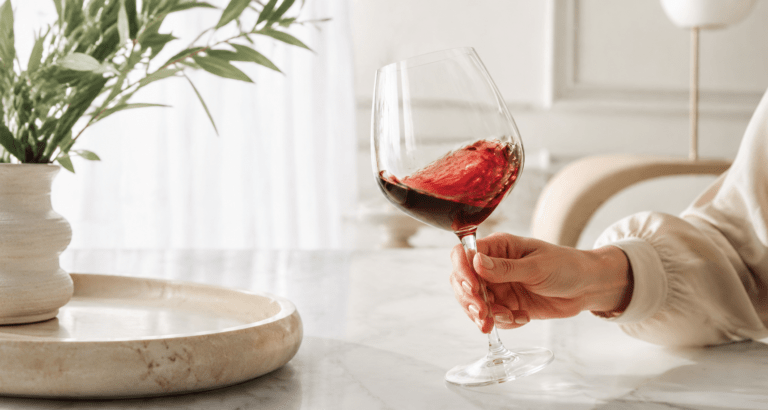
Choose Clear, Thin Glass
Colored or thick glass hides the wine and gets in the way of flavor.

Understand Wine. Enjoy Every Glass.
Wine Basics
The right glass will not turn a cheap wine into a great one, but it does help any wine smell and taste its best. Here is what each shape does.
Start Learning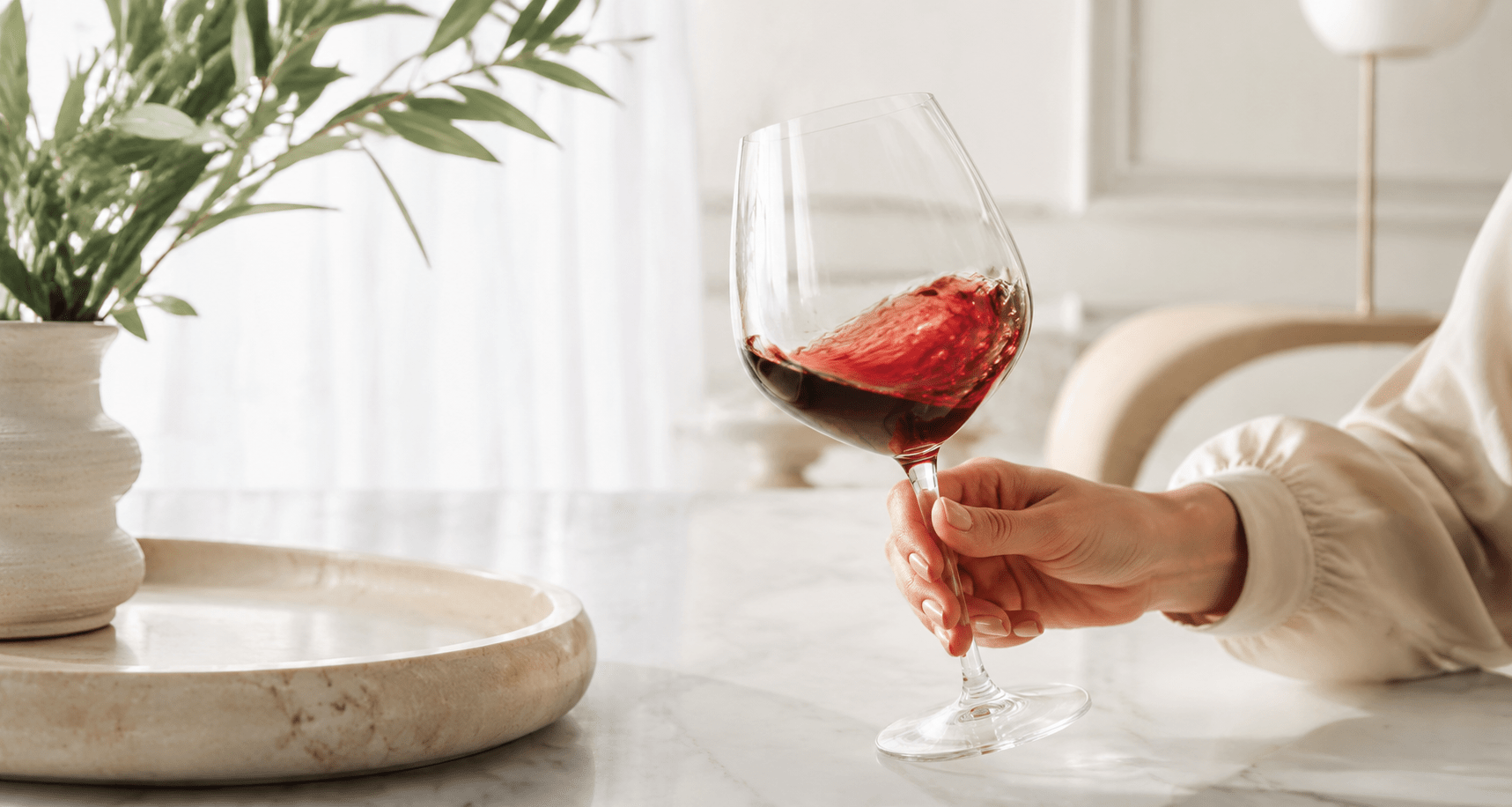
Different types of wine glasses exist because shape affects how you smell and taste wine. Most of what we call flavor is really aroma, and a bowl that narrows toward the rim collects those aromas and funnels them to your nose. A larger bowl gives more surface area for the wine to meet air, which helps bold reds open up. A smaller bowl keeps whites cooler and concentrates delicate scents. The rim matters too: a thin, smooth rim lets wine flow onto your tongue without a thick edge getting in the way. Clear glass lets you see color, and a stem lets you hold the glass without warming the wine. Fancy etching and colored glass look nice but hide the wine. That said, a clean, decent glass matters far more than owning a different shape for every grape.
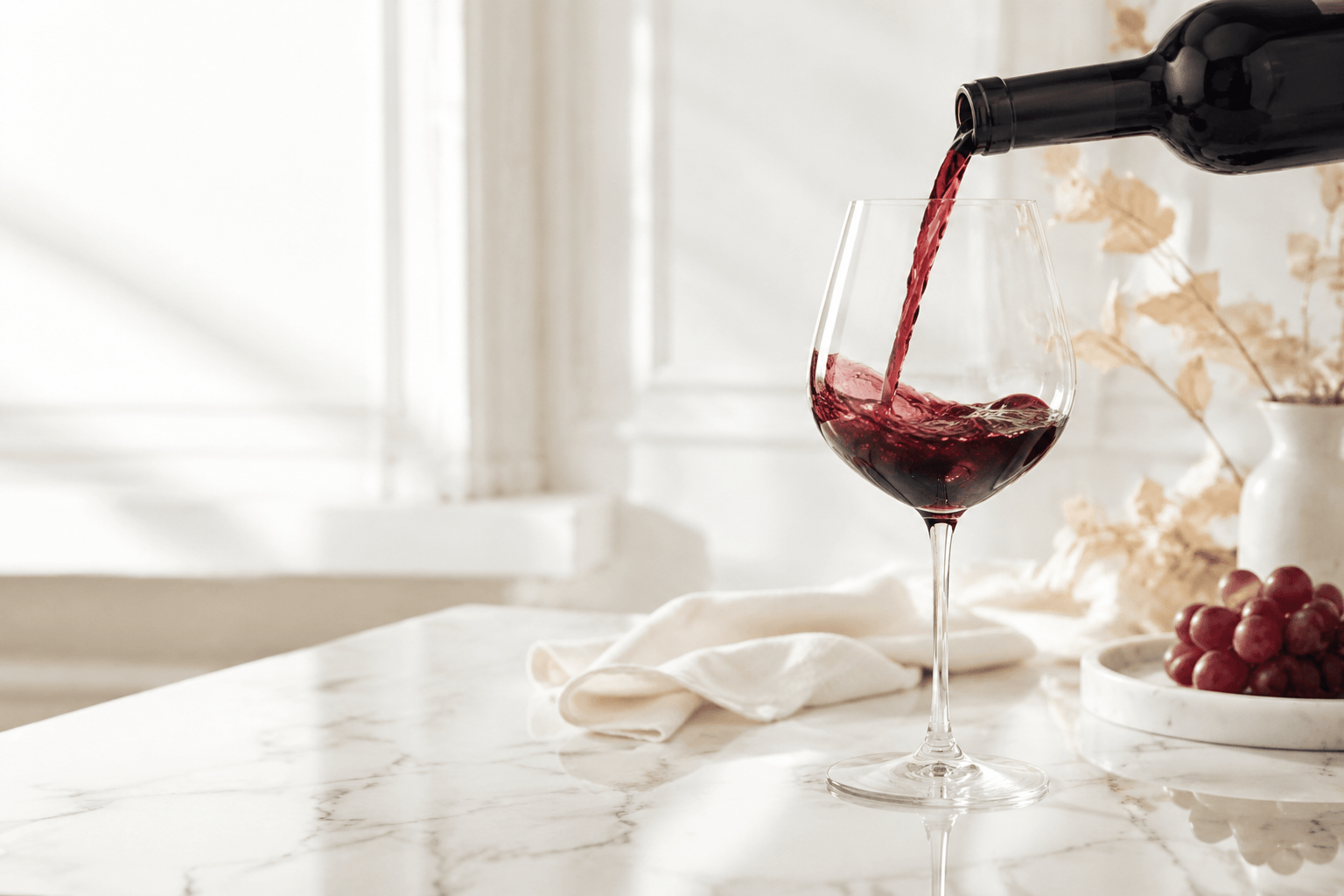
Red glasses have the largest bowls, giving aromas room and the wine more contact with air. The Bordeaux glass is tall with a broad bowl and slightly narrower opening. It suits full-bodied reds like Cabernet Sauvignon, Merlot, Malbec, and Syrah. The height puts distance between the wine and your nose, letting alcohol fumes dissipate, and directs wine toward the middle of the tongue. The Burgundy glass has a very wide, balloon-shaped bowl that tapers sharply at the top. It is made for delicate, aromatic reds like Pinot Noir, Gamay, and Nebbiolo, collecting their subtle scents. Many people also like it for rich, oaked Chardonnay. If you drink mostly red, one Bordeaux-style glass covers nearly everything.
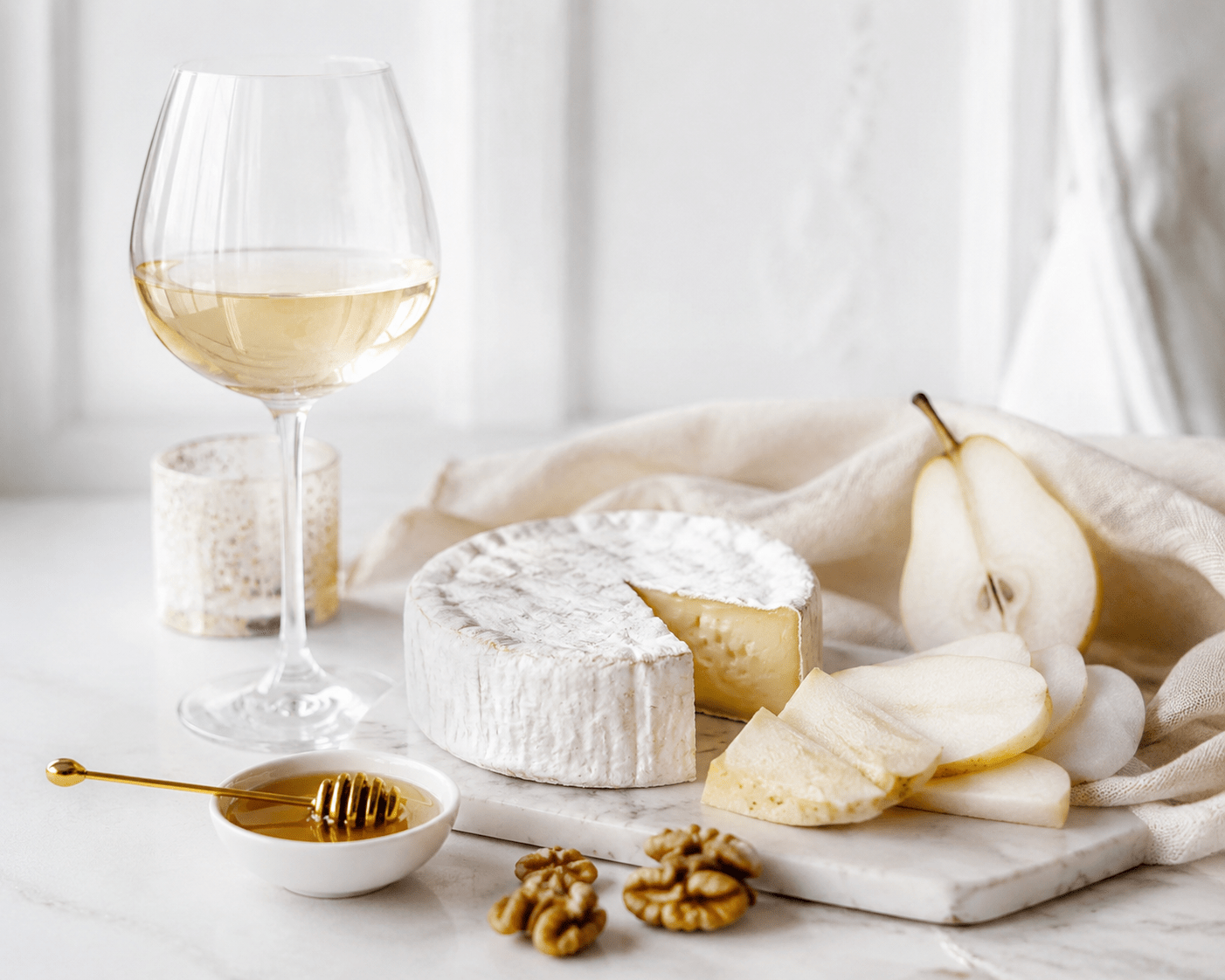
White wine glasses are smaller, with a narrower, U-shaped bowl. The smaller size helps the wine stay cool longer, since less surface area is exposed to warm air, and focuses fresh, fruity aromas. A classic white glass suits crisp wines like Sauvignon Blanc, Pinot Grigio, Albariño, and Riesling. Fuller whites such as oaked Chardonnay and Viognier benefit from a slightly larger, wider bowl, similar to a small Burgundy glass, which lets their creamy texture and complex aromas open. Rosé works well in a standard white wine glass. Some glassmakers sell rosé-specific shapes with a slightly flared lip, but they are optional. Keep whites at 45–55°F, as explained in wine serving temperature, and pour smaller amounts so the glass stays cool.
The flute is tall and narrow, which preserves bubbles and shows off the rising streams of fizz. It is great for parties and lighter sparkling wines like Prosecco. The downside is a small opening that limits aroma. The tulip glass widens in the middle and narrows at the rim, keeping bubbles while giving aromas room; many Champagne lovers now prefer it for quality bubbly. A regular white wine glass works almost as well. The coupe, the shallow saucer-shaped glass, looks glamorous but loses bubbles and aromas quickly, so save it for cocktails or a retro toast. Whatever you choose, make sure sparkling glasses are rinsed well, since soap residue kills bubbles. Learn more about bubbly styles in Champagne vs Prosecco.
Sweet and fortified wines are served in smaller pours, so they get smaller glasses. A dessert wine glass or small tulip, sometimes called a copita for Sherry, holds a two- to three-ounce pour while concentrating rich aromas. It works for Port, Sherry, Madeira, Sauternes, and ice wine. If you do not have one, a white wine glass with a small pour is fine. The universal glass is the beginner’s best friend: a medium tulip-shaped bowl, clear, thin-rimmed, and stemmed, designed to handle reds, whites, rosés, and even sparkling wine well. Stemless glasses are practical and sturdy, but your hand warms the wine; see how to hold a wine glass for tips. Start with six universal glasses before buying any specialty shapes.
Clean glasses matter more than expensive ones. Dust, cabinet odors, and soap residue can dull aromas and flatten bubbles. Wash wine glasses by hand with warm water and a small amount of unscented soap, then rinse thoroughly. Many sturdy glasses are dishwasher-safe on a gentle cycle, but thin crystal can chip or cloud. Dry and polish with a lint-free microfiber cloth, holding the bowl rather than twisting the stem, which can snap. Store glasses upright to protect the rims, or hang them from a rack; storing upside down on a shelf can trap musty smells. Before a nice bottle, give each glass a quick sniff. If it smells of cardboard or detergent, rinse it. Pair good glassware with proper pouring technique, about one-third full.
Buy four to six clear, stemmed, thin-rimmed universal glasses with a bowl that narrows toward the top.
If you drink mostly bold reds, add Bordeaux glasses; if you love Pinot Noir, add Burgundy glasses.
Pick tulip-shaped glasses for Champagne and quality sparkling wine, or use your white wine glasses.
Fill glasses no more than one-third full so there is room to swirl and collect aromas.
Hand-wash with minimal unscented soap, polish with microfiber, and store glasses upright or hanging.
| Glass Type | Shape | Best For |
|---|---|---|
| Bordeaux | Tall with a broad bowl | Cabernet Sauvignon, Merlot, Malbec, Syrah |
| Burgundy | Wide balloon bowl, narrow rim | Pinot Noir, Nebbiolo, oaked Chardonnay |
| White wine | Smaller U-shaped bowl | Sauvignon Blanc, Pinot Grigio, Riesling, rosé |
| Flute | Tall and narrow | Prosecco and lighter sparkling wines |
| Tulip | Wider middle, tapered rim | Champagne and quality sparkling wine |
| Dessert or copita | Small tulip bowl | Port, Sherry, Sauternes, ice wine |
| Universal | Medium tulip bowl, thin rim | Almost any wine, everyday use |
Colored or thick glass hides the wine and gets in the way of flavor.
Rinse any glass that smells of cardboard, dust, or detergent.
Shallow coupes lose bubbles and aroma fast; use a tulip or white glass.
Learn Your Taste
Answer a few simple questions and discover styles that fit your palate.
Take the Wine QuizYes, to a point. A bowl that narrows at the rim concentrates aromas, and a thin rim feels better. But the difference between good universal glasses and grape-specific ones is small for most people.
A universal glass with a medium tulip-shaped bowl, a thin rim, and a stem. It handles red, white, rosé, and even sparkling wine well, making it the most practical choice for most homes.
Yes, they are fine for casual drinking and harder to knock over. The trade-off is that your hand warms the wine and leaves fingerprints, which matters more for chilled whites and sparkling wine.
Larger bowls give bold red wines more air contact and room for aromas to develop. Smaller white wine glasses keep chilled wine cool longer and concentrate delicate, fresh aromas.
Yes. Many wine professionals prefer a white wine or tulip glass for Champagne because the wider bowl lets toasty, complex aromas show while still keeping the bubbles lively.
Most beginners do well with six universal glasses. Add four Bordeaux or Burgundy glasses and a few tulips for sparkling wine if you entertain often or want to explore further.