Keep It Cool
Low-sulfite wines spoil faster in heat. Store below 65°F and away from sunlight.

Understand Wine. Enjoy Every Glass.
Wine Types
Natural wine is made with as little intervention as possible, from farm to bottle. Here is what that means, why it can taste wild, and how to find a bottle you will enjoy.
Start Learning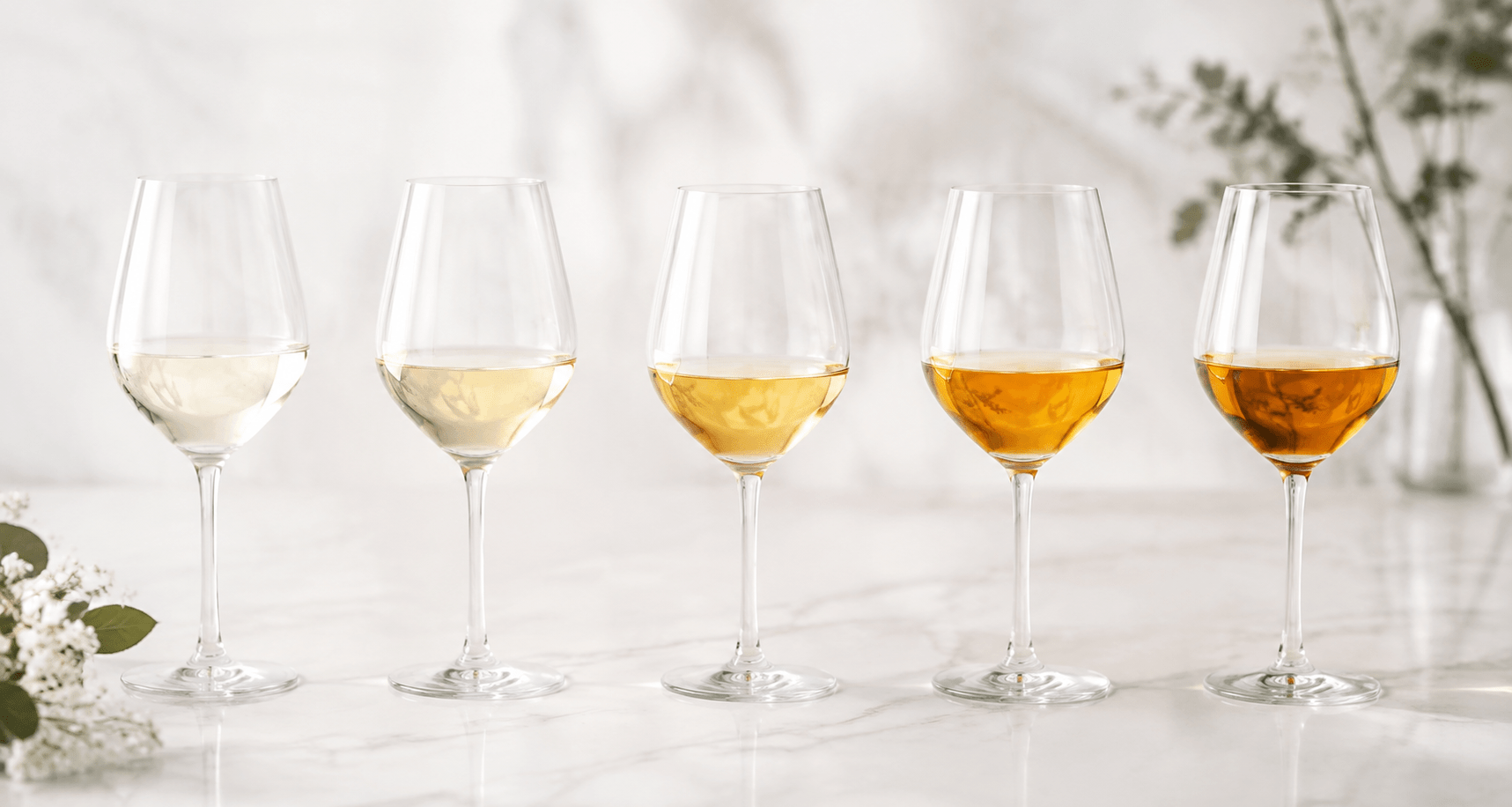
Natural wine is a style and philosophy rather than a strict legal category. The core idea is nothing added, nothing taken away. Most producers follow a similar set of practices: grapes are farmed organically or biodynamically, picked by hand, and fermented with the wild yeasts that live on the grape skins and in the cellar. Winemakers skip the usual toolkit of commercial yeast, added acid or sugar, oak chips, and heavy filtration. Most add little or no sulfur dioxide, the preservative used in nearly all conventional wine. Because natural wine is not defined in law in most countries, two bottles with the same label claim can be made quite differently. France created a voluntary natural-wine certification in recent years, but most bottles carry no official seal at all.
It starts in the vineyard. Natural winemakers avoid synthetic pesticides and herbicides, often following organic or biodynamic methods, because healthy grapes carry the healthy native yeast needed for fermentation. In the cellar, crushed grapes or juice ferment spontaneously, without added yeast. That can take longer and be less predictable. Many producers use whole-bunch fermentation for reds or extended skin contact for whites, which creates orange wine. The wine is typically not fined (clarified with agents like egg white or bentonite clay) and not filtered, so it may contain fine sediment. Finally, it is bottled with little or no added sulfites. Without that protection, the wine relies on clean cellar work and careful storage to stay fresh.
Natural wine can taste just like conventional wine, or very different. Many are bright, juicy, and lower in alcohol, with vivid fruit that seems fresher and less polished. Light reds are often called glou-glou, French slang for easy-gulping wines that drink well slightly chilled. Others are savory and tangy, with notes of cider, sourdough, kombucha, or dried herbs. Some show a hint of fizz from leftover CO2. A few natural wines also have faults that fans tolerate and others dislike, such as a vinegary edge from volatile acidity, a barnyard smell from Brett yeast, or a mousy aftertaste that lingers like a cracker. Good producers keep those under control. If a wine tastes clean, lively, and delicious to you, it is doing its job.
France is the heart of the movement. The Beaujolais region inspired many early natural winemakers with juicy, whole-cluster Gamay. The Loire Valley is known for natural Chenin Blanc and Cabernet Franc, and the Jura for oxidative whites and light reds. Georgia’s Kakheti region has made amber wine in clay qvevri vessels for thousands of years. Italy, Spain, Austria, Australia, and California all have growing natural scenes. Styles to look for include pét-nat, a gently fizzy sparkling wine bottled mid-fermentation; orange wine, skin-contact whites; and light, chillable reds made with carbonic maceration. Natural rosé and blends of red and white grapes are also common.
Because there is no universal label, natural wine is easiest to find through a knowledgeable shop or wine bar. Ask staff for low-intervention wine, and say what you usually like. If you enjoy fruity Pinot Noir, ask for a natural Gamay; if you like crisp whites, ask for a clean natural Chenin Blanc. Back labels sometimes list words like wild yeast, native yeast, unfined, unfiltered, or no added sulfites. Certified organic or biodynamic logos are a good start, though not every natural producer certifies. Expect prices to start somewhat above everyday supermarket wine because yields are small and work is done by hand. Start with fresher, cleaner styles before diving into funky skin-contact wines, so you can tell which flavors you actually enjoy.
Store natural wine somewhere cool and dark, ideally around 55°F. With little or no added sulfites, it is more sensitive to heat than conventional wine, and a warm car or sunny shelf can spoil it fast. Chill natural whites, orange wines, and pét-nats to about 45–50°F. Many natural reds taste best slightly cool, around 55–60°F. If a bottle smells odd right after opening, give it a few minutes or a quick swirl; reductive aromas like struck match often blow off. Stand bottles upright for a while if there is sediment, or simply enjoy the haze. Once opened, natural wine can change quickly, sometimes for the better on day two, sometimes not. Recork and refrigerate. See our wine storage guide.
| Style | What It Is | What to Expect |
|---|---|---|
| Pét-nat | Wine bottled before fermentation ends | Light fizz, cloudy, fruity and fun |
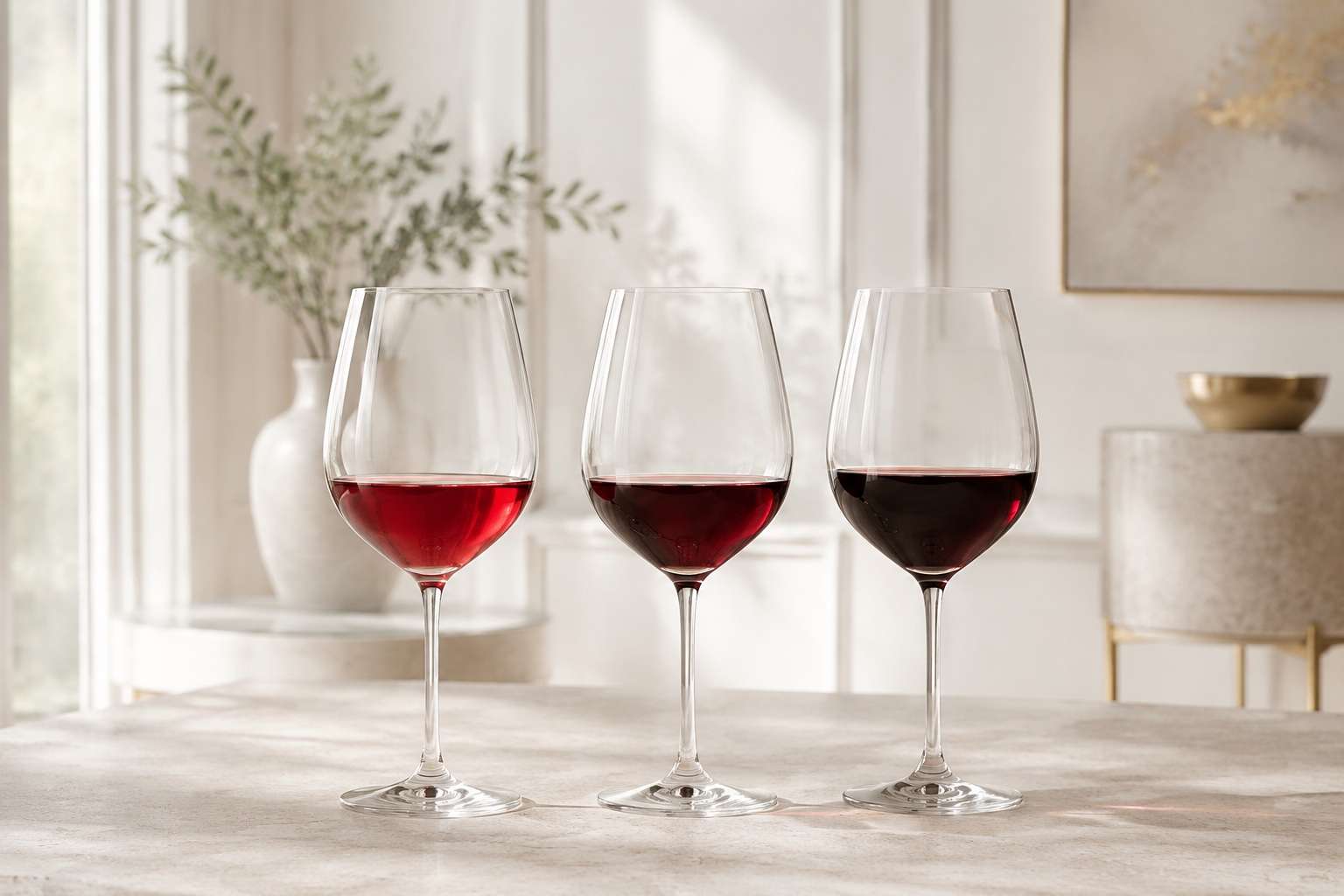
| Glou-glou red | Light, juicy red, often Gamay | Chillable, low tannin, bright berries |
| Orange or amber wine | White grapes fermented on skins | Amber color, tannin, nutty and tea-like |
| Natural white | Unfiltered white, native yeast | Fresh, tangy, sometimes slightly hazy |
| Natural rosé | Short skin contact, no additives | Crunchy red fruit, savory edge |
Low-sulfite wines spoil faster in heat. Store below 65°F and away from sunlight.
Odd smells right after opening a natural wine often fade after a few minutes of swirling.
Natural wine bars and small shops can steer you to clean, approachable bottles.
Learn Your Taste
Answer a few simple questions and discover styles that fit your palate.
Take the Wine QuizNo. Organic wine is defined by farming rules and, in some countries, limits on additives. Natural wine usually starts with organic grapes but goes further, using wild yeast and little or no added sulfites, with no filtering or other cellar adjustments.
Yes, a little. Fermentation naturally produces small amounts of sulfites, so no wine is completely sulfite-free. Most natural winemakers add none or only a tiny amount at bottling, far less than many conventional wines.
Natural wine is usually unfined and unfiltered, so tiny particles of yeast and grape solids stay in the bottle. That haze is harmless. Some natural wines are perfectly clear, depending on how long they settle before bottling.
There is no good evidence that it does. Hangovers are mostly linked to how much alcohol you drink, along with hydration and other factors. Lower-alcohol natural wines may help simply by containing less alcohol. Talk to a doctor about health concerns.
Wild yeast, minimal sulfites, and no filtering let more unusual flavors through, such as cider, sourdough, or barnyard notes. Some come from deliberate styles like skin contact, while others are mild faults. Many natural wines taste clean and fruity.
Unopened, many natural wines are best within a few years, though some age well. Opened, most last two to four days in the fridge. With little added sulfite, they can change faster than conventional wine once exposed to air.