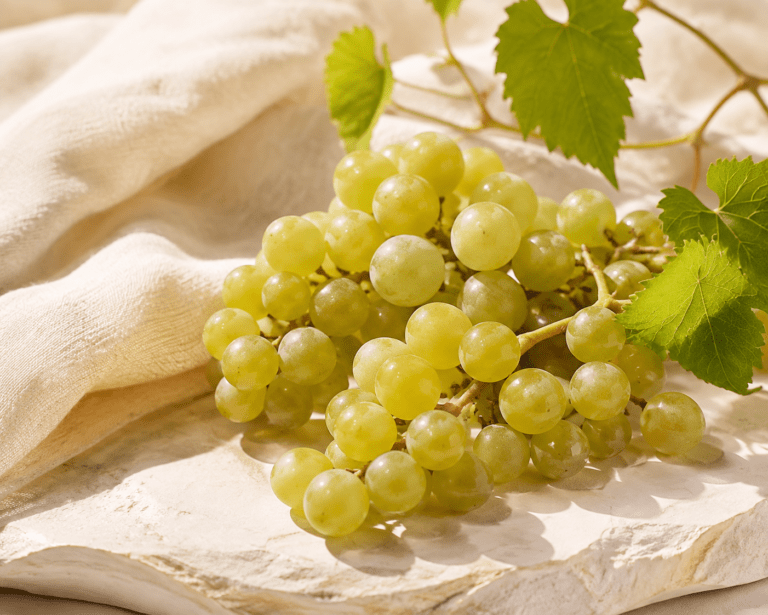
Serve It Ice-Cold
Chill Moscato to 40–45°F so the sweetness stays crisp and refreshing.

Understand Wine. Enjoy Every Glass.
Grape Varieties
Moscato is the sweet, fragrant, gently fizzy wine that tastes like fresh peaches and flowers. Here is what it is, the main styles, and how to serve it.
Start Learning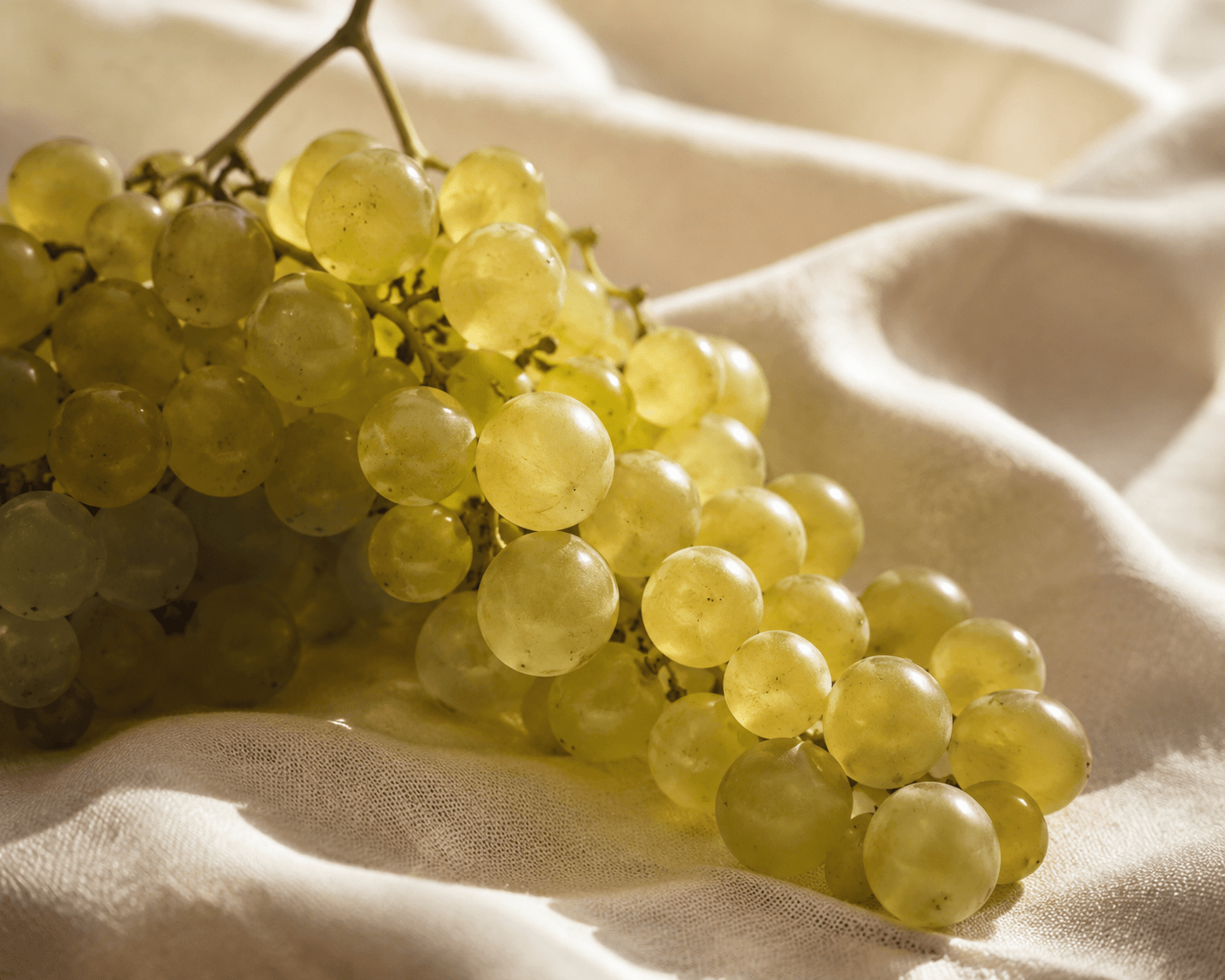
Moscato wine is one of the most aromatic wines you can buy. Swirl a glass and you will smell ripe peach, apricot, mandarin orange, pear, and fresh green grapes, along with orange blossom, honeysuckle, and rose. It is one of the few wines that tastes like the grapes it is made from. On the palate, most Moscato is sweet and light-bodied, with low to moderate acidity and very little alcohol. The classic Italian versions are frizzante, meaning gently fizzy, which adds a lively, tingling feel that keeps the sweetness from feeling heavy. Good Moscato balances sugar with freshness so it tastes juicy rather than syrupy. Cheap versions can lean sugary and flat, so freshness is the mark of a quality bottle.
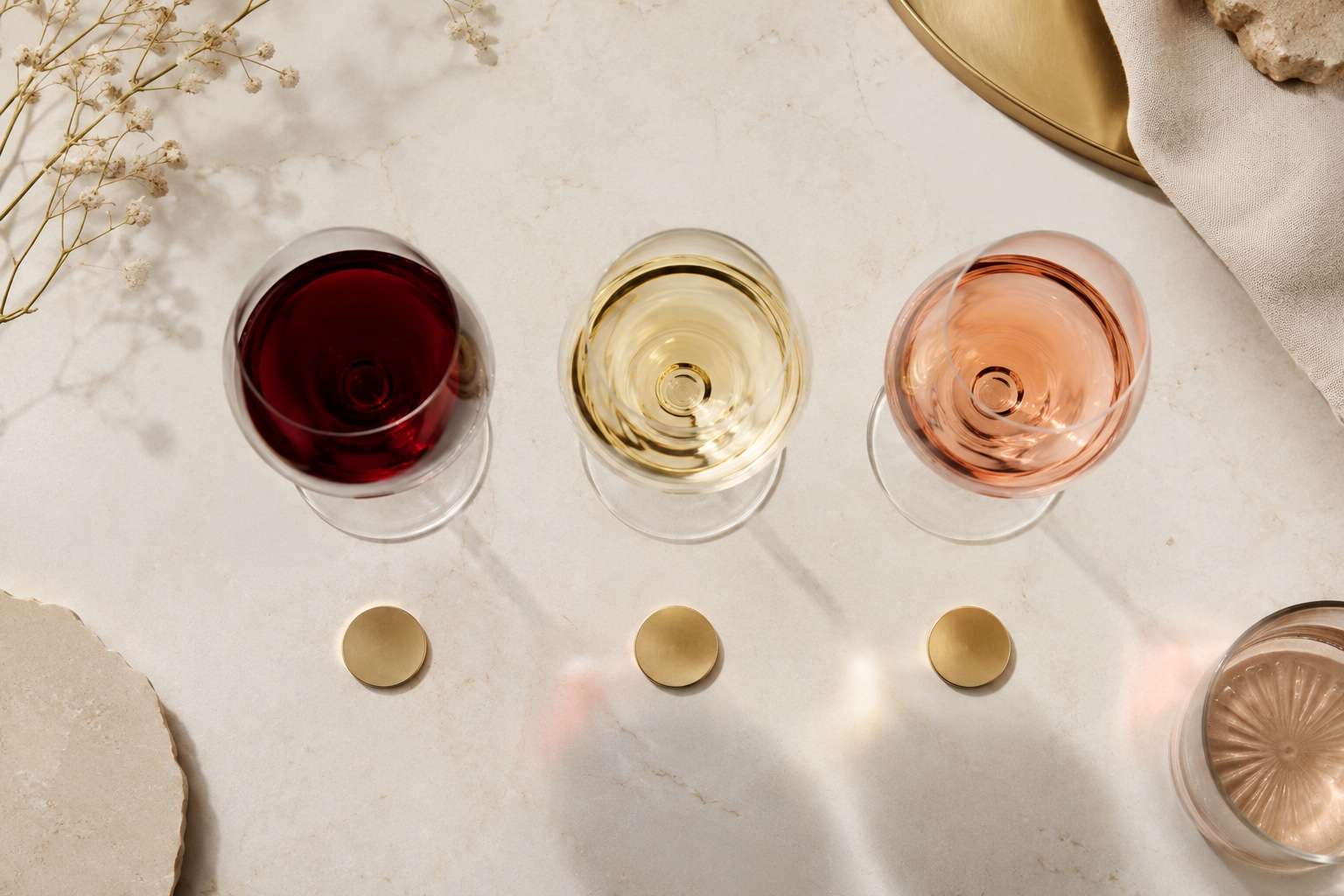
Moscato is the Italian name for the Muscat family of grapes, one of the oldest groups of wine grapes in the world. The finest Moscato comes from Muscat Blanc à Petits Grains, called Moscato Bianco in Italy. Its small berries are packed with floral aroma. Other members of the family include Muscat of Alexandria, widely grown in Spain, Portugal, and Australia, and red-skinned varieties used for pink and red Muscat. The same grapes make very different wines around the world: dry, perfumed Muscat in Alsace; sweet, fortified Muscat de Beaumes-de-Venise in the southern Rhône; Moscatel in Spain and Portugal; and dark, syrupy fortified Muscat from Rutherglen in Australia. On most American shelves, though, Moscato means the light, sweet Italian style.

The benchmark is Moscato d’Asti, from the hills of Piedmont in northwest Italy. It is frizzante, sweet, and only about 5–5.5% alcohol, because fermentation is stopped early to keep natural grape sugar. Asti, sometimes called Asti Spumante, is its fully sparkling sibling, with stronger bubbles and slightly more alcohol. Pink Moscato is usually Moscato blended with a small amount of red wine for color and berry flavor; Italy’s Moscato Rosa is a rarer, true pink Muscat grape. Still Moscato, common from California and Australia, has no bubbles and tastes like peach juice for grown-ups. Finally, fortified Muscats are richer, stronger dessert wines meant for small pours.
Serve Moscato well chilled, at 40–45°F. Cold temperatures keep the sweetness bright and the bubbles fresh. Two to three hours in the refrigerator does the job, or 20 minutes in an ice bucket filled with ice and water. Use a white wine glass or a tulip-shaped flute rather than a wide coupe, so the floral aromas stay concentrated. Open frizzante Moscato carefully: many bottles use a mushroom cork held by a wire cage, but the pressure is much lower than Champagne, so it rarely pops hard. Moscato is meant to be drunk young, ideally within a year or two of the vintage, while its aromas are vivid. Once opened, a sparkling stopper keeps it fizzy for a day or two in the fridge.
Moscato wine is a natural with fruit-based desserts. Try it with peach cobbler, fruit tarts, lemon cake, or strawberries with cream. A good rule is that the wine should be at least as sweet as the dessert, so skip very rich chocolate cakes, which make Moscato taste thin. Its low alcohol and sweetness also make it a smart match for spicy food. Sugar cools chili heat, while high-alcohol wines make it burn. Thai curries, spicy Sichuan dishes, and Indian food all work. At brunch, pour it with pancakes, fruit salad, and French toast. For a simple snack, pair Moscato with soft cheeses, prosciutto and melon, or salted nuts.
For the classic style, look for Moscato d’Asti DOCG on the label; it is usually the freshest and most balanced. Check the vintage and choose the most recent one available. Most good bottles are affordable, often under $20. Pink and still Moscato are fun and fruity, but quality varies, so pick a fresh vintage. If you enjoy Moscato, try off-dry Riesling for a similar fruity sweetness with more acidity. Torrontés from Argentina has Moscato’s floral perfume but is usually dry. Brachetto d’Acqui, a sweet, fizzy red from Piedmont, is a great red-wine cousin. Since Moscato is so light, it also fits nicely into a low-alcohol wine routine.
| Style | Sweetness and Fizz | What to Expect |
|---|---|---|
| Moscato d'Asti | Sweet, gently fizzy | Peach, orange blossom; around 5–5.5% alcohol |
| Asti (Asti Spumante) | Sweet, fully sparkling | Stronger bubbles, ripe pear and honey |
| Pink Moscato | Sweet, often fizzy | Strawberry and peach; usually blended with red wine |
| Still Moscato | Sweet, no bubbles | Juicy peach and apricot, very easy drinking |
| Dry Muscat, Alsace | Dry, still | Floral and grapey but crisp and savory |
| Fortified Muscat | Very sweet, strong | Raisin, toffee, honey; serve in small pours |
Chill Moscato to 40–45°F so the sweetness stays crisp and refreshing.
Moscato's peach and orange-blossom aromas fade fast, so the freshest bottle is usually best.
Pick desserts that are no sweeter than the wine, like fruit tarts or cobbler.
Learn Your Taste
Answer a few simple questions and discover styles that fit your palate.
Take the Wine QuizFruit desserts are Moscato's best match: peach cobbler, fruit tarts, berries, and panna cotta. Its sweetness also balances spicy Thai or Indian dishes, and its low alcohol suits brunch. Pick desserts no sweeter than the wine, or the Moscato will taste thin.
Moscato d'Asti usually has about 5–5.5% alcohol, roughly half a typical table wine. Still and pink Moscato often fall around 7–10%. Fortified Muscats are much stronger, typically 15% or more.
Often, but not always. Moscato d'Asti is gently fizzy, Asti is fully sparkling, and many pink Moscatos have light bubbles. Still Moscato, common from California and Australia, has no bubbles at all.
Moscato is usually sweeter. Most Moscato is made in a sweet style, while Riesling ranges from bone dry to very sweet. Riesling also has noticeably higher acidity, so even sweet versions taste crisper.
Unopened Moscato is best within one to two years of the vintage, as its fresh aromas fade. Once opened, recork it and keep it in the fridge; it stays pleasant for two to three days, though bubbles soften.
Moscato is sweet, low in alcohol, and intensely fruity and floral. Prosecco is usually dry or off-dry, around 11% alcohol, with lighter green apple and pear flavors. Both are Italian, but Prosecco is made from the Glera grape.