Cellar Hunter Valley Sémillon
Good Sémillon gains honey and toast with age. Tuck a few bottles away for years.

Understand Wine. Enjoy Every Glass.
Grape Varieties
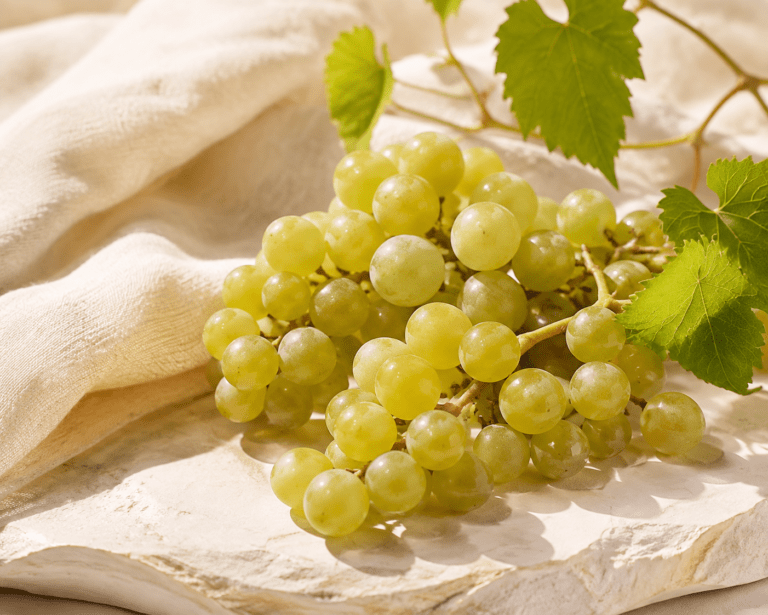
Sémillon is the quiet star behind white Bordeaux, sweet Sauternes, and Australia's age-worthy Hunter Valley whites. Here is how it tastes and how to enjoy it.
Start Learning
Sémillon wine is less aromatic than many whites, so texture matters as much as flavor. Young Sémillon tastes of lemon, lime, green apple, pear, and sometimes green fig or fresh-cut grass. The texture is distinctive: waxy and slightly oily, with a lanolin or beeswax note. Acidity is moderate, and body ranges from light in early-picked styles to full and round in riper, oaked versions. The magic happens with age. Over several years, good Sémillon turns golden and develops honey, toast, toasted nuts, and lanolin, even without oak. That transformation is why the grape has such a devoted following. In sweet wines, Sémillon becomes rich and luscious, with apricot, marmalade, honey, and saffron.
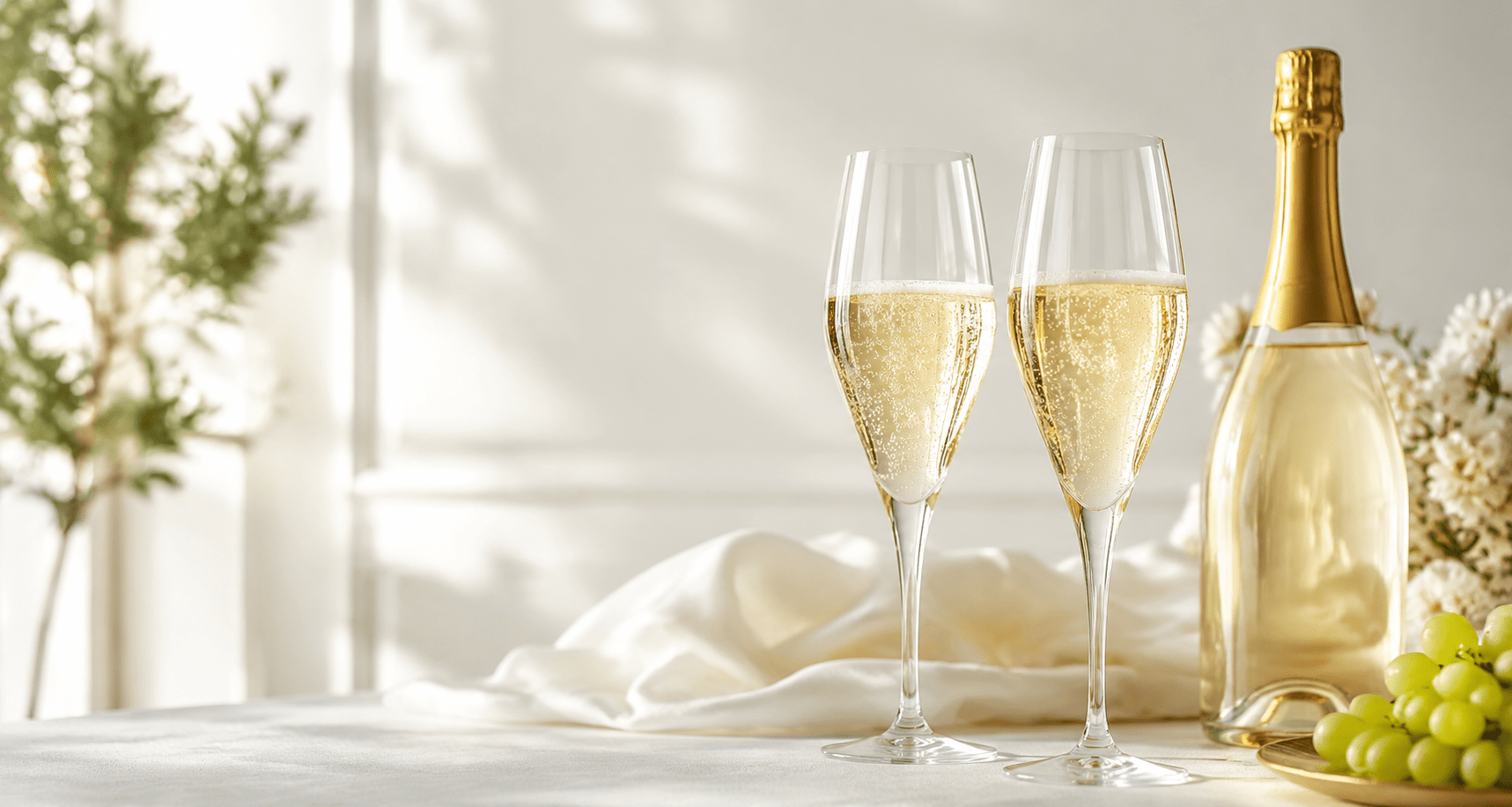
Bordeaux is Sémillon’s classic home. Dry white Bordeaux usually blends it with Sauvignon Blanc. Sauvignon brings zesty acidity and herbal aromas, while Sémillon adds body, texture, and the ability to age. The top dry whites come from Pessac-Léognan and Graves, often barrel-fermented for richness, while Entre-Deux-Mers makes crisp, affordable versions. Sémillon’s most famous role is in Sauternes and neighboring Barsac. There, autumn mists encourage botrytis, or noble rot, a beneficial fungus that shrivels the grapes and concentrates their sugar. The result is one of the world’s great dessert wines: golden, honeyed, and balanced by fresh acidity. Sémillon’s thin skins make it especially susceptible to noble rot, which is why it dominates these blends.
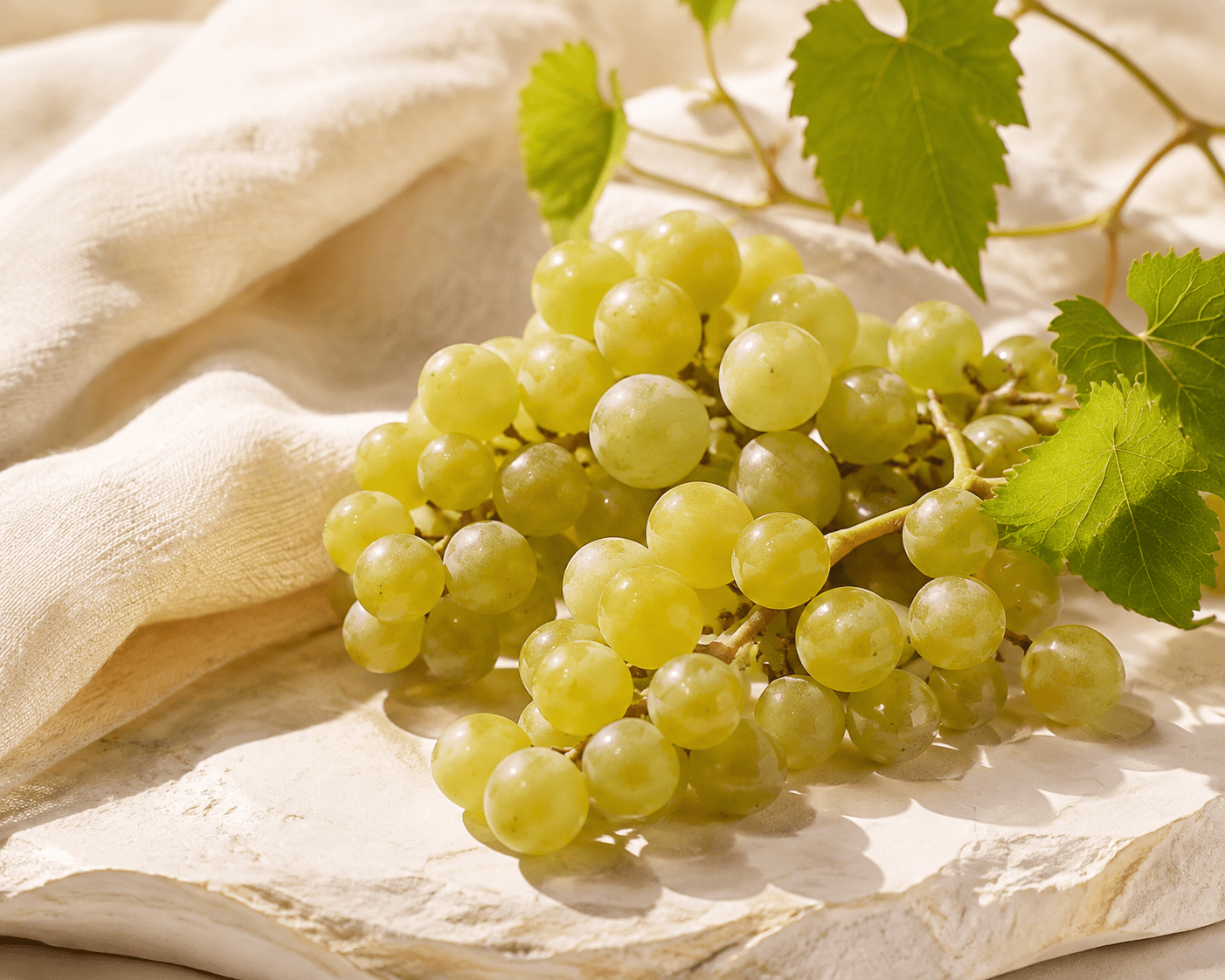
Australia’s Hunter Valley, north of Sydney, makes a completely different and unique style. Growers pick Sémillon early to keep acidity high in the warm, humid climate. The wines are low in alcohol, often around 10% to 11.5%, unoaked, and taste lean and lemony when young. With five to ten years or more in the bottle, they transform into toasty, honeyed wines that taste as if they were oaked — even though they never saw a barrel. In Western Australia’s Margaret River, Sémillon is blended with Sauvignon Blanc into fresh, zesty whites. Washington State, South Africa, Chile, and Argentina also grow Sémillon, often in Bordeaux-style blends.
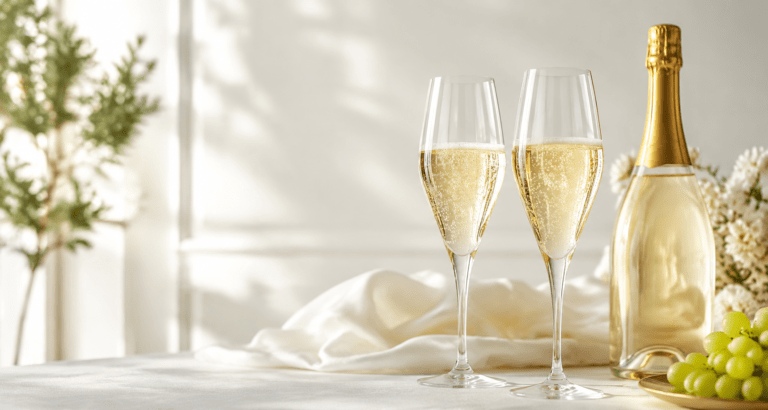
Serve dry Sémillon at 48–52°F. Young, lean Hunter Valley styles can go a little colder, while oak-aged white Bordeaux and mature Sémillon show best slightly warmer, closer to 55°F. Sweet Sauternes should be served cooler, around 45–50°F, in smaller glasses or pours, since it is rich and intense. A standard white wine glass with a medium bowl suits dry styles. Sémillon does not need decanting, though mature bottles can benefit from a few minutes in the glass. If you have patience, Sémillon is one of the best whites for cellaring; see our wine cellar basics for storage tips. Opened Sauternes keeps for a week or more in the fridge.
Sémillon wine’s waxy texture and gentle citrus make it a natural with rich seafood. Try young dry Sémillon with crab, lobster, scallops, and fish in beurre blanc. Oaked white Bordeaux works well with roast chicken, pork tenderloin, veal, and creamy pasta. Lean, young Hunter Valley Sémillon pairs with oysters, sashimi, and salads with citrus dressing, while aged Hunter Sémillon suits richer dishes like roast chicken with herbs. Sauternes is a classic with foie gras and with salty blue cheese like Roquefort, where sweet meets salty. It is also lovely with fruit tarts, crème brûlée, and almond desserts. Avoid very spicy food with dry Sémillon, which can make it taste flat.
For a dry, food-friendly white, look for white Bordeaux, Graves, or Pessac-Léognan; Entre-Deux-Mers is the budget pick. For Australia’s unique style, choose Hunter Valley Sémillon and consider buying a few bottles to age. For dessert, Sauternes and Barsac are the classics, while nearby Monbazillac, Loupiac, and Cadillac offer similar sweet wines at lower prices. If you enjoy Sémillon, try Chenin Blanc for similar waxy texture and aging potential with more acidity. Chardonnay offers a richer, creamier option. Marsanne from the Rhône shares Sémillon’s waxy, nutty, age-worthy character.
| Region or Style | Style | What to Expect |
|---|---|---|
| Pessac-Léognan and Graves | Dry blend, often oaked | Lemon, wax, toast; rich and age-worthy |
| Entre-Deux-Mers | Dry, unoaked blend | Crisp citrus and grass, easy and affordable |
| Sauternes and Barsac | Sweet, noble-rot | Honey, apricot, marmalade, saffron |
| Hunter Valley, young | Dry, low alcohol | Lean lemon and lime, light body |
| Hunter Valley, aged | Dry, matured in bottle | Toast, honey, nuts without any oak |
| Margaret River | Blend with Sauvignon Blanc | Fresh, zesty, citrus and herbs |
Good Sémillon gains honey and toast with age. Tuck a few bottles away for years.
A Sauvignon Blanc–Sémillon blend is the easiest way to taste the grape.
Pair Sauternes with blue cheese for a classic sweet-and-salty match.
Learn Your Taste
Answer a few simple questions and discover styles that fit your palate.
Take the Wine QuizBoth. Dry Sémillon is common in white Bordeaux and Australia's Hunter Valley. Sémillon is also the main grape in Sauternes and Barsac, famous sweet wines made from grapes concentrated by noble rot. Check the region on the label.
Say it seh-mee-YAWN in French. In Australia, many people say SEM-ill-on. Both are understood, so use whichever feels natural when ordering at a restaurant or wine shop.
Sauternes is a sweet white wine from Bordeaux, made mostly from Sémillon with some Sauvignon Blanc. Autumn mists encourage noble rot, which concentrates the grapes' sugar and flavor into a rich, honeyed dessert wine.
They are often blended but taste different. Sauvignon Blanc is zesty, aromatic, and herbal. Sémillon is rounder, waxier, and less aromatic, adding body and aging potential. Together they make classic white Bordeaux.
As this early-picked, unoaked wine ages in bottle, natural chemical changes create toast, honey, and nutty flavors. The wine can taste as if it were aged in oak, even though it never touched a barrel.
Dry Sémillon pairs well with crab, lobster, scallops, roast chicken, and creamy fish dishes. Sweet Sauternes matches foie gras, blue cheese, fruit tarts, and crème brûlée.