Taste Coast to Inland
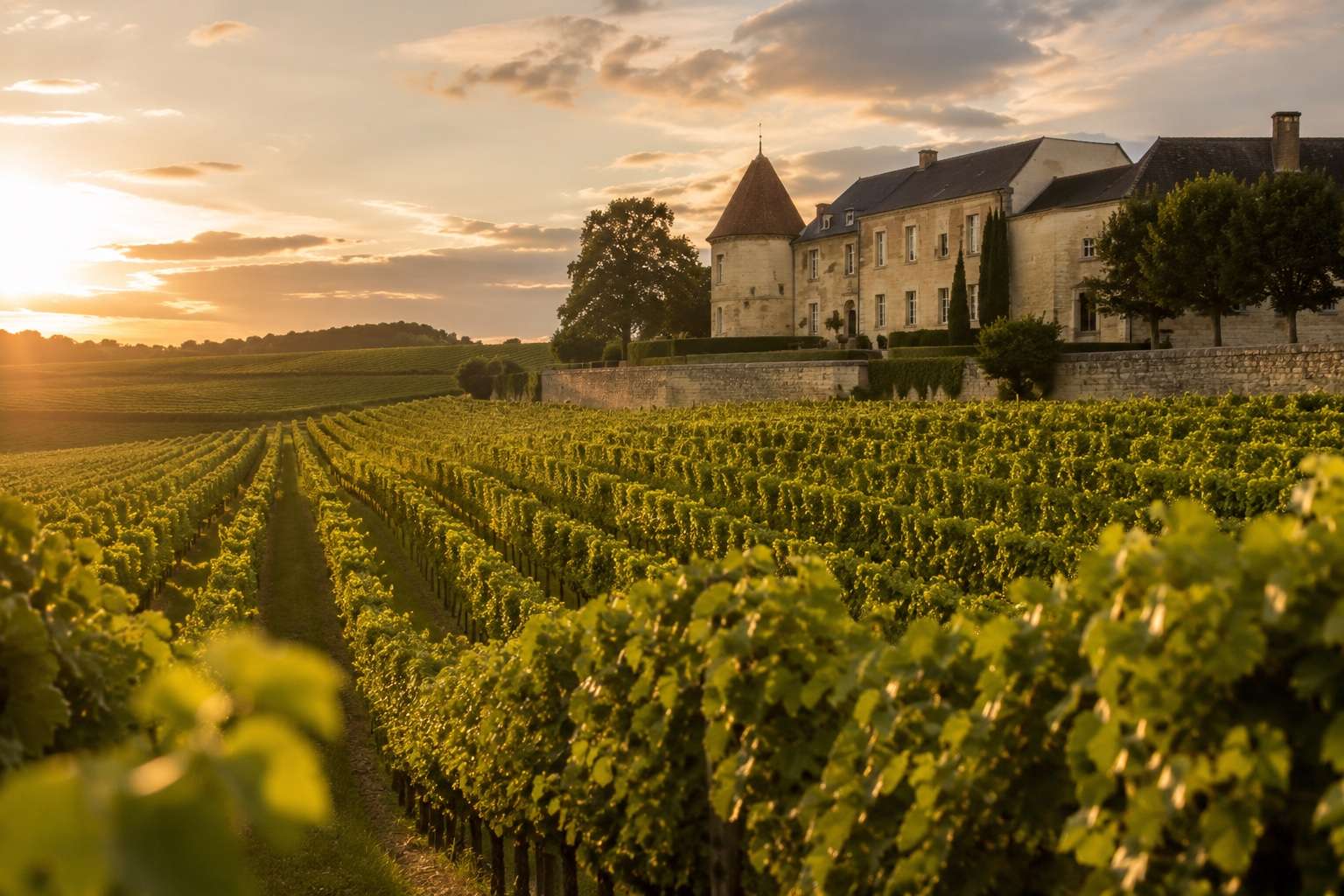
Try wines from west to east to taste how vineyards warm up away from the ocean.

Understand Wine. Enjoy Every Glass.
Wine Regions
Santa Barbara County's valleys open straight to the Pacific, which makes it one of California's coolest and most surprising wine regions. Here is what grows where.
Start Learning
Santa Barbara County sits on California’s Central Coast, about 90 minutes to two hours northwest of Los Angeles, depending on traffic. Its secret is geography. Most of California’s coastal mountains run north to south, blocking the ocean. Here, the Transverse Ranges run east to west, so the valleys open directly onto the Pacific like funnels. Every afternoon, cold ocean air and fog pour inland. The rule is simple: the closer to the coast, the cooler the vineyard, and every few miles inland gets warmer. That creates a long, gentle growing season, with grapes often harvested later than in warmer regions, keeping acidity bright. Soils include sand, clay, limestone in places, and chalky diatomaceous earth in the Sta. Rita Hills. That range is why the county’s wines cover so many styles in a small area.
Pinot Noir is the region’s most famous grape. Santa Barbara Pinot is vibrant and fragrant, with red cherry, raspberry, pomegranate, and spice, plus a savory, herbal streak and lively acidity. Chardonnay from the cool western valleys is crisp and mineral, with lemon, green apple, and a subtle salty edge, sometimes with light oak. Warmer inland areas shine with Rhône grapes. Syrah here ranges from peppery and savory to lush and dark-fruited, and Grenache makes juicy, aromatic reds and rosés. In the warmest corner, Bordeaux grapes and Sauvignon Blanc ripen well. Santa Barbara Pinot Noir and Chardonnay are often compared to Burgundy for their freshness, while the Syrahs nod to the Rhône Valley.
Learn the AVAs from cool to warm. The Sta. Rita Hills, at the western end of the Santa Ynez Valley, is one of the coolest areas in California, prized for intense, high-acid Pinot Noir and Chardonnay; the abbreviated “Sta.” came from a naming dispute. The Santa Maria Valley, in the north of the county, is also cool and windy, making Pinot Noir, Chardonnay, and cool-climate Syrah. Inland, the broad Santa Ynez Valley AVA contains several smaller areas. Ballard Canyon is known especially for Syrah. The Los Olivos District grows a wide mix of Rhône and Bordeaux grapes. Happy Canyon of Santa Barbara, the warmest and farthest east, specializes in Cabernet Sauvignon, Merlot, Cabernet Franc, and Sauvignon Blanc. Alisos Canyon is a newer AVA focused on Rhône grapes.
Start with a Sta. Rita Hills Pinot Noir. It shows the region’s signature: bright red fruit, savory herbs, and juicy acidity, a little more intense than many Pinots from farther north. Next, pour a Santa Maria Valley Chardonnay to taste how cool coastal winds produce a crisp, mineral white. Then move inland and open a Ballard Canyon Syrah for dark fruit, black pepper, and smoky, savory depth. A Grenache or Rhône-style rosé makes a great warm-weather choice. Finally, try a Happy Canyon Sauvignon Blanc or Cabernet to see how quickly the style changes in a short drive. Many bottles are made in small amounts and often start around $25 to $45. To understand the two main reds side by side, read Pinot Noir vs Syrah, or head north to Paso Robles for warmer Rhône styles.
Santa Barbara’s wines are made for coastal California food. Bright Pinot Noir is perfect with salmon, seared tuna, roast chicken, mushroom dishes, and pork tenderloin. Crisp Chardonnay pairs with local spiny lobster, halibut, scallops, and fresh crab. The region’s famous Santa Maria-style barbecue, beef tri-tip grilled over red oak and served with pinquito beans and fresh salsa, calls for Syrah or Grenache; our guide to wine with BBQ covers other smoky dishes. Savory Syrah also loves lamb, duck, and grilled sausages. Sauvignon Blanc suits goat cheese, salads, and fish tacos, and rosé is ideal for picnics. Strawberries from the Santa Maria Valley are a sweet local treat. Serve Pinot Noir at 55–60°F and Syrah at 60–65°F.
You can taste without leaving the city of Santa Barbara, which has dozens of walkable tasting rooms near the beach and downtown. For vineyard scenery, head over the mountains to the Santa Ynez Valley, where the small town of Los Olivos is packed with tasting rooms, and nearby Solvang adds Danish-style bakeries and architecture. In Lompoc, near the Sta. Rita Hills, many small producers pour in a cluster of warehouse tasting rooms. Most rural wineries welcome visitors, though weekend reservations are wise. Spring and fall bring the best weather, and harvest typically runs from August into October. The area gained fame from the 2004 film Sideways, and it still draws Pinot Noir fans. Plan a designated driver for winding mountain roads. Farther south, Temecula Valley offers another warm-climate California wine trip.
| Grape or Style | Character | Try It With |
|---|---|---|
| Sta. Rita Hills Pinot Noir | Red cherry, pomegranate, herbs, high acid | Salmon or seared tuna |
| Santa Maria Valley Chardonnay | Lemon, green apple, crisp, mineral | Spiny lobster or halibut |
| Ballard Canyon Syrah | Blackberry, black pepper, smoky, savory | Tri-tip or grilled lamb |
| Grenache | Juicy raspberry, spice, medium body | Grilled sausages or roast chicken |
| Happy Canyon Sauvignon Blanc | Citrus, melon, fresh herbs | Goat cheese or fish tacos |
| Happy Canyon Cabernet blend | Ripe dark fruit, firm, warm | Steak or braised beef |
Try wines from west to east to taste how vineyards warm up away from the ocean.
Downtown Santa Barbara tasting rooms let you sample the region without driving.
Santa Maria-style barbecue and a peppery local Syrah is a classic Central Coast meal.
Learn Your Taste
Answer a few simple questions and discover styles that fit your palate.
Take the Wine QuizCool-climate Pinot Noir and Chardonnay, especially from the Sta. Rita Hills and Santa Maria Valley. Santa Barbara is also known for Syrah and Grenache from warmer inland areas like Ballard Canyon, plus Bordeaux-style reds and Sauvignon Blanc from Happy Canyon.
Its mountains run east to west instead of north to south, so the valleys open directly to the Pacific. Cool ocean air and fog flow inland every day, keeping coastal vineyards cool and making the climate warmer the farther inland you go.
The AVA was originally named Santa Rita Hills, but a dispute with a Chilean wine company over the Santa Rita name led to the abbreviated spelling Sta. Rita Hills. The area and its wines did not change.
Bright and vibrant, with red cherry, raspberry, pomegranate, and spice, plus savory herbal notes and lively acidity. Sta. Rita Hills versions are often intense and structured, while Santa Maria Valley Pinot can be a bit softer and more fragrant.
The city of Santa Barbara is usually about 90 minutes to two hours from Los Angeles by car, depending on traffic. The Santa Ynez Valley wineries are another 45 minutes or so over the mountains.
Yes. Santa Barbara is one of California's best regions for Syrah. Cooler sites give peppery, savory versions, while warmer inland areas like Ballard Canyon give richer, darker wines that still keep freshness.