
Pour Zinfandel in Smaller Glasses
Zinfandel can top 15% alcohol. Pour smaller glasses and serve it slightly cool.

Understand Wine. Enjoy Every Glass.
Wine Comparisons
Here is a wine riddle with a happy ending: Zinfandel and Primitivo are the same grape. What changes is the place, the winemaker, and the flavor in your glass.
Start Learning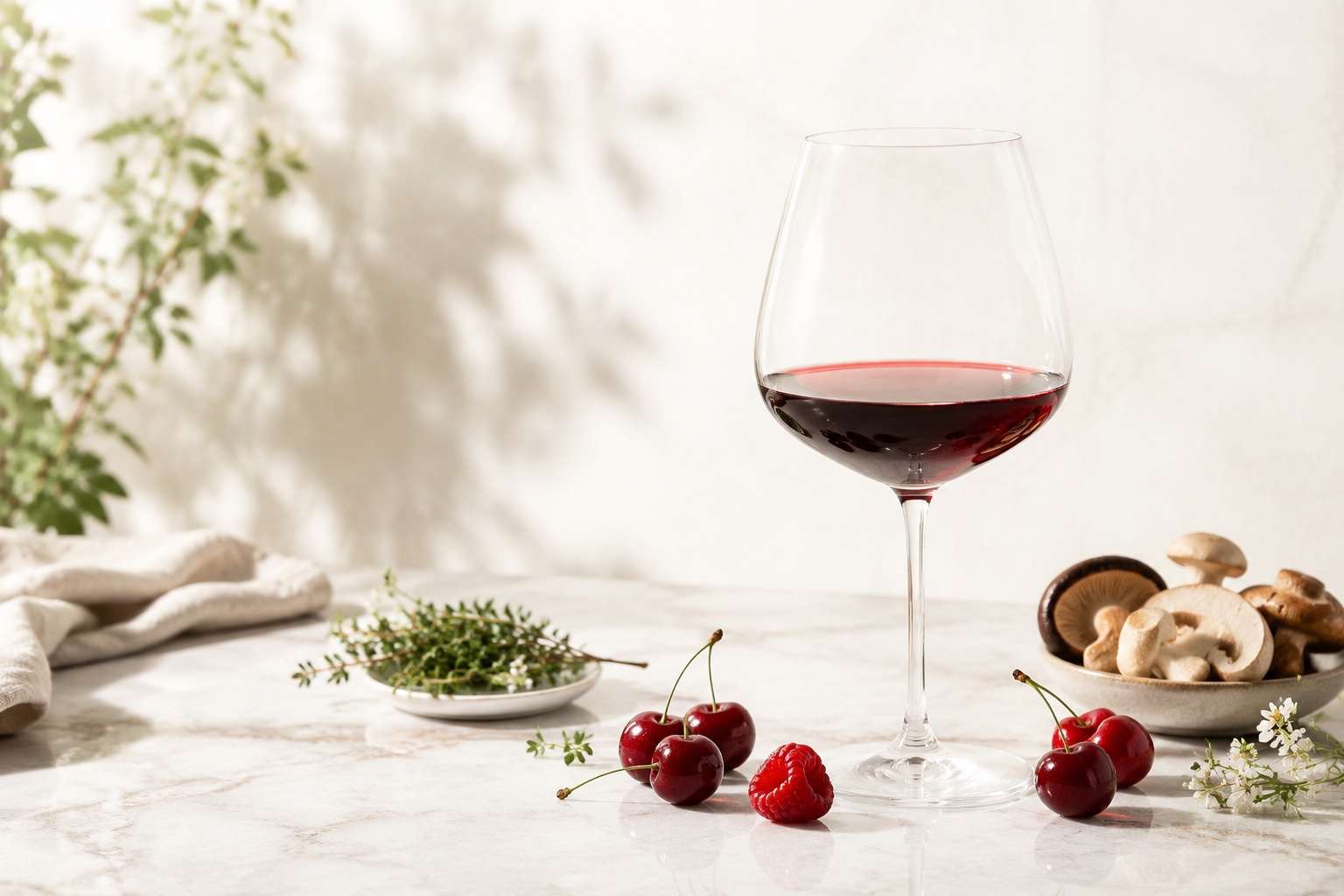
For years people suspected Zinfandel and Primitivo were related. DNA research in the 1990s and early 2000s settled it: they are clones of the same grape, and both trace back to an old Croatian variety known as Crljenak Kaštelanski or Tribidrag. The grape arrived in the United States in the nineteenth century and became a California favorite. It also reached Puglia, the hot heel of Italy’s boot, where it took the name Primitivo, from a word meaning early, because it ripens ahead of many other grapes. Think of the two names like a person speaking with two accents. The grape is identical, but California’s sunshine and winemaking traditions shape it differently from Puglia’s Mediterranean heat, local soils, and Italian food culture. That is why the wines taste related but distinct.
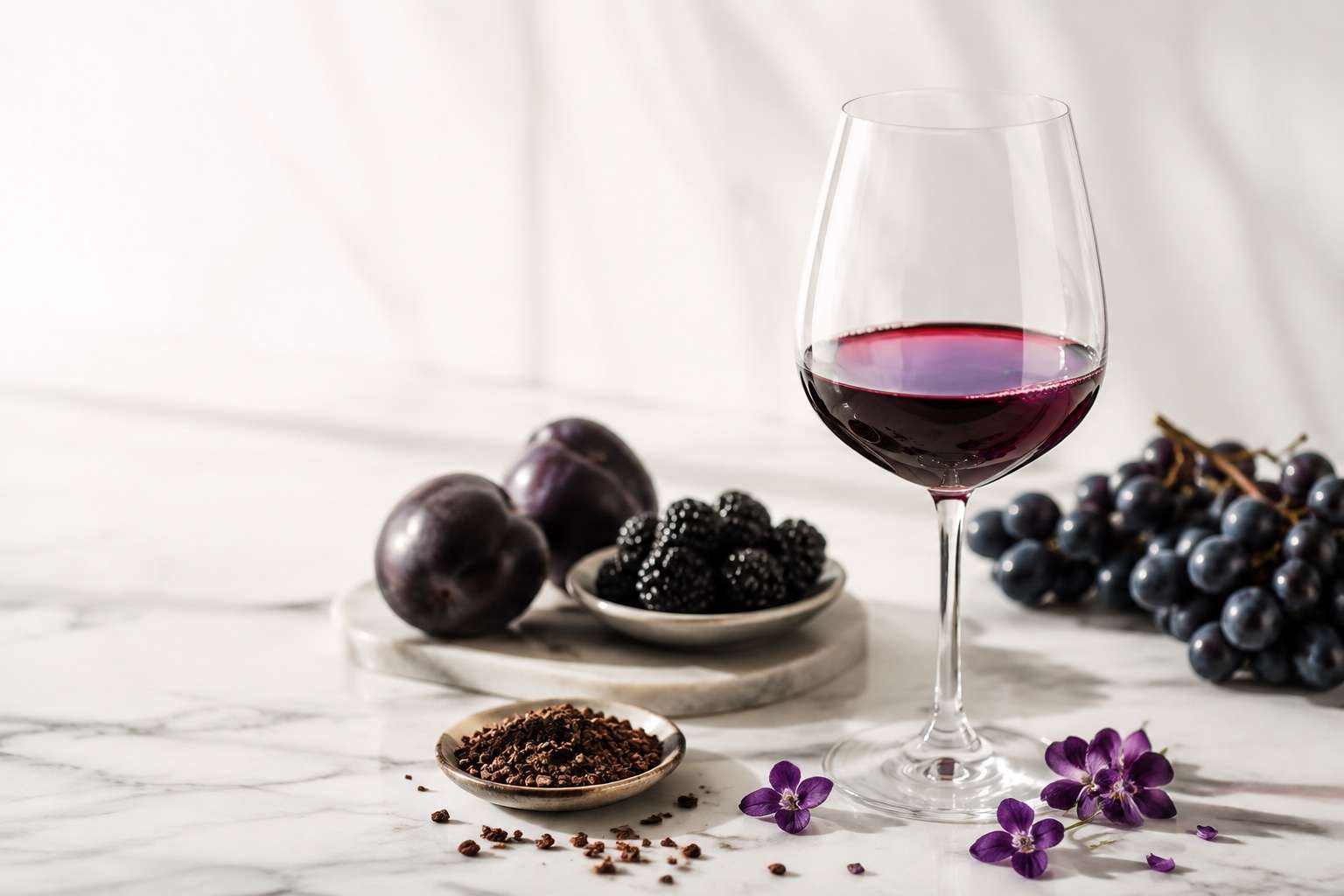
Classic California Zinfandel is big and fruit-driven. Expect blackberry, raspberry jam, black cherry, and baking spice, with a signature kick of black pepper. Body is medium to full, tannins are moderate, and alcohol is often high, sometimes 15 percent or more, which can give a warm, almost sweet impression even when the wine is dry. American oak often adds vanilla and sweet spice. Primitivo usually feels a little more rustic and savory. You still get ripe plum and dark cherry, but also dried fig, licorice, dried herbs, and an earthy, dusty note. Tannins are soft, acidity is moderate, and alcohol is typically a notch lower, though warm-vintage Primitivo can be just as strong. Both grapes ripen unevenly in the bunch, so some berries shrivel toward raisins while others are still fresh, adding a jammy, dried-fruit character to both.
Zinfandel is grown all over California and many vines are very old; bottles labeled old vine often come from vineyards planted generations ago. Lodi, in the Central Valley, is famous for ripe, plush, affordable Zinfandel. Sonoma County’s Dry Creek Valley gives brambly, peppery, balanced examples. Paso Robles makes rich, high-octane styles, and the Sierra Foothills, including Amador County, offer rustic, spicy versions. Primitivo is mostly grown in Puglia. The two names to know are Primitivo di Manduria, near the coast in the south, which makes powerful, ripe reds, and Gioia del Colle, a higher inland area that gives somewhat fresher wines. Most everyday Primitivo is labeled Puglia IGT or Salento IGT. Primitivo di Manduria also has a sweet version, Dolce Naturale, made from late-harvested grapes.
Zinfandel’s jammy fruit and pepper make it the ultimate barbecue wine. It handles sweet, smoky sauces on pulled pork, ribs, and brisket that would make a more delicate red taste thin. It is also great with burgers, sausages, chili, and spice-rubbed chicken. Because it is high in alcohol, avoid very spicy food, where alcohol amplifies the burn. Primitivo is built for Italian cooking. Its earthy fruit and soft tannins suit pasta with tomato-based ragù, sausage and peppers, eggplant parmigiana, grilled lamb, and aged cheeses like pecorino. It is also an excellent pizza wine, especially with sausage or spicy salami. Either one works with a juicy burger. As a rule of thumb, match Zinfandel to sweet-and-smoky American food and Primitivo to savory, herb-and-tomato Mediterranean dishes.
Both grapes are wallet-friendly. Primitivo is one of Italy’s great bargains: plenty of soft, flavorful bottles sell for around $10 to $18, and even well-regarded Primitivo di Manduria rarely gets expensive. That makes it an easy choice for a crowd or a weeknight pasta. California Zinfandel spans a wider range. Simple, fruity Zinfandel from Lodi or the Central Coast is often under $20, while single-vineyard old-vine Zinfandel from Sonoma, Paso Robles, or Napa can cost $30 to $50 or more. If you want the biggest flavor for the money, try a Lodi Zinfandel or a Primitivo from Salento. One caution: White Zinfandel is a completely different style, a pale, sweet pink wine made from the same grape. Our Rosé vs White Zinfandel page explains that difference.
Choose Zinfandel when you want bold, juicy, fruit-forward red with a peppery kick, especially for a cookout or anything slathered in barbecue sauce. Fans of Shiraz or ripe Malbec usually love it. Choose Primitivo when you want a softer, earthier red for Italian dinners or a great-value bottle for everyday drinking. If you like Zinfandel but find it too hot or jammy, Primitivo is a gentle step toward savory. Serve both slightly cool, around 60 to 65°F; warm temperatures exaggerate the alcohol in high-octane Zinfandel. A short time in a decanter helps young, powerful bottles open up. For another useful comparison, see Cabernet Sauvignon vs Zinfandel, which shows how Zin’s softer tannins and spicier fruit differ from Cabernet’s firm structure.
| Attribute | Zinfandel | Primitivo |
|---|---|---|
| Grape | Same variety, of Croatian origin | Same variety, of Croatian origin |
| Main region | California: Lodi, Sonoma, Paso Robles, Amador | Puglia, Italy: Manduria, Gioia del Colle, Salento |
| Flavor | Blackberry, raspberry jam, black pepper, vanilla | Plum, dried cherry, fig, herbs, earth |
| Body and alcohol | Medium to full; often 14.5–16% | Medium to full; often slightly lower |
| Tannin | Moderate | Soft |
| Best food | Barbecue ribs, pulled pork, burgers | Pasta with ragù, pizza, sausage and peppers |
Zinfandel can top 15% alcohol. Pour smaller glasses and serve it slightly cool.
Lodi old-vine Zinfandel offers rich, concentrated flavor at friendly prices.
Primitivo di Manduria on the label signals a ripe, powerful Puglian classic.
Learn Your Taste
Answer a few simple questions and discover styles that fit your palate.
Take the Wine QuizThrough DNA testing. In the 1990s and early 2000s, researchers matched Zinfandel and Primitivo to each other and then traced both to an old Croatian grape, known as Crljenak Kaštelanski or Tribidrag. That means the two are clones of a single variety with roots on the Dalmatian coast.
Most Primitivo is dry, though its ripe plum and fig flavors can taste lush. A sweet style called Primitivo di Manduria Dolce Naturale is made from late-harvested grapes and labeled clearly, so you will know when you have one.
Zinfandel is a red grape, and most Zinfandel sold as Zinfandel is a bold red wine. White Zinfandel is a pale, sweet pink wine made from the same grape with very little skin contact.
California Zinfandel is often slightly stronger, commonly 14.5 to 16 percent alcohol. Primitivo is frequently a bit lower, though ripe examples from Manduria can be just as high. Check the label, since both can be powerful.
Primitivo tastes of ripe plum, dark cherry, and dried fig, with hints of licorice, dried herbs, and earth. It has soft tannins and a smooth, round texture that makes it easy to drink young.
Often, yes. Primitivo's softer, earthier fruit and Italian acidity suit tomato sauce, sausage, and cured meats on pizza. Zinfandel works too, especially with barbecue chicken or spicy pepperoni pizza, but its jammy fruit and higher alcohol can overwhelm a simple Margherita.

