Start With the Food
Match the wine's weight to the dish: light with light, rich with rich.

Understand Wine. Enjoy Every Glass.
Buying & Occasions
Standing in the wine aisle should feel exciting, not stressful. Start here to find the right bottle for your budget, your dinner, a gift, or a big celebration.
Start Learning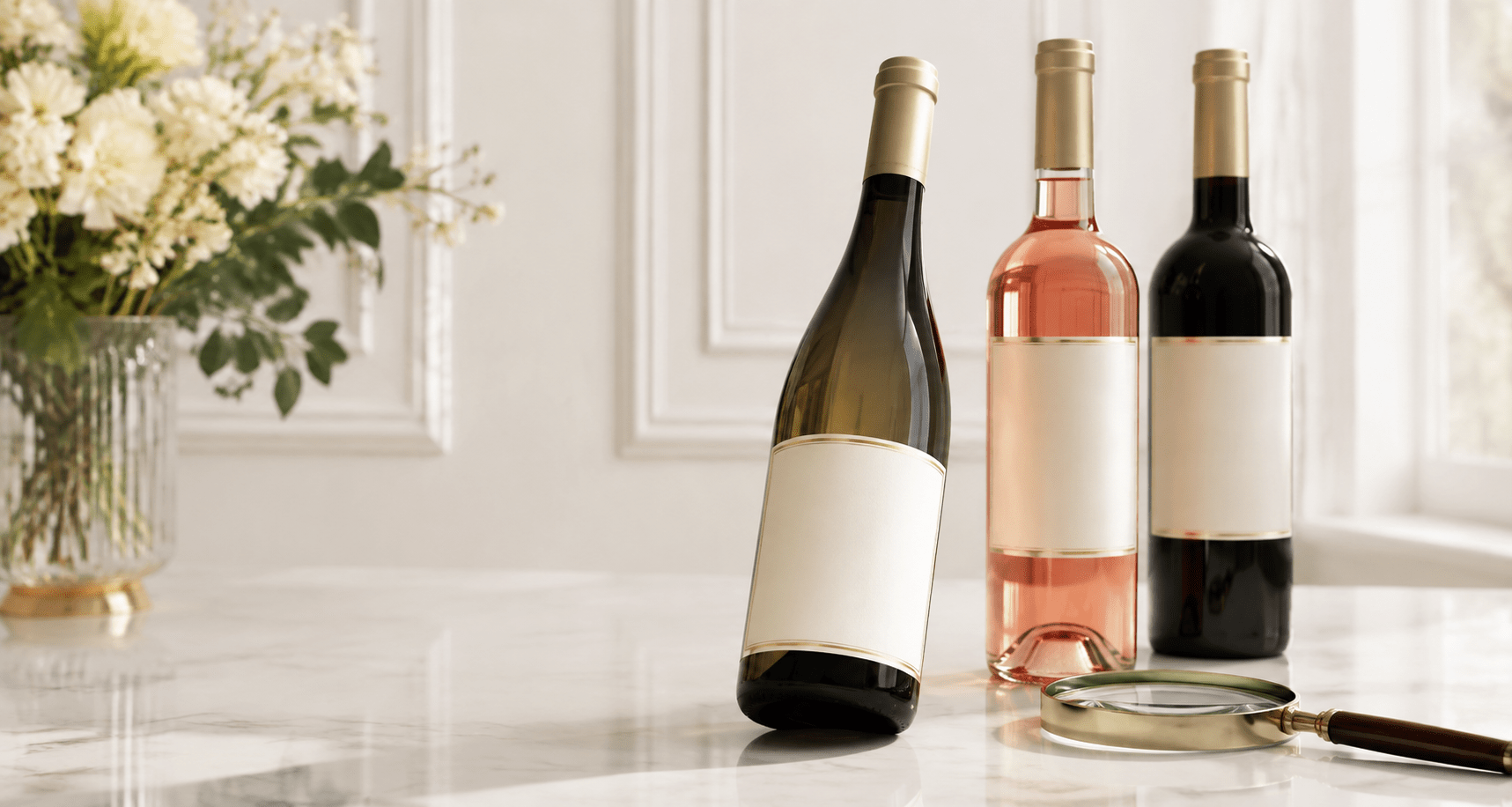
Most good wine decisions come down to three questions: what are you eating, who is drinking, and what do you want to spend? Food sets the weight of the wine. Delicate dishes like fish and salads call for lighter whites, while braised meats and grilled steak want fuller reds. The crowd sets the style. A mixed group is happiest with crowd-pleasers like Pinot Noir, dry rosé, or Sauvignon Blanc, while a fellow wine lover might enjoy something more unusual. Budget sets the region. If you are new to all of this, read how to buy wine for a simple shopping routine, then try our list of the best wine for beginners to find styles you enjoy. Once you know your taste, every other choice in this wine buying guide gets easier.
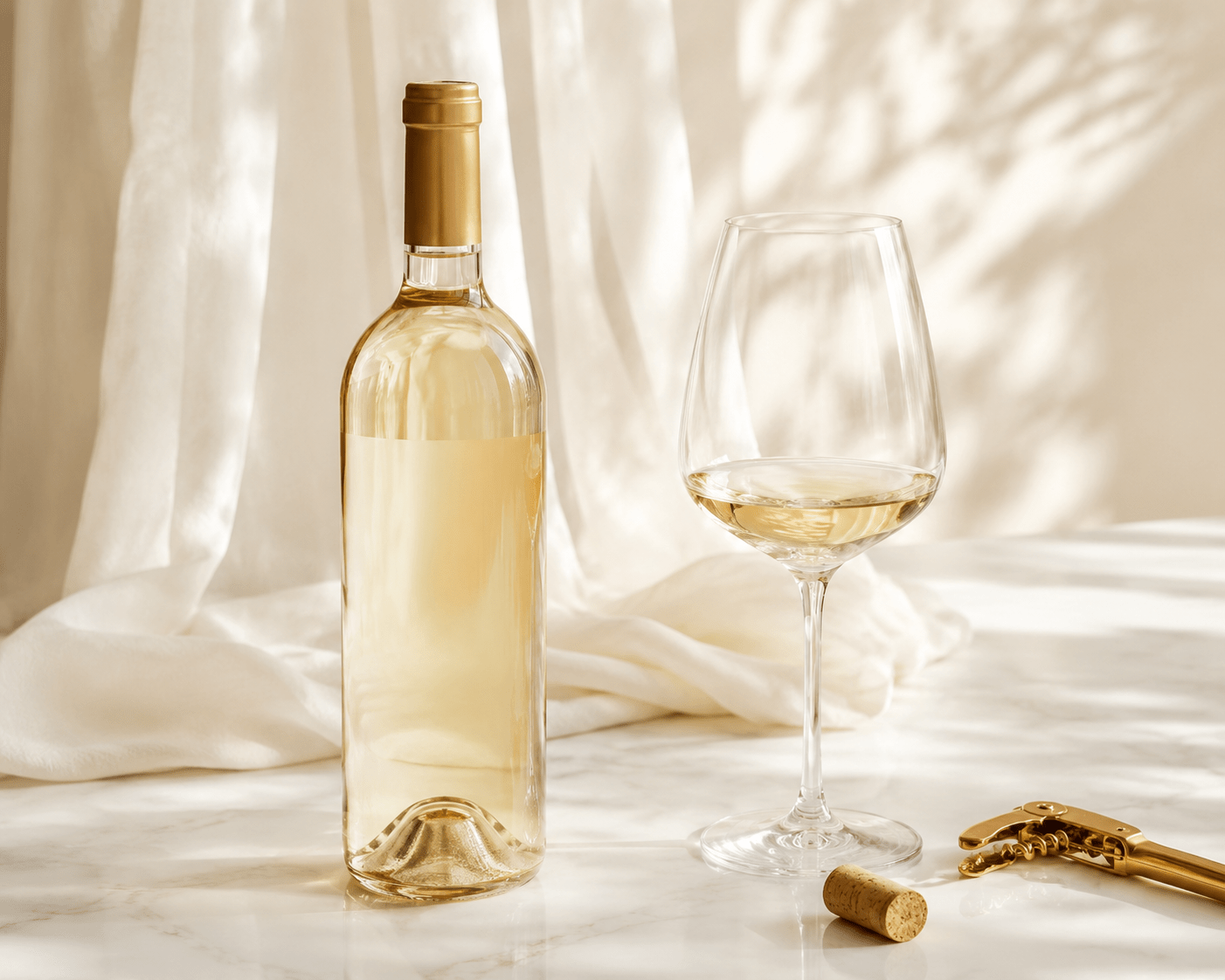
You do not need to spend much to drink well. Our picks for the best red wines under $20 lean on regions where land and labor cost less: Argentine Malbec, Spanish Garnacha, Portuguese reds, and Côtes du Rhône. For whites, the best white wines under $20 include Spanish Albariño and Verdejo, Portuguese Vinho Verde, and Loire Valley Muscadet. Curious why some bottles cost ten times more? Our wine price guide explains what you pay for, from vineyard land to oak barrels to marketing. And if you drink a glass at a time, our boxed wine guide shows why a good box can stay fresh for weeks after opening, which makes it one of the smartest buys for everyday drinking.
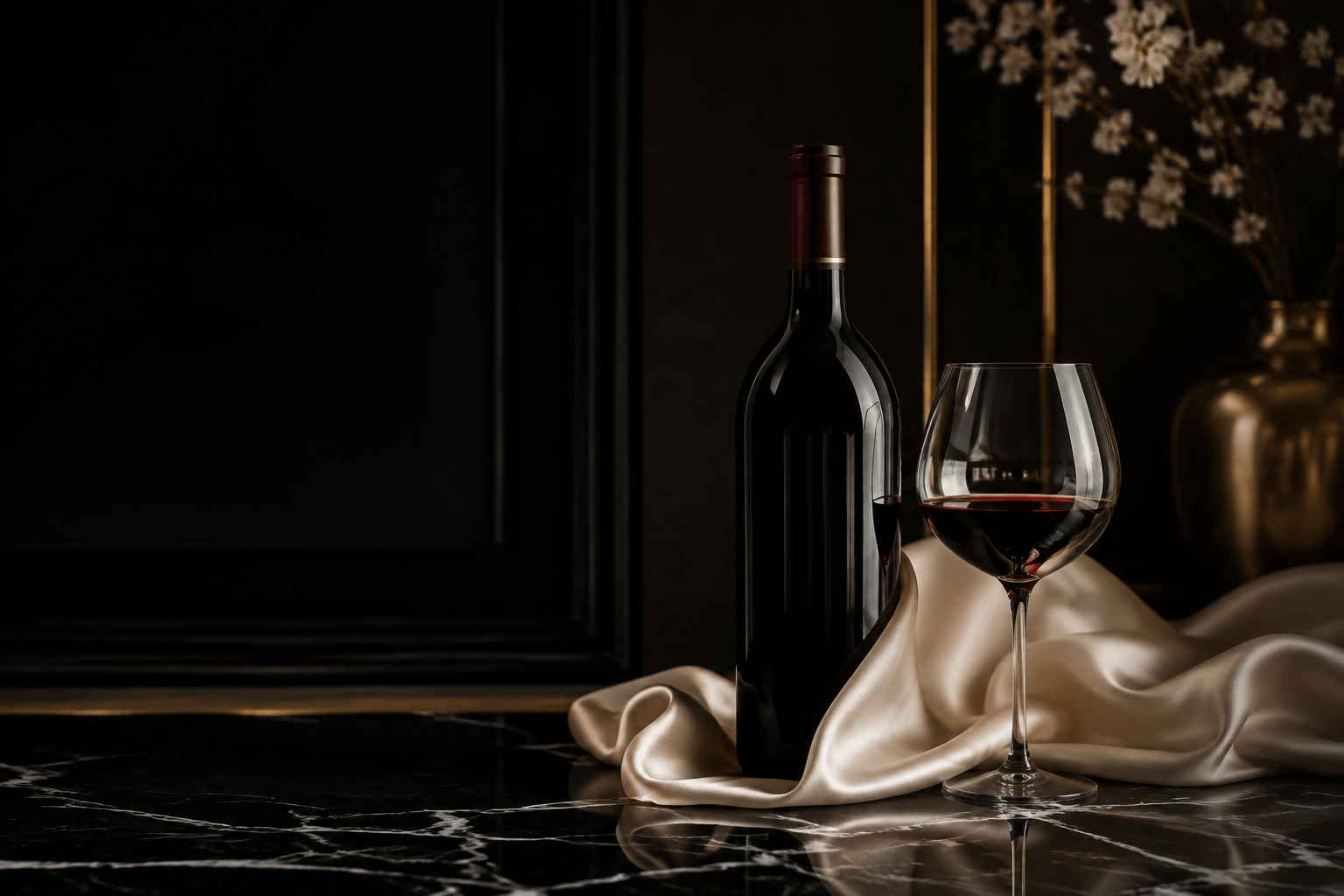
A bottle is one of the easiest gifts there is, as long as you match it to the person. Our best wines for gifts list covers safe bets like Champagne and classic regional reds, plus ideas for the friend who has tried everything. Heading to dinner at someone’s home? Read hostess gift wines for bottles that work whether or not the host opens them that night, and wine etiquette for the unwritten rules, like never expecting your gift to be served. Planning your own gathering? Our guide to hosting a wine and cheese party walks through how many bottles to buy, which cheeses to choose, and how to set up the table.
Big moments call for wines with a little ceremony. For wedding wines, think crowd-pleasing styles bought by the case, plus enough sparkling wine for the toast. On New Year’s Eve, bubbles are the tradition, and Cava, Crémant, and Prosecco deliver the fizz for less than Champagne. For romance, see our Valentine’s Day wines and date night wines, where rosé Champagne, Pinot Noir, and a sweet red for chocolate shine. Marking years together? Our anniversary wines page covers vintage bottles and wines that can age alongside your relationship. Each guide focuses on styles and regions, so you can find a match at almost any shop.
What tastes great changes with the weather. Spring wines are fresh and green, with Grüner Veltliner, Sauvignon Blanc, and dry rosé matching asparagus and herbs. Summer wines are light, crisp, and often served cold, while picnic wines add practical needs like screw caps and cans. As the air cools, fall wines bring earthy Pinot Noir, Beaujolais, and fuller Chardonnay to harvest dishes. Winter wines are the boldest of the year: Syrah, Cabernet Sauvignon, Barolo, and warming fortified wines like Port. Matching wine to the season is one of the simplest ways to make an ordinary bottle taste better.
Once you are buying regularly, a few skills pay off. Learn what wine ratings mean, so a shelf-talker score helps you rather than steering you toward styles you do not enjoy. Consider whether a wine club fits your habits; the best ones introduce new regions at a fair price, while others ship bottles you would never choose. If you want to keep bottles for years, wine cellar basics covers which wines actually improve with age and how to store them in a cool, dark, steady place. Pair these with how to read a wine label and how much wine per person, and you will shop with confidence for any table.
| Your Situation | Start With | Typical Style Pick |
|---|---|---|
| Brand new to wine | Best wine for beginners | Off-dry Riesling, Pinot Noir, or Prosecco |
| Everyday bottle on a budget | Best reds and whites under $20 | Malbec, Côtes du Rhône, Albariño |
| Bringing a gift | Best wines for gifts | Champagne or a classic regional red |
| Hosting a party or wedding | Wine and cheese party or wedding wines | One red, one white, one sparkling |
| Celebrating a holiday | New Year's Eve or Valentine's Day wines | Sparkling wine or rosé Champagne |
| Matching the weather | Seasonal wine guides | Crisp whites in summer, bold reds in winter |
Match the wine's weight to the dish: light with light, rich with rich.
Spain, Portugal, Chile, and southern France offer the most flavor for modest prices.
Tell them what you liked last time and your budget; they love helping.
Choose Your Path
Choose the question that interests you and follow the connections to your next useful lesson.
To approach best wines for beginners, begin with approachable structure rather than a prestigious label. Useful options include smooth Merlot, bright Pinot Noir, crisp Sauvignon Blanc, versatile Chardonnay, aromatic Riesling, dry rosé, and sparkling wine. set a comfortable budget and ask for style, not a score.
Start Learning →
To buy wine with confidence, start with the meal or occasion, choose a style you like (crisp white, juicy red, sparkling), and set a budget. Read the label for grape, region, and alcohol level. Shop value regions like Spain, Portugal, Chile, and southern France, and ask shop staff for a recommendation based on a wine you enjoyed.
Start Learning →The best red wine under 20 dollars usually comes from regions with lower land costs: Argentine Malbec, Spanish Garnacha and Rioja Crianza, Côtes du Rhône, Chilean Carménère and Cabernet Sauvignon, Portuguese Douro reds, and Italian Montepulciano d'Abruzzo. Choose lighter Beaujolais or Chilean Pinot Noir for chicken and salmon, and bolder Malbec or Cabernet for steak.
Start Learning →The best summer wines are light, high in acidity, and moderate in alcohol. Reach for Sauvignon Blanc, Albariño, Vinho Verde, Pinot Grigio, and dry Provence rosé, plus sparkling wines like Prosecco and Cava. For reds, choose light, chillable styles such as Beaujolais, Pinot Noir, or Lambrusco, served around 55°F. Save heavy, high-alcohol reds for cooler months.
Start Learning →
The classic Valentines Day wine is rosé Champagne or another pink sparkling wine, festive and romantic in color. For dinner, Pinot Noir is the most versatile red, matching salmon, duck, and mushroom dishes. Serve Cabernet Sauvignon with steak and Chardonnay with lobster. For chocolate, choose a sweet red like Brachetto d'Acqui, ruby Port, or Banyuls.
Start Learning →
The best white wine under 20 dollars includes Marlborough Sauvignon Blanc, Spanish Albariño and Verdejo, Portuguese Vinho Verde, Loire Valley Muscadet, Picpoul de Pinet, German or Washington Riesling, and Austrian Grüner Veltliner. For a richer style, try unoaked Chardonnay from Chile or the Mâconnais. Buy the most recent vintage and serve well chilled.
Start Learning →A great hostess gift wine is versatile and a little special. Sparkling wine like Crémant or Champagne is the safest choice. Medium-bodied reds such as Côtes du Rhône, Rioja Crianza, or Pinot Noir and crisp whites like Sancerre or Albariño suit most meals. Spend roughly what you would on a nice dinner dish, and never expect the host to open it.
Start Learning →The best wine gifts are bottles that feel a step above everyday drinking. Champagne or traditional-method sparkling wine is the safest choice for any celebration. For red lovers, give a classic regional wine like Rioja Reserva, Chianti Classico, or Bordeaux. Port, Sauternes, or Tokaji make memorable gifts because few people buy them for themselves.
Start Learning →To host a wine and cheese party, choose four to six wines and four to six cheeses that span light to bold. Pair fresh goat cheese with Sauvignon Blanc, Brie with Champagne, aged Cheddar with Cabernet Sauvignon, and blue cheese with Port. Plan about half a bottle of wine and 3 to 4 ounces of cheese per guest.
Start Learning →Why is wine expensive? Price reflects vineyard land, low yields, hand harvesting, new oak barrels, years of aging, small production, and reputation, plus shipping, taxes, and retail markup. Expensive wine often tastes more complex and ages longer, but not always better to you. Many delicious, well-made bottles cost roughly $12 to $25.
Start Learning →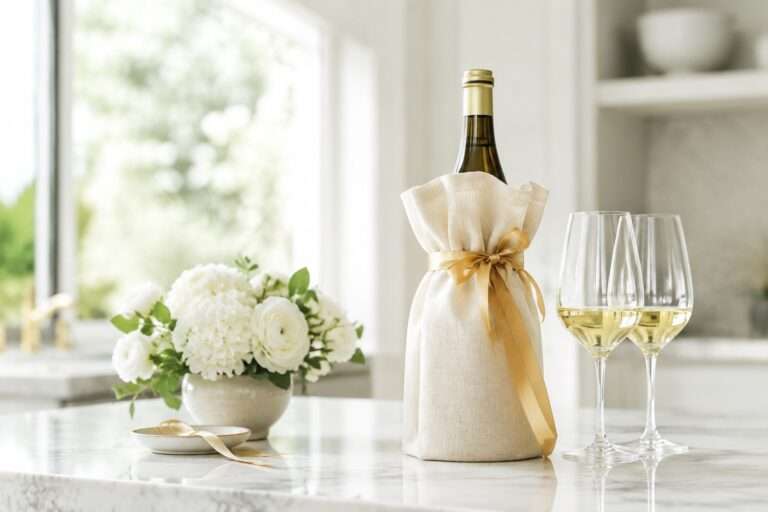
A great anniversary wine has personal meaning. Vintage Champagne or a sparkling wine you toasted with at your wedding is a classic choice. A wine from your wedding year, often vintage Port or Bordeaux, or from a region you visited together, adds a story. For future milestones, buy age-worthy bottles like Barolo or vintage Port to open on a later anniversary.
Start Learning →The best date night wine is one you both enjoy and that suits the food. Pinot Noir is the most versatile red, pairing with salmon, chicken, and mushrooms. Sparkling wine like Crémant or Prosecco sets a festive mood. For pizza or pasta, choose Chianti; for takeout curry or Thai, off-dry Riesling. Keep it approachable and skip overly bold wines.
Start Learning →The best fall wines are medium-bodied with earthy, spicy, or savory notes. Choose Pinot Noir, Beaujolais crus, Côtes du Rhône, Zinfandel, and Barbera for reds, and oaked Chardonnay, Chenin Blanc, Viognier, or Alsace Pinot Gris for whites. They pair beautifully with roast chicken, mushrooms, squash, pork, and Thanksgiving dinner.
Start Learning →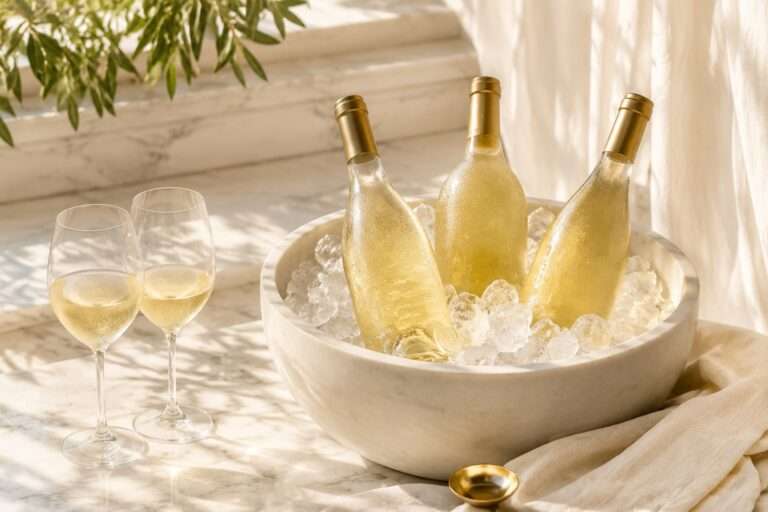
The classic New Years Eve wine is sparkling wine. Champagne is the luxurious choice, while Crémant and Cava are made the same way for far less, and Prosecco is lighter and fruitier. Choose Brut for a dry style that suits party food. Plan about one bottle for every six to eight guests for the midnight toast, and chill it to 40 to 45°F.
Start Learning →The best spring wines are fresh, aromatic, and light to medium in body. Choose Sauvignon Blanc and Grüner Veltliner for asparagus and green vegetables, Albariño or dry Riesling for seafood, and dry rosé for almost anything. For reds, pick Pinot Noir, Beaujolais, or Cabernet Franc. Sparkling wine is perfect for Easter and brunch.
Start Learning →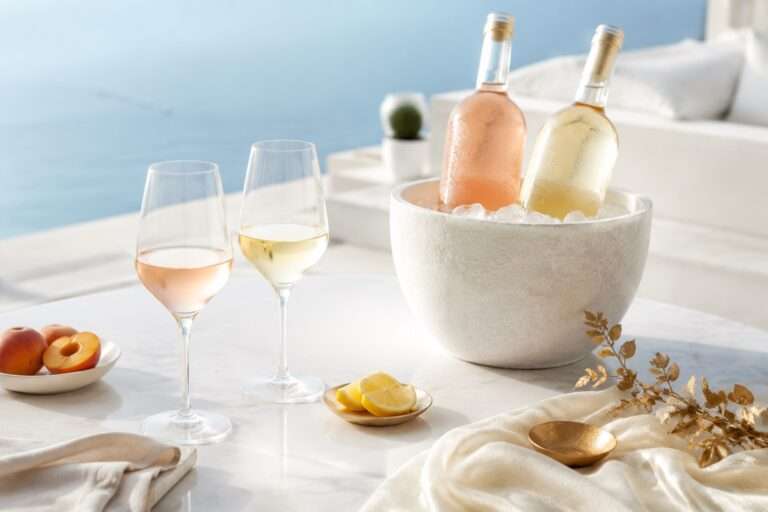
The best picnic wines are light, refreshing, and easy to open. Pack dry rosé, Sauvignon Blanc, Vinho Verde, or Pinot Grigio, plus canned or screw-cap sparkling wine. For red, choose a light, chillable Beaujolais or Pinot Noir. Screw caps, cans, and boxes skip the corkscrew, and an insulated bag with ice packs keeps everything cool.
Start Learning →
Start your wedding wine plan with one crisp white, one soft red, and a sparkling wine for the toast. Crowd-pleasers include Sauvignon Blanc or Pinot Grigio, Pinot Noir or Côtes du Rhône, and Cava, Crémant, or Prosecco. Plan roughly one glass per guest per hour, adjust the red-white split for season and menu, and buy a little extra.
Start Learning →The best winter wines are fuller and richer than summer styles. Choose bold reds like Syrah, Cabernet Sauvignon, Malbec, Barolo, and Amarone for roasts and stews. For whites, pick oaked Chardonnay, white Rhône blends, or Chenin Blanc. Finish with Port, Madeira, or Sherry. Serve reds around 60 to 65°F, not hot room temperature.
Start Learning →Is boxed wine good? Yes, much of it is, especially for fresh, everyday styles like Pinot Grigio, Sauvignon Blanc, dry rosé, Côtes du Rhône, and Tempranillo. A typical 3-liter box holds four bottles, often costs less per glass, and stays fresh for about four to six weeks after opening. It is not designed for aging, so drink it within its best-by date.
Start Learning →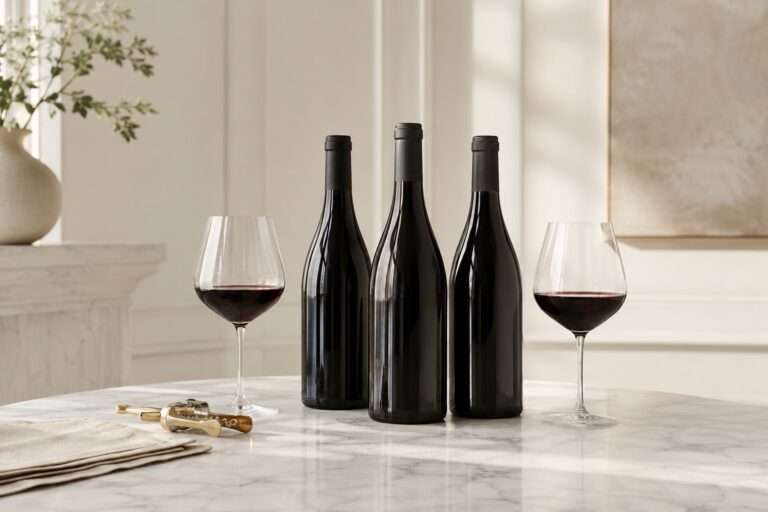
To start a wine collection, set up storage that is dark, still, and steady at about 55°F with moderate humidity; a wine fridge works well. Mix wines to drink now with age-worthy styles like Bordeaux, Barolo, Rioja Reserva, Riesling, and vintage Port. Buy several bottles of favorites so you can taste how they change, and track what you own.
Start Learning →
Wine clubs are worth it if you drink wine regularly, enjoy discovering new bottles, and choose a club that matches your taste and budget. Winery clubs offer exclusive bottles and discounts from one producer. Retailer and online subscriptions offer variety across regions. Check the price per bottle, shipping costs, customization options, and how easy it is to cancel.
Start Learning →Good wine etiquette is mostly about courtesy. As a guest, bring a bottle as a gift for the host to enjoy later, never expecting it to be opened. As a host, pour guests first, fill glasses only about one-third full, and offer water and a non-alcoholic option. Hold stemmed glasses by the stem, and never pressure anyone to drink.
Start Learning →Wine ratings explained simply: most critics use a 100-point scale where 90 to 94 means outstanding, 95 to 100 exceptional, and 85 to 89 very good. Some use a 20-point scale, while apps use five stars from everyday drinkers. A score reflects one taster's view of quality, not your taste, so read the tasting note and style too.
Start Learning →Learn Your Taste
Answer a few simple questions and discover styles that fit your palate.
Take the Wine QuizStart with the food and the occasion, then pick a grape or style you already enjoy. Set a budget and shop value regions like Spain, Portugal, or Chile. If you are unsure, tell a shop employee what you like and let them suggest a bottle.
For everyday drinking, many excellent bottles cost between about $12 and $20. Spending more often buys rarer regions, longer aging, or more oak, which is worth it for special meals. Under about $10, quality varies widely, so stick to dependable value regions.
Sparkling wine is the safest choice because almost everyone enjoys it and it suits any moment. A dry rosé or a medium-bodied red like Pinot Noir or Côtes du Rhône is also a reliable crowd-pleaser.
Offer both. A simple rule is one crisp white, one soft red, and one sparkling wine. Guests tend to drink more white and rosé in warm weather and more red in cold weather, so adjust your mix by season.
Not directly, but it gives strong clues. The region, grape, vintage, and alcohol level hint at style and weight. Specific place names, like a village rather than a broad region, usually point to a more distinctive wine.
A good independent wine shop is ideal for beginners because staff can guide you by taste and budget. Grocery stores are convenient for familiar styles, and online retailers offer wider choice. Check local laws, since wine shipping rules vary by state.