Pick Riesling Under 10% for Sweetness
Below about 10% alcohol usually means sweet Riesling; 12% or more usually means dry.

Understand Wine. Enjoy Every Glass.
Grape Varieties
Riesling can be bone-dry or dessert-sweet, but it is always bright and aromatic. Learn what it tastes like, how to tell the styles apart, and what to eat with it.
Start Learning
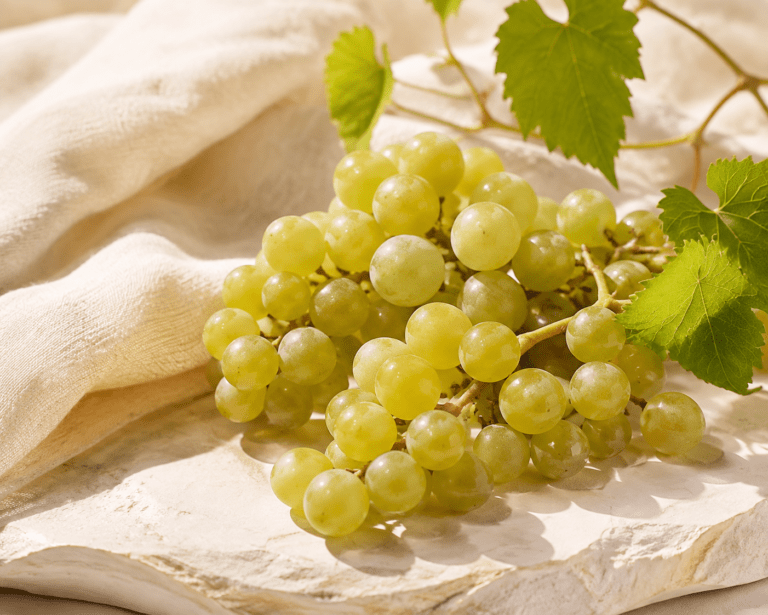
Riesling wine is pure and aromatic. In cooler climates it tastes of lime, lemon, and green apple; in warmer spots, peach, apricot, and nectarine. Floral notes of jasmine and honeysuckle are common, along with a stony, mineral quality often described as wet slate. The defining feature is acidity: Riesling has some of the highest of any white grape, which keeps even sweet versions tasting fresh rather than syrupy. It is light-bodied and often low in alcohol; some sweet German Rieslings sit around 8%, while dry styles reach 12–13%. Riesling is almost never aged in new oak, so you taste the grape and the place. With age, it develops honey, toast, and a famous “petrol” or kerosene note from a natural compound called TDN. Many fans treasure it, and it is not a flaw.
The most common Riesling question is whether a bottle is sweet. It can be anything from bone-dry to lusciously sweet, so look for clues. In Germany, Trocken means dry. The Prädikat terms describe ripeness at harvest, not sweetness exactly: Kabinett is the lightest, often off-dry; Spätlese is riper, often medium-sweet; Auslese is riper still. Beerenauslese, Trockenbeerenauslese, and Eiswein are rare dessert wines. Alcohol is a handy clue: below about 10% usually means noticeable sweetness, while 12% or more suggests a dry wine. Many bottles now print a sweetness scale on the back label. Alsace, Austria, and Australia’s Clare and Eden Valleys mostly make dry Riesling. For more on how sugar and acid interact, read dry vs sweet wine.
Germany is Riesling’s heartland. The Mosel makes delicate, low-alcohol wines from steep slate slopes, often with a touch of sweetness balanced by electric acidity. The Rheingau gives fuller, more structured, often dry wines, and the Pfalz is warmer and riper still. Across the border, Alsace makes dry, richer, spicier Riesling. Austria’s Wachau produces powerful, dry, mineral Riesling. In Australia, the Clare and Eden Valleys are known for bone-dry, lime-scented Riesling that ages beautifully. In the US, New York’s Finger Lakes has become a standout source of dry and off-dry Riesling, and Washington makes large amounts of fruity, affordable bottles.
Serve Riesling cold, at 45–50°F. Light, sweet Kabinett-style wines can go a degree or two colder; rich, dry Alsace or Austrian Riesling shows more at the top of that range. Riesling rarely needs decanting, though very young, dry bottles can open up after a few minutes in the glass. A white wine glass with a slightly tapered rim focuses its floral and citrus aromas. Riesling’s high acidity makes it one of the longest-lived white wines, and quality bottles can age for decades. Once opened, it holds up well too, often four to five days in the fridge with a stopper. If you find an older bottle with a golden color and petrol aroma, that is normal development. Our how to store wine guide explains how to cellar it.
Riesling is one of the most food-friendly wines in the world. Off-dry Riesling is the go-to for spicy food, because a little sweetness soothes chili heat and the low alcohol does not inflame it. That makes it superb with Thai food, Sichuan dishes, and spicy Indian curries. Pork is a natural partner, from roast pork with apples to sausages, and Riesling is a classic with glazed ham. Dry Riesling suits trout, sushi, and shellfish, and it handles sauerkraut and smoky dishes well. Sweet late-harvest Riesling pairs with fruit tarts, blue cheese, and foie gras. Avoid very tannic red meat dishes and heavily oaked sauces, which clash with Riesling’s delicate profile.
If you like aromatic Riesling, try Gewürztraminer, which is richer and spicier, with lychee and rose; see Riesling vs Gewürztraminer. For something sweeter and lighter, compare Riesling vs Moscato. Dry fans should explore Grüner Veltliner, Chenin Blanc, and Furmint. When buying, first decide on sweetness. For dry wine, look for “Trocken,” “Dry,” Alsace, Austria, or Clare Valley. For a classic touch of sweetness, try a Mosel Kabinett. Check the alcohol level as a backup clue. Good Riesling is often underpriced compared with other noble grapes, so it is a smart buy at any budget.
| Region | Style | What to Expect |
|---|---|---|
| Mosel, Germany | Light, often off-dry | Green apple, slate, low alcohol, vivid acid |
| Rheingau, Germany | Fuller, often dry | Peach, citrus, firm structure |
| Alsace, France | Dry and rich | Ripe stone fruit, spice, fuller body |
| Wachau, Austria | Dry and powerful | Apricot, minerality, long finish |
| Clare & Eden Valley, Australia | Bone-dry, zesty | Lime, toast with age |
| Finger Lakes, New York | Dry to off-dry | Crisp apple, citrus, bright acidity |
Below about 10% alcohol usually means sweet Riesling; 12% or more usually means dry.
Off-dry Riesling cools chili heat in Thai, Indian, and Sichuan dishes.
A kerosene aroma in aged Riesling is a prized trait, not a fault.
Learn Your Taste
Answer a few simple questions and discover styles that fit your palate.
Take the Wine QuizNot always. Riesling ranges from bone-dry to very sweet. Look for "Trocken" or "Dry" on the label, or check the alcohol: lower alcohol usually means more residual sugar.
Kabinett is the lightest German ripeness category. These wines are delicate and low in alcohol, and they are often off-dry, though dry Kabinett exists too.
A natural compound called TDN develops as Riesling ages, especially from sunny sites. It gives a kerosene or petrol aroma that many wine lovers consider a hallmark of mature Riesling.
Spicy Asian dishes, pork, ham, sausages, trout, and sushi all work. Off-dry styles handle chili heat best, while dry Riesling suits shellfish and lighter fish dishes.
Yes, remarkably well. Its high acidity lets quality Riesling, both dry and sweet, age for 10 to 30 years or more, gaining honey, toast, and petrol notes.
Yes. Off-dry Riesling's bright fruit, gentle sweetness, and low alcohol make it very approachable, especially for people who are just moving beyond sweet wines. A Mosel Kabinett is a classic first bottle.