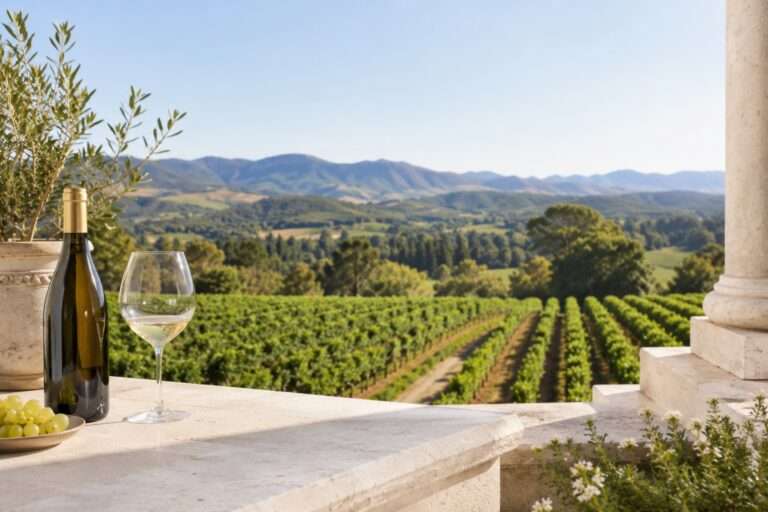
Reserve Napa Tastings Early
Many Napa tasting rooms are reservation only. Plan two or three visits a day, not five.

Understand Wine. Enjoy Every Glass.
Wine Regions
Napa Valley is America's most famous wine address. Learn why its Cabernet is so rich, which corners of the valley taste different, and how to plan a relaxed visit.
Start Learning
Napa Valley sits about an hour’s drive north of San Francisco, a narrow valley roughly 30 miles long tucked between the Mayacamas Mountains to the west and the Vaca Range to the east. The climate is Mediterranean: dry, sunny summers and mild, wet winters. The key is a daily swing in temperature. Afternoons get hot, but fog and breezes from San Pablo Bay pull in cool air at night, so grapes ripen fully without losing all their acidity. The southern end near the bay is the coolest, and it gets steadily warmer as you drive north toward Calistoga. Soils are a patchwork of volcanic hillsides and deeper, gravelly valley floors. That mix of sun, cool nights, and varied ground is why Napa Valley wine tastes so concentrated and polished.

Cabernet Sauvignon is Napa’s calling card. Expect a full body, ripe blackcurrant and black cherry, notes of cocoa, mint, or cedar, and firm but smooth tannins. Many are aged in new French oak, which adds vanilla and toast. Winemakers often blend in a little Merlot, Cabernet Franc, or Petit Verdot, the same grapes used in Bordeaux. Napa Merlot on its own is plush and plummy. On the white side, Napa Chardonnay is often round and creamy with baked apple and butter, though fresher, less oaky versions are common now. Sauvignon Blanc, sometimes labeled Fumé Blanc, ranges from zesty and grassy to rich and barrel-aged. Old-vine Zinfandel also hides in a few corners of the valley.

Napa is divided into more than a dozen smaller American Viticultural Areas, and each has a personality. Oakville and Rutherford sit mid-valley and are famous for classic, structured Cabernet; Rutherford is known for a dusty, earthy note locals call “Rutherford dust.” Stags Leap District makes softer, silky Cabernet with red-fruit perfume. Los Carneros, which straddles Napa and Sonoma at the bay, is cool enough for Chardonnay, Pinot Noir, and sparkling wine. Mountain AVAs such as Howell Mountain, Mount Veeder, and Spring Mountain District grow small, thick-skinned grapes above the fog line, giving darker, more tannic wines that need time. St. Helena and Calistoga in the warm north make ripe, generous reds, while Coombsville near the town of Napa is cooler and fresher.
Start with a Napa Valley Cabernet Sauvignon from the valley floor, labeled simply “Napa Valley” rather than a single vineyard. It shows the region’s style clearly at a lower price than top bottles. Next, try one from a mountain AVA and notice the firmer tannin and deeper color. For a white, open a Carneros Chardonnay to taste how the cooler end of the valley gives brighter acidity. Napa is not cheap: land and labor costs are high, so expect most Cabernet to start around $40 and climb fast. For everyday drinking, look at Napa Sauvignon Blanc or Merlot, which usually cost less. If you want to see how Napa stacks up against its neighbor, read Napa Valley vs Sonoma Valley, or explore Sonoma Valley next.
Big Napa Cabernet needs food with fat and protein to soften its tannins. A grilled ribeye is the textbook match; see our guide to wine with steak for cut-by-cut picks. Rack of lamb with rosemary, braised short ribs, and aged cheddar also work well. Napa Merlot is gentler, so it suits roast pork, mushroom dishes, and burgers. Rich, oaked Chardonnay loves butter: think Dungeness crab, lobster, roast chicken, or pasta in cream sauce. Crisp Sauvignon Blanc pairs with goat cheese, salads, and grilled fish tacos. Serve Cabernet at 60–65°F and decant young bottles for 30 to 60 minutes. Chill Chardonnay to about 50–55°F so its richness stays fresh rather than heavy.
Most wineries line two roads: busy Highway 29 on the west side and the quieter Silverado Trail on the east. Many tasting rooms now require reservations, so book ahead, especially on weekends. Tasting fees are among the highest in the country, so plan on two or three visits a day rather than five. Weekdays and the shoulder seasons of spring and late fall are calmer; harvest, usually August through October, is busy but exciting. Eat a real lunch, sip water, and use the spit bucket. Arrange a designated driver or hire a driver, because the roads get crowded and enforcement is strict. Our tips on winery tasting etiquette will help you feel at ease.
| Grape or Style | Character | Try It With |
|---|---|---|
| Cabernet Sauvignon (valley floor) | Ripe blackcurrant, cocoa, smooth firm tannins | Grilled ribeye or prime rib |
| Cabernet Sauvignon (mountain AVA) | Darker, more tannic, built to age | Braised short ribs or lamb |
| Bordeaux-style red blend | Layered dark fruit, cedar, polished texture | Roast beef or aged cheddar |
| Merlot | Plush plum and chocolate, softer tannins | Roast pork or mushroom risotto |
| Carneros Chardonnay | Apple, citrus, creamy but fresh | Dungeness crab or roast chicken |
| Sauvignon Blanc | Grapefruit, melon, grassy or rich | Goat cheese salad or fish tacos |
Many Napa tasting rooms are reservation only. Plan two or three visits a day, not five.
The east-side road is usually quieter than Highway 29 and just as scenic.
Thirty to sixty minutes of air softens tannins and opens the fruit in young Napa reds.
Learn Your Taste
Answer a few simple questions and discover styles that fit your palate.
Take the Wine QuizCabernet Sauvignon. Napa's warm days and cool nights produce ripe, full-bodied Cabernet with dark fruit and smooth tannins. The valley also makes respected Chardonnay, Merlot, Sauvignon Blanc, and Bordeaux-style blends.
Land in Napa is some of the priciest farmland in the country, and many wineries use small yields, hand harvesting, and new French oak barrels. Strong demand for top Cabernet keeps prices high, so value hunters often look to Sonoma, Paso Robles, or Washington.
It means at least 85 percent of the grapes came from the Napa Valley AVA. A smaller AVA name, such as Oakville or Rutherford, also requires 85 percent of the fruit from that area and usually signals a more specific style.
Spring and late fall offer mild weather and smaller crowds. Harvest, usually August through October, is the most exciting time to see winemaking, but it is also the busiest and most expensive. Weekdays are calmer than weekends any time of year.
It can be. Classic Napa Chardonnay is rich and creamy with vanilla and butter from oak and malolactic fermentation. Many producers now make leaner styles, especially from cool Carneros, so check the back label or ask in the shop.
Most Napa Cabernet tastes great within 3 to 10 years of the vintage. Top bottles from mountain or benchland sites can improve for 15 to 20 years or more, gaining earthy, savory notes as the fruit and tannins soften.