Pick One Base
Stay in the town of Sonoma for the valley or Healdsburg for the northern AVAs.

Understand Wine. Enjoy Every Glass.
Wine Regions
Sonoma is Napa's laid-back neighbor, with more variety, more back roads, and often better prices. Here is what it grows, where, and what to pour first.
Start Learning
Sonoma sits just west of Napa, about an hour north of San Francisco, but it covers far more ground and stretches all the way to the Pacific. Two names cause confusion. The Sonoma Valley AVA is a specific valley between the Mayacamas Mountains and Sonoma Mountain, running from the historic town of Sonoma north through Glen Ellen and Kenwood; locals call it the Valley of the Moon. Sonoma County is the much bigger area that includes the Sonoma Valley plus well-known AVAs such as Russian River Valley, Dry Creek Valley, Alexander Valley, and Sonoma Coast. When people talk about Sonoma valley wine, they often mean the whole county. The big idea: the closer you get to the ocean, the cooler and foggier it gets, and the lighter and crisper the wines become.
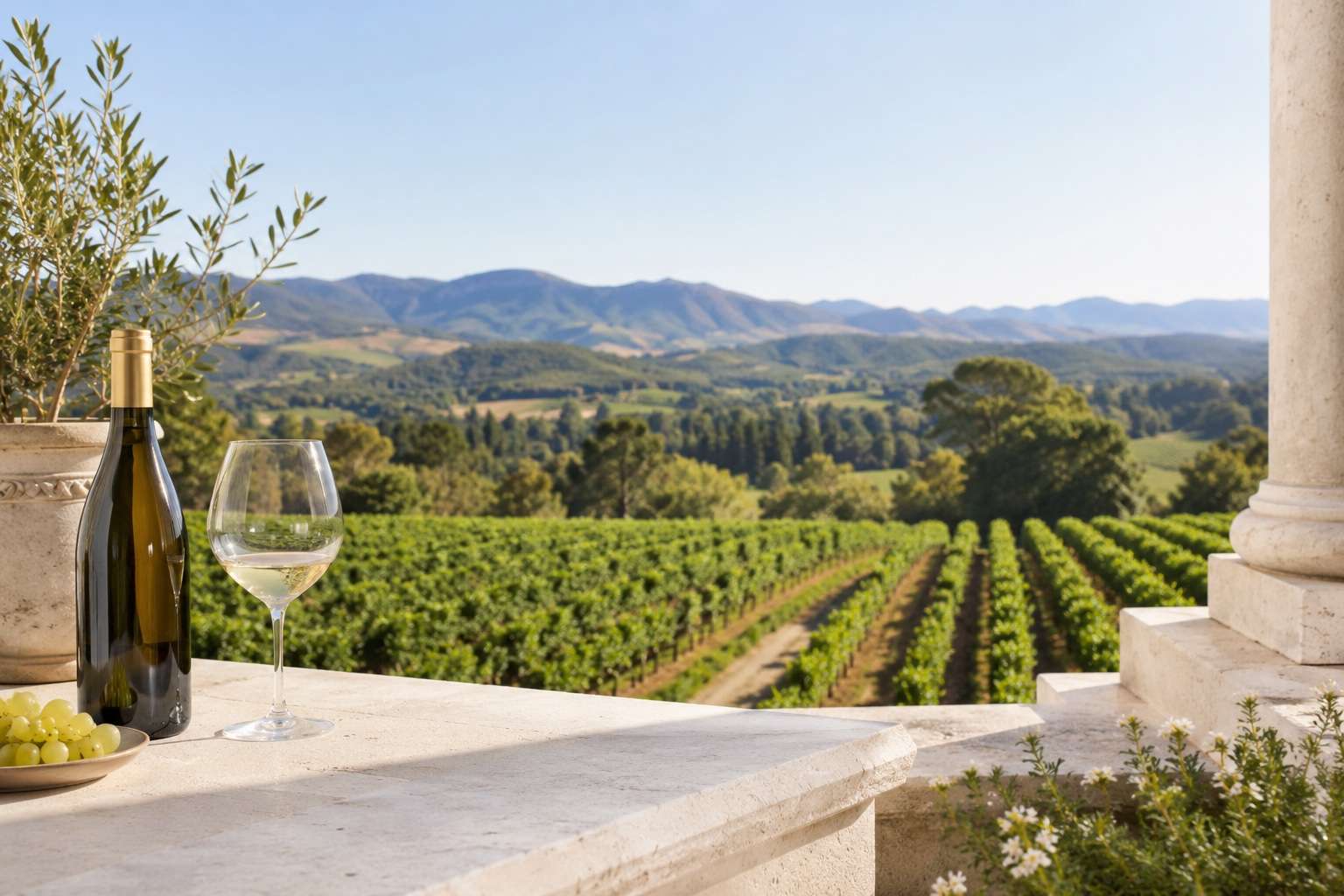
Sonoma’s secret is the Petaluma Gap and other low spots in the coastal hills, which funnel fog and cold ocean wind inland every afternoon and evening. Western areas near the coast can be cool enough to struggle to ripen grapes, which suits Pinot Noir and Chardonnay. Sheltered inland valleys such as Alexander and Dry Creek get hot summer days, perfect for Zinfandel and Cabernet Sauvignon. Inside the Sonoma Valley AVA, the south end near San Pablo Bay is cooler, and the north end around Kenwood is warmer. Soils swing from sandy loam in the Russian River Valley to gravelly benches and red volcanic hillsides. The result is one county that can make a delicate, cranberry-toned Pinot and a jammy, peppery Zinfandel within a short drive of each other.
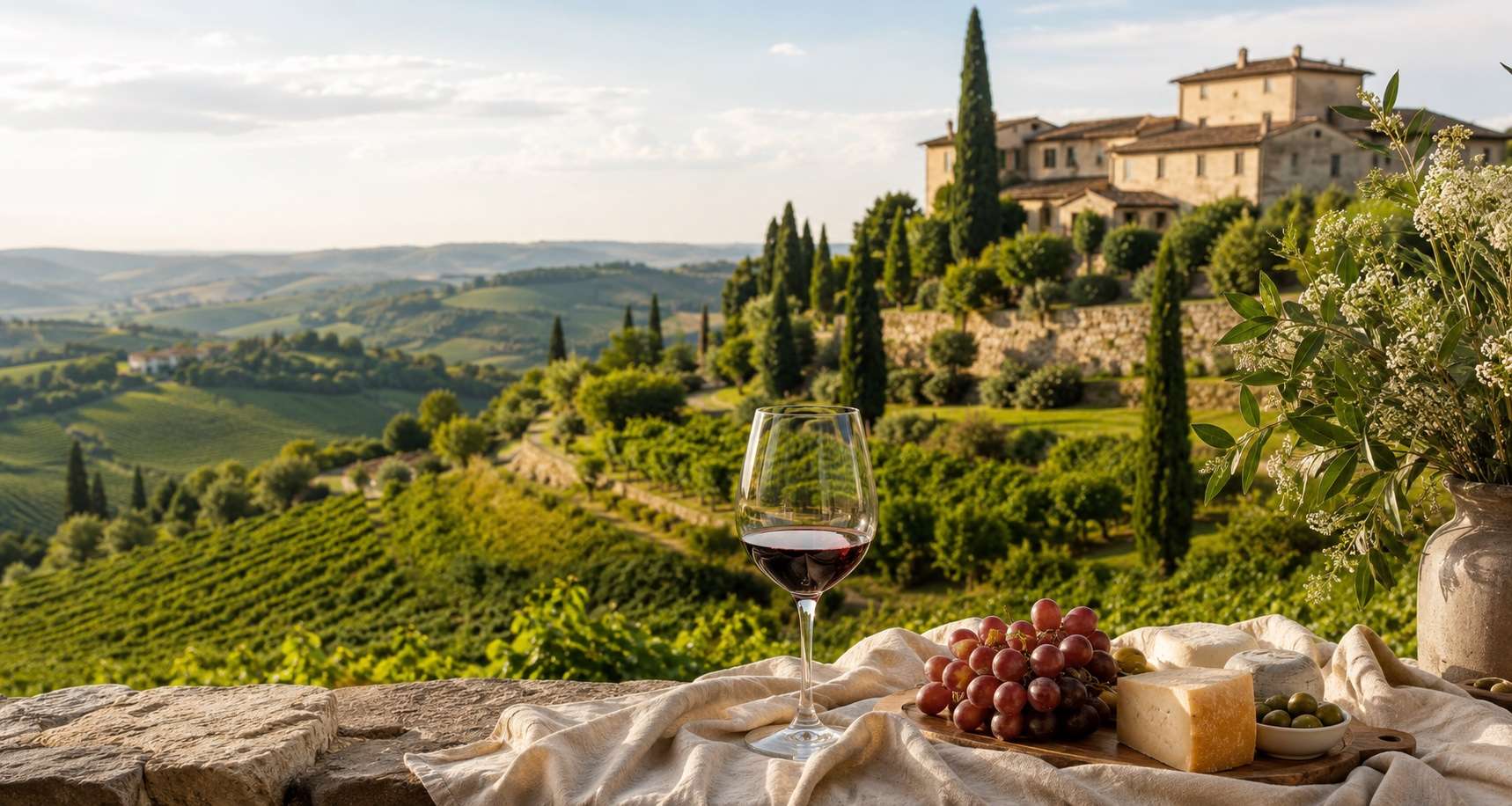
Learn five names and Sonoma clicks into place. The Russian River Valley is fog country, famous for silky Pinot Noir with red cherry and baking spice and for creamy yet bright Chardonnay. The Sonoma Coast is cooler still, giving taut, high-acid wines. Dry Creek Valley is Zinfandel heartland, with many old vines, plus zesty Sauvignon Blanc. Alexander Valley is warm and makes plush, approachable Cabernet Sauvignon. The Sonoma Valley AVA itself, along with the hillside Moon Mountain District and Sonoma Mountain AVAs, grows structured Cabernet, Zinfandel, Merlot, and Chardonnay. Carneros, shared with Napa, is known for Chardonnay, Pinot Noir, and sparkling wine.
Begin with a Russian River Valley Pinot Noir. It shows Sonoma’s cool side: ripe red berries, a silky texture, and enough acidity to pair with almost anything. Next, open a Dry Creek Valley Zinfandel for the warm side: blackberry jam, black pepper, and a generous, mouth-filling body. If you love Cabernet, an Alexander Valley bottle often gives Napa-like richness for noticeably less money. White wine drinkers should compare a Russian River Chardonnay with a Sonoma Coast Chardonnay to taste how a little more fog brings sharper acidity. Sonoma also makes good sparkling wine from Pinot Noir and Chardonnay. For a head-to-head with its famous neighbor, read Napa Valley vs Sonoma Valley or explore Napa Valley next.
Sonoma has a strong farm-to-table food culture, and its wines are made for the table. Pinot Noir is perfect with roast chicken, mushrooms, duck, and especially salmon. Zinfandel’s ripe fruit and spice love smoky, saucy food, so pour it with pulled pork, ribs, and other barbecue. Alexander Valley Cabernet works with grilled steak and lamb burgers. Crisp Sauvignon Blanc from Dry Creek pairs well with local goat cheese and green salads. Chardonnay matches Dungeness crab, halibut, and creamy pasta. Sparkling wine is a natural with oysters from the nearby coast. Serve Pinot Noir a little cool, around 55–60°F, and Zinfandel at 60–65°F so its alcohol does not feel hot.
Sonoma rewards slow travel. Pick one area per day rather than zigzagging across the county: the town of Sonoma and Glen Ellen for the Sonoma Valley, or Healdsburg as a base for Russian River, Dry Creek, and Alexander Valley. Tasting fees are generally lower than in Napa, and more family-run wineries still welcome walk-ins, though reservations are increasingly common, especially on weekends. Pack a picnic; many wineries have tables among the vines. Roads are winding and rural, so plan a designated driver. Fall harvest is beautiful but busy, while spring brings green hills and wildflowers. Before your first Sonoma stop, read up on winery tasting etiquette, from spitting and dumping to pacing your pours.
| Grape or Style | Character | Try It With |
|---|---|---|
| Russian River Valley Pinot Noir | Red cherry, raspberry, baking spice, silky | Grilled salmon or roast duck |
| Sonoma Coast Chardonnay | Lemon, green apple, crisp, mineral | Halibut or Dungeness crab |
| Dry Creek Valley Zinfandel | Blackberry jam, black pepper, full body | Barbecue ribs or pulled pork |
| Alexander Valley Cabernet Sauvignon | Ripe black fruit, soft round tannins | Grilled steak or lamb burgers |
| Sonoma Valley AVA red blends | Dark fruit, earthy, medium-full body | Braised beef or mushroom ragu |
| Sonoma sparkling wine | Green apple, brioche, fine bubbles | Oysters or fried appetizers |
Stay in the town of Sonoma for the valley or Healdsburg for the northern AVAs.
Cooler coastal areas mean lighter, crisper wines; warmer inland valleys mean riper, bolder ones.
Many Sonoma wineries offer picnic tables. Buy a bottle and enjoy it with local cheese.
Learn Your Taste
Answer a few simple questions and discover styles that fit your palate.
Take the Wine QuizVariety. Sonoma is known for cool-climate Pinot Noir and Chardonnay from the Russian River Valley and Sonoma Coast, old-vine Zinfandel from Dry Creek Valley, and ripe Cabernet Sauvignon from Alexander Valley. It also makes good sparkling wine.
It depends on your style. Napa is more polished and focused on Cabernet, with higher tasting fees. Sonoma is larger and more relaxed, offers a wider range of grapes, and often has lower fees and more family-run wineries.
No. Sonoma Valley is one AVA within Sonoma County, running from the town of Sonoma north to Kenwood. Sonoma County is much larger and includes Russian River Valley, Dry Creek Valley, Alexander Valley, Sonoma Coast, and more.
A Russian River Valley Pinot Noir is a great first bottle. It is fruity, smooth, and food-friendly without heavy tannins. If you prefer bolder reds, try a Dry Creek Valley Zinfandel for ripe berry flavor and gentle spice.
Often, yes. Sonoma's larger size and lower land prices mean many Pinot Noirs, Zinfandels, and Cabernets cost less than comparable Napa bottles. Top single-vineyard Sonoma wines can still be expensive, especially Pinot Noir from the coast.
Late spring and early fall are ideal, with pleasant weather and open tasting rooms. Harvest, usually from late August into October, is lively but crowded. Winter is quiet and rainy, which means smaller crowds and more time to chat with staff.