Give It a Chill
Serve Loire Cabernet Franc around 55–60°F to brighten the fruit.

Understand Wine. Enjoy Every Glass.
Grape Varieties
Cabernet Franc is the aromatic, medium-bodied parent of Cabernet Sauvignon. Learn what it tastes like, why the Loire Valley loves it, and how to serve it.
Start Learning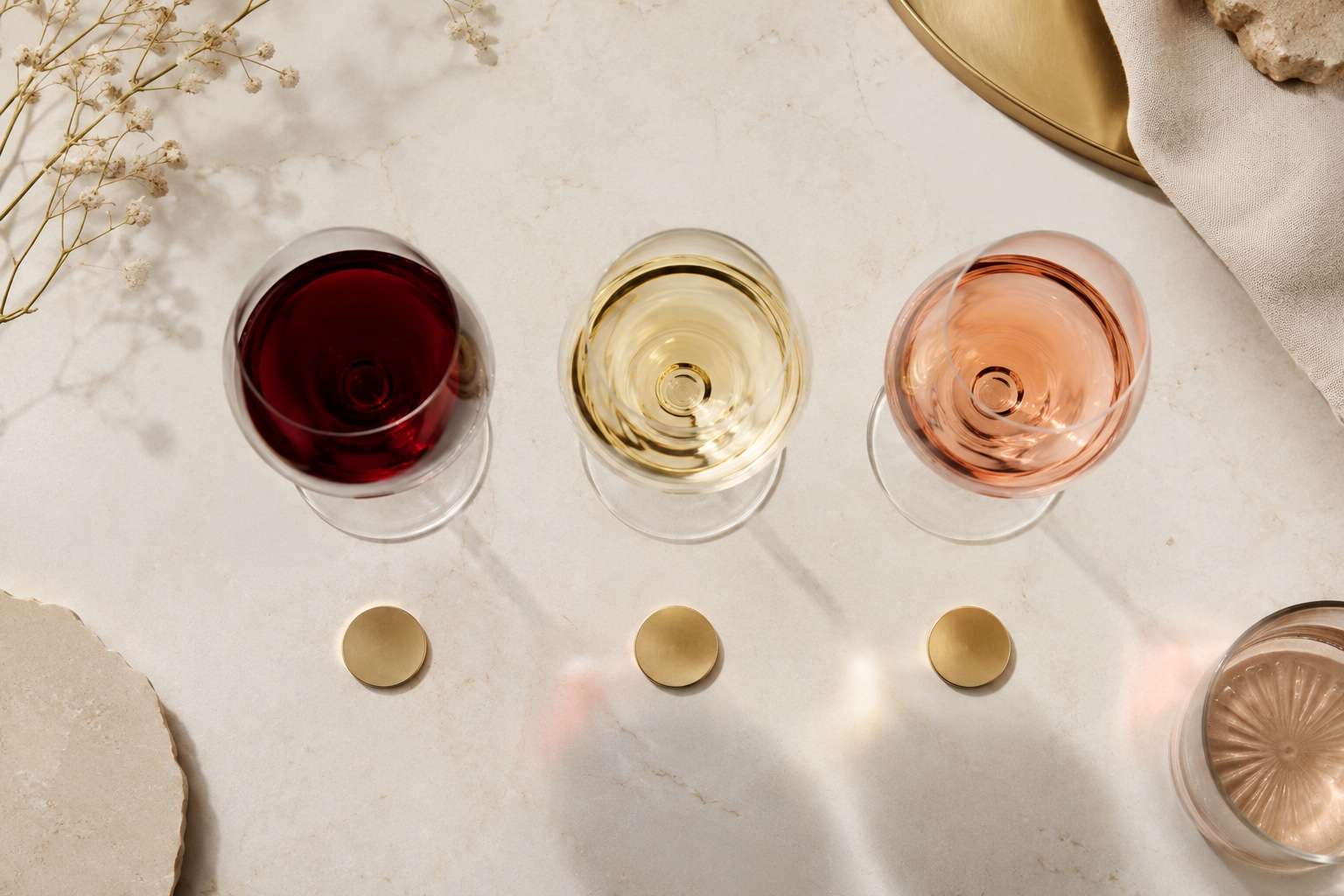
Cabernet Franc wine is aromatic, savory, and fresh. The fruit leans red: raspberry, red cherry, strawberry, and red currant, with darker plum and blackberry in warmer sites. Its personality comes from its savory side. Green bell pepper, jalapeño, tomato leaf, and dried herbs are classic, along with graphite or pencil lead, violet, and sometimes a gravelly, mineral note. Like its offspring Cabernet Sauvignon, it contains pyrazines, the natural compounds behind that green, herbal edge. Structurally, Cabernet Franc is medium-bodied, with bright acidity and moderate, fine-grained tannins. It is usually lighter and more perfumed than Cabernet Sauvignon, with 12.5–14% alcohol. Many Loire versions see little or no new oak, so the fruit and herbs shine. Richer styles show more plum, spice, and cocoa.
Cabernet Franc’s most famous varietal wines come from the Loire Valley, where it is the star red grape. Chinon, Bourgueil, Saint-Nicolas-de-Bourgueil, and Saumur-Champigny make fresh, aromatic wines with raspberry, pencil lead, and herbs. Lighter, sandy-soil versions are juicy and perfect for chilling; limestone and clay sites give more structure. In Bordeaux, Cabernet Franc is an important blending grape, especially on the Right Bank in Saint-Émilion, where it partners with Merlot and gives perfume and freshness. Outside France, it shines in cooler regions: New York’s Finger Lakes and Long Island, Virginia, Ontario, and Washington. Northeastern Italy, Argentina, and California also grow it, usually in riper, fuller styles.
Cabernet Franc is a parent of some of the world’s most famous grapes. DNA research showed that Cabernet Sauvignon is a natural cross of Cabernet Franc and Sauvignon Blanc, which explains why both Cabernets share herbal, bell-pepper notes. Cabernet Franc is also a parent of Merlot and Chile’s Carmenère. In Bordeaux blends, each family member plays a role: Cabernet Sauvignon gives structure, Merlot gives roundness, and Cabernet Franc gives aromatics and freshness. It ripens earlier than Cabernet Sauvignon and tolerates cooler conditions, which is why it is more important in the cooler Right Bank and the Loire. If you have enjoyed a Bordeaux blend, you have almost certainly tasted Cabernet Franc already.
Serve Cabernet Franc slightly cool, at 58–63°F. Light, fruity Loire bottles from sandy soils are even better at around 55°F, served like a light red on a summer evening. A short chill tames the herbal notes and lifts the fruit. Most Cabernet Franc does not need decanting. Structured bottles from Chinon’s limestone hillsides, Saint-Émilion blends, or richer New World examples benefit from 30 minutes of air when young. A standard red wine glass works well; a Bordeaux-style glass helps the aromatics. Opened bottles keep for three to four days in the fridge. Good Chinon and Bourgueil can age for 10 years or more, softening into earthy, leafy complexity. Our wine serving temperature guide covers when to chill other reds too.
Cabernet Franc’s herbal notes and bright acidity make it a fantastic food wine. It loves dishes with fresh herbs: roast chicken with thyme, herb-crusted lamb, and pork loin with sage. Its green-pepper side suits roasted peppers, stuffed peppers, and grilled vegetables. Earthy foods like lentils, mushrooms, and beets work well. Lighter Loire Cabernet Franc is a good choice with charcuterie, pâté, duck, and even salmon. Fuller styles suit burgers, steak frites, and roast beef. Goat cheese from the Loire is a natural regional match, as are semi-firm cheeses like Comté. Because tannins are moderate, it handles tomato-based dishes and mild spice better than Cabernet Sauvignon. Skip very sweet sauces and delicate white fish.
If you like Cabernet Franc, try its Bordeaux family, especially Right Bank blends from Saint-Émilion. Carmenère shares its green, herbal edge with softer tannins. For a similar fresh, aromatic red, try Pinot Noir, Gamay, or Austria’s Blaufränkisch. When buying, the Loire offers excellent value: Chinon, Bourgueil, and Saumur-Champigny are the classic names, often under $25. Younger, lighter Loire bottles are fruitier and great for chilling, while “vieilles vignes” (old vines) or single-vineyard bottles are deeper. New York’s Finger Lakes and Long Island make bright, peppery styles, and Virginia is building a strong reputation. Riper styles from Argentina or California are plusher and less herbal if you dislike green notes.
| Region | Style | What to Expect |
|---|---|---|
| Chinon & Bourgueil, Loire | Fresh and aromatic | Raspberry, pencil lead, herbs, bright acidity |
| Saumur-Champigny, Loire | Juicy, lighter | Red cherry, violet, easy to chill |
| Saint-Émilion, Bordeaux | Blended with Merlot | Plum, perfume, silky tannin |
| Finger Lakes & Long Island, New York | Cool-climate, peppery | Red fruit, herbs, crisp finish |
| Virginia | Medium-bodied, savory | Red berries, earth, gentle oak |
| Argentina & California | Riper and plusher | Dark plum, spice, less green character |
Serve Loire Cabernet Franc around 55–60°F to brighten the fruit.
Thyme, sage, and rosemary echo Cabernet Franc's savory, herbal notes.
Chinon and Bourgueil offer classic Cabernet Franc at friendly prices.
Learn Your Taste
Answer a few simple questions and discover styles that fit your palate.
Take the Wine QuizYes, usually. Cabernet Franc tends to be medium-bodied with softer tannins, brighter red fruit, and more herbal aromas. Cabernet Sauvignon is fuller, darker, and more tannic.
Cabernet Franc is dry. Its red fruit is bright and fresh, and its herbal, savory notes keep it from tasting sweet. A few ice wines are made from it in Canada, but those are rare.
Chinon is a town and appellation in France's Loire Valley. Its red wines are made almost entirely from Cabernet Franc and are known for raspberry, pencil lead, and herbal flavors.
Natural compounds called pyrazines give Cabernet Franc its green pepper aroma. They are more noticeable in cooler climates and less ripe grapes, and many fans enjoy that savory note.
Roast chicken, pork with herbs, lamb, mushrooms, lentils, roasted peppers, charcuterie, and goat cheese. Lighter styles even work with salmon, while fuller styles suit steak frites.
Yes. Cabernet Franc is one of Cabernet Sauvignon's parents, along with Sauvignon Blanc. It is also a parent of Merlot and Carmenère, making it a key member of the Bordeaux grape family.