Legs Equal Alcohol
Slow, thick tears usually signal higher alcohol or sugar, not better wine.

Understand Wine. Enjoy Every Glass.
Wine Basics
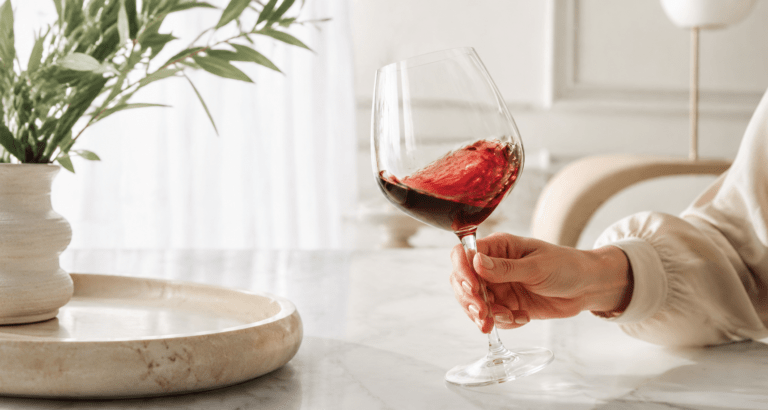
Swirl a glass of wine and you will see streaks slide down the inside. People call them legs or tears. They are fun to watch, but they say less than you might think.
Start Learning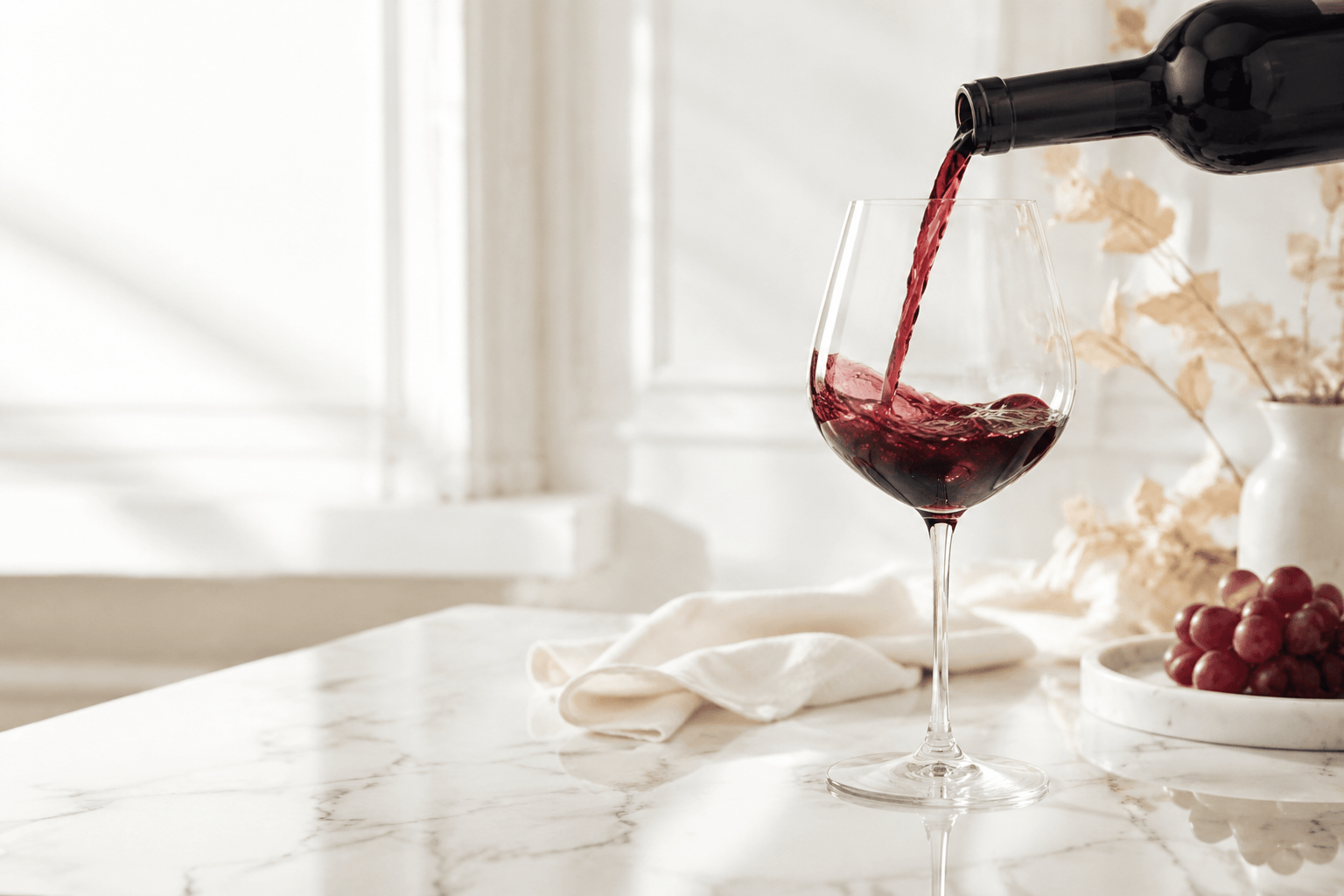
The simplest wine legs meaning is this: the streaks are a visual clue to a wine’s alcohol, and sometimes its sugar. After you swirl, a thin film of wine coats the inside of the glass. Droplets gather at the top edge of that film, then slide back down in arches and streaks. In English they are called legs or tears; in some languages they have charming names like church windows, a nod to their arched shape. Legs show up in nearly every wine, white or red, still or fortified. Some glasses look like a curtain of slow tears, while others show a few quick drips. What they cannot tell you is whether a wine is good, balanced, or worth the price. For that, you need to smell and taste, as described in our guide on how to taste wine.
Wine is mostly water and alcohol, and those two liquids behave differently. Alcohol evaporates faster than water and has lower surface tension. When you swirl, a thin film climbs the glass. Alcohol evaporates quickly from that film, leaving the liquid at the top with a higher share of water and stronger surface tension. That stronger tension pulls more wine up from the bowl, a phenomenon scientists call the Marangoni effect. Eventually gravity wins, and the extra liquid gathers into droplets that run back down as legs. The process keeps repeating as long as alcohol is evaporating, which is why you can watch tears form for a while. You will notice the same effect even more strongly with spirits. It is a lovely bit of physics in your glass, but it is about alcohol content more than flavor.

Alcohol is the biggest driver. A 15% Zinfandel or Amarone usually shows more pronounced legs than an 11% Vinho Verde. Sugar makes wine more viscous, so sweet wines like Sauternes, late-harvest Riesling, and Port tend to form thick, slow-moving tears. Temperature matters, since a warmer wine evaporates faster, so legs can look more dramatic in a warm room. Humidity plays a role too; in very humid air, evaporation slows and legs may be less visible. The glass itself is a hidden factor. Soap residue, dust, or towel lint can break up the film and change the pattern, while a perfectly clean glass shows legs most clearly. That means the same wine can look different from one glass or room to the next.
No. This is the most common myth about wine legs. Pronounced legs simply suggest higher alcohol or more sugar, and neither guarantees quality. A simple, inexpensive, high-alcohol red can show beautiful legs, while a delicate, world-class Riesling from the Mosel, with modest alcohol, may barely show any. In fact, wines that are too high in alcohol for their fruit can taste hot and unbalanced. What legs can do is give you a hint of what to expect. If a red wine forms slow, heavy tears, expect a fuller, richer feel and a warming finish. That ties legs to wine body, since alcohol and sugar both add weight in the mouth. Use legs as a fun preview, then let your palate deliver the verdict.
To see legs clearly, use a clean, clear glass with a stem, and pour about one-third full. Swirl gently for a few seconds, then hold the glass still at eye level or tilt it slightly against a light background. Watch how many droplets form and how fast they move. Quick, thin, widely spaced legs suggest a lighter, lower-alcohol wine. Slow, thick, closely spaced legs suggest a fuller, stronger, or sweeter wine. Then check your guess. Look at the alcohol percentage on the label, smell the wine, and take a sip. Over time, you will connect what you see to how wines feel. The right glass helps, and our wine glass guide explains which shapes make swirling and viewing easiest.
Legs are only one thing you can see in a glass, and several others tell you more. Color depth hints at grape and age: a pale, see-through red suggests a thin-skinned grape like Pinot Noir, while an inky purple suggests Syrah or Malbec. Color shift reveals age, since reds move from purple to garnet to brick and whites deepen from pale lemon to gold. Clarity matters too; most wines are clear, although some natural wines are intentionally hazy. Tiny bubbles in a still wine can be normal in young whites but can also signal refermentation. Write these observations down alongside aroma and taste using our guide to wine tasting notes, and you will build a much more useful picture than legs alone.
Choose a clear, stemmed glass rinsed well with no soap residue or towel lint.
Leave plenty of room in the bowl so you can swirl without spilling.
Swirl gently for a few seconds, then hold the glass still at eye level.
Notice how many droplets form, how thick they are, and how fast they fall.
Compare your guess with the alcohol percentage, then smell and sip to judge the wine.
| What You See | What It Usually Means | Example Wines |
|---|---|---|
| Few, fast, thin legs | Lower alcohol, dry, lighter body | Vinho Verde, Muscadet, Beaujolais |
| Moderate legs | Medium alcohol and body | Sauvignon Blanc, Pinot Noir, Chianti |
| Many slow, thick legs | Higher alcohol, fuller body | Zinfandel, Amarone, ripe Shiraz |
| Very syrupy, slow tears | High sugar, often fortified | Port, Sauternes, Pedro Ximénez Sherry |
| Broken or patchy legs | Soap residue or a dirty glass | Any wine in an unclean glass |
Slow, thick tears usually signal higher alcohol or sugar, not better wine.
Detergent residue breaks up legs and can also dull a wine's aroma.
Use legs as a preview, then let aroma and taste decide quality.
Learn Your Taste
Answer a few simple questions and discover styles that fit your palate.
Take the Wine QuizNo. Legs mainly reflect alcohol and sugar levels, not quality. A simple, high-alcohol wine can have dramatic legs, while a superb, low-alcohol white may show very few. Judge quality by aroma, flavor, balance, and finish.
The Marangoni effect. Alcohol evaporates faster than water from the thin film on the glass, raising the surface tension at the top. That pulls more wine upward until gravity forms droplets that run back down.
Usually, yes. Sugar makes wine thicker, so sweet wines like Port, Sauternes, and late-harvest Riesling often form slow, syrupy tears. Higher alcohol, which many dessert wines also have, adds to the effect.
The droplets look like tears running down the inside of the glass. Legs and tears mean the same thing. In some countries they are called church windows, because the arches resemble stained-glass windows.
The wine may be low in alcohol, the room may be cold or humid, or the glass may have soap residue or lint that breaks up the film. Try a freshly rinsed glass and a gentle swirl.
Not by color alone. Legs depend on alcohol and sugar, not color. A ripe, oaked Chardonnay can show more legs than a light Beaujolais. Many reds are higher in alcohol, which is why they often seem leggier.