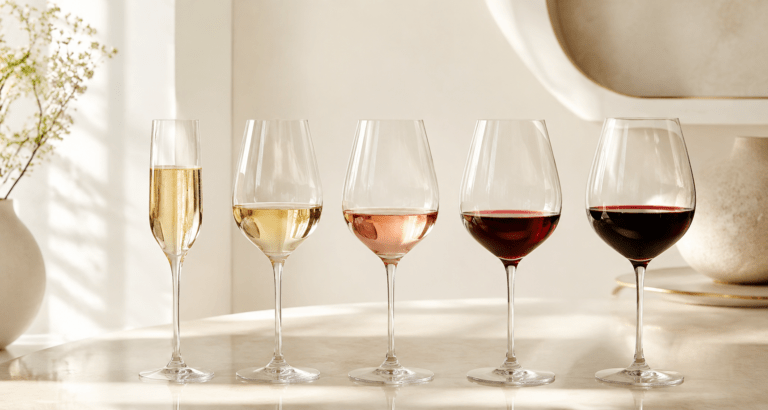
Look for Secco
Secco on a Lambrusco label means dry. Amabile and dolce mean off-dry and sweet.

Understand Wine. Enjoy Every Glass.
Wine Comparisons
Italy makes two wildly popular sparkling wines that could not look more different. One is a frothy purple red; the other is pale and golden. Here is how they compare.
Start Learning
Both are Italian sparkling wines, both are mostly made by the fast tank method, and both are affordable. The clear difference is that Lambrusco is usually red and Prosecco is white. Lambrusco is not one grape but a family of related red varieties grown mainly in Emilia-Romagna, around the cities of Modena and Reggio Emilia, with some across the border in Lombardy near Mantua. It makes frothy wines that range from pale pink to deep purple, with a refreshing tartness and a little tannin. Prosecco is made mostly from the white Glera grape in the Veneto and Friuli-Venezia Giulia, and it is known for light, fruity, floral bubbles. Many Americans remember Lambrusco as a cheap, sweet fizzy red, but quality dry Lambrusco is a serious, delicious food wine.
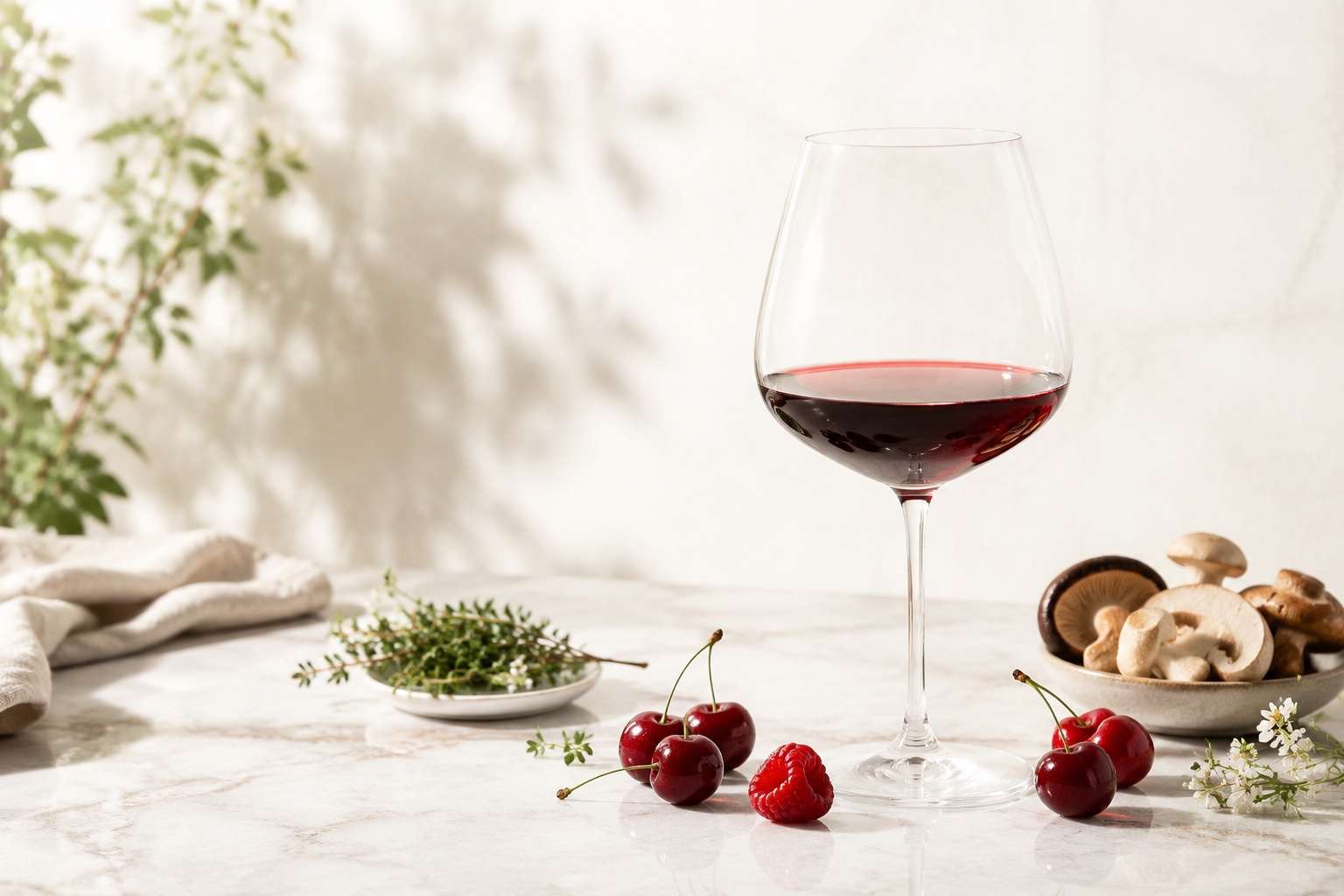
Lambrusco tastes of tart cherry, raspberry, blackberry, strawberry, and violets, sometimes with an earthy or rhubarb note. It has bright acidity, light to medium body, gentle tannin, and a foamy, fizzy texture. Alcohol is usually modest, around 10.5 to 12 percent. Prosecco tastes of green apple, pear, white peach, and honeysuckle, with light body, lively acidity, no tannin, and fully sparkling bubbles at about 11 percent alcohol. Sweetness labels differ for each. Lambrusco uses secco for dry, amabile for off-dry, and dolce for sweet. Prosecco uses Brut for dry and Extra Dry for slightly sweet, with Dry being sweeter still. Within Lambrusco, styles vary by grape: Lambrusco di Sorbara is pale, lean, and fragrant, Lambrusco Grasparossa is dark and firmly tannic, and Lambrusco Salamino sits between them with juicy fruit.
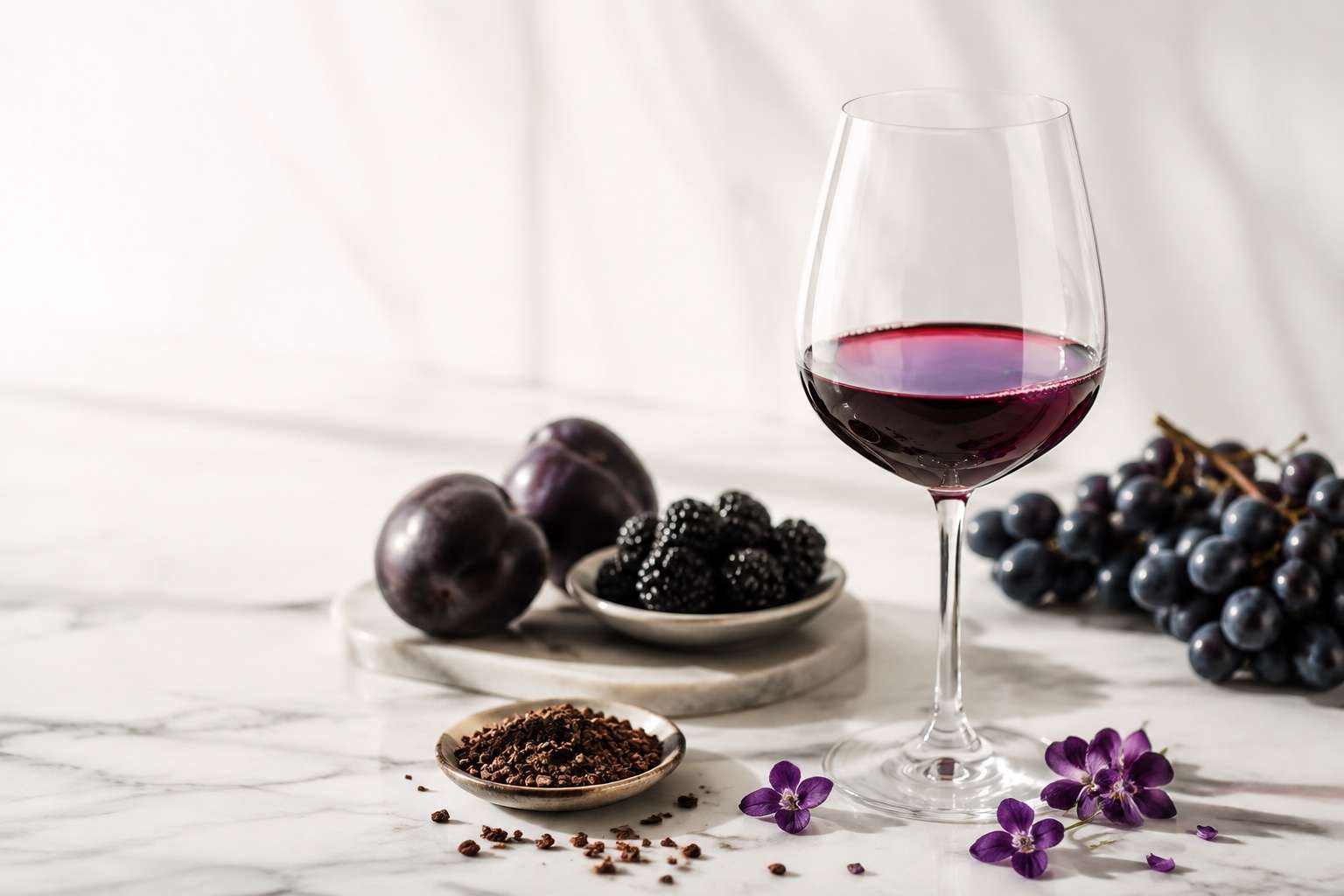
Lambrusco is the local wine of Emilia-Romagna, a region often called the food capital of Italy, home to Parmigiano-Reggiano, prosciutto di Parma, balsamic vinegar, and mortadella. The best-known appellations include Lambrusco di Sorbara, Lambrusco Grasparossa di Castelvetro, and Lambrusco Salamino di Santa Croce, all near Modena, plus Reggiano Lambrusco from Reggio Emilia. Most Lambrusco is made by the tank method, but a growing number of producers also make bottle-fermented and cloudy, unfiltered col fondo styles. Prosecco comes from northeast Italy, between Venice and the Alpine foothills. Basic Prosecco DOC covers a large area, while the steep hills of Conegliano Valdobbiadene and Asolo produce the higher-quality Prosecco Superiore DOCG. The two regions sit only a few hours’ drive apart, but their wines reflect very different local foods and traditions.
Lambrusco is one of the best charcuterie wines in the world. Its bubbles and acidity scrub away fat from salami, mortadella, and prosciutto, and its fruit balances salt. It is a natural with chunks of aged Parmesan, rich egg pastas with ragù, lasagna, pizza, burgers, and even fried chicken. Dry Lambrusco also works at Thanksgiving, bridging turkey, stuffing, and cranberry sauce. Sweeter amabile and dolce styles pair with fruit desserts, chocolate-covered strawberries, or spicy barbecue. Prosecco shines before the meal and with lighter dishes: prosciutto and melon, fried calamari, crostini, shrimp, sushi, and brunch favorites like eggs and fruit. It is also the base for spritzes and Bellinis. If your table is full of meats and cheese, pour Lambrusco; if it is light bites and seafood, pour Prosecco.
Serve Prosecco well chilled, around 40 to 45°F, in a tulip-shaped glass. Lambrusco should be cool but not icy, around 50 to 55°F, which lets its fruit and gentle tannin show while keeping the foam lively. A white wine glass works well for Lambrusco. Both are best fresh, ideally within a year or two of release, so they do not need cellaring. On price, both are good values. Quality dry Lambrusco from Sorbara or Castelvetro typically costs $12 to $22, and the cheapest sweet versions are often under $10. Prosecco DOC usually costs $10 to $18, with Prosecco Superiore DOCG a few dollars more. When shopping for Lambrusco, look for the word secco and a named appellation such as Lambrusco di Sorbara DOC for a drier, more authentic style. For a Spanish alternative to Prosecco, see Prosecco vs Cava.
Choose Lambrusco when you want something fun and food-friendly for pizza night, a charcuterie board, or a hearty Italian dinner. It is the perfect pick for red wine lovers who want something lighter and refreshing in warm weather, and it surprises guests who expect sparkling wine to be white. Choose Prosecco for toasts, cocktails, brunch, and any time you want a crisp, light sparkling white. It is easier to find, more familiar, and a reliable crowd-pleaser. Planning a party? Serve both: Prosecco as guests arrive, and Lambrusco when the food comes out. If you are new to Lambrusco, start with a dry Sorbara for a lighter, rosé-like style, or a Grasparossa if you enjoy fuller red wine. Either way, keep the bottle cool and drink it young.
| Attribute | Lambrusco | Prosecco |
|---|---|---|
| Color | Pink to deep purple; mostly red | Pale straw white |
| Grapes and region | Lambrusco family; Emilia-Romagna and Lombardy | Glera; Veneto and Friuli |
| Flavor | Tart cherry, raspberry, violet, light tannin | Green apple, pear, honeysuckle, no tannin |
| Sweetness labels | Secco (dry), amabile (off-dry), dolce (sweet) | Brut (dry), Extra Dry and Dry (off-dry) |
| Serving temperature | About 50–55°F | About 40–45°F |
| Best food | Salumi, Parmesan, lasagna, pizza | Aperitivo, seafood, brunch, spritzes |
Secco on a Lambrusco label means dry. Amabile and dolce mean off-dry and sweet.
Serve Lambrusco around 50–55°F, cooler than red wine but warmer than Prosecco.
Lambrusco's bubbles and acidity cut fat, making it ideal with salami and prosciutto.
Learn Your Taste
Answer a few simple questions and discover styles that fit your palate.
Take the Wine QuizIt can be, but much of the best Lambrusco is dry. Look for secco on the label for dry, amabile for off-dry, and dolce for sweet. The sweet, inexpensive styles once common in the U.S. are only one part of the picture.
Both. Lambrusco is usually a sparkling red wine, made from red Lambrusco grapes and given frothy bubbles. Some versions are pink, and a few are lightly fizzy rather than fully sparkling, but nearly all have bubbles.
Generally not. Both usually land around 10.5 to 12 percent alcohol, and sweet amabile or dolce Lambrusco can dip lower. That is lighter than most still reds and whites, which makes either one an easy choice for a long lunch or an aperitivo hour.
Lambrusco is perfect with cured meats like salami, prosciutto, and mortadella, plus aged Parmesan, lasagna, and pizza. Its acidity and bubbles cut through fat and salt, which is why it is the everyday wine of Emilia-Romagna.
Prosecco is far more widely sold and recognized around the world, especially for toasts and cocktails. Lambrusco is a beloved local staple in Emilia-Romagna and is gaining fans abroad as more dry, high-quality versions arrive.
Yes. A Lambrusco spritz, made with dry Lambrusco, a bitter aperitivo liqueur, soda water, and an orange slice, is a fun, fruity twist on the classic Prosecco spritz and pairs well with salty snacks.