Give Pinot Noir 20 Minutes in the Fridge
Aim for 55–60°F. A short chill brings out Pinot's bright cherry and raspberry fruit.

Understand Wine. Enjoy Every Glass.
Grape Varieties
Pinot Noir is light in color but big in personality: silky, aromatic, and wonderful with food. Here is what it tastes like and where to find the best styles.
Start Learning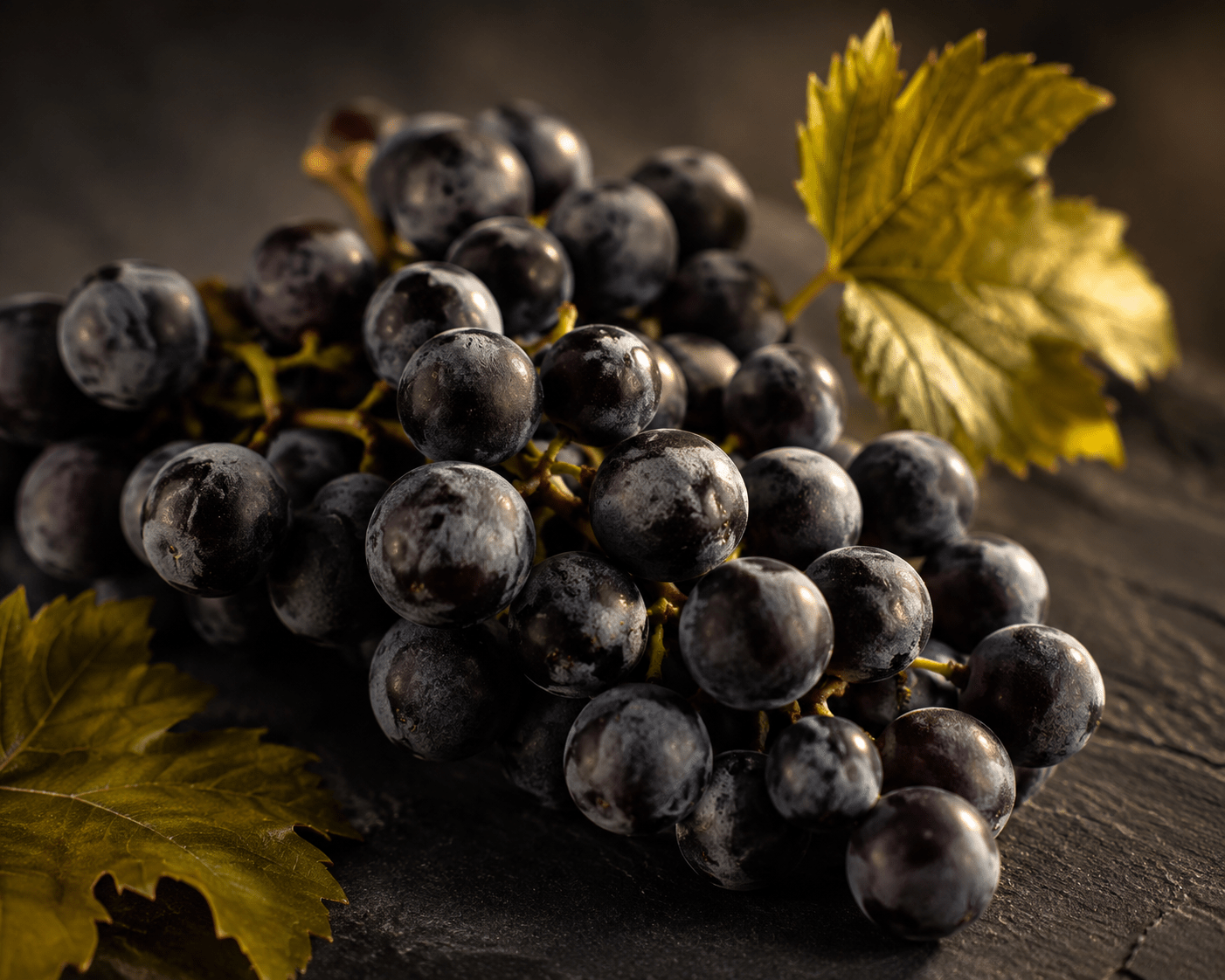
Pinot Noir wine tastes of red fruit: cherry, raspberry, strawberry, and cranberry. Riper styles lean toward black cherry and plum. Behind the fruit sits the earthy, savory side that makes Pinot so loved, with notes of mushroom, damp leaves, rose petal, and baking spices such as clove and cinnamon. Pinot Noir grapes have thin skins, so the wine is pale and translucent, and the tannins are low and silky. Acidity is high, which makes it taste fresh and keeps it lively with food. It is light- to medium-bodied, usually 12.5–14% alcohol. Many winemakers use some oak, which adds vanilla and toast without hiding the fruit. As Pinot ages, it trades fresh fruit for dried cherry, leather, and truffle. It is a famously hard grape to grow, which is part of why good bottles cost more.
Pinot Noir needs a cool climate to keep its fresh acidity and delicate aromas. Its spiritual home is Burgundy, where red Burgundy is almost all Pinot Noir, labeled by village or vineyard rather than grape. Expect earth, red fruit, and finesse. Pinot is also one of the main grapes in Champagne. In the US, Oregon’s Willamette Valley makes bright, earthy Pinot often compared to Burgundy. California’s Russian River Valley and Sonoma Coast give riper, fuller black-cherry styles, as do Santa Barbara’s Santa Rita Hills. New Zealand’s Central Otago produces vivid, dark-fruited Pinot, and Martinborough and Marlborough add more. Germany, where it is called Spätburgunder, is a rising source of value.
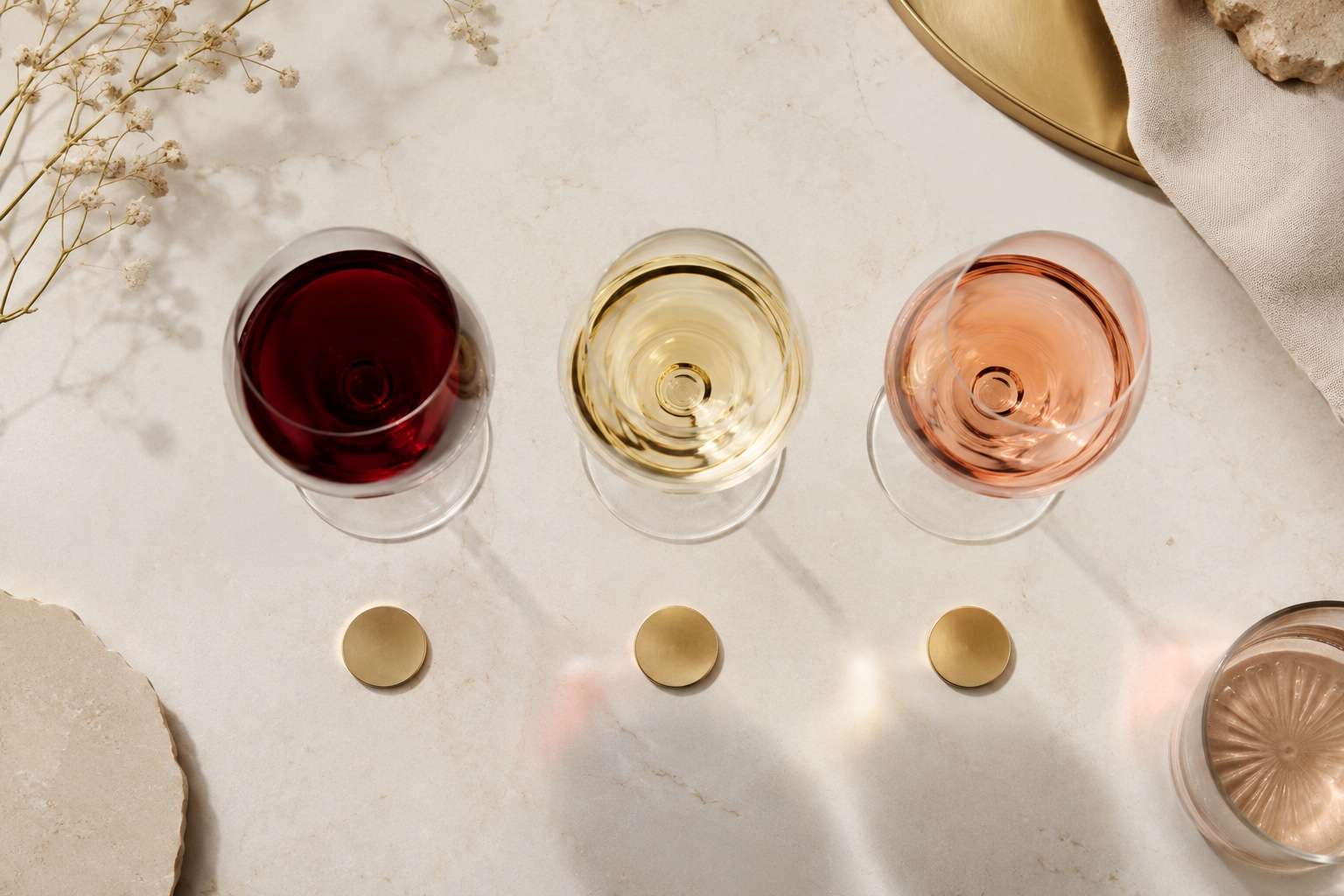
Serve Pinot Noir cooler than most reds, at 55–60°F. That slight chill lifts its red-fruit aromas and keeps the alcohol in check; about 20 to 30 minutes in the fridge does it. Most Pinot does not need decanting. Young, structured Burgundy or Oregon Pinot can open up with 15 to 20 minutes in the glass, but long decanting can blow away its delicate perfume. Use a wide, balloon-shaped Burgundy glass if you have one. The wide bowl collects aromas and the narrower rim directs them to your nose. Fill only about one-third. Because it is delicate, opened Pinot fades faster than bolder reds: recork it, refrigerate it, and finish it within two to three days. Our wine serving temperature guide covers other reds too.
Pinot Noir may be the most food-friendly red wine. Its high acidity and low tannin mean it works with dishes that would clash with bigger reds. It is the classic red for fish, especially salmon and tuna, because it lacks the heavy tannin that turns metallic with seafood. Duck is a famous match, whether roasted or with a cherry sauce. Roast chicken, turkey, and pork all work, and Pinot is a go-to for Thanksgiving dinner. Earthy foods are where it really sings: mushrooms, lentils, beets, and truffle dishes echo its forest-floor notes. For cheese, choose Gruyère, Comté, or a mild washed-rind cheese. Avoid very bold, heavily sauced red meats, which overwhelm it.
If you like Pinot Noir’s lightness and red fruit, try Gamay, the grape of Beaujolais, just south of Burgundy. It is juicier and more playful, and often cheaper. Austria’s Zweigelt and Blaufränkisch offer bright cherry with a peppery twist. Italy’s Nebbiolo shares Pinot’s pale color and rose aroma but has much more tannin. For a fuller, darker red with a similar lift, try northern Rhône Syrah; see Pinot Noir vs Syrah. To see how Pinot stacks up against the heavyweights, read Pinot Noir vs Cabernet Sauvignon. Pinot Noir’s color mutations, Pinot Gris and Pinot Blanc, make white wines.
Good Pinot is rarely the cheapest bottle on the shelf, because the grape is fussy and low-yielding. For Burgundy, start with regional “Bourgogne Rouge,” then move up to village wines such as Gevrey-Chambertin, Volnay, or Mercurey for more depth. For Oregon, look for Willamette Valley or its sub-regions like Dundee Hills. California labels naming a cool area, such as Sonoma Coast, Russian River Valley, Anderson Valley, or Santa Rita Hills, signal a quality focus. Chile’s Casablanca Valley and Germany’s Spätburgunder offer value. Very dark, jammy, inexpensive “Pinot Noir” is often blended with other grapes, which US law allows up to 25%. If you want true Pinot character, expect to spend a bit more.
| Region | Style | What to Expect |
|---|---|---|
| Burgundy, France | Earthy and elegant | Red cherry, mushroom, fine tannin, ages well |
| Willamette Valley, Oregon | Bright and savory | Cranberry, cherry, forest floor, fresh acidity |
| Sonoma Coast & Russian River, California | Riper and fuller | Black cherry, cola, baking spice |
| Central Otago, New Zealand | Vivid and fruity | Dark cherry, plum, wild herbs |
| Germany (Spätburgunder) | Light and fresh | Tart red fruit, gentle earth, good value |
| Santa Rita Hills, California | Cool-climate, structured | Raspberry, spice, firm acidity |
Aim for 55–60°F. A short chill brings out Pinot's bright cherry and raspberry fruit.
Pinot's delicate aromas fade fast; let it open in the glass instead.
Low tannin makes Pinot Noir the go-to red for salmon and tuna.
Learn Your Taste
Answer a few simple questions and discover styles that fit your palate.
Take the Wine QuizPinot Noir is dry. Its bright cherry and strawberry fruit can seem sweet, but almost all Pinot Noir is fermented fully dry, with high acidity that keeps it fresh.
Yes. Pinot Noir is one of the lightest common reds, with pale color, low tannin, and light to medium body. Warm-climate versions can be fuller and riper, but rarely heavy.
Yes, slightly. Serve it at 55–60°F, which is cooler than most rooms. A 20 to 30 minute chill makes the fruit taste brighter and keeps the alcohol from standing out.
It is hard to grow. Thin skins make it prone to rot and disease, it needs cool sites, and yields are often low. All of that raises costs, especially in Burgundy.
Yes. It is the classic red for fish. Low tannin means it will not taste metallic with seafood, and its acidity suits rich fish like salmon, tuna, and swordfish.
Red Burgundy is Pinot Noir from the Burgundy region of France. Labels name the place, not the grape, ranging from regional Bourgogne Rouge up to village and Grand Cru vineyard wines.