Compare Two Subregions
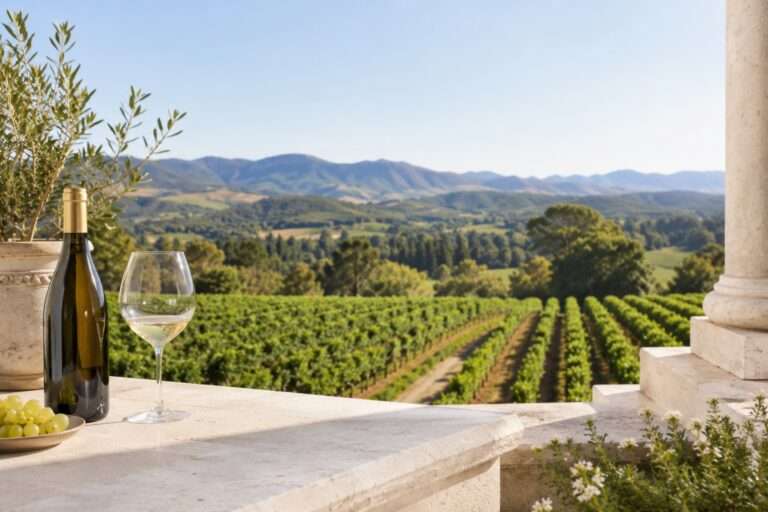
Taste Bannockburn and Gibbston Pinot Noir side by side to see how site shapes style.

Understand Wine. Enjoy Every Glass.
Wine Regions
Snowy peaks, gold-rush towns, and schist hillsides make Central Otago one of the world's most dramatic wine regions. Its Pinot Noir is the reason wine lovers seek it out.
Start Learning
Central Otago is in the south of New Zealand’s South Island, inland from Queenstown, and it is one of the southernmost wine regions in the world. Unlike the rest of New Zealand’s wine country, which is shaped by the sea, Central Otago is ringed by mountains and has a continental climate. Summers bring hot, sunny, very dry days and cold nights, while winters are icy, with snow on the peaks. Frost is a constant threat in spring and autumn. The high mountains block rain from the west, so this is the driest region in the country and many vineyards rely on irrigation. Strong sunshine and big day-to-night temperature swings build deep color and intense fruit while keeping acidity fresh. Soils are mainly schist, a flaky rock, along with loess and gravel, which drain freely. These conditions give Central Otago Pinot Noir its bold, pure fruit and distinctive herbal edge.

Pinot Noir covers the large majority of Central Otago’s vineyards, and it is what made the region famous. Expect a deeper color than many Pinot Noirs and a burst of ripe fruit: dark cherry, black plum, raspberry, and blackberry. Many wines also show a savory, herbal note often compared to wild thyme, which grows across the region’s hills, plus baking spice and sometimes a hint of earth. Tannins are silky and fine, acidity is bright, and the body is usually medium. Young wines are juicy and generous, which makes them easy to enjoy early. Better bottles gain complexity, with forest-floor and mushroom notes, over five to ten years. Compared with red Burgundy, Central Otago Pinot Noir is usually riper and more fruit-forward. Compared with Oregon’s Willamette Valley, it often has darker fruit and more intensity.

Central Otago is spread across several valleys and basins, each with its own character. Gibbston, in a narrow gorge near Queenstown, is the coolest and highest subregion, making lighter, more perfumed Pinot Noir. Bannockburn, on the southern edge of the Cromwell Basin, is one of the warmest and driest, known for rich, powerful wines with dark fruit. The wider Cromwell Basin also includes Bendigo, Lowburn, and Pisa, together home to many of the region’s vineyards, with ripe, full-flavored styles. Alexandra, to the southeast, is one of the most southerly areas, giving taut, savory wines. Wanaka, by the lake of the same name, is small and scenic. Gibbston and Bannockburn make a great side-by-side comparison: the same grape, a short drive apart, in noticeably different styles.
Pinot Noir gets the headlines, but the region’s cool nights also suit aromatic whites. Pinot Gris is the most planted white, with pear, apple, and spice, made in dry to off-dry styles. Riesling can be outstanding, with lime and floral notes and racy acidity, from bone-dry to lightly sweet. Chardonnay is smaller in volume but increasingly impressive, with citrus and a mineral edge. Gewürztraminer and Sauvignon Blanc appear too. The region’s crisp acidity also makes it well suited to traditional-method sparkling wine from Pinot Noir and Chardonnay. Many producers make a Pinot Noir rosé, which is a fun, fresh way to taste the region’s fruit in summer. If you have only tried New Zealand’s famous Sauvignon Blanc from Marlborough, these wines show a completely different side of the country.
Start with a regional Central Otago Pinot Noir, a blend from several subregions. It shows the region’s ripe cherry fruit and herbal spice and is easier to find than single-vineyard wines. Then compare bottles from Bannockburn and Gibbston to taste the difference between warm and cool sites. Pinot Noir’s bright acidity and silky tannins make it one of the most food-friendly red wines. In New Zealand, the classic pairing is roast lamb, especially with rosemary or thyme, which echo the wine’s herbal notes. It is also excellent with duck, venison, salmon, mushroom risotto, and pork belly. The local Pinot Gris pairs with spiced pork and Asian dishes, while dry Riesling suits fish, shellfish, and Thai food. Serve Pinot Noir slightly cool, around 58 to 62°F, in a wide-bowled glass. Young bottles benefit from 20 to 30 minutes of air.
Central Otago is one of the most scenic wine regions on Earth and is easy to combine with a trip to Queenstown, New Zealand’s adventure capital. Gibbston is only a short drive from town, so you can visit cellar doors there in an afternoon. The Cromwell Basin and Bannockburn are farther out and reward a full day. The region’s old gold-mining history shows in its small towns, and cycling trails such as the Otago Central Rail Trail let you explore by bike. Summer, from December to February, brings long, warm days, while autumn, from March to May, offers golden vineyards and harvest activity, usually from late March into May. Winter is ski season, and some cellar doors keep shorter hours. Distances are long and roads can be winding, so plan routes carefully, book tastings ahead, and arrange a driver.
| Grape or Style | Character | Try It With |
|---|---|---|
| Pinot Noir (Bannockburn, Cromwell) | Dark cherry, plum, spice, ripe and rich | Roast lamb, venison |
| Pinot Noir (Gibbston) | Lighter, perfumed, red fruit, herbal | Duck, salmon, mushrooms |
| Pinot Gris | Pear, apple, spice, dry to off-dry | Spiced pork, Asian dishes |
| Riesling | Lime, floral, racy acidity | Thai food, shellfish |
| Chardonnay | Citrus, mineral, elegant | Roast chicken, white fish |
| Pinot Noir rosé | Fresh strawberry and cherry | Salads, summer picnics |
Taste Bannockburn and Gibbston Pinot Noir side by side to see how site shapes style.
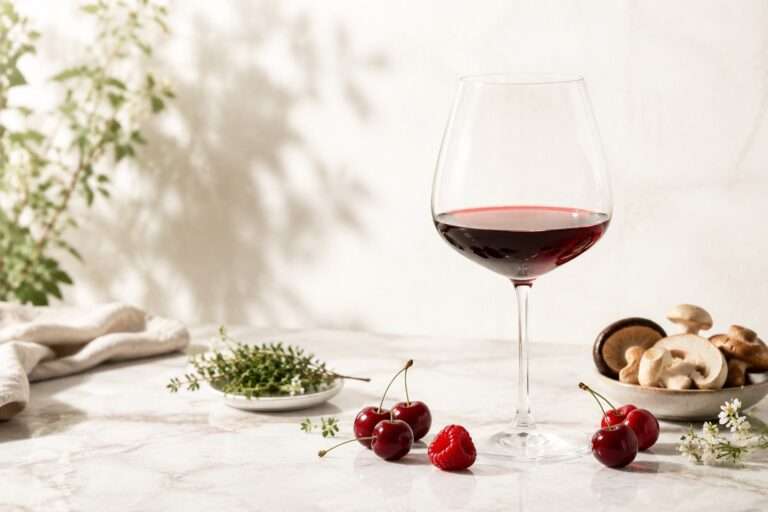
Slightly below room temperature keeps the region's ripe cherry fruit bright and fresh.
Herb-crusted roast lamb is the local favorite match for the region's Pinot Noir.
Learn Your Taste
Answer a few simple questions and discover styles that fit your palate.
Take the Wine QuizIt tastes of dark cherry, plum, and raspberry, with notes of wild thyme, spice, and earth. It is usually medium-bodied, with silky tannins and bright acidity, and riper and more fruit-forward than many European Pinot Noirs.
Hot, sunny days build ripe fruit and color, while cold nights keep acidity fresh. Dry air reduces disease, and free-draining schist and gravel soils limit vine vigor. Together, these conditions give intense, balanced Pinot Noir.
It is one of the southernmost. Central Otago is often described this way, though some vineyards in southern Chile and Argentina's Patagonia lie at similar or slightly more southerly latitudes.
Most are delicious within the first five years. Better bottles from top sites can age for ten years or more, developing savory notes of mushroom, forest floor, and dried cherry.
It is generally a mid-range to premium wine, because yields are low and frost and weather make farming costly. Regional blends offer the best value, while single-vineyard bottles cost more.
The region also makes Pinot Gris, Riesling, Chardonnay, Gewürztraminer, rosé, and traditional-method sparkling wine. Its aromatic whites are especially good, with crisp acidity from the cool nights.