Choose Secco
For savory food, pick secco Lambrusco. It is dry, fresh, and food-friendly.

Understand Wine. Enjoy Every Glass.
Grape Varieties
Lambrusco is Italy's lightly sparkling red, and the good stuff is dry, juicy, and made for food. Here is what it is, how it is made, and how to serve it.
Start Learning
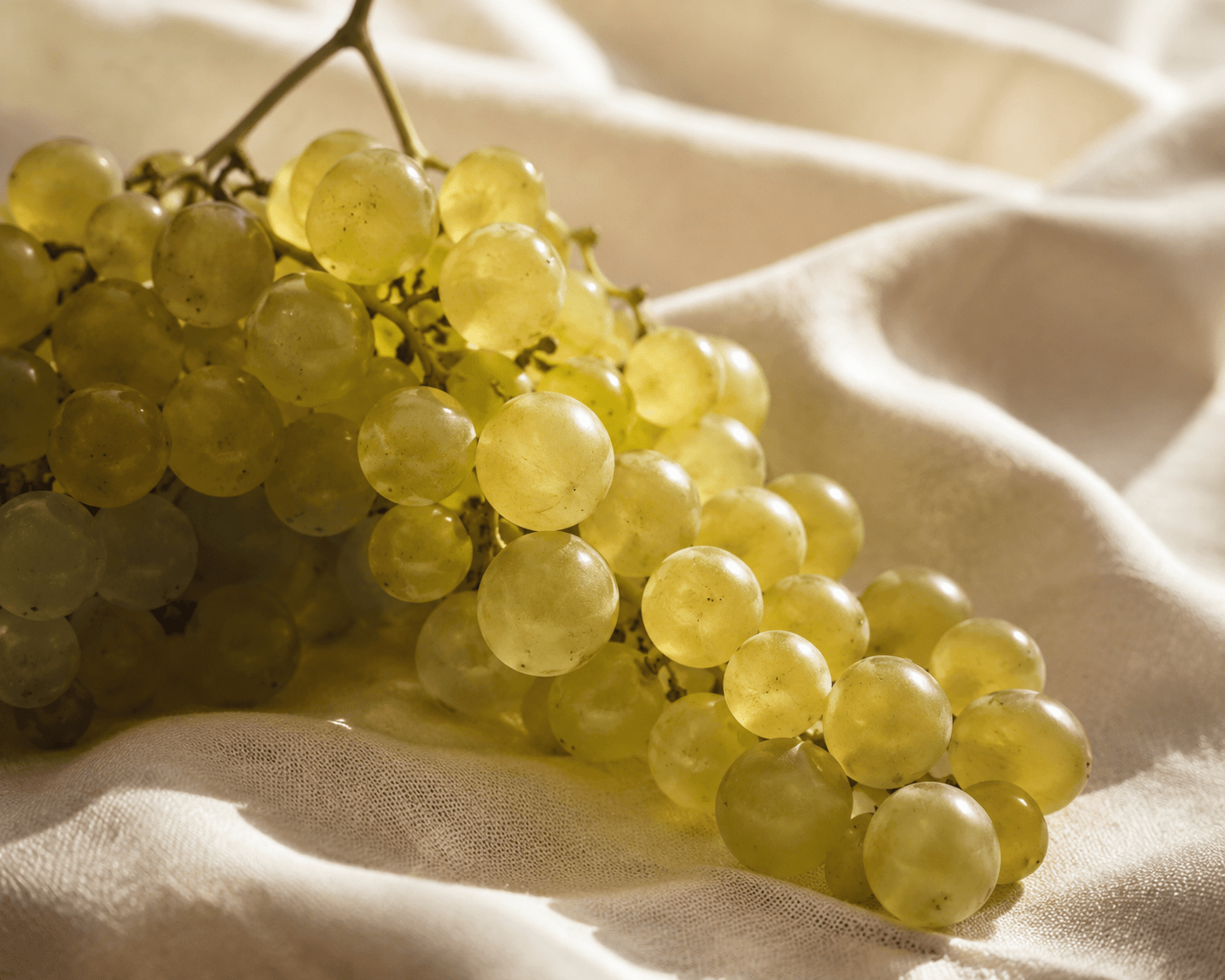
Lambrusco is both a family of red grapes and the frothy, usually red wine made from them. Its home is Emilia-Romagna in northern Italy, especially the provinces of Modena and Reggio Emilia, with some production in nearby Parma and in Lombardy around Mantua. This is the region of Parmigiano-Reggiano, prosciutto di Parma, and balsamic vinegar, and the wine evolved to go with that rich food. Lambrusco is usually frizzante, meaning lightly sparkling, though some bottles are fully spumante. It comes as a deep purple red wine or as a pale pink rosato. Many Americans remember the sweet, cheap Lambrusco exported in the 1970s and 1980s. Today, the best bottles are dry, fresh, and serious, and they are worth rediscovering.
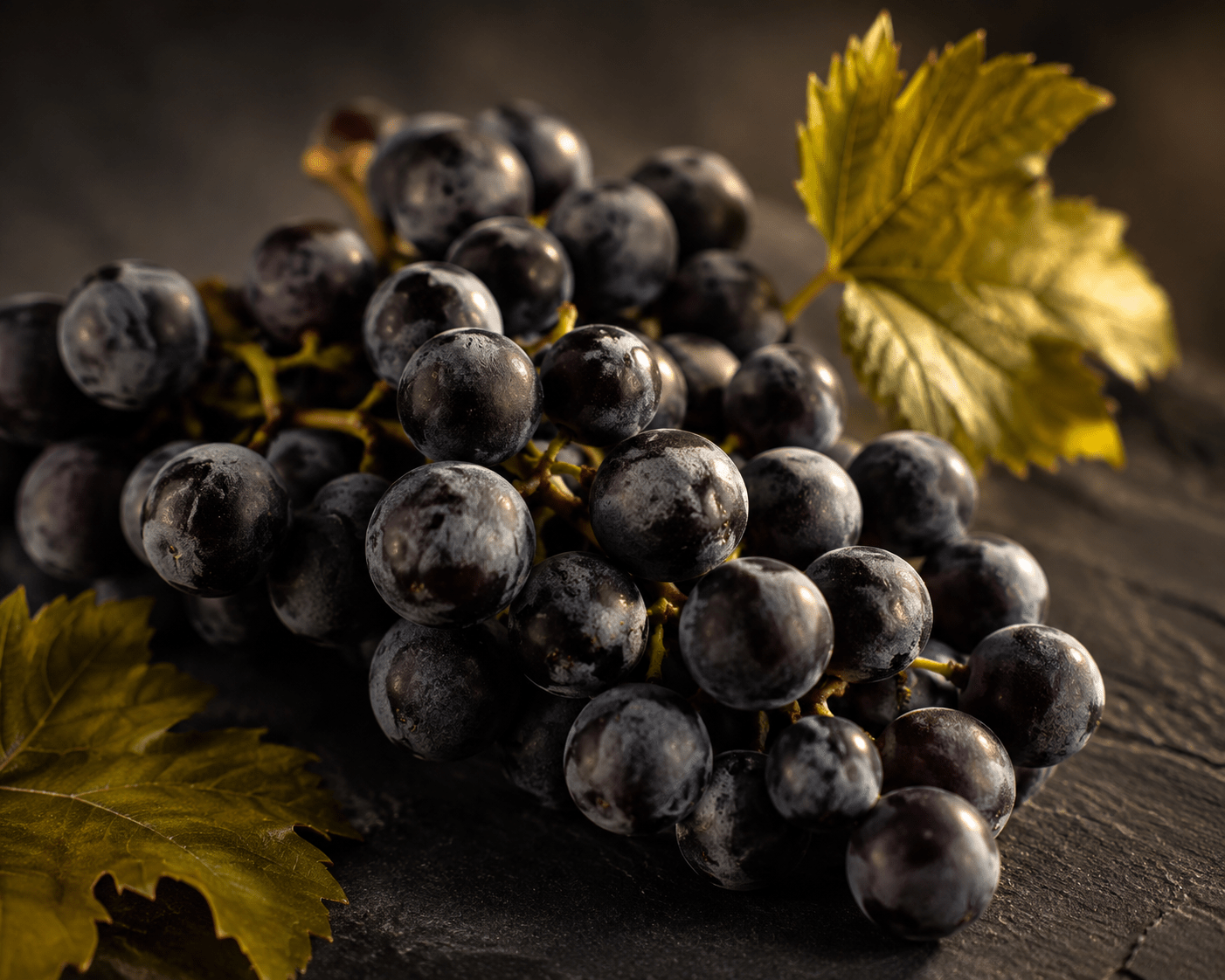
There are many Lambrusco varieties, each with its own character. Lambrusco di Sorbara makes the lightest, palest wines, often almost rosé in color, with high acidity, floral aromas of violet, and tart red berries. Lambrusco Grasparossa di Castelvetro is the opposite: the darkest and fullest, with blackberry, plum, and noticeable tannin. Lambrusco Salamino di Santa Croce, named for its sausage-shaped bunches, falls in between, with juicy cherry fruit and good color. These names are also DOC appellations around Modena. Lambrusco Reggiano, from Reggio Emilia, is often a blend of several varieties, and it is where many sweeter export styles originate. Lambrusco Maestri and Marani are other important varieties often used in blends.
Most Lambrusco gets its bubbles from the tank method, also called Charmat or Martinotti. The grapes are fermented into a base wine, and then a second fermentation takes place in a large sealed pressurized tank, which traps carbon dioxide as bubbles. This keeps the wine fresh, fruity, and affordable. Some producers make Lambrusco by refermentation in the bottle, the traditional or ancestral method. These bottles can be cloudy with sediment, drier, and more complex, sometimes labeled rifermentato in bottiglia. Winemakers control sweetness by stopping fermentation earlier or later. The bubbles in Lambrusco are lighter than in Champagne, giving a soft, frothy texture rather than a sharp fizz. For more on sparkling wine production, see our sparkling wine guide.
Lambrusco ranges from bone dry to quite sweet, so the label matters. Secco means dry, the classic style in Emilia-Romagna and the best choice with savory food. Amabile means off-dry or lightly sweet, with a gentle fruitiness. Dolce means sweet, best with dessert or for those who like sweet red wine. Some bottles say semisecco, which falls between secco and amabile. If you remember Lambrusco as sweet and soda-like, start with a secco from Sorbara or Grasparossa to see how different it can be. Look for the DOC names on the label as a quality signal. Our guide to dry vs. sweet wine explains sweetness more generally.
Serve Lambrusco lightly chilled, at 50–55°F, cooler than most reds but warmer than white wine. That temperature keeps its fruit juicy and its bubbles lively while preventing tannins from tasting harsh. Thirty to sixty minutes in the refrigerator does the trick. In Emilia-Romagna, it is often served in simple tumblers or white wine glasses rather than flutes, which suits its casual nature. Open it like any sparkling wine, holding the cork and twisting the bottle gently. Lambrusco is meant to be drunk young, ideally within a year or two of the vintage. An opened bottle stays fizzy for a day or two with a sparkling stopper in the fridge.
Lambrusco was born to go with the rich food of Emilia-Romagna. Its acidity, bubbles, and light tannin cut through fat, making it perfect with charcuterie like mortadella, salami, and prosciutto di Parma. It is a classic with Parmigiano-Reggiano, tortellini in broth, and lasagna Bolognese. It is also excellent with pizza, burgers, barbecue, fried chicken, and even Thanksgiving turkey. Sweeter amabile and dolce styles pair with chocolate and berry desserts. If you enjoy Lambrusco, try Gamay from Beaujolais for a light, juicy, chillable red. Brachetto d’Acqui is a sweet, fizzy red from Piedmont. For a sparkling comparison, see Lambrusco vs. Prosecco.
| Grape or Style | Character | What to Expect |
|---|---|---|
| Lambrusco di Sorbara | Lightest, palest | Tart red berries, violet, high acidity |
| Lambrusco Grasparossa di Castelvetro | Darkest, fullest | Blackberry, plum, noticeable tannin |
| Lambrusco Salamino di Santa Croce | Middle weight | Juicy cherry, good color, balanced |
| Lambrusco Reggiano | Often a blend | Fruity, ranges from dry to sweet |
| Secco | Dry | Best with savory food like salumi and pasta |
| Amabile or Dolce | Off-dry to sweet | Ripe berry fruit, good with dessert |
For savory food, pick secco Lambrusco. It is dry, fresh, and food-friendly.
Serve Lambrusco at 50–55°F, about 30–60 minutes in the fridge.
Mortadella, prosciutto, and Parmigiano are Lambrusco's classic partners.
Learn Your Taste
Answer a few simple questions and discover styles that fit your palate.
Take the Wine QuizIt can be either. Secco Lambrusco is dry and is the traditional style in Emilia-Romagna. Amabile is lightly sweet, and dolce is sweet. Check the label to find the style you want.
Yes. Most Lambrusco is frizzante, meaning lightly sparkling, with softer bubbles than Champagne. Some versions are fully sparkling, and a few still versions exist, but they are rare.
Usually, yes. Most Lambrusco is a deep purple or ruby red wine. Some is made as rosato, or rosé, and Lambrusco di Sorbara is often so pale that it looks like a rosé even when labeled red.
Yes. Serve Lambrusco lightly chilled, around 50–55°F. That keeps its fruit fresh and its bubbles lively. Thirty to sixty minutes in the refrigerator is usually enough.
Cured meats, Parmigiano-Reggiano, tortellini, lasagna, and pizza are classic matches. Lambrusco also pairs well with burgers, barbecue, fried chicken, and turkey, thanks to its acidity and bubbles.
Most Lambrusco has around 10.5% to 11.5% alcohol, lower than many still red wines. Sweeter styles can be even lower, since less sugar has been fermented into alcohol.