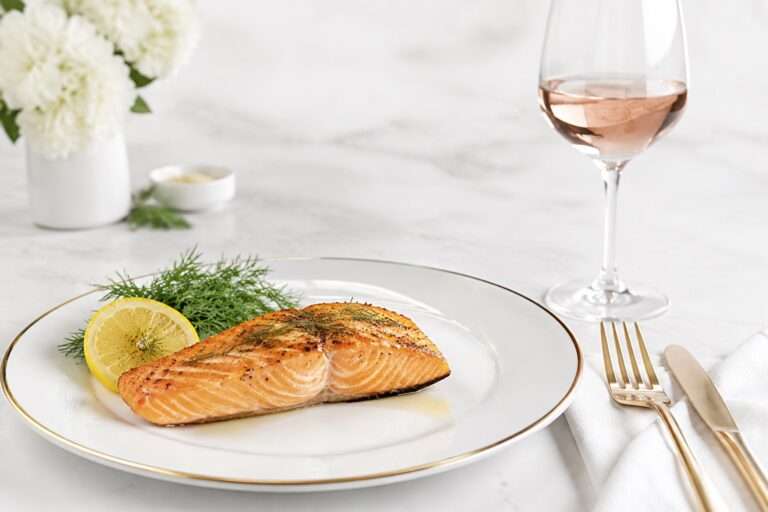
Pour Bubbles First
Sparkling wine suits every appetizer and sets a festive mood as guests arrive.

Understand Wine. Enjoy Every Glass.
Wine Pairings
Christmas dinner changes from house to house: roast beef, glazed ham, turkey, goose, or seven fishes. Start with the main course, and the right bottle follows.
Start Learning
The secret to picking wine with Christmas dinner is to pair with the main course and its sauce, not the holiday itself. A rare roast with horseradish wants a structured red. A sticky, sweet-glazed ham needs fruit and acidity. Roast turkey with cranberry favors light, juicy reds, and a fish feast calls for crisp whites. Christmas meals are also long and rich, so wines with lively acidity keep the table feeling fresh through several courses. Think of the evening in stages: something sparkling with nibbles, one or two wines matched to the main dish, then a sweet or fortified wine with pudding, cake, or cheese. Planning in stages also makes shopping easier, because you buy for each moment instead of hunting for one bottle that does everything.
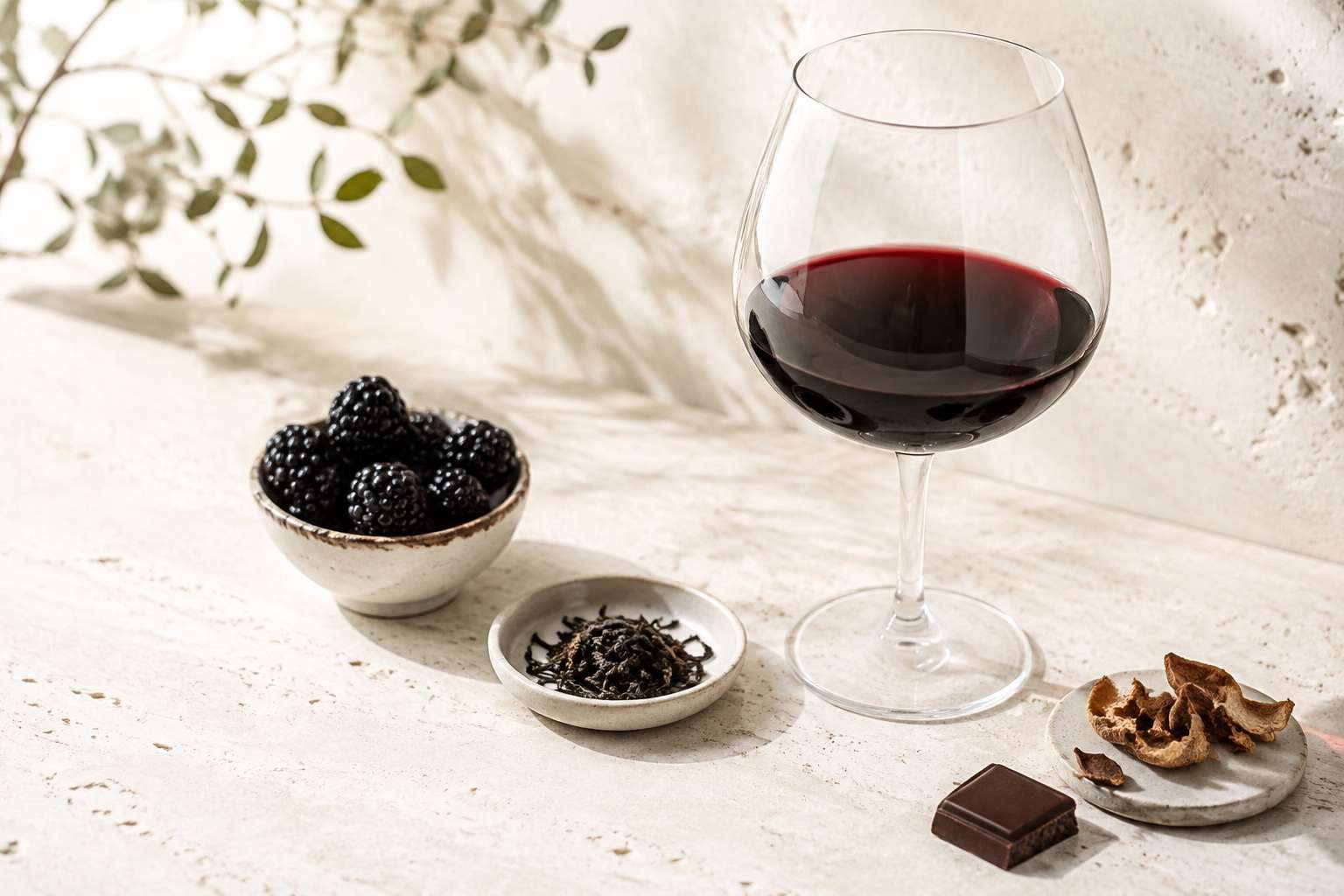
A roast beef or standing rib roast is the moment for your best red. Classic Bordeaux and Cabernet-based blends have the firm tannins to stand up to rich, fatty beef and Yorkshire pudding drippings. A Bordeaux from the Left Bank leans on Cabernet Sauvignon for cassis and cedar, while Right Bank wines lean on Merlot for softer plum fruit. For the full breakdown, see our guide to wine with prime rib. Northern Rhône Syrah and Rioja Reserva are excellent alternatives with savory, peppery, or spicy-oak notes. Roast leg of lamb with rosemary and garlic loves the same styles, especially Rioja and Bordeaux. Decant young, powerful reds for about an hour before the roast comes out of the oven so they soften and open up.
Roast turkey works best with fresh, low-tannin reds like Pinot Noir or Beaujolais, or with a lightly oaked Chardonnay. Goose and duck are far richer and fattier. They are a classic match for red Burgundy, whose bright acidity cuts the fat, and they also suit Alsace Pinot Gris and off-dry Riesling, a combination common in German and Alsatian holiday meals. Our page on wine with duck covers the details. Glazed ham is salty and sweet at once, so dry, tannic reds clash with it. Instead, choose an off-dry Riesling, a fruity rosé, Beaujolais, or a juicy Zinfandel. The touch of sweetness or ripe fruit matches the honey or brown-sugar glaze, while acidity balances the salt.
Many families serve fish on Christmas Eve, from the Italian-American Feast of the Seven Fishes to smoked salmon and shellfish platters. Seafood calls for crisp, unoaked whites with a saline edge. Italian whites are a natural fit for the seven-fishes table: Vermentino, Verdicchio, and Soave all pair with fried calamari, clams, and baccalà. For raw oysters, Muscadet and Chablis are hard to beat. Smoked salmon loves dry rosé or Champagne. Richer dishes such as lobster or seafood in cream sauce suit a fuller white Burgundy or Chardonnay. If you need a red with fish, choose a light, low-tannin one such as Pinot Noir, and serve it cool. For more ideas by fish type, see our guide to wine with seafood.
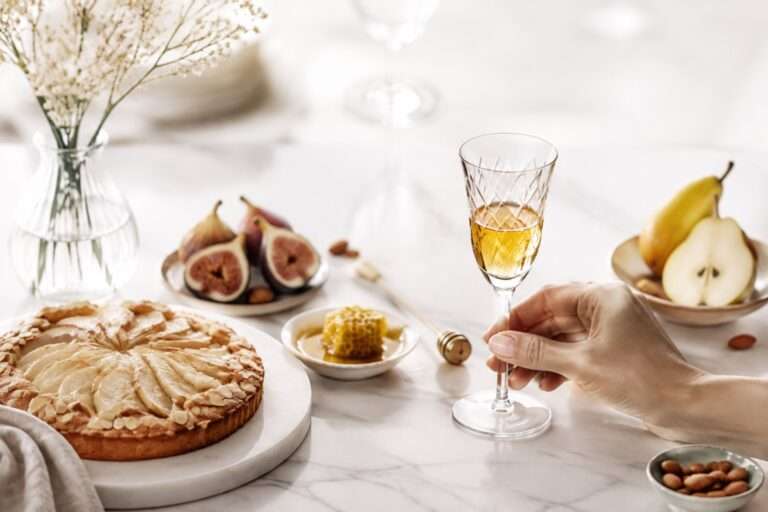
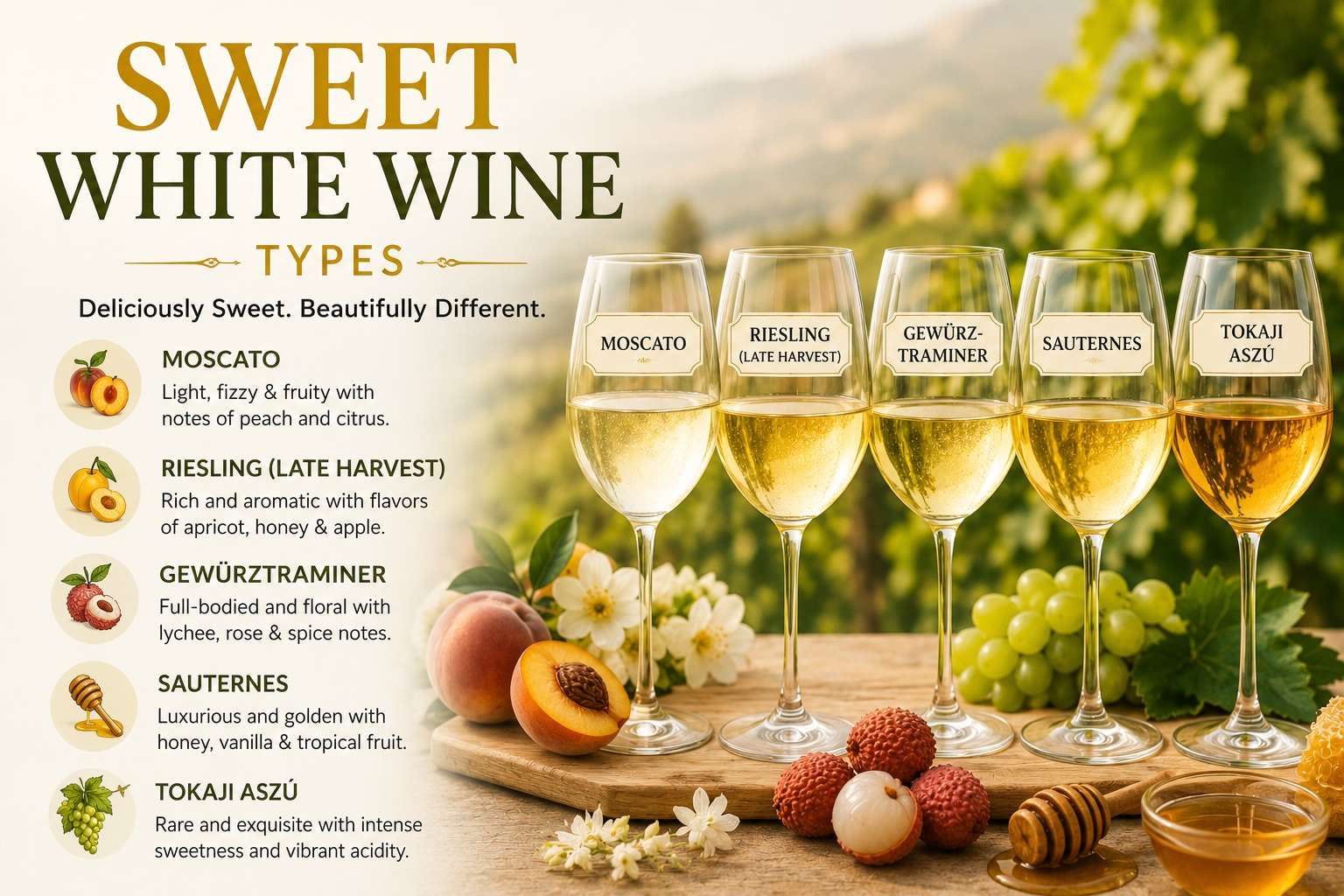
Sparkling wine is the most useful bottle you can buy for Christmas. True Champagne brings toasty, brioche notes and fine bubbles that suit canapés, smoked salmon, and fried appetizers. Crémant, Cava, and Prosecco give a similar lift for less money. For dessert, remember the golden rule: the wine must be sweeter than the food. Christmas pudding, fruitcake, and mince pies are dense with dried fruit and spice, which makes them perfect with tawny Port, sweet Pedro Ximénez Sherry, or Madeira. Chocolate yule log pairs well with ruby Port. Lighter desserts like panettone go nicely with Moscato d’Asti, whose gentle fizz and low alcohol feel refreshing after a big meal. Port and Stilton is also a time-honored British Christmas pairing.
Chill sparkling wine to 40–45°F and whites to 45–50°F, and serve reds around 60–65°F. A warm, crowded kitchen quickly heats bottles, so keep reds away from the oven. Buy a little more than you think you need; our wine-per-person guide helps with the math. A smart Christmas lineup is one sparkling, one white, one red matched to the main course, and one dessert wine, which covers almost any menu. You do not need the most expensive bottle to impress. Crémant de Bourgogne, Côtes du Rhône, Rioja Crianza, and Portuguese reds deliver holiday flavor for modest prices. Save your splurge for the main roast, where a mature Bordeaux or Burgundy will be noticed and appreciated.
| Main Course | Best Wine | Why It Works |
|---|---|---|
| Roast beef or prime rib | Bordeaux or Cabernet Sauvignon | Firm tannins balance rich, fatty beef |
| Roast turkey | Pinot Noir or Beaujolais | Soft tannins and red fruit suit lean meat and cranberry |
| Roast goose or duck | Red Burgundy or Alsace Pinot Gris | Acidity cuts the rich, fatty meat |
| Glazed ham | Off-dry Riesling or rosé | Fruit and slight sweetness match salty-sweet glaze |
| Feast of the Seven Fishes | Vermentino, Verdicchio, or Champagne | Crisp acidity and salinity flatter seafood |
| Christmas pudding or fruitcake | Tawny Port or PX Sherry | Sweet, nutty wine matches dried fruit and spice |
Sparkling wine suits every appetizer and sets a festive mood as guests arrive.
Give young Bordeaux or Cabernet about an hour of air before carving.
Store reds away from the oven; a hot kitchen makes wine taste boozy.
Learn Your Taste
Answer a few simple questions and discover styles that fit your palate.
Take the Wine QuizIt depends on the main dish. Cabernet Sauvignon and Bordeaux suit roast beef, Pinot Noir suits turkey and goose, and Beaujolais or Zinfandel suits ham. Choose lighter reds for poultry and bolder reds for red meat.
Off-dry Riesling is the top choice because its hint of sweetness matches the glaze and its acidity balances the salt. Fruity rosé, Beaujolais, and Zinfandel are also good. Avoid very tannic reds.
Yes. Champagne pairs with appetizers, seafood, smoked salmon, and even roast poultry. Its high acidity and bubbles refresh the palate between rich bites, so it can carry a whole meal if you like.
Red Burgundy or another Pinot Noir is the classic pick, because bright acidity cuts goose fat. Alsace Pinot Gris, off-dry Riesling, and Northern Rhône Syrah are also excellent choices for this rich bird.
Tawny Port, Pedro Ximénez Sherry, and Madeira are traditional favorites. Their nutty, raisin, and caramel flavors echo the pudding's dried fruit and spice, and they are sweet enough not to taste sour beside it.
A bottle of sparkling wine is the safest gift because it suits nearly any menu. If you know the main course, bring a matching red or white, such as Pinot Noir for turkey or Bordeaux for beef.