Match the Butter
Use a creamier Chardonnay when lobster comes with drawn butter or cream sauce.

Understand Wine. Enjoy Every Glass.
Wine Pairings
Lobster is sweet, rich, and usually swimming in butter. Pick a wine with enough body to match it and enough acidity to keep each bite tasting fresh.
Start Learning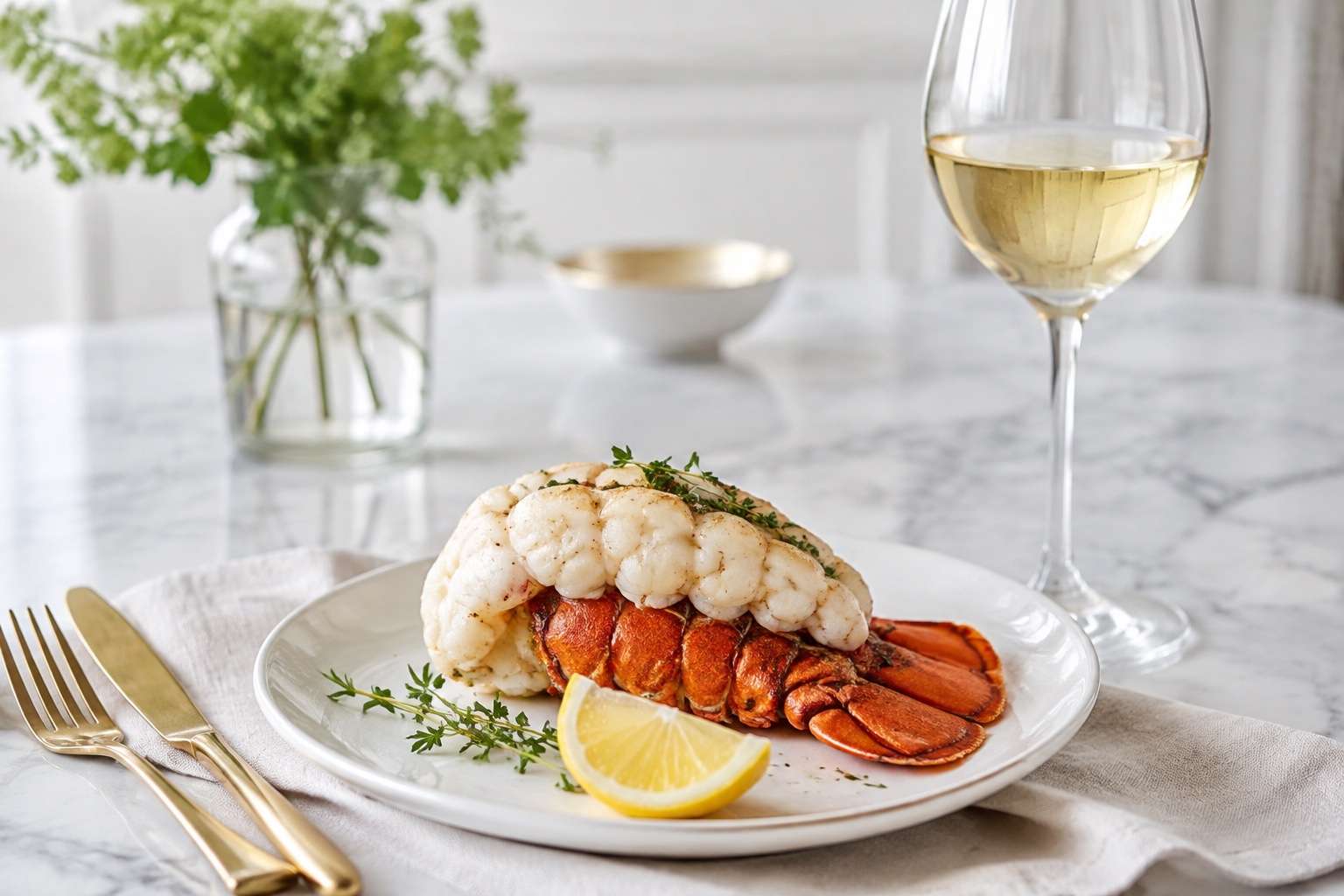
Lobster meat is naturally sweet and firm, and it is almost always served with fat: drawn butter, cream sauce, or mayonnaise. The best wine with lobster has to do two jobs at once. It needs enough body to feel equal to the rich meat, and enough acidity to cut through the butter so your palate stays fresh. Chardonnay does both. Fermented or aged in oak, or put through malolactic conversion, it develops creamy, buttery, and toasty notes that echo drawn butter, while good examples keep a bright citrus backbone. Tannic red wines are the opposite of what you want; tannin and the iodine in shellfish can create a metallic, fishy taste. Stick with whites, sparkling, and rosé, and you are already most of the way to a great match.
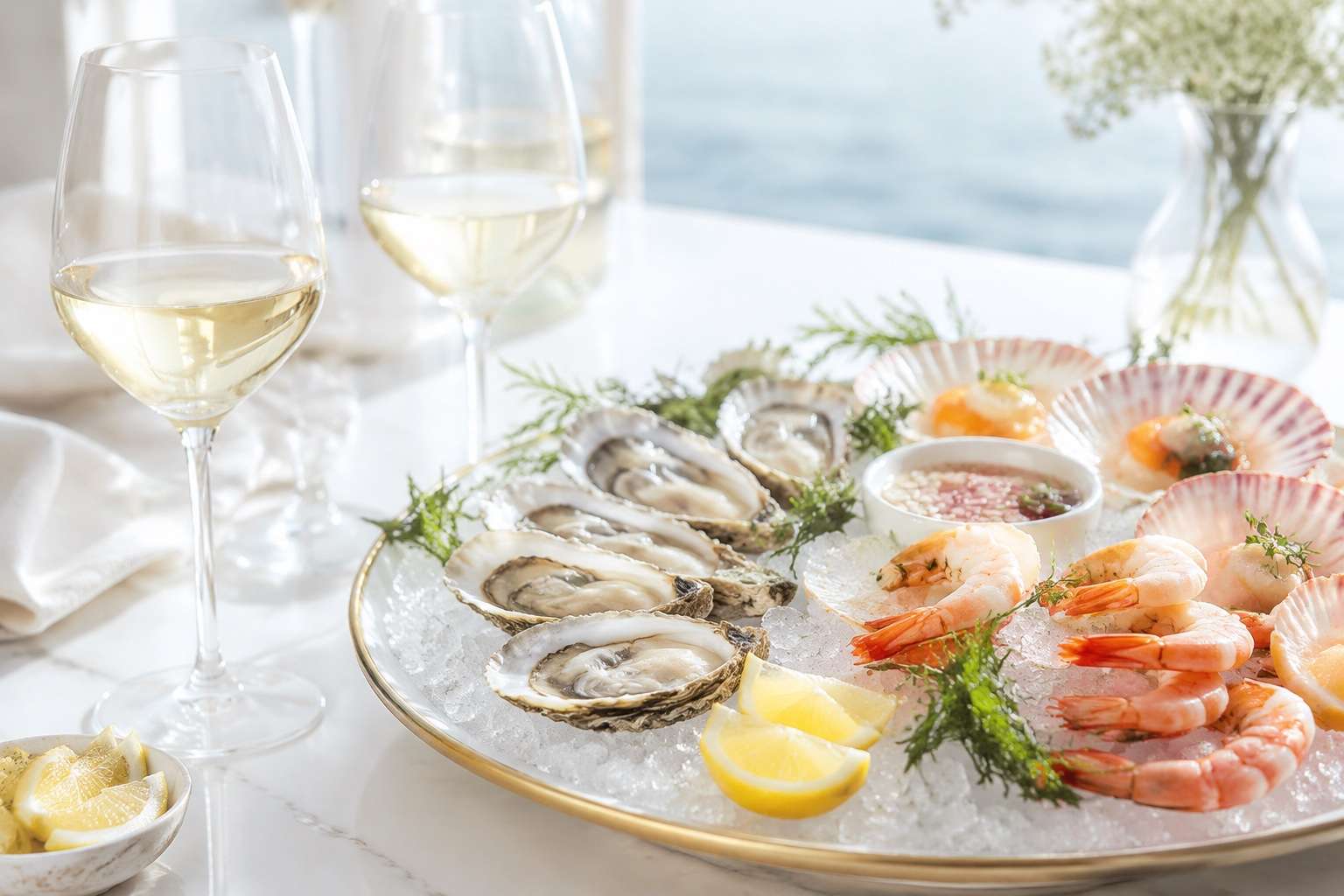
How you cook lobster changes the pairing. Steamed or boiled lobster with a squeeze of lemon is pure and delicate, so choose a mineral, lightly oaked white such as Chablis or a Mâcon. Lobster with drawn butter can handle more richness: a white Burgundy from Meursault or Puligny-Montrachet, or a California Chardonnay with gentle oak. Our French vs. California Chardonnay guide explains the difference. Grilled lobster picks up smoke and char, which suits a fuller wine with ripe fruit, like oaked Chardonnay or Viognier with its peach and floral notes. Baked stuffed lobster and lobster thermidor are rich and creamy, so they want the richest whites on the list, including aged white Burgundy or a white Rhône blend of Marsanne and Roussanne.
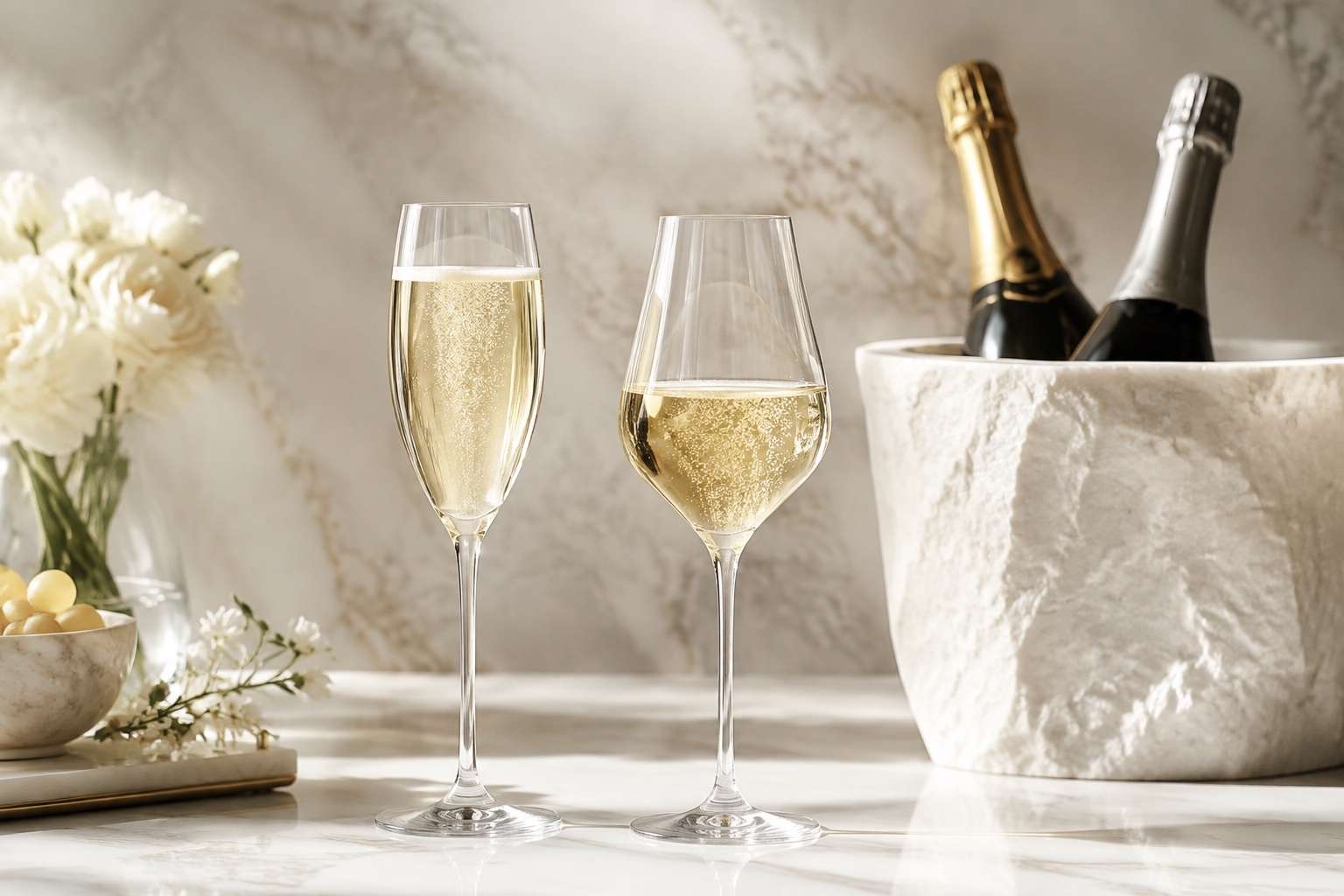
Popular lobster dishes each have a favorite partner. A Maine-style lobster roll dressed with mayo and a Connecticut-style roll served warm with butter both love sparkling wine; the bubbles and acidity scrub away the richness and toasted bun. Lobster bisque is creamy and slightly sweet, and a dry Amontillado Sherry is a classic match, with nutty flavors that complement the soup. A full Chardonnay also works. Lobster mac and cheese wants an oaked Chardonnay that can handle cheese and cream. Lobster ravioli in cream pairs with white Burgundy. For lobster fra diavolo, a spicy tomato dish, choose a dry rosé from Provence or a chilled, light red like Gamay. Spice and tomato need fruit and acidity, and heavy oak would clash with the chili.
If you only remember one alternative to Chardonnay, make it Champagne. A Blanc de Blancs, made entirely from Chardonnay, has the same citrus and brioche notes in a lighter, sparkling form, and it turns a lobster dinner into a celebration. Crémant and Cava are budget-friendly stand-ins. Dry rosé is excellent with lobster salads and summer lobster bakes. Off-dry Riesling is a smart choice when lobster comes with Asian flavors such as ginger, scallion, or chili. White Rhône blends, Spanish Albariño, and Sauvignon Blanc–Sémillon blends from Bordeaux offer more ideas when you want something different. For a similar sweet shellfish, see our guide to wine with crab, which follows many of the same rules.
Big, tannic reds are the most common mistake. Young Cabernet Sauvignon, Malbec, or Syrah overwhelms lobster’s delicate sweetness and can leave a metallic aftertaste. Very light, neutral whites are the opposite problem; a thin Pinot Grigio tastes watery next to a buttery claw. Heavily oaked, high-alcohol Chardonnay can also go too far, covering the lobster with vanilla and toast, so look for “balanced” or “lightly oaked” styles. Very sweet wines are rarely a good fit unless the dish itself is sweet. Finally, beware of overly aromatic whites like Gewürztraminer with plain steamed lobster; their perfume can bury the shellfish. If you want red, choose a light, chilled Pinot Noir and serve it with grilled or tomato-based lobster dishes, where it works best.
Serve full-bodied Chardonnay and white Burgundy at 50–55°F; too cold and the creamy texture disappears. Crisp whites like Chablis and sparkling wines are best colder, around 45°F. Our serving temperature guide has a full chart. Use a wide white wine glass for oaked Chardonnay so its aromas open up. Lobster is already a splurge, so you can save on the wine. Mâcon-Villages, Crémant de Bourgogne, and Chilean or South African Chardonnay deliver lots of flavor, often under $20. If you want to celebrate, a Blanc de Blancs Champagne or a Premier Cru Chablis is a memorable upgrade. Plan on one bottle for every two or three diners, since buttery lobster pairs best with generous sips.
| Lobster Dish | Best Wine | Why It Works |
|---|---|---|
| Steamed with lemon | Chablis or Mâcon | Mineral, lightly oaked white keeps the meat pure |
| With drawn butter | White Burgundy or oaked Chardonnay | Creamy body mirrors butter while acidity cuts it |
| Lobster roll | Champagne or Crémant | Bubbles cut mayo, butter, and toasted bun |
| Lobster bisque | Amontillado Sherry or full Chardonnay | Nutty, rich wine matches creamy soup |
| Grilled lobster | Viognier or oaked Chardonnay | Ripe fruit stands up to smoke and char |
| Lobster fra diavolo | Dry rosé or chilled Gamay | Fruit and acidity handle tomato and chili |
Use a creamier Chardonnay when lobster comes with drawn butter or cream sauce.
Tannin and shellfish can taste metallic; choose whites, bubbles, or rosé.
Mâcon-Villages and Crémant taste luxurious without adding to an expensive meal.
Learn Your Taste
Answer a few simple questions and discover styles that fit your palate.
Take the Wine QuizChardonnay is the classic choice. White Burgundy or a lightly oaked California Chardonnay has the creamy body to match butter and the acidity to keep the sweet meat tasting fresh. Champagne is an equally good option.
Yes, but choose carefully. A light, low-tannin red like Pinot Noir or Gamay, served slightly chilled, works with grilled lobster or tomato sauces. Avoid tannic reds like Cabernet Sauvignon, which can taste metallic with shellfish.
Sparkling wine is the best match. Champagne, Crémant, or Cava cuts through the mayo or butter and the toasted roll. A crisp, unoaked Chardonnay or dry rosé is a good still-wine choice.
It can be. Sauvignon Blanc's zesty acidity suits steamed lobster with lemon or lobster salad with herbs. With drawn butter or cream sauces, a fuller Chardonnay usually works better because it matches the richness.
A dry Amontillado Sherry is a classic pairing, with nutty flavors that complement the creamy, sweet soup. A full-bodied Chardonnay or white Burgundy is a great alternative if you prefer table wine.
An oaked Chardonnay is the safest bet, since it has the body to handle cheese and cream and enough acidity to refresh. Champagne also works, cutting through the richness with every sip.