Sticky Sauce Wants a Riper Red
Sweet barbecue sauce needs a ripe, fruity Zinfandel; dry-rubbed ribs prefer peppery Syrah or Côtes du Rhône.

Understand Wine. Enjoy Every Glass.
Wine Pairings
Ribs bring smoke, sweet sauce, spice, and plenty of fat. You need a wine with ripe fruit and enough backbone to stand up to all of it.
Start Learning
Ribs combine several strong flavors at once: rendered fat, smoky bark from the grill or smoker, a spicy rub, and often a sticky, sweet sauce. The best wine with ribs matches that intensity with ripe fruit. Sweetness in barbecue sauce makes dry, lean wines taste sour and thin, so you want a red with a jammy, almost sweet impression of fruit, even though the wine itself is dry. Moderate tannins help cut the fat, but very high tannin can turn bitter against smoke and chili. Peppery and spicy notes in the wine echo the rub. That is why barbecue-friendly grapes like Zinfandel and Shiraz are so popular. For more on smoked meats and barbecue sauces in general, see our guide to wine with BBQ.
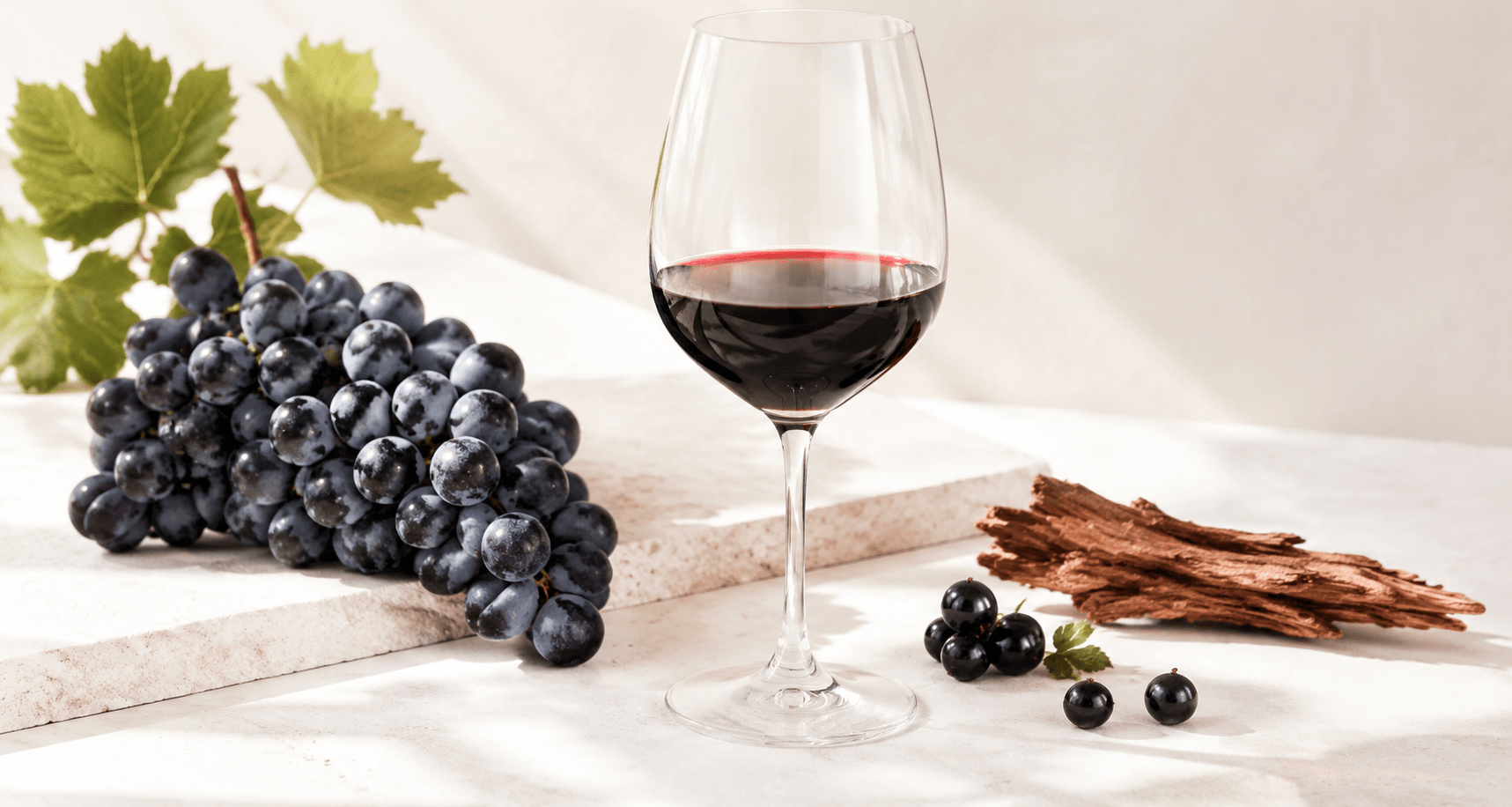
Sticky, sweet-sauced pork ribs, Kansas City style, love Zinfandel. California Zinfandel, especially from warm regions like Lodi, has blackberry jam, raspberry, and black-pepper flavors that mirror the sauce. Its Italian twin, Primitivo, is a great value. Australian Shiraz from the Barossa Valley brings ripe plum, chocolate, and spice for the same job. Memphis-style dry-rub ribs have less sugar and more paprika, garlic, and pepper, so a savory, spicy wine fits better: Rhône Syrah, a Grenache-based Côtes du Rhône, or a Spanish Garnacha. Baby back ribs are leaner and more tender than spare ribs, which suits a medium-bodied red like Grenache or even a juicy Pinot Noir. St. Louis–style spare ribs are fattier and can take a bigger wine.
Beef ribs are richer and beefier than pork, so they welcome more structure. Smoked beef ribs, the giant Texas-style plate ribs, pair well with Malbec from Mendoza, whose plush dark fruit and soft tannins suit smoky, salty bark. Petite Sirah is another bold choice, inky and full of blueberry and pepper. Braised short ribs, slow-cooked in red wine and stock until they fall apart, are a perfect match for Cabernet Sauvignon, Bordeaux blends, or Northern Rhône Syrah. The meat’s gelatin-rich texture softens firm tannins, and a red-wine braising sauce links naturally to a red in the glass. A good rule is to drink a similar style to the wine you braise with. Italian Barolo or Aglianico also shine with short ribs served over polenta.
Not all ribs come with American barbecue sauce. Korean galbi, thin beef short ribs marinated in soy, garlic, pear, and sesame, love an off-dry Riesling or a juicy Zinfandel; both balance the sweet-salty marinade. Chinese-style spare ribs glazed with hoisin or char siu sauce suit Pinot Noir, Gamay, or Riesling. Very spicy ribs with chili-heavy rubs or hot sauce need care, because high alcohol makes heat feel hotter. Choose a lower-alcohol red with soft tannins or switch to a fuller, fruity dry rosé, such as a Spanish rosado or a Tavel from the Rhône. Rosé is also a smart, refreshing choice at summer cookouts. White wine is less traditional, but an off-dry Gewürztraminer or Viognier can handle sweet, spiced glazes surprisingly well.
A few common choices backfire. Delicate, high-acid, lean reds, such as a light, earthy red Burgundy, can taste thin and sour next to sweet barbecue sauce. Very tannic young reds, like a powerful young Cabernet or Tannat, can taste bitter and harsh against smoke and spice; save those for braised short ribs. Crisp, light whites like Pinot Grigio or Muscadet simply disappear. Very high-alcohol reds, above about 15.5%, can feel hot and heavy on a summer afternoon, especially with spicy rubs. Heavily oaked wines can compete with the smoke rather than complement it. If you are standing in the store unsure, a Zinfandel, Shiraz, or Malbec in the moderate price range is a reliable choice for almost any rack of ribs.
Serve barbecue reds at 60–65°F, a bit cooler than typical room temperature. Outdoors in summer, a red can warm up fast, so keep the bottle in the shade or give it 15 minutes in an ice bucket; our fast-chilling guide helps. Use sturdy, inexpensive glasses or stemless tumblers at a cookout. Ribs are casual, messy food, so there’s no need for a trophy wine. Lodi Zinfandel, Puglian Primitivo, Mendoza Malbec, Australian Shiraz, and Spanish Garnacha all deliver bold flavor, often under $20. Côtes du Rhône is a dependable, food-friendly pick for dry rubs. Plan on about one bottle for every two to three guests, and keep a chilled rosé on hand for anyone who wants something lighter.
| Rib Style | Best Wine | Why It Works |
|---|---|---|
| Sweet BBQ-sauced pork ribs | Zinfandel or Shiraz | Jammy fruit matches sugary sauce |
| Dry-rub ribs | Syrah or Côtes du Rhône | Peppery, savory notes echo the spice rub |
| Smoked beef ribs | Malbec or Petite Sirah | Plush dark fruit suits smoky, salty bark |
| Braised short ribs | Cabernet Sauvignon or Bordeaux blend | Firm tannins balance rich, gelatinous meat |
| Korean galbi | Off-dry Riesling or Zinfandel | Fruit balances sweet soy marinade |
| Very spicy ribs | Dry rosé or low-alcohol red | Lower alcohol keeps chili heat in check |
Sweet barbecue sauce needs a ripe, fruity Zinfandel; dry-rubbed ribs prefer peppery Syrah or Côtes du Rhône.
Serve barbecue reds around 60–65°F, especially outside in summer.
Pour big Cabernets with braised short ribs, not sticky, spicy pork ribs.
Learn Your Taste
Answer a few simple questions and discover styles that fit your palate.
Take the Wine QuizZinfandel is the classic match for barbecue pork ribs. Its jammy fruit and peppery spice suit sweet sauce and smoky meat. Shiraz and Malbec are equally good options, especially with beef ribs.
Cabernet Sauvignon, Bordeaux blends, and Syrah are excellent with braised short ribs. The rich, tender meat softens their tannins. Italian Barolo or Aglianico are also great choices for a special dinner.
Yes, though red is more common. Off-dry Riesling suits Asian-glazed or spicy ribs, and Viognier or Gewürztraminer can handle sweet, spiced sauces. Avoid light, neutral whites, which the ribs will overpower.
It can be with lighter or Asian-style ribs, such as baby backs or hoisin-glazed spare ribs. With heavy, sweet barbecue sauce, Pinot Noir often tastes thin, so a riper Zinfandel or Shiraz is better.
Choose wines with lower alcohol and plenty of fruit, such as off-dry Riesling, a fruity dry rosé, or a soft Grenache. High-alcohol, tannic reds make chili heat feel stronger.
It works best with beef ribs or braised short ribs. With sweet, spicy pork ribs, Cabernet's firm tannins can taste bitter. A riper, softer red like Zinfandel or Malbec is usually a better fit.