Start with Plain Chablis
A basic Chablis from a recent vintage shows the classic style at a fair price.

Understand Wine. Enjoy Every Glass.
Wine Regions
If you think you don't like Chardonnay, Chablis may change your mind. Crisp, lean, and mineral, it shows the grape with no buttery oak. Here is how to choose one.
Start Learning
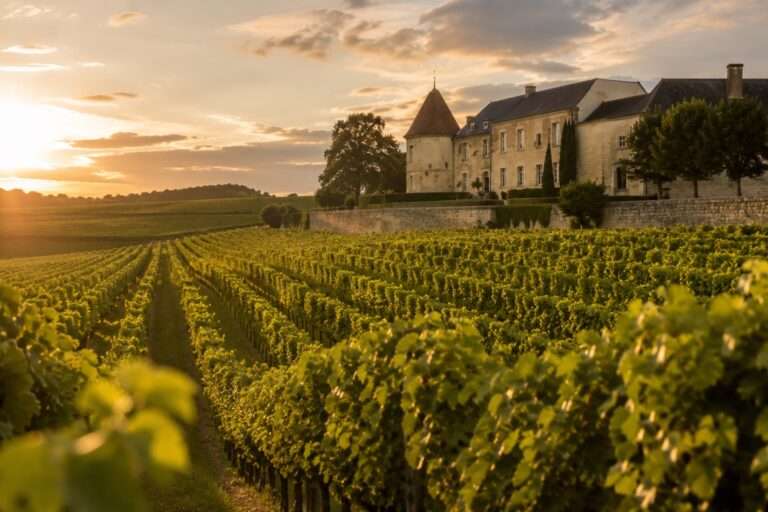
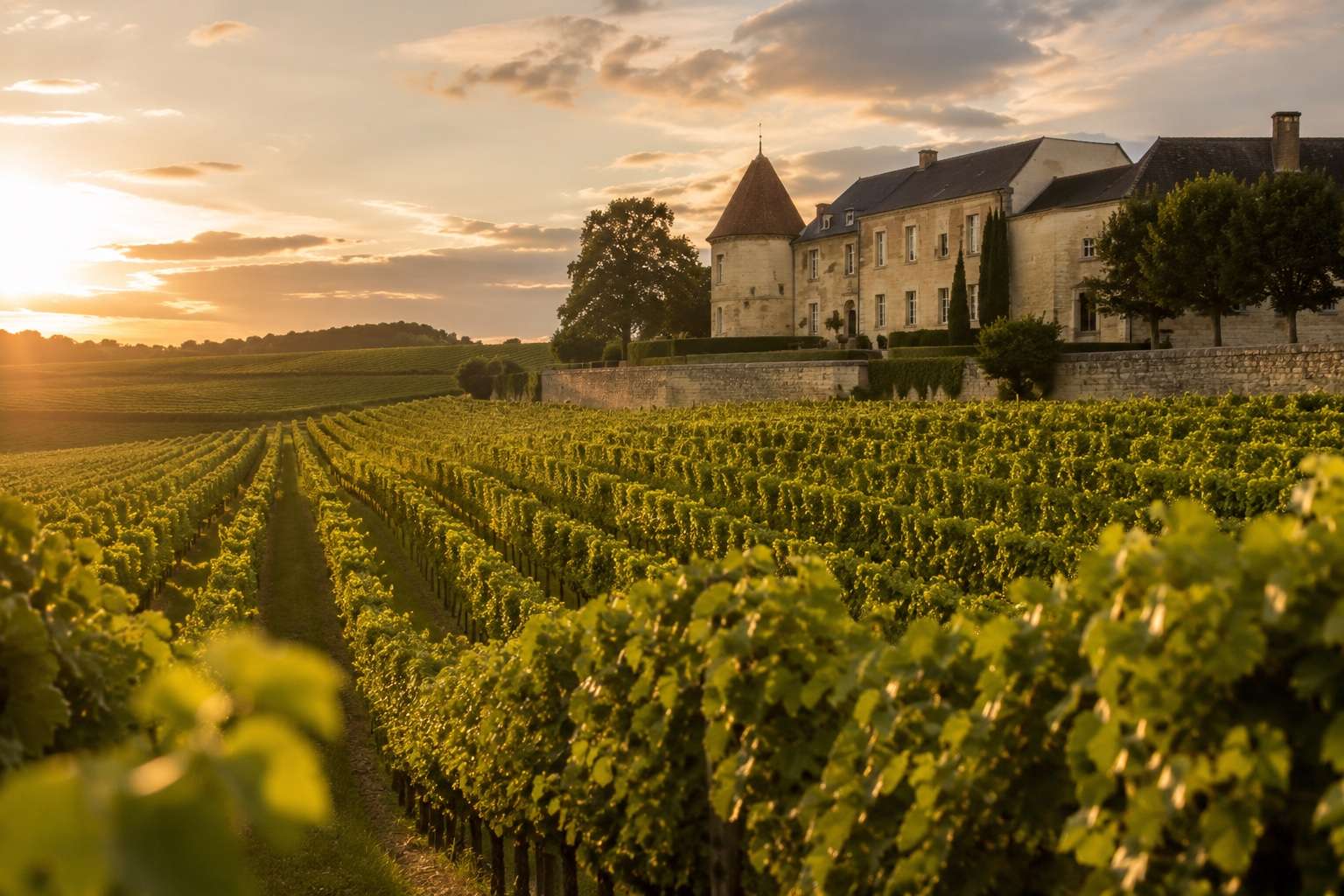
Chablis is the northernmost part of Burgundy, about two hours southeast of Paris by car and well north of the Côte d’Or, Burgundy’s famous heartland. In fact, it sits closer to the southern vineyards of Champagne than to the rest of Burgundy. The climate is cool and continental, with cold winters and a real danger of spring frost, which growers fight with heaters and water sprinklers that coat buds in protective ice. That cool weather keeps sugar levels moderate and acidity high, the backbone of every glass. The other secret is soil. The best slopes sit on Kimmeridgian limestone, a mix of clay and limestone formed from an ancient seabed and packed with fossils of tiny oysters. Many tasters believe this chalky ground gives Chablis wine its famous salty, flinty character, often described as minerality.
Chablis is 100 percent Chardonnay, but it tastes nothing like the rich, buttery style many people know from warm climates. Most producers ferment and age it in stainless steel or in old, neutral barrels, so there is little or no oak flavor. Expect green apple, lemon, lime zest, white pear, and white flowers, with a mouthwatering, almost electric acidity. The finish often carries notes of wet stone, chalk, sea spray, or oyster shell. Body is light to medium. Premier Cru and Grand Cru wines have more depth and texture, sometimes with gentle oak, and they age into flavors of honey, toast, hazelnut, and mushroom. Our French vs California Chardonnay comparison shows just how much climate and winemaking shape this one grape. Chablis is the leanest, crispest end of the scale.
Chablis has a clear quality ladder based on vineyard location. Petit Chablis comes from outlying plateaus with a slightly different limestone. It is the lightest and simplest, best enjoyed young as an aperitif. Chablis, without any extra words, is the largest category and the classic everyday style: crisp, citrusy, and mineral. Chablis Premier Cru comes from around 40 named vineyards, or climats, on better slopes. Well-known names include Montée de Tonnerre, Fourchaume, Mont de Milieu, Vaillons, and Montmains; they offer more intensity and age well for five to ten years. Chablis Grand Cru comes from a single southwest-facing hillside just across the Serein River from the town, divided into seven vineyards: Blanchot, Bougros, Les Clos, Grenouilles, Les Preuses, Valmur, and Vaudésir. These are the richest, longest-lived Chablis.
Start with a bottle labeled simply Chablis from a recent vintage. It is widely available, usually reasonably priced, and shows the signature crisp, mineral style. Next, compare it with a Premier Cru such as Fourchaume, which tends to be rounder, or Montée de Tonnerre, which is more intense and stony. Tasting them side by side is the fastest way to see what a better vineyard adds. Save a Grand Cru for a special dinner, and give it a few years of age if you can. Serve Chablis lightly chilled, around 48–52°F, in a standard white wine glass. Too cold, and its delicate aromas disappear. If you enjoy crisp whites like Sauvignon Blanc but want more texture, Chablis is a great step; our Chardonnay vs Sauvignon Blanc guide compares the two grapes.
Chablis and oysters are one of the most famous pairings in wine. The wine’s salty, chalky edge echoes the brininess of the oyster, and its acidity acts like a squeeze of lemon. It is equally good with clams, mussels, shrimp, sushi, and most other seafood, especially simply prepared. Grilled or poached white fish with butter sauce, scallops, and crab cakes suit Premier Cru. Locally, Chablis is served with gougères, cheesy choux pastry puffs, and with snails in garlic butter. It also loves fresh goat cheese and the soft, creamy Chaource cheese from nearby. Older Grand Cru Chablis can handle roast chicken with cream and mushrooms. Avoid heavy, spicy, or tomato-rich dishes, which overwhelm its subtle flavors.
Chablis is a small, quiet wine town on the Serein River, easy to reach from Paris in a long day trip, though staying overnight lets you enjoy a relaxed dinner. The historic town of Auxerre, nearby, makes another good base. Many family domaines have tasting rooms right in town, and some welcome walk-ins, while others prefer reservations. Walk or drive up the road that winds past the Grand Cru hillside for beautiful views of the vineyards above the rooftops. Spring and early summer bring green vines, and September brings harvest. Combine the trip with Burgundy’s Côte d’Or to the south or Champagne to the northeast. For more crisp seafood whites, compare Chablis with Muscadet from the Loire Valley.
| Grape or Style | Character | Try It With |
|---|---|---|
| Petit Chablis | Light, zesty, simple, lemony | Aperitif snacks or shellfish |
| Chablis | Crisp, green apple, citrus, chalky | Oysters or sushi |
| Chablis Premier Cru | Fuller, more intense, mineral, ages well | Scallops or grilled white fish |
| Chablis Grand Cru | Rich, layered, honey and hazelnut with age | Lobster or chicken in cream sauce |
| Aged Chablis (10+ years) | Toast, mushroom, honey, still fresh | Roast chicken with mushrooms |
A basic Chablis from a recent vintage shows the classic style at a fair price.
Aim for 48–52°F. Ice-cold Chablis loses its delicate citrus and chalky notes.
The wine's briny minerality and acidity make it the classic match for raw oysters.
Learn Your Taste
Answer a few simple questions and discover styles that fit your palate.
Take the Wine QuizThey are Blanchot, Bougros, Les Clos, Grenouilles, Les Preuses, Valmur, and Vaudésir. All seven sit side by side on one southwest-facing slope above the town of Chablis, across the Serein River. Together they make the region's richest, longest-lived wines.
Chablis is dry. It has bright acidity and very little residual sugar, with flavors of green apple, lemon, and chalky minerality. It is one of the driest, crispest styles of Chardonnay.
Usually not, or only lightly. Most basic Chablis is aged in stainless steel or old barrels. Some Premier Cru and Grand Cru wines see a little oak for texture, but rarely enough to taste buttery or vanilla-heavy.
Chablis is a white Burgundy, but from the region's cooler northern edge. Wines from the Côte d'Or and Mâconnais to the south are often richer and more often oaked, while Chablis is leaner, crisper, and more mineral.
Basic Chablis is best within three to five years. Premier Cru can age five to ten years, and Grand Cru often improves for ten years or more. Once opened, recork and refrigerate it for up to three days.
Oysters are the classic match. Chablis also pairs well with shellfish, sushi, white fish, goat cheese, and gougères. Richer Premier and Grand Cru bottles suit lobster, scallops, and chicken in cream sauce.