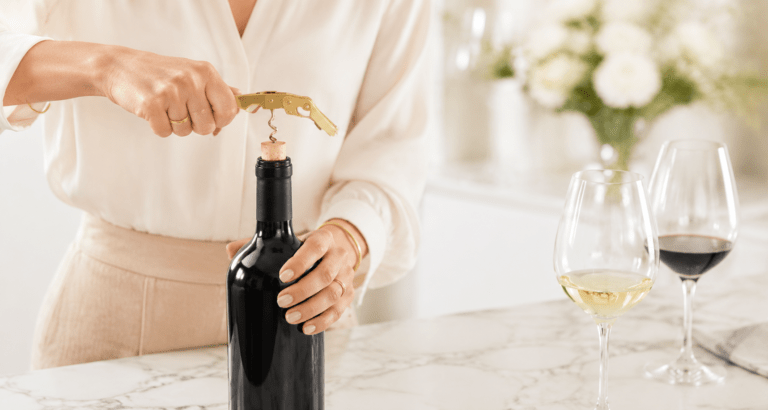
Refrigerate Leftovers
Recork opened wine, red or white, and refrigerate it. Cold slows oxidation for several days.

Understand Wine. Enjoy Every Glass.
Your Questions, Answered
Short, honest answers to the wine questions beginners ask most, from chilling reds to saving an opened bottle, with links to go deeper on each one.
Start Learning
These wine questions and answers start where most people do: taste. What is the difference between dry and sweet wine? Sweetness is sugar left over after fermentation. A dry wine has almost none, though ripe fruit flavors can fool you into thinking it is sweet; our dry vs sweet wine guide shows the scale from bone-dry to dessert. What is the real difference between red and white? Red wine ferments with the grape skins, which add color and tannin; white wine is usually pressed off the skins first. That is why reds feel grippier and whites feel crisper, as explained in red vs white wine. What does “full-bodied” mean? It describes weight in your mouth, driven mostly by alcohol and extract; see wine body explained. What are tannins? They are the compounds that make your mouth feel dry after a sip of strong black tea or young Cabernet. Our page on tannins in wine explains how they soften with food and age.
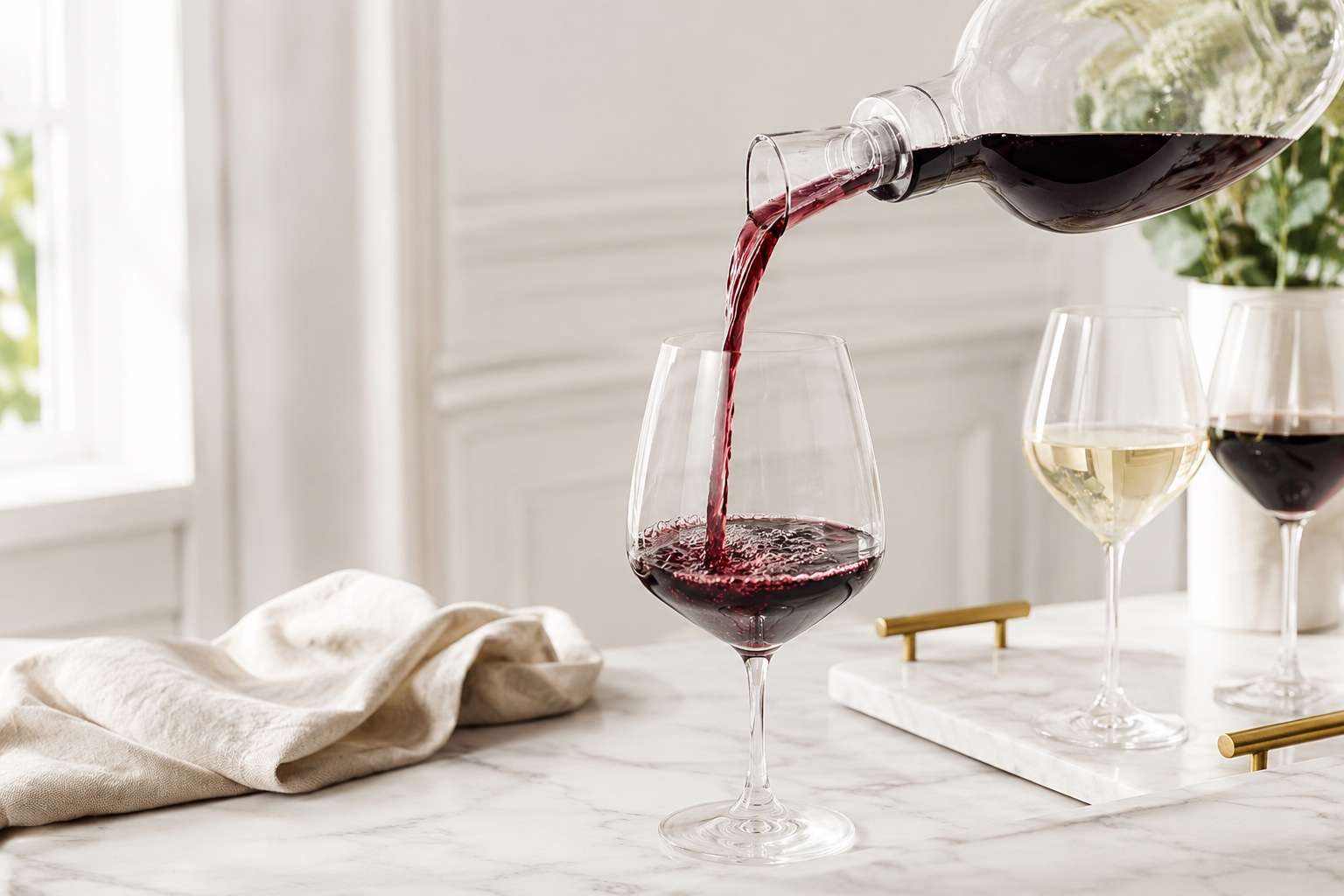
Should red wine be chilled? Slightly. “Room temperature” dates from cool stone houses, and most reds taste best at 60–65°F, while light reds such as Gamay and Pinot Noir shine a bit cooler. Whites and rosés belong at 45–50°F, and sparkling wine colder still. Our wine serving temperature chart lists every style, and you can rescue a warm bottle with tricks from how to chill wine fast, such as an ice bath with salt. Do I need special glasses? No, but a glass with a wide bowl that narrows at the top helps you swirl and smell; the wine glass guide covers when shape matters. Should I decant? Young, tannic reds and older bottles with sediment benefit most. A half hour to an hour of air is plenty for most young reds, as described in how to decant wine. How much should I pour? A standard pour is about 5 ounces, so a 750 ml bottle gives roughly five glasses.
How long does an opened bottle last? Once air gets in, wine starts to fade. Recork it and refrigerate it, red included, and most still wines stay pleasant for three to five days. Sparkling wine loses its bubbles in a day or two even with a stopper, while fortified wines like Port can last weeks. Details by style are in how long does wine last opened, and if a bottle is past drinking, try ideas from what to do with leftover wine, like sauces and braises. How should I store unopened wine? Keep it cool, ideally around 55°F, dark, and away from big temperature swings. Lay cork-sealed bottles on their side so the cork stays moist. How to store wine covers closets, fridges, and wine coolers. Does all wine get better with age? No. Most wine is made to drink within a few years of release. Only certain structured styles reward a long cellar stay.
Is there a simple pairing rule? Match the weight of the wine to the weight of the dish, then think about the strongest flavor on the plate, which is often the sauce. Our wine pairings hub breaks this down by food. What goes with chicken? Almost anything, depending on the preparation: Chardonnay with roast chicken, Sauvignon Blanc with lemon and herbs, Pinot Noir with mushrooms. See wine with chicken. What about pasta? Follow the sauce. Tomato wants a high-acid Italian red like Chianti Classico, cream wants a fuller white, and pesto loves Vermentino; wine with pasta has the full list. Can I drink red wine with fish? Yes, if it is light and low in tannin. Pinot Noir with salmon is a classic, while heavy tannin can taste metallic with delicate white fish. What about Thanksgiving? The table is all over the map, so choose flexible wines like Pinot Noir, Beaujolais, and dry Riesling, as suggested in wine with Thanksgiving dinner.
How do I read a wine label? Look for the grape or the place, the vintage, and the alcohol level. European wines usually name the region, such as Rioja for Tempranillo or Chablis for Chardonnay, so learning a few places pays off; start with how to read a wine label. What does the year mean? The vintage is the year the grapes were picked, which matters more in cool, variable climates; see the wine vintage guide. Is expensive wine worth it? Price reflects land, labor, oak, scarcity, and reputation, not just quality. Many excellent bottles cost under $20, and the wine price guide explains what each price tier usually buys. Are screw caps a sign of cheap wine? No. Many quality producers use them to keep fresh wines fresh; read cork vs screw cap. How do I order at a restaurant? Tell the server what you like and your budget, then smell and taste when the bottle arrives. The ritual is a check for faults, not a test; how to order wine at a restaurant walks through it.
Are sulfites what cause wine headaches? For most people, probably not. Sulfites are produced naturally during fermentation and are often added in small amounts to protect wine, which is why many labels say “contains sulfites.” Some people are sensitive to them, but headaches can also come from alcohol itself, dehydration, or other compounds in wine. Read more in sulfites in wine and wine headaches, and talk to a doctor if symptoms are frequent or severe. How many calories are in wine? Most come from alcohol, with sugar adding more in sweet styles, so a lower-alcohol, dry wine generally has fewer; see calories in wine. How strong is wine? Most table wines range from about 11 to 15 percent alcohol, and the label shows the exact figure; wine alcohol content explains the range. My wine smells like wet cardboard. Is it bad? It may be corked, a cork-related fault. It is harmless but unpleasant, and most shops will replace the bottle. Please enjoy wine responsibly and only if you are 21 or older.
Think about coffee, tea, and fruit you like. Lovers of tart lemonade often enjoy crisp whites; fans of dark chocolate often enjoy bold reds.
Sweetness, acidity, tannin, alcohol, and body describe nearly every wine. Practice spotting each one in a single glass.
Pour a Sauvignon Blanc next to an oaked Chardonnay, or Pinot Noir next to Cabernet Sauvignon, and note the differences.
Check the grape or region, the vintage, and the alcohol level. Higher alcohol often signals a riper, fuller wine.
Chill whites to 45–50°F and cool reds to 60–65°F. Correct temperature improves even an inexpensive bottle.
Recork opened wine, red or white, and refrigerate it. Cold slows oxidation for several days.
At a shop, say what you liked before and your budget. Specifics get better recommendations.
Scores and tasting notes are opinions. If you enjoy a wine, that is a good wine for you.
Learn Your Taste
Answer a few simple questions and discover styles that fit your palate.
Take the Wine QuizIt can, slowly. Most everyday wines are best within a few years of the vintage, and heat or light speeds decline. Stored cool and dark, an unopened bottle meant for early drinking usually stays fine for a couple of years.
Yes. The fridge slows oxidation, so a recorked red keeps for about three to five days. Take it out 20 to 30 minutes before serving so it warms back up to a pleasant 60 to 65°F.
Yes, it is your glass. Ice dilutes the wine as it melts, so it works best with simple, refreshing styles like rosé or light whites on a hot day. Frozen grapes chill without watering it down.
That drying feeling comes from tannins, compounds from grape skins and seeds that bind to proteins in saliva. Pairing tannic reds with fatty or protein-rich food, like steak or hard cheese, makes them feel smoother.
Legs, the streaks that run down the glass after swirling, mostly show alcohol content and sometimes sugar. More pronounced legs suggest a higher-alcohol or sweeter wine. They say nothing about quality.
Absolutely. Regions with lower land costs, such as Portugal, southern Spain, Chile, and southern France, make many delicious wines at modest prices. Freshness, balance, and a style you enjoy matter more than price.