Don't Serve It Warm
Chill Malbec to 60–65°F so the ripe fruit tastes fresh, not jammy.

Understand Wine. Enjoy Every Glass.
Grape Varieties
Malbec is the inky, velvety red that made Argentina famous. Here is what it tastes like, how Mendoza and Cahors differ, and what to serve with it.
Start Learning
Malbec wine is dark, ripe, and smooth. The core flavors are plum, blackberry, black cherry, and blueberry, often with floral violet, milk chocolate, and a sweet tobacco or leather note. Oak aging adds vanilla, mocha, and spice. In the glass it is almost opaque, with a vivid purple rim when young. Malbec is full-bodied, typically 13.5–15% alcohol, but its tannins are plush and rounded rather than grippy, especially in Argentine examples. Acidity is moderate. That combination of big fruit and soft texture is why many people find Malbec easier to enjoy than Cabernet Sauvignon. French Malbec, by contrast, is more rustic and structured, with tart black fruit, earth, and firmer tannins that soften over several years in bottle.
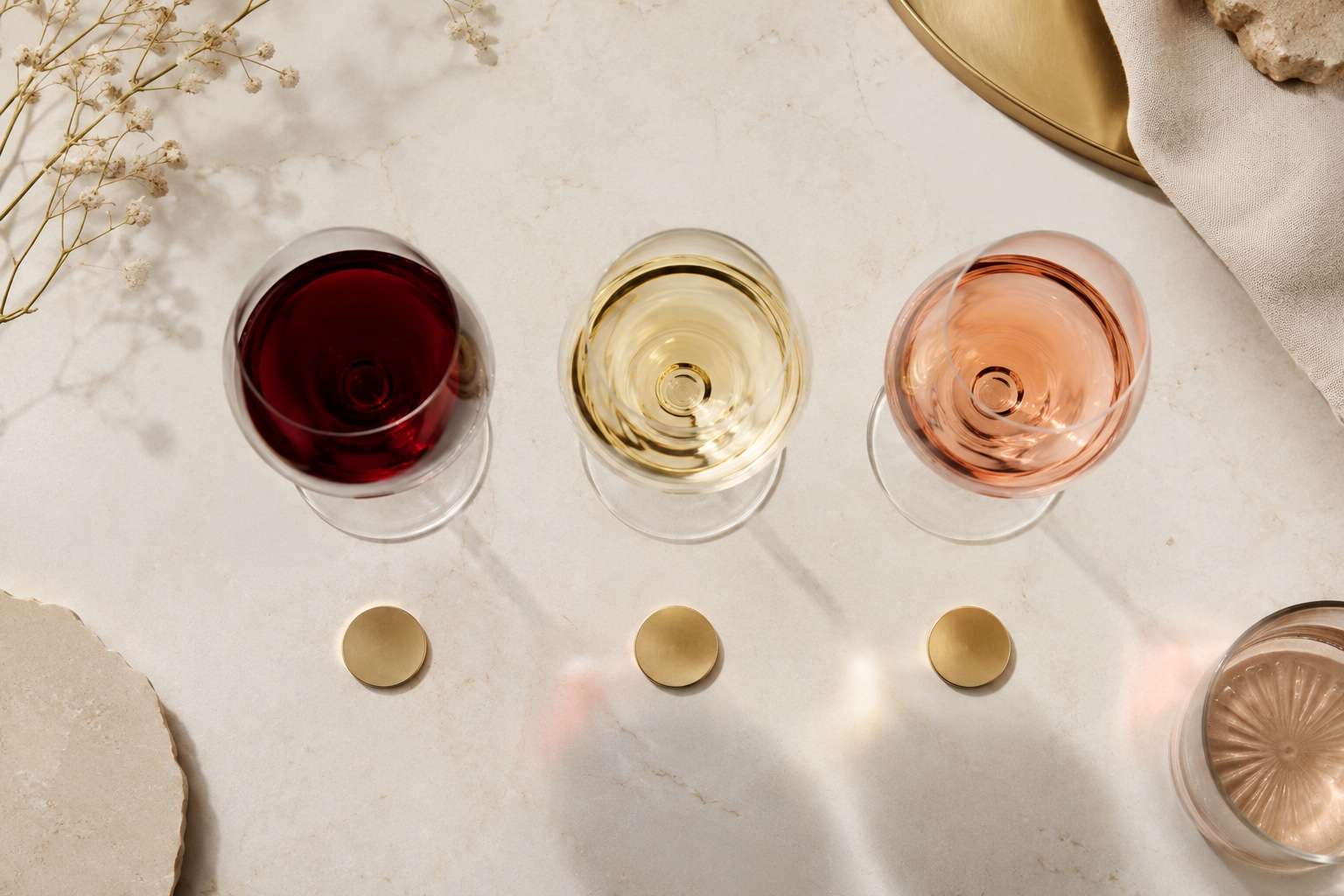
Malbec started in southwest France, where it is still the main grape of Cahors. Historically called the “black wine,” Cahors is savory, firm, and earthy. Malbec was also once a significant grape in Bordeaux, though it is now a minor blending partner there. The grape found its true fame in Argentina, especially in Mendoza, where vineyards sit high in the foothills of the Andes. Strong sun gives ripe fruit and thick skins, while cold nights keep acidity fresh. Within Mendoza, the Uco Valley’s high-altitude sites produce more floral, structured Malbec, and Luján de Cuyo gives richer, rounder versions. Salta in the north grows some of the world’s highest vineyards. Chile, California, and Washington also make good Malbec, often in blends.
Serve Malbec at 60–65°F. Many people pour it too warm, which makes a ripe, high-alcohol wine taste jammy and hot, so give the bottle 15 minutes in the fridge first. Everyday Argentine Malbec is ready to drink on release and rarely needs decanting, though 15 to 20 minutes in the glass helps it relax. Premium Mendoza and young Cahors are firmer and benefit from 30 to 60 minutes in a decanter. Use a standard or Bordeaux-style red wine glass. An opened bottle holds up well for three to four days in the refrigerator, thanks to its concentration. If you are cooking outside, keep the bottle in the shade; Malbec at summer patio temperature loses its freshness quickly.
In Argentina, Malbec and grilled beef are inseparable. The wine’s ripe fruit and soft tannins suit the asado tradition of simply seasoned beef cooked over wood, and green, garlicky chimichurri sauce is the perfect partner. It is a natural wine with steak, especially New York strip, skirt, and flank. Burgers, barbecue, beef empanadas, and chorizo all work beautifully. Its smooth texture also suits pulled pork, lamb, and mushroom dishes. For a meatless night, try grilled portobellos or black bean dishes. On the cheese board, choose aged Manchego, smoked Gouda, or sharp Cheddar. Earthier Cahors loves duck confit and cassoulet, the hearty dishes of its home region in southwest France.
If Malbec is your favorite, compare it with its bigger, firmer cousin in Malbec vs Cabernet Sauvignon, or with soft, plummy Merlot in Malbec vs Merlot. For the same dark fruit with more black pepper and smoke, try Syrah or Australian Shiraz. California Zinfandel is another ripe, generous red that loves the grill. If you want to keep exploring South America, Chile’s Carmenère offers soft tannins with an herbal edge. For something even darker and more powerful, Uruguay’s Tannat and California Petite Sirah are worth a look.
Malbec is one of the best values in red wine. Plenty of solid Mendoza Malbec costs under $20, and it is a staple of our best red wines under $20. To step up, look for a sub-region on the label. “Uco Valley,” or its districts such as Tupungato and San Carlos, usually means cooler, higher vineyards and a fresher, more floral wine. “Luján de Cuyo” suggests a richer, rounder style. Altitude is often printed on the bottle; higher numbers tend to mean brighter acidity. For a different experience, try a Cahors from France, often labeled by the town rather than the grape. Malbec rosé from Argentina is a fun, fruity summer option too.
| Region | Style | What to Expect |
|---|---|---|
| Mendoza (Luján de Cuyo), Argentina | Ripe and plush | Plum, chocolate, velvety tannin |
| Uco Valley, Argentina | High-altitude, fresher | Violet, blueberry, bright acidity |
| Salta, Argentina | Intense, very high vineyards | Deep color, concentrated dark fruit |
| Cahors, France | Firm and earthy | Tart black fruit, leather, firmer tannin |
| Chile & California | Fruity, often blended | Juicy black cherry, soft finish |
Chill Malbec to 60–65°F so the ripe fruit tastes fresh, not jammy.
Higher Mendoza vineyards usually mean brighter, more floral Malbec.
Garlicky herb sauce is Argentina's own perfect partner for Malbec and steak.
Learn Your Taste
Answer a few simple questions and discover styles that fit your palate.
Take the Wine QuizMalbec is dry. Its ripe plum and chocolate flavors and soft tannins can give a sweet impression, but nearly all Malbec is fermented dry with little residual sugar.
They are similar in alcohol, usually 13.5–15%. Malbec typically feels softer, with rounder tannins and plusher fruit, while Cabernet Sauvignon has more grip and acidity.
Malbec originated in southwest France, where it is still the main grape of Cahors. Today Argentina, especially Mendoza, grows far more Malbec than France and made it world famous.
Grilled beef is the classic match, especially with chimichurri. Burgers, barbecue, lamb, empanadas, sausages, and mushroom dishes also work well, as do aged Manchego and sharp Cheddar.
Everyday Malbec usually does not need it. Premium Mendoza bottlings and young Cahors benefit from 30 to 60 minutes in a decanter to soften their tannins and open the aromas.
Most Argentine Malbec is best within three to five years. Top high-altitude Malbec and traditional Cahors have the structure to improve for a decade or more.