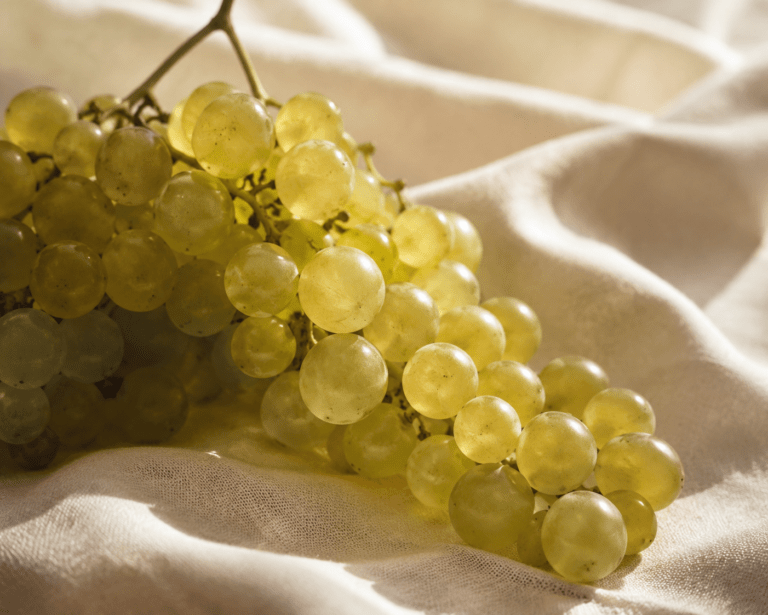
Think White First
Crisp whites and sparkling wines pair with more cheeses than tannic reds do.

Understand Wine. Enjoy Every Glass.
Wine Pairings
Wine and cheese is the most famous pairing there is, yet some combinations sing while others fall flat. The secret is matching the wine to the style of cheese.
Start Learning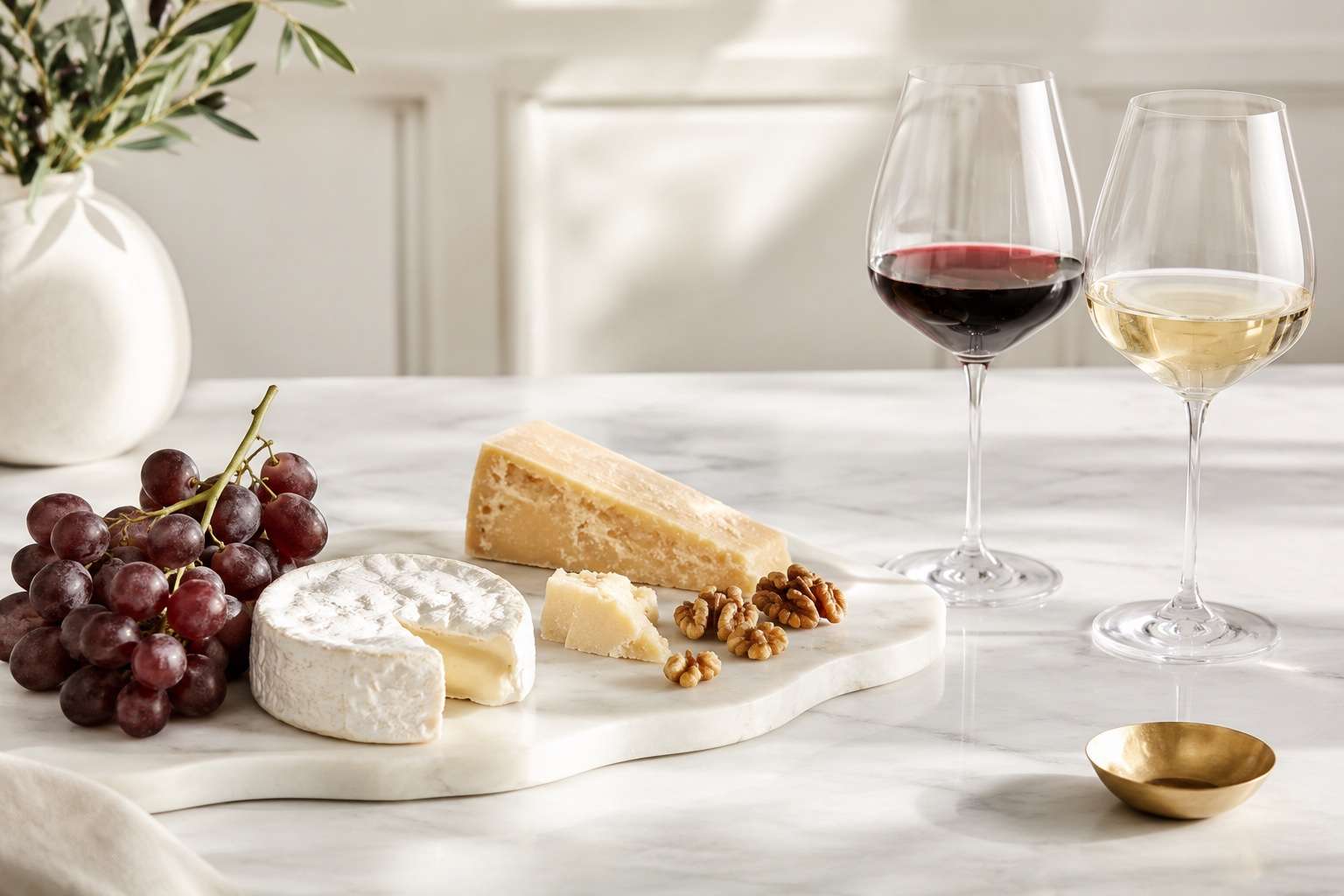
Cheese is packed with fat, salt, and protein, which sounds perfect for wine, but the details matter. Fat coats your mouth and can mute delicate wines, while salt makes tannin taste softer and fruit taste sweeter. Here is the surprise: many cheeses actually pair better with white wine than with red. Strong tannin can clash with creamy or tangy cheese, leaving a chalky or metallic finish, while a white wine’s acidity cuts through richness and refreshes your palate. Reds do work, but mostly with firm, aged cheeses that have less moisture and more savory depth. Two simple rules guide almost every great wine with cheese pairing. First, match intensity, so mild cheese gets a delicate wine and pungent cheese gets a bold one. Second, try the classic contrast of salty cheese with sweet wine, which is one of the great flavor combinations in food.
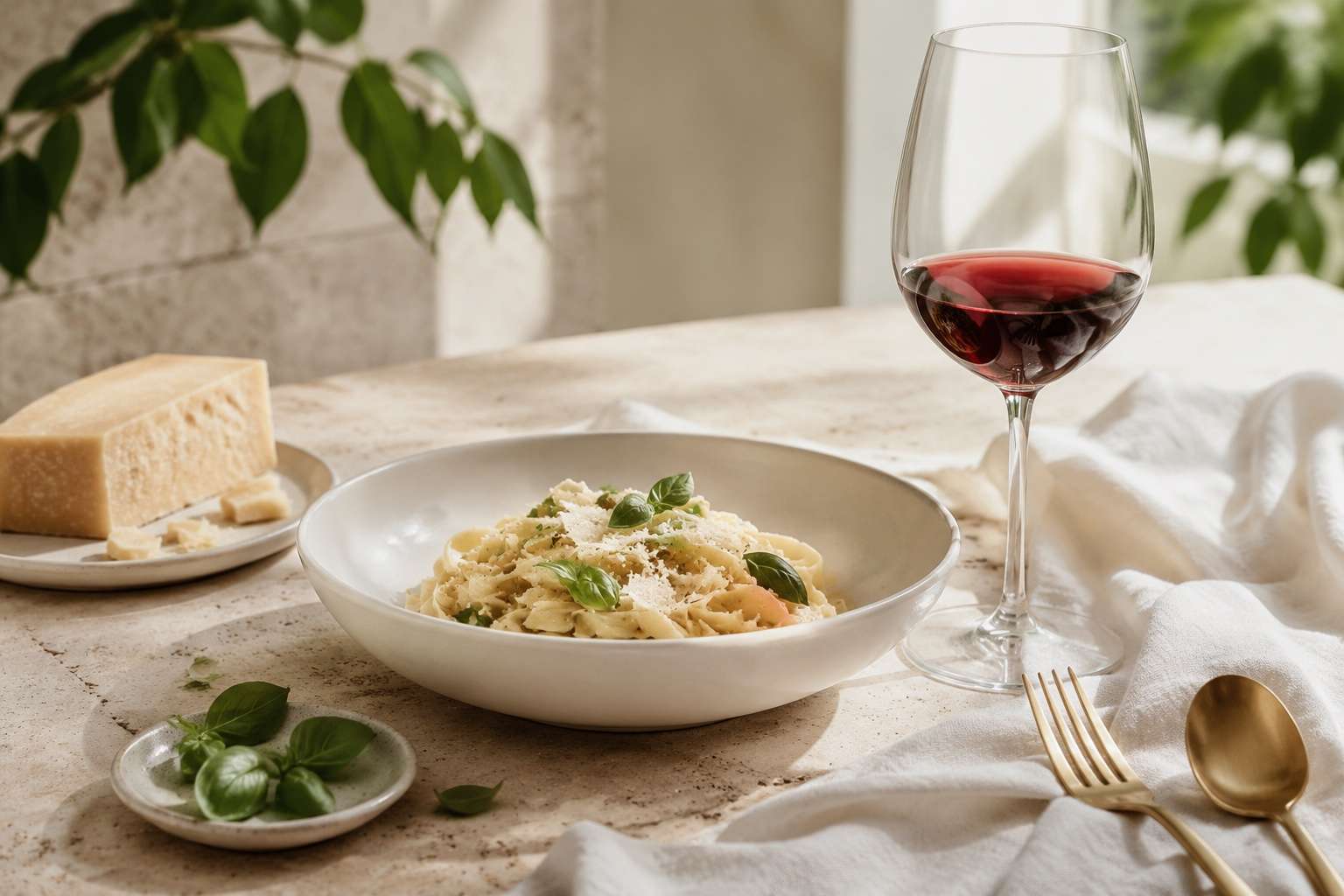
Fresh cheeses such as goat cheese, feta, and mozzarella are tangy and light; they shine with Sauvignon Blanc, especially Sancerre from the Loire, where goat cheese is a local specialty. See our wine with goat cheese guide. Soft-ripened cheeses like Brie and Camembert are buttery and mushroomy, a great fit for Champagne, unoaked Chardonnay, or light Pinot Noir; our wine with Brie page goes deeper. Semi-hard cheeses such as Gruyère, Comté, and young Cheddar suit fuller whites or medium reds like Merlot. Hard, aged cheeses such as aged Cheddar, Parmesan, and aged Gouda have enough savory depth for Cabernet Sauvignon, Chianti, or Rioja. Blue cheeses need sweet wine, and washed-rind cheeses such as Époisses and Taleggio work with aromatic Gewürztraminer or earthy red Burgundy.
The old saying “what grows together goes together” is especially true for cheese. Manchego, the sheep’s milk cheese of central Spain, is a natural with Tempranillo from Rioja or Ribera del Duero. Parmigiano-Reggiano and sparkling red Lambrusco both come from Emilia-Romagna, and the bubbles cut the cheese’s richness beautifully; see wine with Parmesan for more options. Roquefort and Sauternes are a famous French match of salty blue cheese with sweet, honeyed wine. English Stilton is traditionally served with Port at the end of a meal. Comté from the Jura mountains is lovely with the region’s nutty whites. Pecorino Toscano pairs with Chianti, and Alsace’s pungent Munster is a classic with Gewürztraminer. When you are unsure, look up where a cheese comes from and pour a wine from the same place.
If you only open one bottle for a cheese board, consider a white or sparkling wine. Dry sparkling wine such as Champagne, Crémant, or Cava is the most versatile cheese partner of all; bubbles and acidity scrub away fat, and the toasty notes flatter Brie, Gruyère, and aged Gouda alike. Riesling, from dry to off-dry, handles everything from goat cheese to washed-rind cheese with its high acidity and fruit. Chenin Blanc from Vouvray works well with soft and semi-hard cheeses. Then there is the sweet side. Port loves Stilton and aged Cheddar, Sauternes loves Roquefort, and late-harvest Riesling or tawny Port flatters nutty aged Gouda. Sweet wines balance salty, pungent cheeses in a way dry wines simply cannot, so keep a small bottle on hand for the blue cheese.
The most common mistake is pouring a big, young, tannic red with soft or fresh cheese. A powerful Cabernet Sauvignon, Barolo, or Tannat can make Brie taste chalky and goat cheese taste sour, while the cheese strips the wine of fruit. Save tannic reds for hard, aged cheeses. Heavily oaked wines can also clash with tangy, fresh cheeses, because vanilla and toast overwhelm their delicate milky flavor. Dry wines of any kind tend to taste bitter next to a strong blue cheese, which is why sweet wine is the classic match there. Very delicate, light whites can disappear under pungent washed-rind cheeses. Finally, watch out for flavored cheeses; smoked, peppered, or truffle cheeses add intense flavors that need equally bold, fruit-forward wines like Zinfandel or Syrah.
Take cheese out of the fridge 30 to 60 minutes before serving, because cold dulls its flavor and texture. Serve whites at 45–50°F and reds slightly cool, about 60–65°F. Arrange cheeses from mildest to strongest and taste in that order, saving blue cheese and sweet wine for last. Offer three to five cheeses with different milk types and textures, and plan about 1 to 2 ounces of each cheese per guest. Plain crackers and bread let the pairings shine; honey, fig jam, nuts, and fresh grapes bridge sweet and savory. For a full hosting plan, read our guide to hosting a wine and cheese party. A smart, affordable lineup is one dry sparkling wine, one crisp white, one medium red, and a half bottle of Port or Sauternes.
| Cheese | Best Wine | Why It Works |
|---|---|---|
| Fresh goat cheese | Sauvignon Blanc or Sancerre | Bright acid matches tangy, fresh cheese |
| Brie or Camembert | Champagne or unoaked Chardonnay | Bubbles and acid cut buttery richness |
| Aged Cheddar | Cabernet Sauvignon or Port | Firm cheese stands up to bold flavor |
| Parmigiano-Reggiano | Lambrusco or Chianti | Acid and bubbles balance salty, nutty depth |
| Manchego | Rioja Tempranillo | Classic Spanish match of savory cheese and red |
| Blue cheese | Port or Sauternes | Sweetness balances intense salt |
| Washed-rind cheese | Gewürztraminer or red Burgundy | Aromatic or earthy wines meet pungent cheese |
Crisp whites and sparkling wines pair with more cheeses than tannic reds do.
Serve blue cheese with Port or Sauternes for a classic contrast pairing.
Let cheese sit out 30–60 minutes so its full flavor comes through.
Learn Your Taste
Answer a few simple questions and discover styles that fit your palate.
Take the Wine QuizWhite wine often works better with more cheeses. Its acidity cuts through fat, while red wine tannin can clash with soft or fresh cheese. Reds shine with hard, aged cheeses like Cheddar, Parmesan, and Manchego.
It depends on age. Mild, young Cheddar suits Chardonnay or Merlot. Sharp, aged Cheddar pairs well with Cabernet Sauvignon, Zinfandel, or Port, which have the intensity to match its tangy, crumbly character.
Sweet wines are best. Port with Stilton and Sauternes with Roquefort are classic matches, because sweetness balances the salt and strong flavor. Late-harvest Riesling and tawny Port also work with Gorgonzola.
Dry sparkling wine, such as Champagne, Crémant, or Cava, works with the widest range of cheeses. Its bubbles and high acidity cut through fat and salt. Off-dry Riesling is a close second.
Sauvignon Blanc, especially Sancerre from the Loire Valley, is the classic match. Its tangy acidity and herbal notes mirror the cheese. Dry rosé and Chenin Blanc are also excellent with fresh goat cheese.
Tannins in red wine can clash with the fat and tang of soft or fresh cheeses, creating a chalky or metallic taste. Fruity, lower-tannin reds such as Pinot Noir or Beaujolais avoid most of the problem.