Start with Côtes du Rhône
It is one of France's most reliable red bargains and pairs with almost any weeknight meal.

Understand Wine. Enjoy Every Glass.
Wine Regions
Rhone Valley wine, or Rhône with its French accent, comes in two flavors: steep northern slopes of peppery Syrah and sunny southern plains of generous Grenache blends.
Start Learning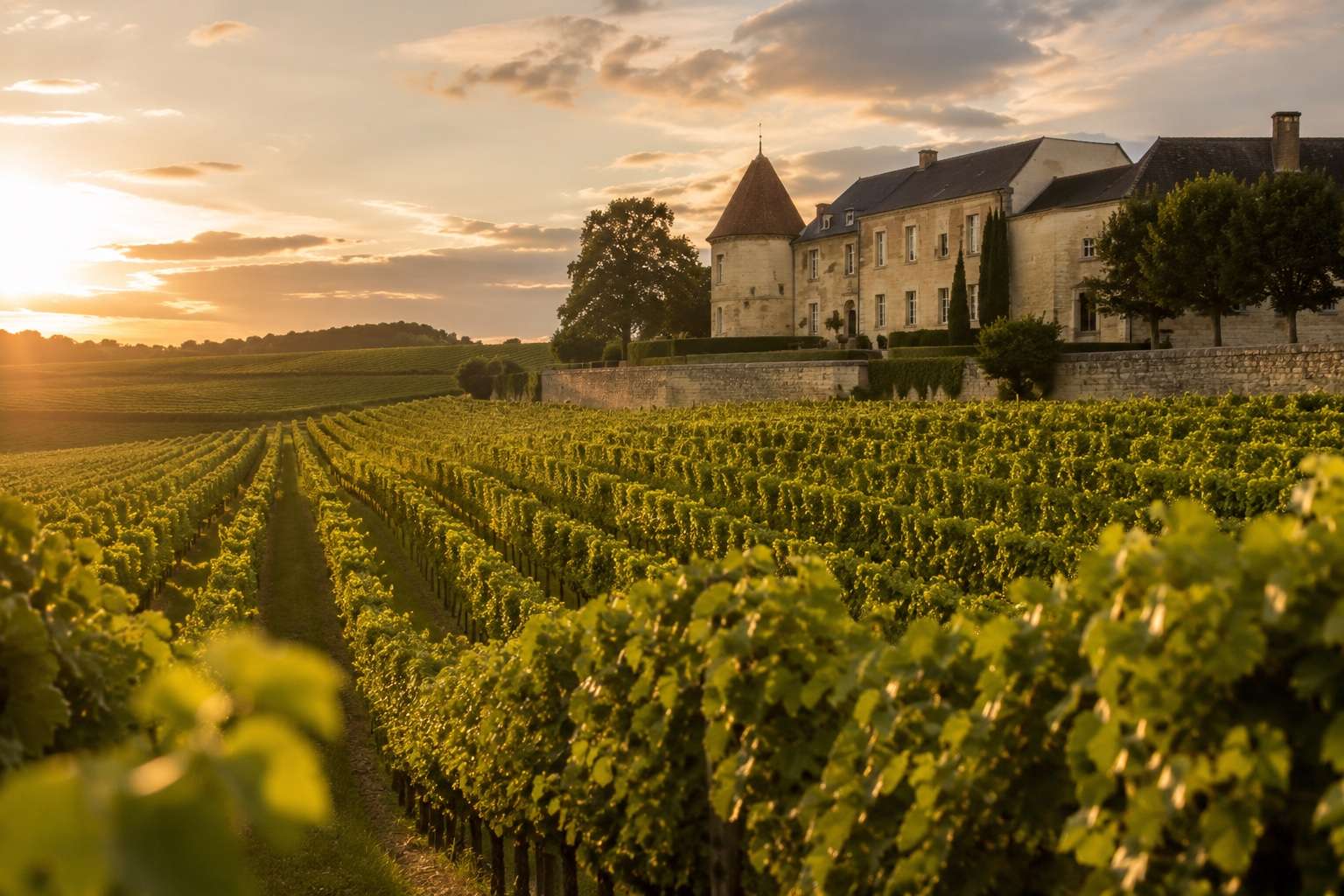
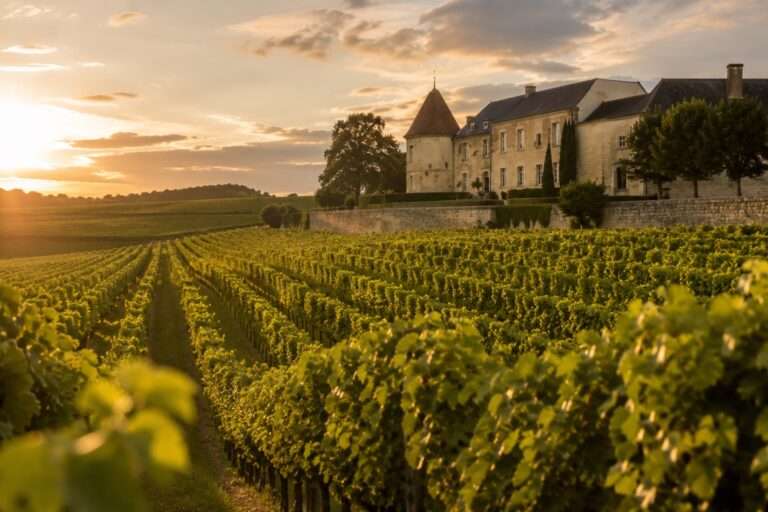
The Rhône River flows south from the Alps through Lyon and down to the Mediterranean, and its vineyards run from just south of Lyon to around Avignon. The region splits into two very different halves separated by a gap with few vines. The northern Rhône is a narrow river valley lined with steep, terraced granite slopes. Its climate is more continental, with cold winters and warm summers, and it grows mostly Syrah. The southern Rhône spreads out into a wide, sunny plain with a hot Mediterranean climate, dry summers, and the mistral, a strong, cold wind that dries the vines and keeps disease away. Soils in the south vary from sand and clay to limestone and the famous large, round river stones of Châteauneuf-du-Pape. The south makes most of the region’s wine.
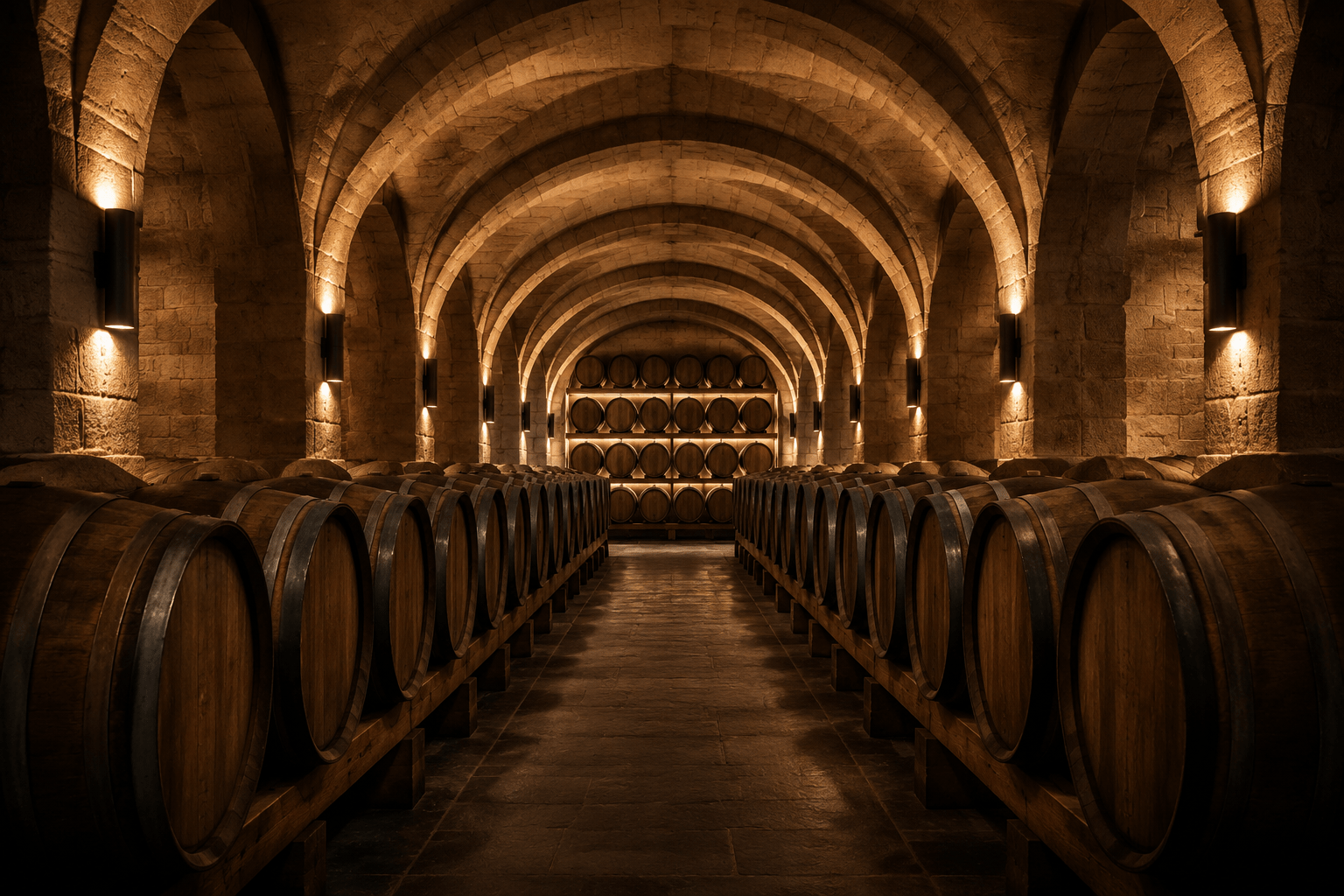
Syrah is the only red grape that leads here, and it shows a savory, elegant side very different from ripe Australian Shiraz; our Syrah vs Shiraz guide explains why. Expect blackberry, blueberry, black olive, smoked meat, violet, and a signature black-pepper note. Key appellations include Côte-Rôtie, perfumed and silky, sometimes with a splash of Viognier co-fermented with the Syrah; Hermitage, powerful and long-lived from a single famous hill; Cornas, dark and rugged; and Crozes-Hermitage and Saint-Joseph, larger areas that offer the style at friendlier prices. Whites are rare but special. Condrieu is all Viognier, rich with apricot, peach, and honeysuckle, while white Hermitage and Saint-Joseph use Marsanne and Roussanne for nutty, full-bodied wines.
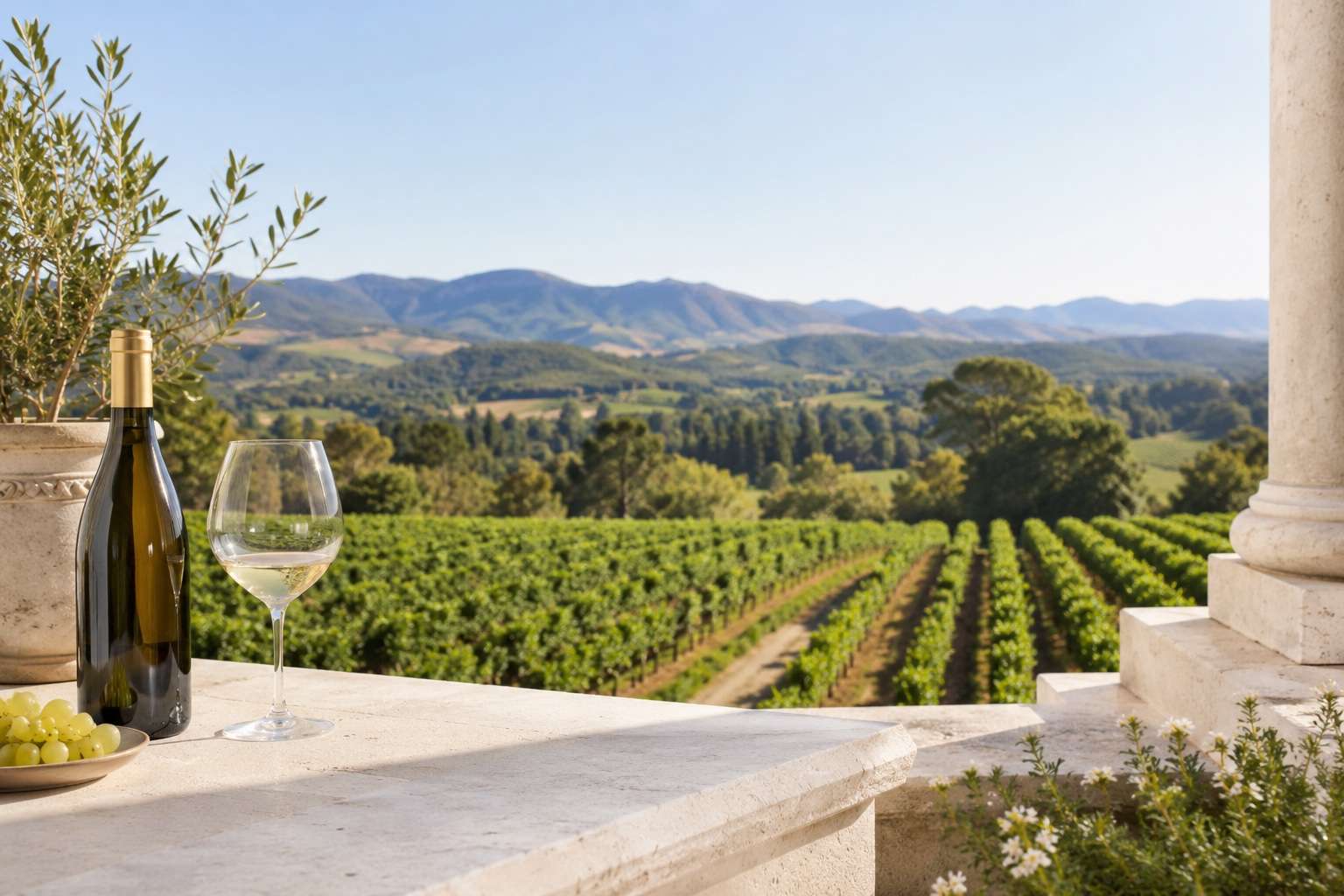
The south is blend country, led by Grenache, which gives ripe raspberry, strawberry, kirsch, and warm spice. Syrah adds color and pepper, Mourvèdre adds savory structure, and Cinsault adds lightness, the inspiration behind the GSM blends now made around the world. Châteauneuf-du-Pape, the most famous name, may blend more than a dozen permitted grapes into rich, warming reds with notes of dried herbs locals call garrigue. Gigondas and Vacqueyras are similar in style and often a better value, and Rasteau, Cairanne, and Vinsobres are rising stars. Tavel makes only dry rosé, deeper in color than Provence rosé, while Beaumes-de-Venise is known for sweet, fortified Muscat. Côtes du Rhône and Côtes du Rhône Villages cover the wider area and are excellent everyday wines.
Start with a red Côtes du Rhône. It is affordable, often under $20, widely available, and shows the southern style: juicy red fruit, spice, and a soft, warm finish. Step up to a Côtes du Rhône Villages, especially one with a village name on the label, for more depth. Then try a Crozes-Hermitage to taste northern Syrah’s black pepper and smoky, savory character. For a splurge, open a Châteauneuf-du-Pape or Côte-Rôtie and give it time in a decanter. Rosé fans should compare a deep, dry Tavel with a pale rosé from Provence next door. White lovers can try Condrieu for a lush, aromatic treat. If you enjoy Rhône blends, explore California’s Paso Robles, a leading New World home for these grapes.
Southern Rhône reds are a natural with the herb-scented cooking of Provence. Roast lamb with garlic and rosemary, beef daube, ratatouille, and grilled sausages all suit a Côtes du Rhône or Gigondas. Châteauneuf-du-Pape handles rich stews, duck, and dishes with black truffles or mushrooms. Northern Syrah’s black pepper and smoky notes are perfect with peppercorn steak, venison, grilled lamb chops, and Lyon-style charcuterie. Tavel rosé is sturdy enough for grilled fish, bouillabaisse, roast chicken, and summer barbecues. Viognier from Condrieu matches lobster, scallops, and mildly spiced dishes with apricot or saffron. A chilled glass of Muscat de Beaumes-de-Venise is lovely with fruit desserts and melon. Serve Rhône reds at 60–65°F; a slight chill keeps Grenache’s warmth in check.
The Rhône is easy to reach by fast train from Paris to Lyon or Avignon. For the north, base yourself in the small towns along the river, such as Tain-l’Hermitage, where you can see the steep terraces up close; the riverside drive is beautiful. For the south, Avignon, with its historic papal palace, makes a lively base, and the village of Châteauneuf-du-Pape is a short drive away, with plenty of tasting rooms. The Dentelles de Montmirail hills around Gigondas offer hiking and stunning views. Many smaller estates prefer appointments, so call ahead. Summers are hot and the mistral can blow hard, so bring layers. Late spring and early fall are ideal, with lavender blooming nearby in early summer.
| Wine | Character | Try It With |
|---|---|---|
| Côtes du Rhône (red) | Grenache-led, raspberry, spice, soft | Grilled sausages or pizza |
| Châteauneuf-du-Pape | Rich, kirsch, dried herbs, warming | Beef stew or roast duck |
| Gigondas or Vacqueyras | Dark red fruit, garrigue, firm | Roast lamb with herbs |
| Crozes-Hermitage or Saint-Joseph | Syrah, blackberry, black pepper, savory | Peppercorn steak or burgers |
| Côte-Rôtie or Hermitage | Perfumed or powerful Syrah, age-worthy | Venison or lamb chops |
| Condrieu (Viognier) | Apricot, peach, honeysuckle, rich | Lobster or scallops |
| Tavel rosé | Dry, deep pink, strawberry, sturdy | Grilled fish or bouillabaisse |
It is one of France's most reliable red bargains and pairs with almost any weeknight meal.
Northern Rhône reds are Syrah-based; southern reds are usually Grenache-based blends.
Serve southern Rhône reds at 60–65°F to keep Grenache's ripe fruit fresh.
Learn Your Taste
Answer a few simple questions and discover styles that fit your palate.
Take the Wine QuizRed wine, in two styles: savory, peppery Syrah from the northern Rhône, including Côte-Rôtie and Hermitage, and Grenache-based blends from the southern Rhône, including Châteauneuf-du-Pape and Côtes du Rhône. It also makes Viognier, Tavel rosé, and sweet Muscat.
The northern Rhône is cooler and steep, and its reds are mainly Syrah: savory, peppery, and elegant. The southern Rhône is hot and sunny, and its reds are Grenache-led blends: riper, rounder, and spicier, with notes of dried herbs.
Red Côtes du Rhône is usually led by Grenache, blended with Syrah, Mourvèdre, and sometimes Cinsault or Carignan. White Côtes du Rhône often uses Grenache Blanc, Clairette, Marsanne, Roussanne, and Viognier.
Often, yes, for a special occasion. Châteauneuf-du-Pape is rich, complex, and ages well. For everyday drinking, Gigondas, Vacqueyras, and Côtes du Rhône Villages with a village name offer a similar style for less money.
Almost all Rhône red, white, and rosé wine is dry. Ripe Grenache can taste fruity and warm, but it has very little sugar. The main exceptions are sweet fortified Muscat from Beaumes-de-Venise and a few other dessert wines.
Côte-Rôtie is a northern Rhône red from steep, terraced slopes on the river's west bank near Vienne. It is Syrah-based, and growers may cofferment a small share of white Viognier, which lifts the aroma. Expect dark fruit, black olive, smoked meat, and violet notes with fine, firm tannins.