Decant Young Shiraz
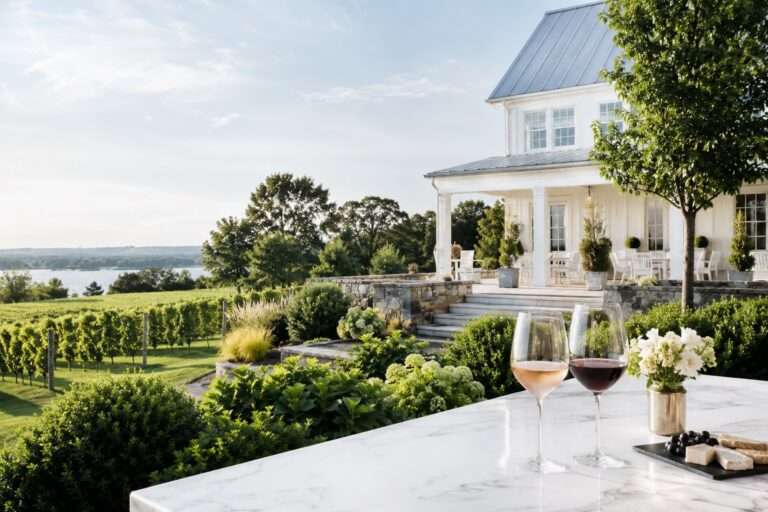
Thirty to sixty minutes of air softens young Barossa Shiraz and opens its aromas.

Understand Wine. Enjoy Every Glass.
Wine Regions
Big, ripe, and generous, Barossa Valley Shiraz put Australian wine on the world map. Here is what makes the region tick and what to pour beyond its famous red.
Start Learning
Barossa Valley lies in South Australia, about an hour’s drive northeast of the city of Adelaide. It is a broad, gently rolling valley of vineyards, small towns such as Tanunda, Nuriootpa, and Angaston, and old stone churches. German-speaking settlers arrived in the 1840s, and their heritage lives on in Lutheran churches, bakeries, and smoked sausages. The climate is warm and dry, with hot summer days, little rain during the growing season, and cooler nights. That reliable sunshine ripens red grapes fully, which explains the region’s rich, generous style. Soils vary across the valley, from sandy patches to red-brown clay and ironstone. The Barossa also has a rare treasure: the vine pest phylloxera, which destroyed vineyards across much of the world, never reached South Australia. As a result, the region has some of the oldest continuously producing vines on earth.
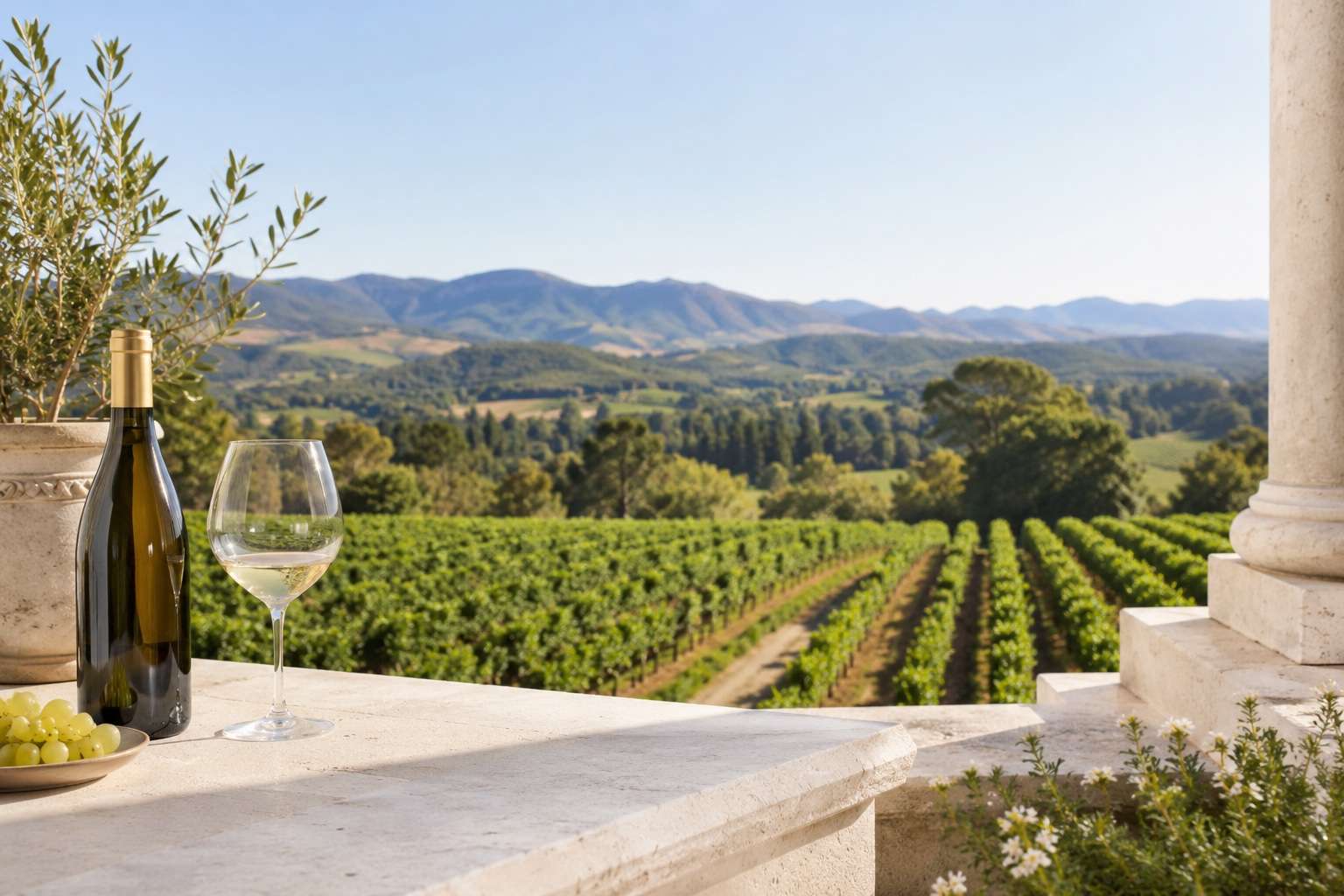
Shiraz is the same grape as France’s Syrah, but in the Barossa it takes on a richer, riper personality. Expect blackberry, blueberry, plum, and black cherry, layered with dark chocolate, mocha, licorice, and warm baking spices. Many bottles are aged partly in American oak, adding vanilla, coconut, and toast. The texture is full-bodied and velvety, with ripe tannins and alcohol often around 14 to 15 percent. Wines from very old vines tend to be more concentrated and complex, with savory, earthy layers beneath the fruit. Compared with a peppery, lean Syrah from the northern Rhône Valley, Barossa Valley Shiraz is plusher and sweeter-tasting, though it is dry. Our Syrah vs Shiraz comparison explains how one grape makes two styles, and why the name on the label hints at what is inside.
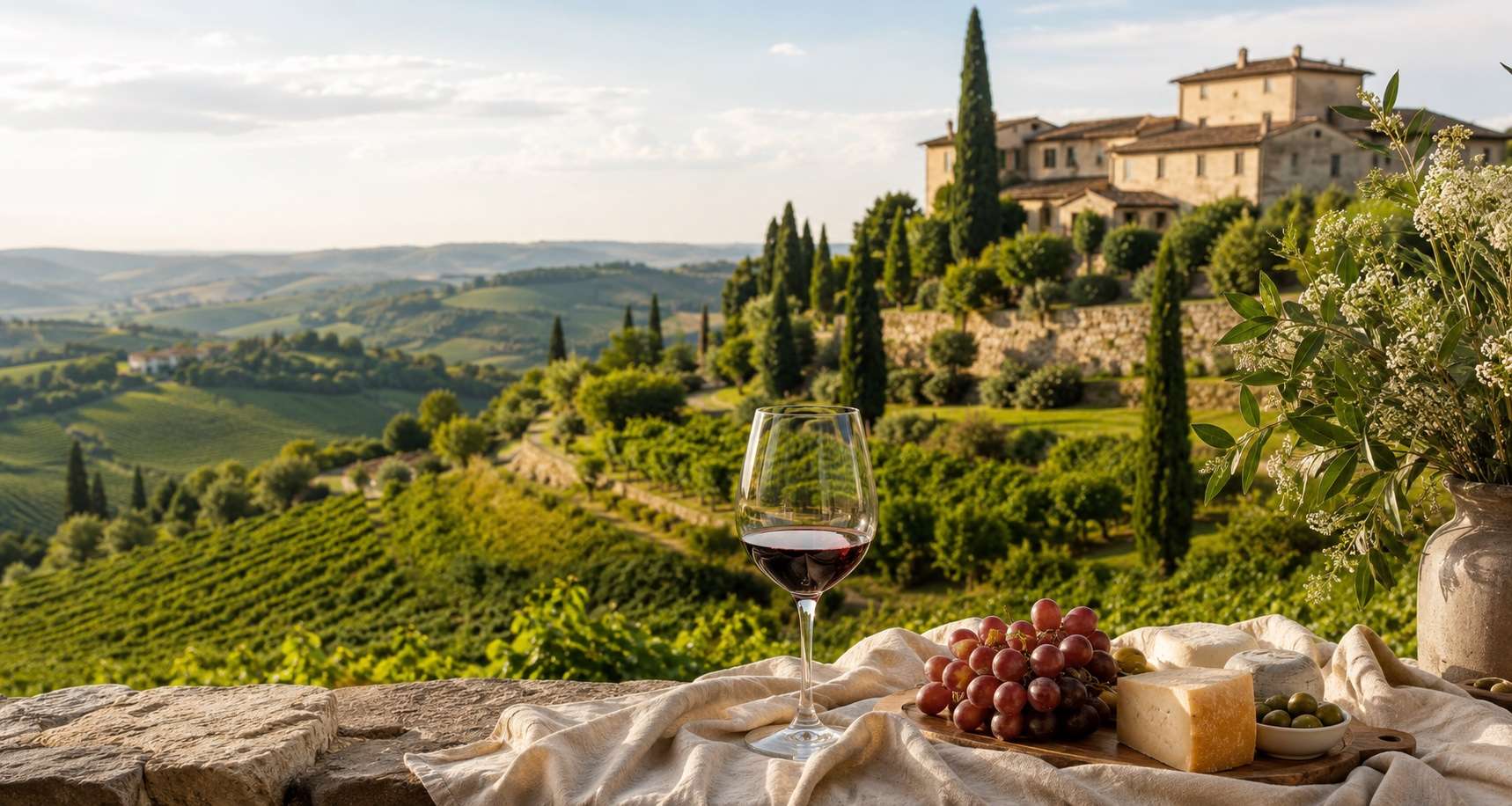
Barossa Valley Shiraz may be the headline, but the region has plenty more to offer. Old-vine Grenache makes juicy, raspberry-scented reds that are lighter and more perfumed than Shiraz. Blends of Grenache, Shiraz, and Mourvèdre, known locally as Mataro, are labeled GSM and combine red fruit, dark fruit, and savory spice. Cabernet Sauvignon does well too, offering blackcurrant and firm structure. For whites, Barossa Semillon is rich and lemony. The hills to the east form Eden Valley, which is higher and cooler, and famous for Riesling that is bone-dry, with lime, grapefruit, and flowers, aging into toasty, honeyed wine. The Barossa also has a long tradition of fortified wines, including rich tawny styles.
The broader Barossa zone has two official regions: Barossa Valley, on the warmer valley floor, and Eden Valley, in the cooler hills. Within the valley, growers talk about differences between areas even though they are not separate appellations. The northern Barossa, around villages such as Ebenezer, Greenock, and Moppa, is generally warmer and known for powerful, dense Shiraz. The southern and central areas, around Lyndoch and Tanunda, often produce slightly fresher, more elegant wines. Many producers blend grapes from several areas for balance, while others bottle single vineyards to show off one site. You may also see old-vine wording on labels, which signals vines several decades old or more. For a contrast, compare the Barossa with cooler Margaret River in Western Australia or with the humid Hunter Valley.
Start with a mid-priced Barossa Valley Shiraz to taste the classic ripe style, then try a Barossa GSM to see how Grenache lifts the fruit and softens the texture. Finish with an Eden Valley Riesling, a refreshing contrast that shows how altitude changes everything. Young Barossa Shiraz benefits from 30 to 60 minutes in a decanter. These bold reds were made for the grill. Pair Shiraz with barbecue, smoked brisket, beef ribs, and peppery steaks. It is also a great match for lamb, whether chops off the grill or a slow-roasted shoulder with rosemary. Locally, smoked mettwurst sausage and hearty country fare reflect the German heritage. Grenache suits pork, roast duck, and pizza, while Eden Valley Riesling is perfect with fresh oysters, Vietnamese salads, and Thai dishes.
Barossa Valley is an easy day trip from Adelaide, though staying a night or two lets you relax and enjoy dinner in the valley. Tastings are widely available at cellar doors, the Australian term for tasting rooms, and many welcome walk-in visitors, while smaller estates may require appointments. A paved cycling trail links several towns, making bike touring a good option for part of the trip. Harvest in the southern hemisphere runs roughly from February to April, the most exciting time to visit. Spring, from September to November, brings green vines and pleasant weather. Summers can be very hot. Plan for a designated driver or book a tour, since distances between cellar doors add up. Bring a cooler bag if you plan to buy wine in summer heat.
| Grape or Style | Character | Try It With |
|---|---|---|
| Barossa Valley Shiraz | Full, ripe blackberry, chocolate, licorice, velvety | Smoked brisket or grilled steak |
| Old-vine Shiraz | Dense, layered, savory, long finish | Slow-roasted lamb shoulder |
| Grenache | Medium body, raspberry, spice, perfumed | Roast duck or pizza |
| GSM blend | Red and black fruit, earthy, spicy | Pork ribs or sausages |
| Eden Valley Riesling | Bone-dry, lime, grapefruit, floral | Oysters or Thai salads |
| Barossa Semillon | Lemon, rich texture, fresh | Grilled fish or roast chicken |
Thirty to sixty minutes of air softens young Barossa Shiraz and opens its aromas.
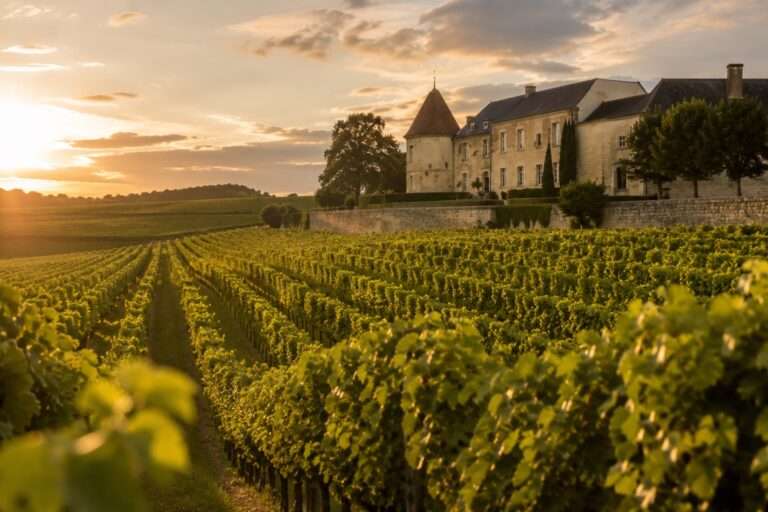
Grenache-based blends show a lighter, juicier side of Barossa reds for less money.
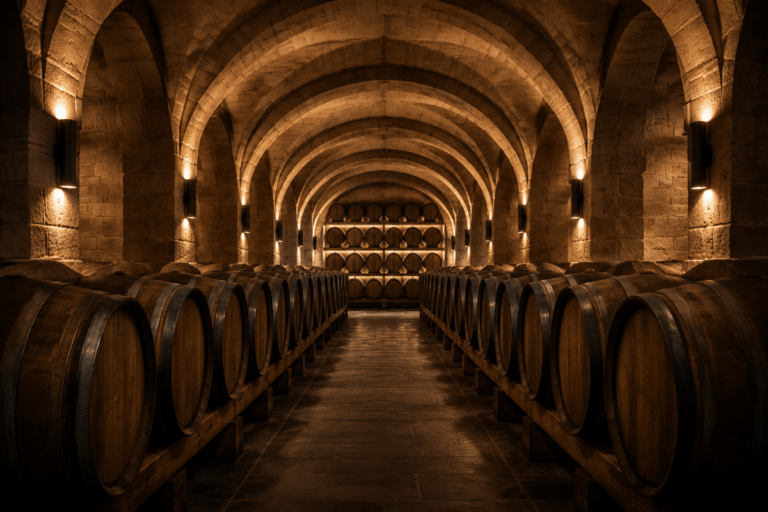
Its crisp, dry Riesling offers a refreshing contrast to the valley's bold reds.
Learn Your Taste
Answer a few simple questions and discover styles that fit your palate.
Take the Wine QuizYes, it is the same grape. Australians call it Shiraz, and the warm Barossa climate gives it a riper, fuller, more chocolatey style than the peppery, leaner Syrah of France's northern Rhône.
No, it is dry. The ripe fruit, vanilla from oak, and high alcohol can create an impression of sweetness, but there is very little residual sugar. It tastes generous rather than sugary.
Phylloxera, a root-eating pest that wiped out vineyards across Europe and much of the world, never reached South Australia. Many Barossa vines were never replanted, so some still produce grapes after more than a century.
Most bottles are enjoyable young and good for five to ten years. Top old-vine Shiraz can age for twenty years or more, developing leather, earth, and dried fruit notes as the tannins soften.
GSM is a red blend of Grenache, Syrah (Shiraz), and Mourvèdre, a style that originated in France's southern Rhône. Barossa GSMs combine raspberry fruit, dark berries, spice, and earthy depth, often at friendly prices.
Bold, smoky, grilled meats are ideal, including barbecue brisket, ribs, steak, lamb, and sausages. Its ripe fruit also handles sweet and spicy barbecue sauces. Aged cheddar and hearty stews are good partners too.