Keep Port and Sherry Pours Small
Fortified wines are strong. A 2–3 ounce pour of port, sherry, or Madeira is a full serving.

Understand Wine. Enjoy Every Glass.
Wine Types
Fortified wine is wine strengthened with grape spirit. It can be bone dry or rich and sweet, and it lasts far longer than regular wine once opened.
Start Learning
Fortified wine is regular wine that has been strengthened with a neutral grape spirit, often a clear grape brandy. That extra spirit lifts the alcohol to roughly 15–22%, compared with about 12–14% for most table wines. Fortification began centuries ago as a way to protect wine on long sea voyages, since higher alcohol keeps spoilage bacteria at bay. Today it is all about style. Fortified wines range from pale, salty, bone-dry sherry to dark, syrupy, raisin-sweet dessert wines. What they share is concentration, a long life, and a habit of being served in small pours. Some of the world’s longest-lived wines are fortified; old Madeira and tawny port can taste vibrant after decades. For the bigger picture on wine strength, see wine alcohol content.
The key is timing. When grape spirit is added during fermentation, the jump in alcohol kills the yeast before it finishes eating the grape sugar. The leftover sugar makes a sweet wine. That is how port is made in Portugal’s Douro Valley, and how French vins doux naturels like Banyuls and Muscat de Beaumes-de-Venise are made. When spirit is added after fermentation, the wine is already dry, so it stays dry. Most sherry is made this way, and sweet sherries are created later by blending or using sweet grapes. Aging then shapes flavor. Some wines rest in bottle or large vats to stay fruity, while others spend years in barrels, gaining nutty, caramel, and dried-fruit notes as they slowly oxidize.
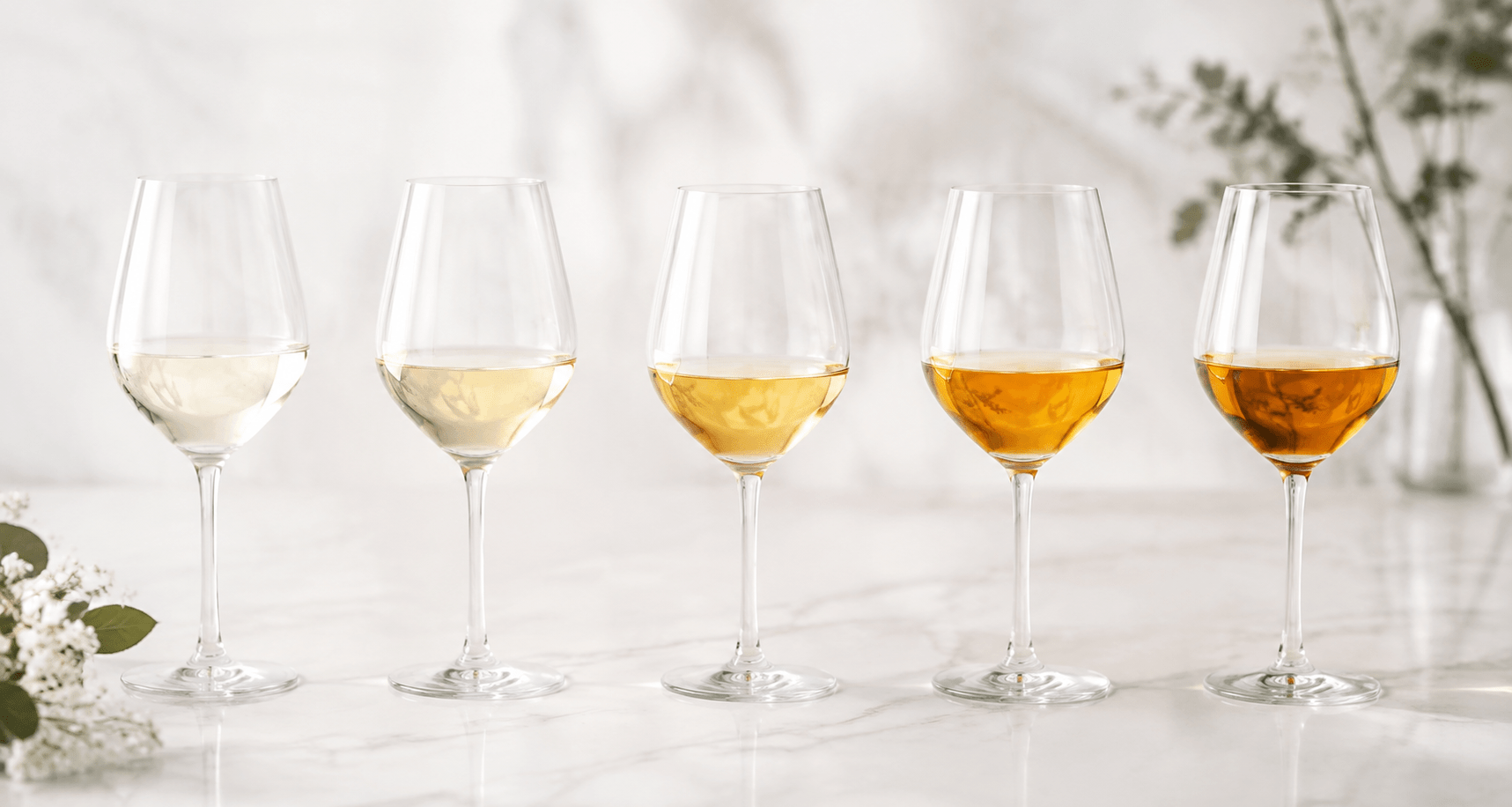
Port comes from northern Portugal, made from grapes like Touriga Nacional; ruby styles are fruity and tawny styles nutty. Sherry comes from around Jerez in southern Spain and is mostly made from Palomino, from dry fino to sweet Pedro Ximénez. Madeira comes from the Portuguese island of the same name. It is heated during aging, which makes it almost indestructible, and its styles run from dry Sercial to rich Malmsey. Marsala is from western Sicily, made dry (secco) to sweet (dolce), and is famous in the kitchen. Vin doux naturel from southern France includes sweet Muscat and Grenache-based Banyuls. Australia’s Rutherglen Muscat is a dark, sticky treat. Vermouth is fortified and also flavored with herbs and spices.
If you want something sweet and fruity after dinner, start with ruby port, which tastes of blackberry, plum, and chocolate. If you prefer nutty and mellow, try a 10-year tawny port, with caramel, fig, and toasted almond. If you like savory, salty flavors, an ice-cold glass of fino or manzanilla sherry tastes of almonds, bread dough, and sea air, and makes a great aperitif. Amontillado and oloroso sherries are deeper and nuttier, yet usually dry. For a sweet, tangy wine with remarkable freshness, pour a Bual or Malmsey Madeira, which shows toffee, orange peel, and bright acidity. Our comparisons of port vs. sherry and port vs. Madeira walk through the differences in more detail.
Fortified wines are excellent food partners. Dry fino and manzanilla sherry go with olives, salted almonds, fried fish, ham, and sushi. Amontillado and dry oloroso suit mushrooms, aged cheeses, and soups. Ruby port and Banyuls are among the few wines that pair well with chocolate. Tawny port loves pecan pie, crème brûlée, and nutty desserts, while vintage port and Stilton is a British classic. Sweet Madeira works with caramel desserts and fruitcake. In the kitchen, fortified wines add depth to sauces. Dry Marsala is the key to chicken or veal Marsala, dry sherry brightens soups and stir-fries, and port makes a rich reduction for steak or duck. Choose a bottle you would also sip; cheap cooking wine is often salted. See cooking with wine for more.
Serve fortified wines in small portions, about 2–3 ounces, in a small white-wine or dessert glass. Temperature depends on style. Fino and manzanilla sherry should be very cold, around 45°F. Tawny port, amontillado, and Madeira show best lightly chilled, around 55°F. Ruby and vintage port are best near 60–65°F. Vintage port and some older ports throw heavy sediment, so stand the bottle upright and decant before serving. Once open, shelf life varies. Fino and manzanilla fade within about a week, so keep them in the fridge. Ruby and tawny port last a few weeks after opening. Madeira, already exposed to heat and air during aging, can last for months. For more on serving sweet styles, see our dessert wine guide.
| Fortified Wine | Style and Taste | Serve With |
|---|---|---|
| Ruby port (Portugal) | Sweet; blackberry, plum, chocolate | Dark chocolate, blue cheese |
| Tawny port (Portugal) | Sweet; caramel, fig, toasted nuts | Pecan pie, crème brûlée |
| Fino sherry (Spain) | Bone dry; almond, bread, salty tang | Olives, ham, fried seafood |
| Oloroso sherry (Spain) | Usually dry; walnut, toffee, rich | Aged cheese, stews |
| Madeira (Portugal) | Dry to sweet; caramel, orange peel, high acid | Fruitcake, mushroom dishes |
| Marsala (Sicily) | Dry to sweet; dried fruit, brown sugar | Cooking, cannoli, biscotti |
Fortified wines are strong. A 2–3 ounce pour of port, sherry, or Madeira is a full serving.
Serve fino and manzanilla sherry cold, around 45°F, and finish within a week.
Stand vintage port upright for a day, then decant slowly to leave sediment behind.
Learn Your Taste
Answer a few simple questions and discover styles that fit your palate.
Take the Wine QuizYes. Fortified wines usually contain about 15–22% alcohol, compared with roughly 12–14% for most table wines. Pours are smaller for that reason, typically 2–3 ounces instead of the standard 5 ounces.
No. Port, vin doux naturel, and some Madeira and Marsala are sweet, but fino, manzanilla, amontillado, and dry oloroso sherry are fully dry. Whether a fortified wine is sweet depends on when the spirit is added.
It varies by style. Fino and manzanilla sherry last about a week in the fridge. Ruby and tawny port last a few weeks. Madeira is the champion and can stay in good shape for months after opening.
Fortified wine is wine with added grape spirit, so it keeps wine's grape character and usually stays under about 22% alcohol. Liqueurs are spirits flavored and sweetened with fruit, herbs, or cream, and are not based on wine.
Yes. Vermouth is a fortified wine that is also aromatized, meaning it is flavored with herbs, roots, spices, and botanicals such as wormwood. It comes in dry and sweet styles and is a key ingredient in martinis and Manhattans.
Yes, and it adds great depth. Dry Marsala makes chicken Marsala, dry sherry lifts soups and pan sauces, and port creates a rich reduction for red meat or duck. Use a decent bottle rather than salted cooking wine.