Add Black Pepper
Peppery rubs and sauces echo Syrah's spice and make the wine taste brighter.

Understand Wine. Enjoy Every Glass.
Grape Varieties
Syrah is the dark, peppery red behind the northern Rhône's greatest wines. Learn what it tastes like, how it differs from Shiraz, and what to cook with it.
Start Learning
Syrah wine combines dark fruit with savory spice. The fruit is blackberry, blueberry, black plum, and black cherry. Then come the notes that make it distinctive: cracked black pepper, smoked meat or bacon fat, green or black olive, violet, and sometimes leather or tar. Black pepper aroma comes from a natural compound called rotundone, which is more pronounced in cooler sites. Structurally, Syrah is full-bodied and deeply colored, with firm but often fine-grained tannins and fresh acidity, usually 13–14.5% alcohol. Cool-climate Syrah is lean, peppery, and floral; warm-climate versions, usually labeled Shiraz, are riper, jammier, and sweeter-tasting. Oak adds vanilla and smoke. With age, good Syrah develops earthy, gamey notes and a silkier texture.
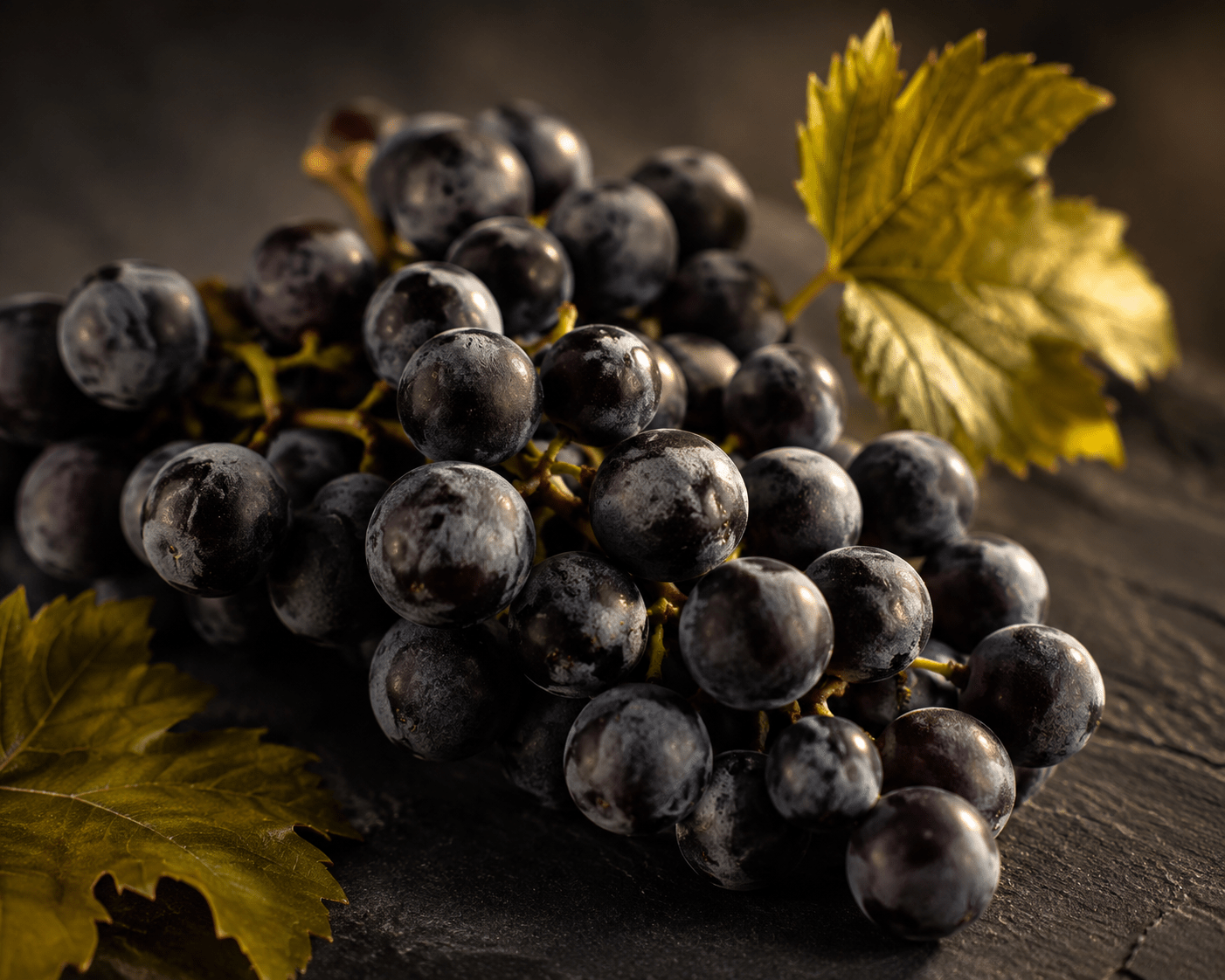
Syrah’s homeland is the northern Rhône Valley in France. On steep granite slopes, Hermitage makes powerful, long-lived wines and Côte-Rôtie makes perfumed, elegant ones, traditionally co-fermented with a little white Viognier. Cornas is dark and rugged, while Crozes-Hermitage and Saint-Joseph offer more affordable entry points. In the southern Rhône, Syrah adds color and spice to Grenache-based blends such as Côtes du Rhône and Châteauneuf-du-Pape. Washington State, especially Walla Walla Valley, makes some of America’s best Syrah, with dark fruit and savory notes. California’s Paso Robles and Santa Barbara County make ripe and cool-climate versions respectively. Chile, South Africa, and New Zealand’s Hawke’s Bay produce peppery, Rhône-like styles.
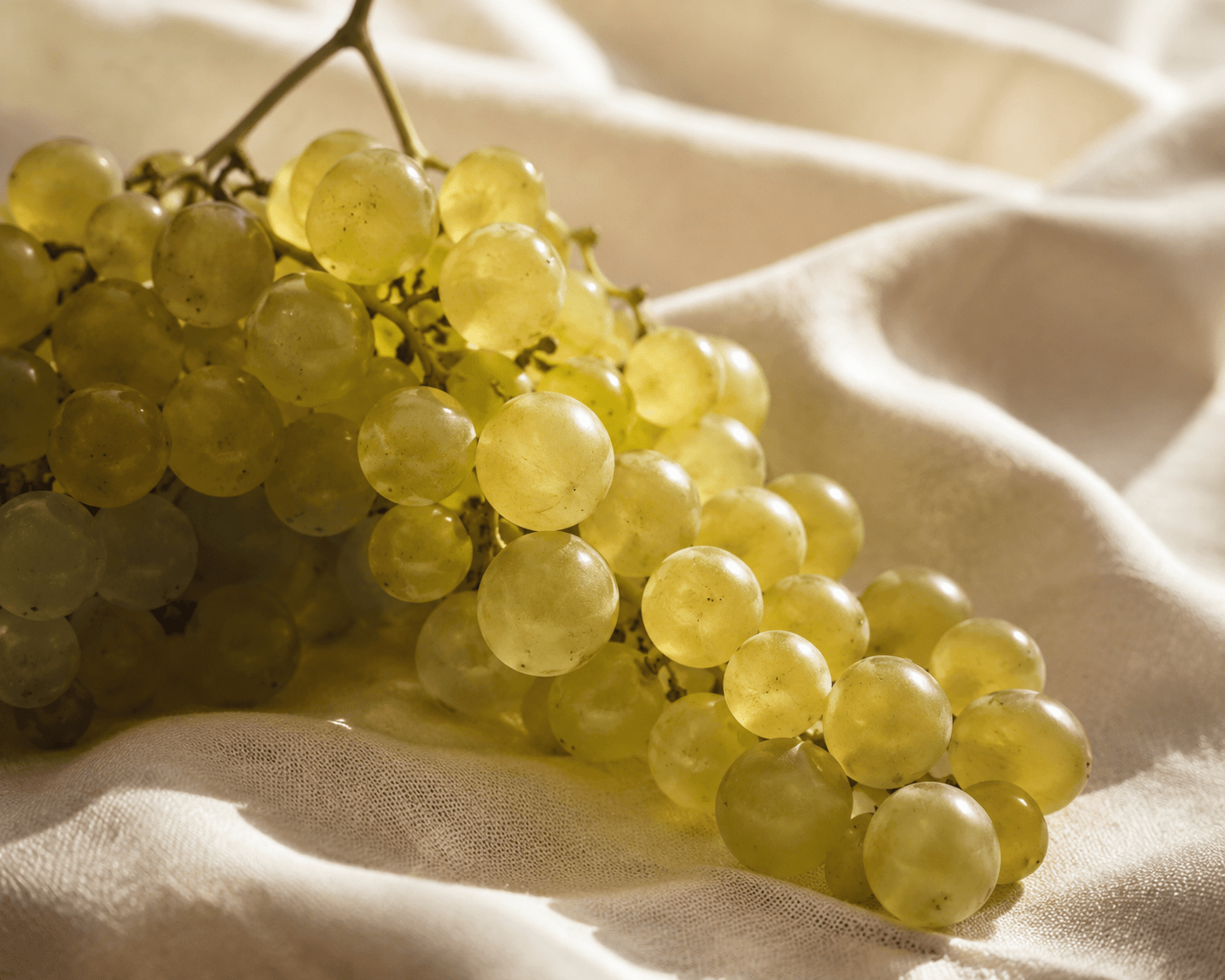
Shiraz and Syrah are the same grape. The name on the label is a style signal more than a botanical difference. “Syrah” usually suggests the French model: moderate alcohol, savory pepper and olive notes, firm acidity, and a leaner frame. “Shiraz” usually suggests the Australian model: riper, rounder, and more fruit-forward, with blackberry jam, chocolate, and sweet spice. Producers outside France and Australia choose the name that matches the style they make. A cool-climate Australian wine may be labeled Syrah to signal elegance, while a ripe Californian may be called Shiraz. Our full breakdown is in Syrah vs Shiraz. Don’t confuse either with Petite Sirah, a different grape that is a Syrah offspring.
Serve Syrah at 60–65°F. Too warm, and the alcohol and ripe fruit dominate; slightly cool, and the pepper and floral notes come forward. Young, structured Syrah from the northern Rhône or Washington benefits from 30 to 60 minutes in a decanter to soften its tannins and release its aromas. Lighter, fruitier bottles such as Crozes-Hermitage can be opened and poured. Older bottles may have sediment, so stand them upright for a day and pour slowly. A large-bowled red wine glass works best, giving the savory aromas room. Syrah’s structure means opened bottles usually stay good for three to four days in the fridge. Quality northern Rhône Syrah often needs five or more years in bottle to show its best.
Syrah’s savory, smoky, peppery side makes it a natural with grilled and roasted meats. Lamb is the classic, especially with garlic, rosemary, or a black olive tapenade that mirrors the wine’s olive notes. Peppercorn steak, venison, and duck all work. It is excellent with barbecue, smoked brisket, and sausages, where smoke meets smoke. Hearty stews, cassoulet, and mushroom ragù suit its earthy depth. For vegetarians, try grilled eggplant, lentil stew, or portobello mushrooms with plenty of black pepper. On the cheese board, aged Gouda, Comté, and hard sheep’s milk cheeses are good choices. Avoid delicate fish and very spicy dishes, which clash with its tannin and alcohol.
If you enjoy Syrah, try its Rhône partners Grenache and Mourvèdre, which together form the famous GSM blend. For a lighter red with similar peppery lift, try Cabernet Franc or Austria’s Blaufränkisch, and compare styles in Pinot Noir vs Syrah. When shopping, Crozes-Hermitage and Saint-Joseph are the best value introductions to northern Rhône Syrah. Côte-Rôtie, Hermitage, and Cornas are splurges. A label reading “Syrah” from Washington, Chile, or California’s Central Coast usually signals a savory, balanced style. Expect alcohol around 13–14% for a fresher, more peppery wine; higher numbers mean riper fruit.
| Region | Style | What to Expect |
|---|---|---|
| Hermitage & Cornas, France | Powerful, long-lived | Blackberry, pepper, smoke, firm tannin |
| Côte-Rôtie, France | Perfumed, elegant | Violet, olive, raspberry, silky texture |
| Crozes-Hermitage & Saint-Joseph, France | Fresh, good value | Dark berries, pepper, bright acid |
| Walla Walla Valley, Washington | Ripe and savory | Blueberry, smoked meat, earth |
| Paso Robles, California | Ripe and plush | Black fruit, chocolate, spice |
| Chile & Hawke's Bay, New Zealand | Cool-climate, peppery | Black pepper, plum, fresh acidity |
Peppery rubs and sauces echo Syrah's spice and make the wine taste brighter.
Crozes-Hermitage is an affordable taste of classic northern Rhône Syrah.
Thirty to sixty minutes of air softens young Syrah's firm tannins.
Learn Your Taste
Answer a few simple questions and discover styles that fit your palate.
Take the Wine QuizSyrah is dry. Ripe, warm-climate examples can taste jammy, but almost all Syrah is fermented fully dry. Its savory pepper and olive notes keep it from tasting sweet.
Yes. Syrah is the French name and Shiraz the Australian one. On a label, Syrah usually means a leaner, peppery style, while Shiraz suggests a riper, fruitier one.
No. Petite Sirah is a different grape, also called Durif, created from a cross between Syrah and Peloursin. It is darker and more tannic than Syrah.
Lamb, peppered steak, barbecue, sausages, venison, and hearty stews. Its smoky, peppery character also suits grilled vegetables and dishes with olives, mushrooms, or plenty of black pepper.
Young, structured Syrah benefits from 30 to 60 minutes in a decanter. Lighter, fruitier bottles are fine to pour straight away, and older bottles should be poured gently off any sediment.
A natural aroma compound called rotundone gives Syrah its peppery note. It is the same compound found in peppercorns and is strongest in Syrah from cooler sites.