Open Two Contrasting Wines
Open two contrasting wines together. Differences in acidity, tannin, and body jump out side by side.
Understand Wine. Enjoy Every Glass.
Wine Basics
Wine gets easy once you know a handful of ideas: how it is made, the main styles, how to taste it, and how to serve and store it. Start here.
Start Learning
Wine is fermented grape juice. Yeast eats the natural sugar in crushed grapes and turns it into alcohol and carbon dioxide. Everything else — color, flavor, sweetness, bubbles — comes from the grape variety, where it grew, and the choices the winemaker made. Start with what wine actually is, then follow the grape from vineyard to bottle in how wine is made. Those two ideas explain most of what you will taste later. For example, red wine is red because the juice ferments with dark grape skins, while white wine is pressed off its skins first. If you are brand new and want a gentle starting plan, wine for beginners walks you through your first few bottles and what to notice in each one.
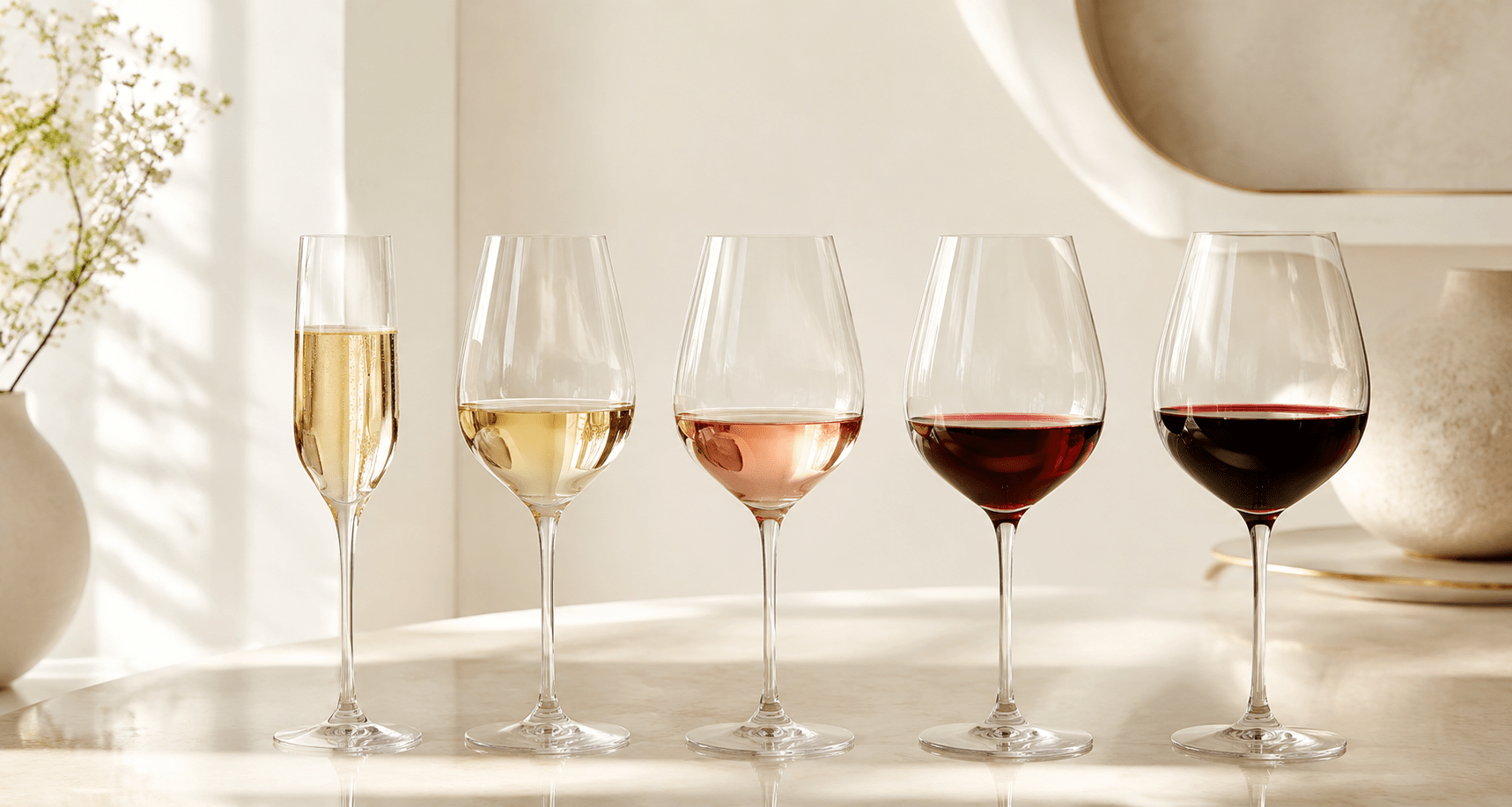
Nearly every bottle fits one of five families. Red wine ranges from light, juicy Pinot Noir to bold Cabernet Sauvignon. White wine runs from crisp, zesty Sauvignon Blanc to rich, buttery oaked Chardonnay. Rosé gets its pink color from brief skin contact with red grapes. Sparkling wine traps carbon dioxide for bubbles, as in Champagne, Prosecco, and Cava. Finally, dessert and fortified wines such as Port and Sauternes are sweeter and often stronger. The wine types guide lays out each family side by side, and red vs white wine explains the single biggest split in the wine world: skins, tannin, and serving temperature.
Wine pros describe structure with a few words you can learn in an evening. Sweetness is leftover grape sugar; most table wines are dry, and dry vs sweet wine explains how to tell the difference from fruity. Acidity is the mouthwatering, tangy feeling that keeps wine fresh — learn more in acidity in wine. Tannin is the drying grip from grape skins and seeds, found mostly in reds; tannins in wine shows how to spot it. Body is how heavy the wine feels, like skim milk versus whole milk, covered in wine body explained. When a term on a menu stumps you, the wine terminology glossary translates it into plain English.
Tasting is a skill, not a gift. Look at the color, swirl to release aromas, smell, then sip and let the wine coat your mouth before you swallow. How to taste wine breaks this into simple steps, and writing tasting notes helps you remember what you liked. Practice with friends using a wine tasting at home. Labels are the other key skill. European bottles usually name the place, such as Rioja or Chablis, while American and Australian bottles usually name the grape. How to read a wine label decodes the region, vintage, alcohol percentage, and quality terms, and Old World vs New World wine explains why those labeling styles differ.
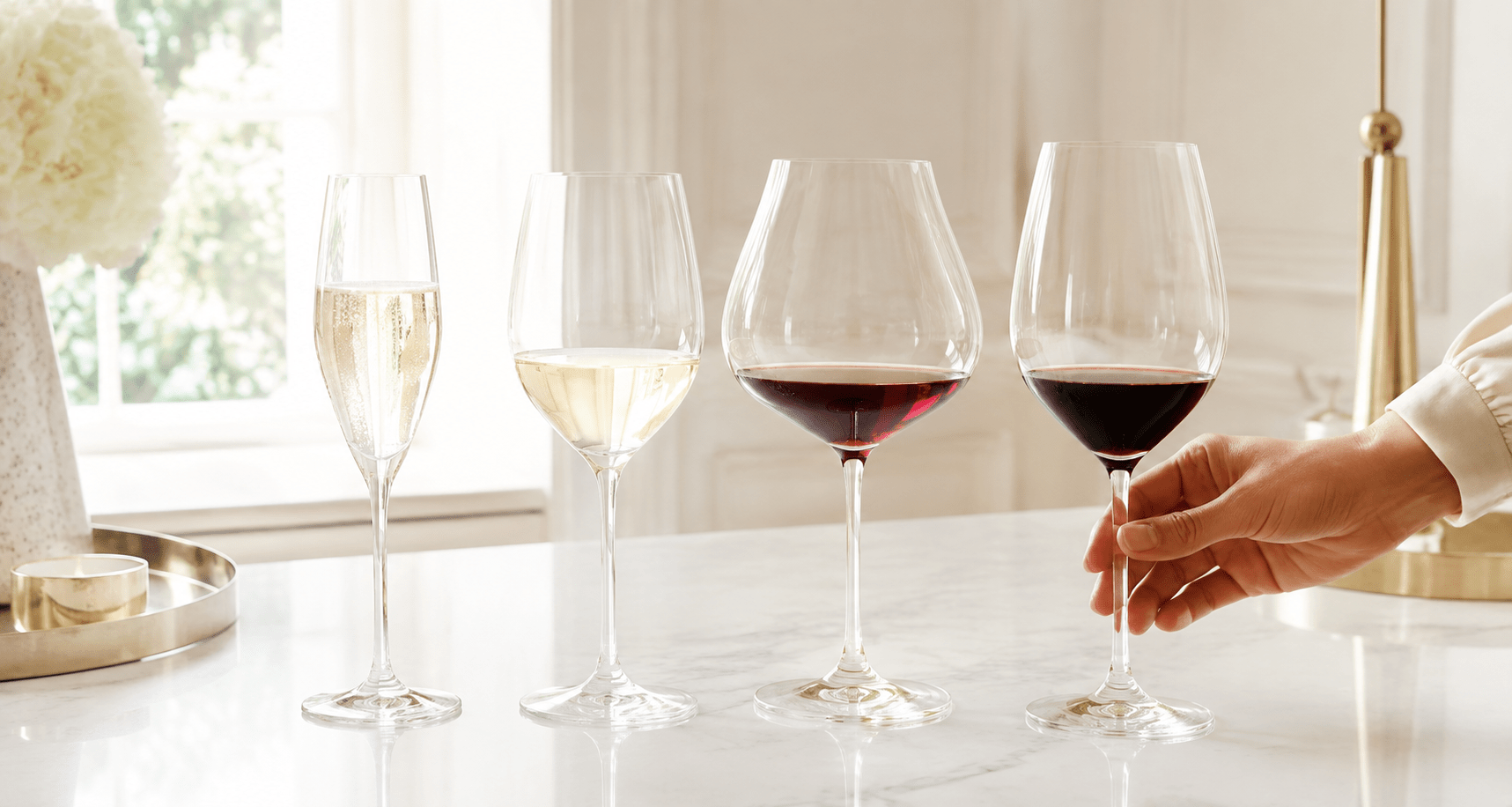
A few habits make any bottle taste better. Serve whites and rosés chilled, around 45–50°F, and reds slightly cool, around 60–65°F; wine serving temperature has a full chart. Use a clean glass with a bowl that narrows at the top — the wine glass guide shows which shapes matter. Learn how to open a wine bottle cleanly, and when to decant a young, tannic red. Store unopened bottles somewhere cool, dark, and steady, ideally around 55°F, using the advice in how to store wine. Once open, most still wines keep three to five days in the fridge with the cork back in; how long wine lasts after opening covers every style.
Once these wine basics for beginners feel familiar, branch out by curiosity. If a grape caught your attention, explore it in grape varieties. If you loved a bottle from a certain place, dig into wine regions. If dinner is the reason you are buying, wine pairings matches bottles to food. Shopping on a budget? Start with how to buy wine. The fastest progress comes from tasting two wines side by side — say, an unoaked Chablis next to an oaked California Chardonnay — and noticing what changed. You do not need expensive bottles or a fancy vocabulary. You just need to pay a little attention to each glass.
| If You Want To | Start With | Then Try |
|---|---|---|
| Understand what is in the glass | What Is Wine | How Wine Is Made |
| Tell styles apart | Wine Types Guide | Red vs White Wine |
| Describe what you taste | How to Taste Wine | Wine Terminology |
| Shop with confidence | How to Read a Wine Label | Old World vs New World Wine |
| Serve wine well | Wine Serving Temperature | Wine Glass Guide |
| Keep bottles fresh | How to Store Wine | How Long Wine Lasts Opened |
Open two contrasting wines together. Differences in acidity, tannin, and body jump out side by side.
Chill whites to 45–50°F and give reds 15 minutes in the fridge before pouring.
Snap a photo of each label you enjoy so you can find that style again.
Choose Your Path
Choose the question that interests you and follow the connections to your next useful lesson.
In dry vs sweet wine, the difference is residual sugar: grape sugar left after fermentation. Dry wines have almost none because yeast converts nearly all the sugar into alcohol. Sweet wines keep some, because fermentation stopped early or the grapes were super-ripe. Fruity is not the same as sweet: a ripe Malbec can taste jammy but be completely dry.
Start Learning →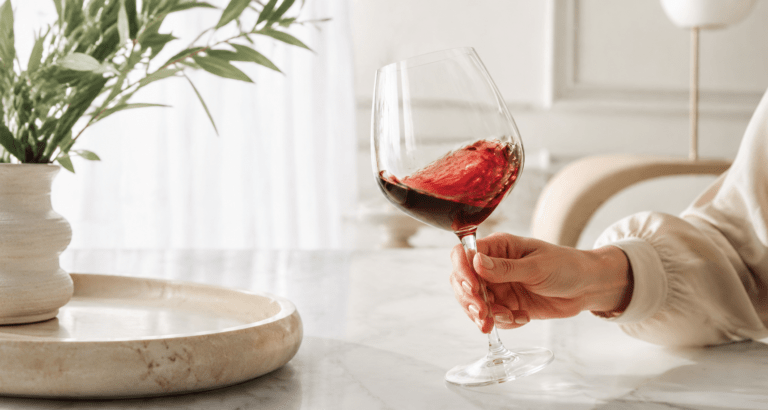
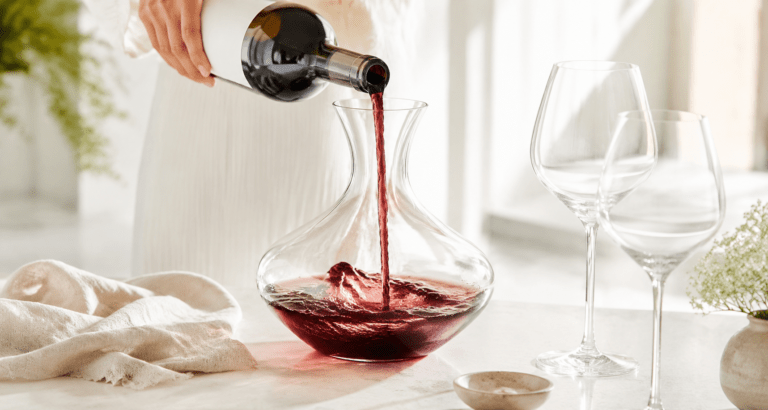
How long does wine last after opening? Sparkling wine lasts 1–3 days with a stopper. Light whites and rosé last 3–5 days in the fridge, full-bodied whites 3–5 days, and reds 3–5 days if recorked and refrigerated. Boxed wine keeps about 3–4 weeks. Fortified wines like Port and Sherry last from a few days to several weeks, depending on style.
Start Learning →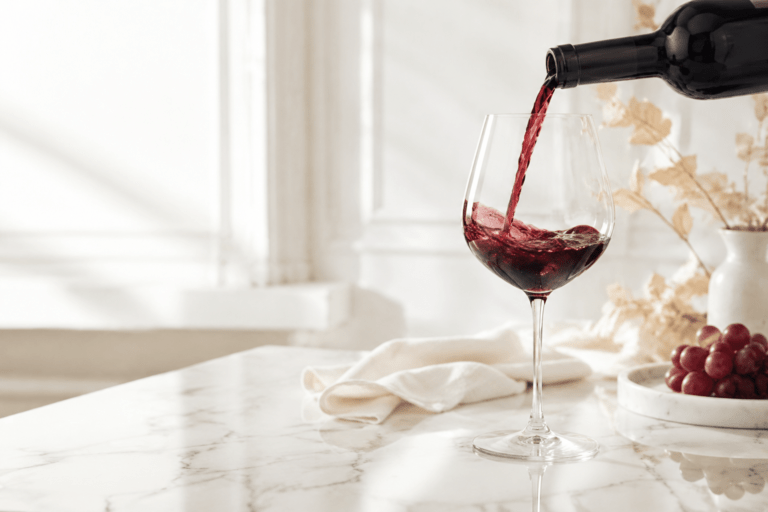
To read a wine label, find five things: the producer, the grape or region, the vintage (harvest year), the alcohol by volume, and the appellation. US, Australian, and other New World labels usually name the grape, like Merlot. European labels usually name the place, like Rioja or Sancerre, so learn which grapes each region uses. Terms like Reserva or Grand Cru indicate quality levels.
Start Learning →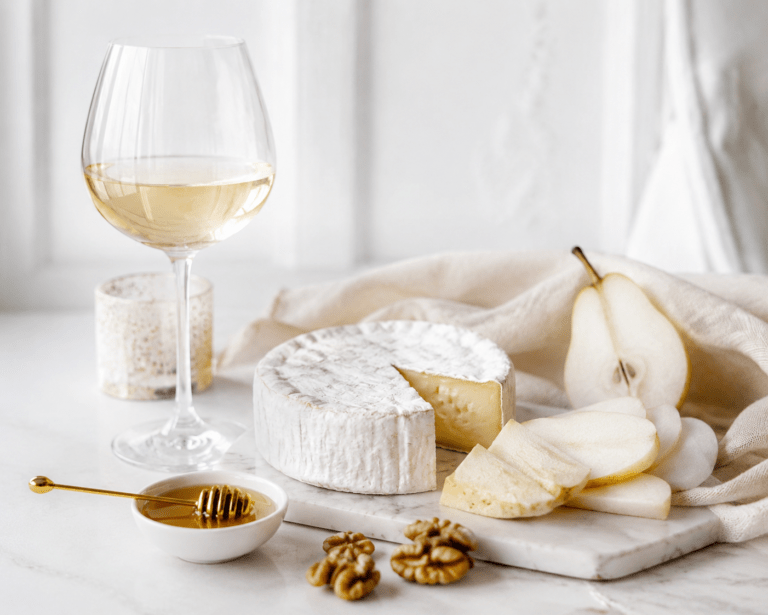
To store wine at home, keep bottles somewhere cool, dark, and stable, ideally around 55°F with moderate humidity. Lay cork-sealed bottles on their sides so the cork stays moist; screw-cap bottles can stand up. Avoid kitchens, sunny windows, and the top of the fridge, where heat, light, and vibration age wine fast. Most everyday wines are best drunk within a few years.
Start Learning →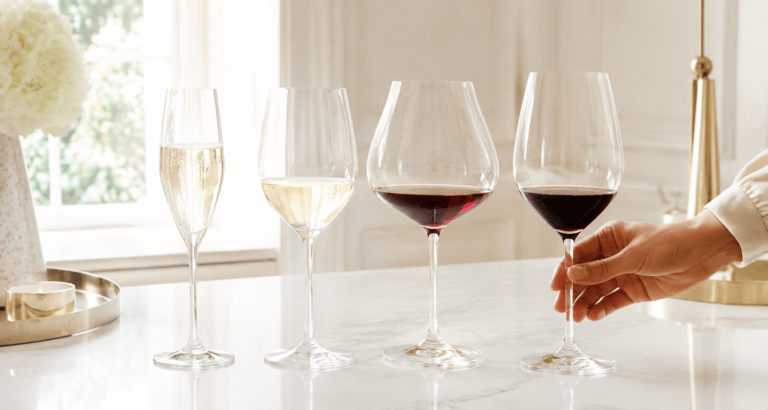
To taste wine, follow the five S's: see the color against a white background, swirl to release aromas, sniff deeply and name one or two smells, sip and let the wine coat your mouth, then savor the finish. As you sip, judge sweetness, acidity, tannin, alcohol, and body. Taste in a quiet, odor-free room with a clean glass.
Start Learning →Wine is made in six main steps: harvest ripe grapes, crush them to release juice, ferment the juice with yeast to turn sugar into alcohol, press out the skins, age the wine in steel tanks or oak barrels, then clarify and bottle it. Red wine ferments with its skins; white wine is pressed first, so only the juice ferments.
Start Learning →The main difference in red vs white wine is skin contact. Red wine ferments with dark grape skins, which give it color, tannin, and flavors like cherry and plum. White wine is usually pressed off the skins first, so it is lighter, tannin-free, and fresher, with citrus, apple, or stone-fruit notes. Serve whites at 45–55°F and reds at 55–65°F.
Start Learning →What are tannins in wine? They are natural plant compounds called polyphenols, found in grape skins, seeds, stems, and oak barrels. Tannins create a drying, grippy feeling on your gums and tongue. Red wines have far more than whites because they ferment with their skins. Tannic grapes include Cabernet Sauvignon, Nebbiolo, and Tannat; Pinot Noir and Gamay are low in tannin.
Start Learning →Wine is an alcoholic drink made by fermenting crushed grapes. Yeast turns the grapes' natural sugar into alcohol and carbon dioxide. Red wine ferments with dark grape skins for color and tannin; white wine is usually pressed off its skins first. Grape variety, climate, soil, and choices like oak aging explain why wines taste so different.
Start Learning →To start with wine for beginners, taste a few classic, affordable styles side by side: a crisp Sauvignon Blanc, an oaked Chardonnay, a dry rosé, a Pinot Noir, and a Cabernet Sauvignon. For each, notice sweetness, acidity, tannin, and body, and jot down what you liked. Within a few weeks, you will know which styles to buy and order.
Start Learning →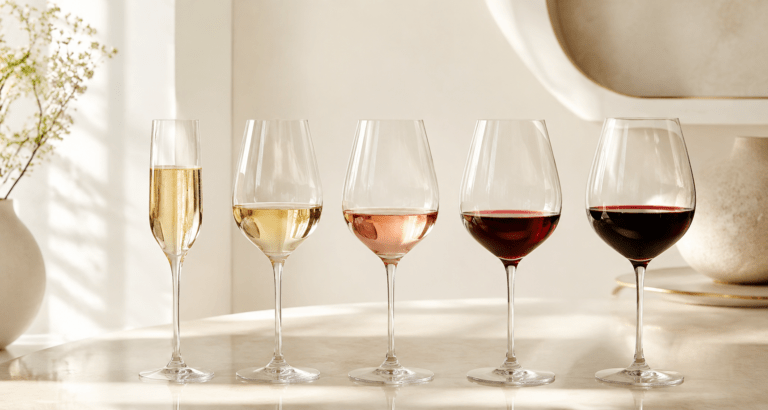
The ideal wine serving temperature depends on style: sparkling wine 40–50°F, light whites and rosé 45–50°F, full-bodied whites 50–55°F, light reds like Pinot Noir 55–60°F, and full-bodied reds 60–65°F. Most people serve whites too cold and reds too warm. Take whites out of the fridge 15 minutes early, and chill reds for about 15 minutes.
Start Learning →Common wine terminology falls into three groups. Structure words describe feel: dry (not sweet), crisp (high acidity), tannic (drying grip), and full-bodied (heavy). Flavor words describe aromas: fruity, earthy, oaky, buttery. Label words describe origin and method: vintage (harvest year), varietal (named grape), appellation (legal region), and reserve. Learn the structure words first; they help most when ordering.
Start Learning →The main types of wine are red, white, rosé, sparkling, dessert, and fortified. Red ferments with dark grape skins for color and tannin; white is pressed off the skins; rosé gets brief skin contact; sparkling traps bubbles; dessert wine keeps natural sweetness; and fortified wine like Port has added grape spirit. Each family runs from light to full-bodied.
Start Learning →Acidity in wine is the tart, refreshing quality that makes your mouth water, like a squeeze of lemon. It comes mainly from tartaric and malic acids in grapes. Cool-climate wines such as Sauvignon Blanc, Riesling, Chablis, and Champagne are high in acid; warm-climate wines are softer. Good acidity keeps wine fresh, balances sweetness, and makes it pair well with food.
Start Learning →A standard 5-ounce glass of dry wine usually has about 110–140 calories. Most of those come from alcohol, which carries about 7 calories per gram, while sugar adds 4 per gram. Light, lower-alcohol whites and Brut sparkling wines sit at the low end; high-alcohol reds and sweet or fortified wines like Port sit at the high end.
Start Learning →For cooking with wine, use an inexpensive dry wine you would happily drink. Crisp, unoaked whites like Sauvignon Blanc, Pinot Grigio, or dry vermouth suit chicken, seafood, and cream sauces. Soft, fruity reds like Merlot, Côtes du Rhône, or Chianti suit braises and tomato sauces. Avoid salted cooking wine, heavily oaked whites, and very tannic reds, which turn bitter when reduced.
Start Learning →Neither is better for every wine. Screw caps seal tightly, keep fresh whites and fruity reds vibrant, and eliminate the risk of cork taint. Natural cork lets in a tiny amount of oxygen over time, and it remains the traditional choice for wines meant to age for decades. Many excellent wines from New Zealand and Australia use screw caps.
Start Learning →To tell if wine is bad, smell it first. Corked wine smells like wet cardboard or a damp basement and tastes muted. Oxidized wine looks brownish and tastes flat, nutty, or like Sherry. Heat-damaged wine tastes stewed or jammy and may have a pushed-up cork. A sharp vinegar smell or unexpected fizz in a still wine also means it has gone bad.
Start Learning →Plan on about half a bottle of wine per person for a dinner party, or roughly one glass per guest per hour for a cocktail party. A standard 750 ml bottle pours five 5-ounce glasses. For 20 guests at a three-hour party, that is 60 glasses, or 12 bottles. For a sparkling toast, one bottle serves six to eight people.
Start Learning →The fastest way to chill wine is a salted ice bath. Fill a bucket or pot with ice and cold water, stir in a handful of salt, and submerge the bottle up to its neck. Spin it now and then. Most bottles reach drinking temperature in about 10 to 15 minutes, far faster than the freezer, which takes 30 minutes or more.
Start Learning →To decant wine, stand the bottle upright for a few hours if it is old, then pour it slowly and steadily into a clean decanter, watching the neck over a light and stopping when sediment appears. Young, tannic reds like Cabernet Sauvignon or Barolo benefit from 30 minutes to 2 hours of air. Fragile old wines need only a few minutes before serving.
Start Learning →To hold a wine glass, pinch the stem between your thumb and first two fingers, about a third of the way up, and let your other fingers rest lightly on the stem or base. This keeps your hand from warming the wine and smudging the bowl. For stemless glasses, hold near the base. For sparkling wine, use the same stem grip.
Start Learning →To host a wine tasting at home, pick a simple theme, such as one grape from different countries, and choose four to six wines. Pour about 2 ounces per taste, from lightest to fullest: sparkling, whites, rosé, reds, then sweet wines. Provide water, plain crackers, spit cups, and note cards, and consider hiding the labels for a blind reveal at the end.
Start Learning →
To open a wine bottle with a waiter's corkscrew, cut the foil below the lip, center the worm's tip on the cork, and twist it in until one curl remains visible. Rest the first hinge step on the bottle lip and lever the cork up, then switch to the second step and ease it out. Wipe the bottle mouth before pouring.
Start Learning →The safest way to open wine without corkscrew tools is to push the cork into the bottle with the handle of a wooden spoon. Other reliable methods: drive a long screw into the cork and pull it with pliers or a hammer's claw, or twist it out with a serrated key. Avoid smashing or heating the bottle, which can shatter glass.
Start Learning →To order wine at a restaurant, decide your budget, then tell the server or sommelier what you are eating and a style you enjoy, such as crisp and dry white or smooth, medium-bodied red. Point to a price on the list to signal your budget quietly. When the bottle arrives, check the label, smell and taste the sample for faults, then nod to approve.
Start Learning →To remove a red wine stain, blot up as much as you can without rubbing, then rinse from the back with cold water. Cover the spot with salt or baking soda to draw out more wine. Treat what remains with dish soap and hydrogen peroxide on white or colorfast fabric, then wash in cold water. Avoid heat until the stain is gone.
Start Learning →In Old World vs New World wine, Old World means Europe and nearby regions with ancient winemaking traditions, such as France, Italy, Spain, Germany, and Portugal. New World means places like the US, Australia, New Zealand, Chile, Argentina, and South Africa. Old World wines are often lighter, more earthy, and higher in acidity; New World wines tend to be riper, fruitier, and fuller-bodied.
Start Learning →For most people, sulfites in wine are not harmful. They are a natural byproduct of fermentation, and winemakers add small amounts to prevent spoilage and browning. A small percentage of people, often those with asthma, are sulfite-sensitive and can react. Sulfites are rarely the main cause of wine headaches, and many foods, such as dried fruit, contain far more.
Start Learning →Most table wine contains 11.5% to 14.5% alcohol by volume (ABV), with an average near 12–13%. Light, off-dry styles like Moscato d'Asti and German Kabinett Riesling sit around 5–10%. Ripe reds like Zinfandel and Amarone can reach 15–16%. Fortified wines such as Port and Sherry run about 15–22% because grape spirit is added.
Start Learning →Body is how heavy and full a wine feels in your mouth. Light-bodied wines like Pinot Grigio and Beaujolais feel like skim milk; medium-bodied wines like Merlot and Sangiovese feel like whole milk; full-bodied wines like oaked Chardonnay and Cabernet Sauvignon feel like cream. Alcohol is the biggest driver, helped by sugar, tannin, and oak.
Start Learning →The main types of wine glasses are the Bordeaux glass (tall, broad bowl for Cabernet and Merlot), the Burgundy glass (wide balloon bowl for Pinot Noir), the white wine glass (smaller bowl to stay cool), and the flute or tulip for sparkling wine. Beginners only need one universal glass: a clear, thin-rimmed tulip shape with a bowl that narrows at the top.
Start Learning →The most common wine headache causes are alcohol itself, drinking quickly, and dehydration. Red wine is the usual suspect, and researchers think compounds more common in reds, such as histamine, tannins, and certain flavonoids, may trigger headaches in some people. Sulfites are rarely the main cause. Pacing yourself, drinking water, and eating help; frequent or severe headaches deserve a doctor's advice.
Start Learning →The wine vintage meaning is simple: the vintage is the year the grapes were harvested, not the year the wine was bottled or released. Weather that year shapes ripeness, flavor, and aging potential. Vintage matters most in cooler, variable regions like Bordeaux, Burgundy, and Germany, and least for everyday wines from warm, consistent climates. Non-vintage (NV) wines blend several years.
Start Learning →To pour wine, hold the bottle near its base with the label facing your guest, and pour into the center of the glass from a couple of inches above. Fill red wine glasses about one-third full and white glasses one-third to halfway, roughly 5 ounces. As you finish, twist the bottle slightly while lifting it to catch the last drop.
Start Learning →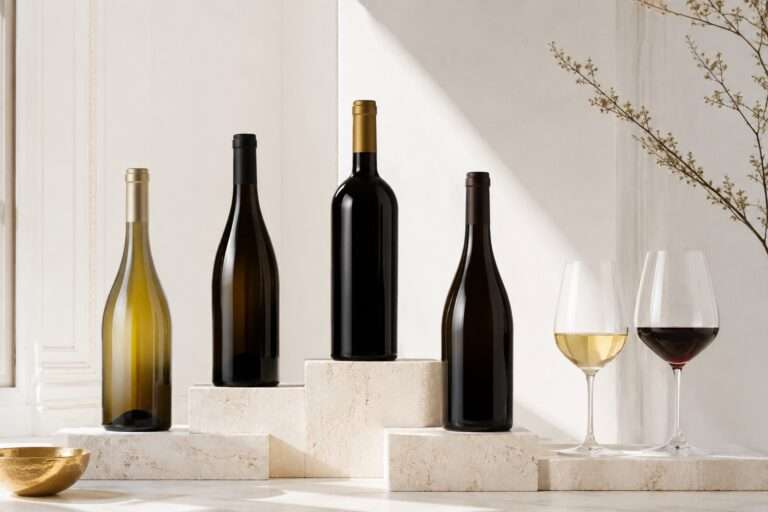
To fly with wine in the US, pack it in checked luggage, since carry-on liquids are limited to 3.4 ounces unless bought duty-free after security. Wrap each bottle in a padded wine sleeve or a plastic bag and clothing, and place it in the center of a hard-sided suitcase. Keep wine out of hot cars, and check airline and customs limits before you go.
Start Learning →To write wine tasting notes, record four things in order. Appearance: color and depth. Nose: the main aromas, such as lemon, cherry, or vanilla. Palate: sweetness, acidity, tannin, body, flavors, and finish length. Conclusion: whether you liked it, what food it would suit, and a simple score. Add the wine name, vintage, price, and date.
Start Learning →First, re-cork leftover wine and refrigerate it; most still wines stay drinkable for three to five days. When it starts to fade, use it for cooking: deglaze pan sauces, braise meats, or add it to risotto. You can also freeze wine in ice cube trays, mix sangria or mulled wine, poach pears, or make a marinade. Discard wine that tastes like vinegar or is corked.
Start Learning →Wine breathes when it mixes with air, which softens harsh tannins, releases aromas, and lets off odd smells from the bottle. Young, full-bodied reds like Cabernet Sauvignon, Syrah, and Nebbiolo benefit most from 30 to 60 minutes in a decanter or glass. Simply pulling the cork does little. Most whites, light reds, and sparkling wines need no breathing time.
Start Learning →The standard wine bottle holds 750 ml, about five 5-ounce glasses. Smaller sizes include the 187 ml split and the 375 ml half bottle. Larger sizes include the 1.5-liter magnum (two bottles), the 3-liter double magnum or Jeroboam (four bottles), the 6-liter Methuselah or Imperial (eight bottles), and the 15-liter Nebuchadnezzar (twenty bottles).
Start Learning →Wine legs are the droplets that form and run down the inside of a glass after you swirl. They are caused by alcohol evaporating faster than water, which creates surface tension that pulls wine upward. More legs, or slower legs, usually mean higher alcohol or more sugar. Legs do not indicate quality, so trust your nose and palate instead.
Start Learning →
Good winery tasting etiquette means booking ahead, arriving on time, and skipping strong perfume so everyone can smell the wine. Taste in the order poured, and feel free to spit or dump any wine you do not want. Ask questions, pay the tasting fee without fuss, buy only if you want to, and always plan a designated driver or a tour.
Start Learning →Learn Your Taste
Answer a few simple questions and discover styles that fit your palate.
Take the Wine QuizStart with five things: wine is fermented grape juice, it comes in a few main styles, structure is described by sweetness, acidity, tannin, and body, proper temperature matters, and labels name either a grape or a place.
Fruity, easy styles work best. Try a lightly sweet Riesling, a Moscato d'Asti, a dry rosé, or a soft red like Merlot or Pinot Noir. They are low in bitterness and show clear fruit flavors.
The five core traits are sweetness, acidity, tannin, alcohol, and body. Together they make up a wine's structure, which you feel in your mouth, separate from its aromas and fruit flavors.
Usually about $12 to $20. That range buys well-made bottles from value regions like Spain, Portugal, Chile, and southern France. Very cheap wines can taste flat or overly sweet, while pricier bottles offer nuances beginners may not notice yet. Spend a little more on sparkling wine.
Taste often, in small amounts, with food. Start with fruit-forward styles, compare two wines at once, and note which you prefer. Preferences develop quickly once you notice sweetness, acidity, and tannin.
No. A clean, thin glass with a bowl that narrows toward the rim is enough. One all-purpose wine glass handles red, white, and sparkling well for everyday drinking.