
Read the Place Name
European labels name the region, not the grape. Learn a few: Chablis is Chardonnay, Sancerre is Sauvignon Blanc.

Understand Wine. Enjoy Every Glass.
Wine Regions
Every bottle comes from somewhere, and that place shapes how it tastes. Here is a friendly map of the world's great wine regions, what each one makes best, and where to start.
Start Learning
A grape tastes different depending on where it grows. Climate is the biggest factor. Cool places such as Champagne, the Loire Valley, and the Mosel ripen grapes slowly, so the wines stay crisp, lighter, and lower in alcohol. Warm places such as Napa Valley, Barossa, and Mendoza ripen grapes fully, giving rounder, riper, more powerful wines. Soil, altitude, rainfall, and nearby oceans or rivers fine-tune the result. That is why European wineries usually label bottles by place rather than grape: “Sancerre” tells you it is Sauvignon Blanc from a cool corner of France. Learning a handful of these places turns confusing labels into useful clues. Our guide to Old World vs New World wine explains the style split, and how to read a wine label shows where the region appears on the bottle.
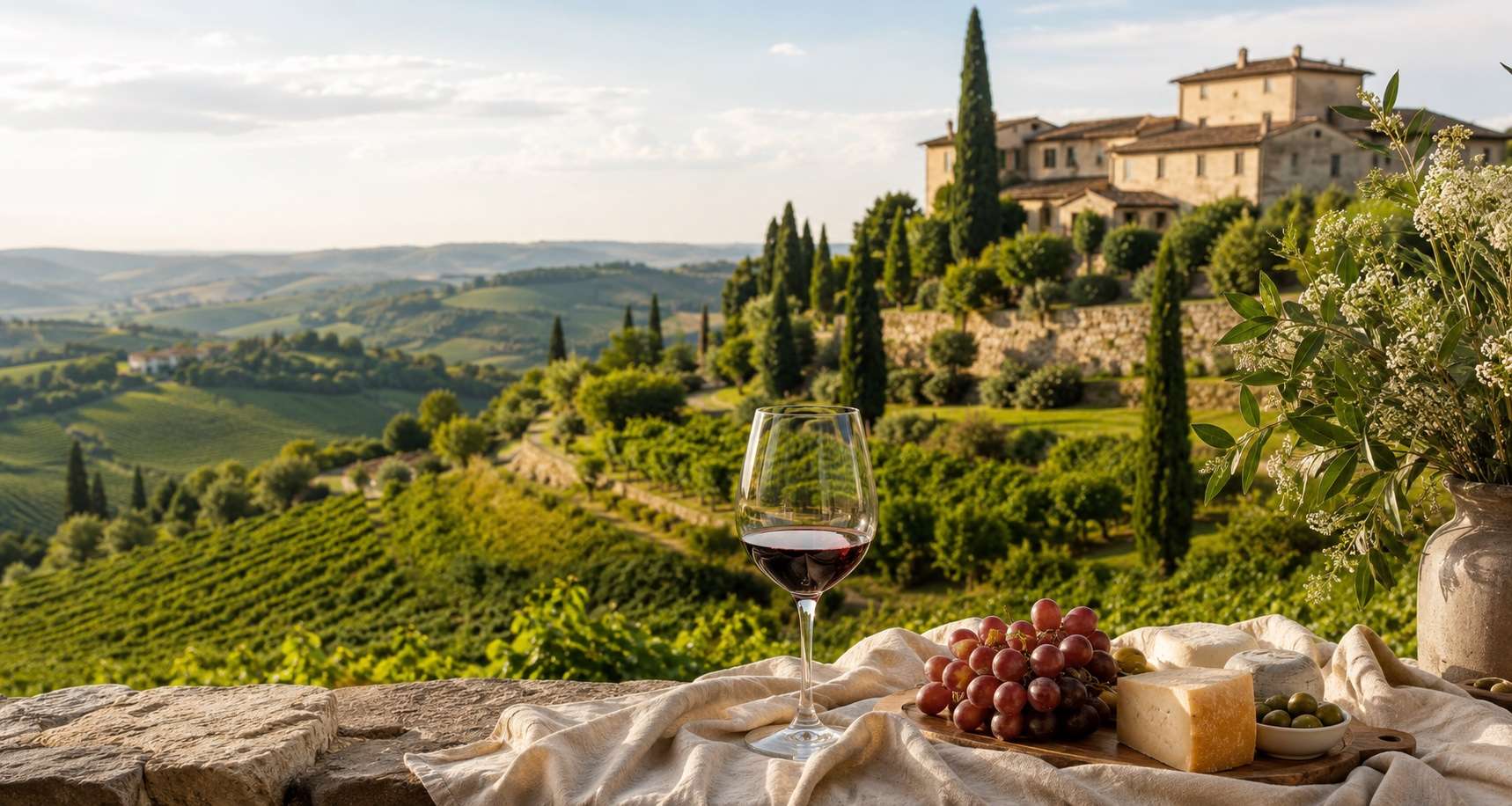
France is the reference point for most of the world’s famous grapes. Bordeaux blends Cabernet Sauvignon and Merlot into structured reds built to age. Burgundy is the home of Pinot Noir and Chardonnay, with Chablis at its cool northern tip and Beaujolais making juicy Gamay to the south. Champagne invented the benchmark for sparkling wine. The Rhône Valley offers peppery Syrah in the north and Grenache blends in the south, while the Loire Valley is a treasure chest of crisp Sauvignon Blanc and Chenin Blanc. Add Alsace for aromatic whites and Provence for pale, dry rosé.
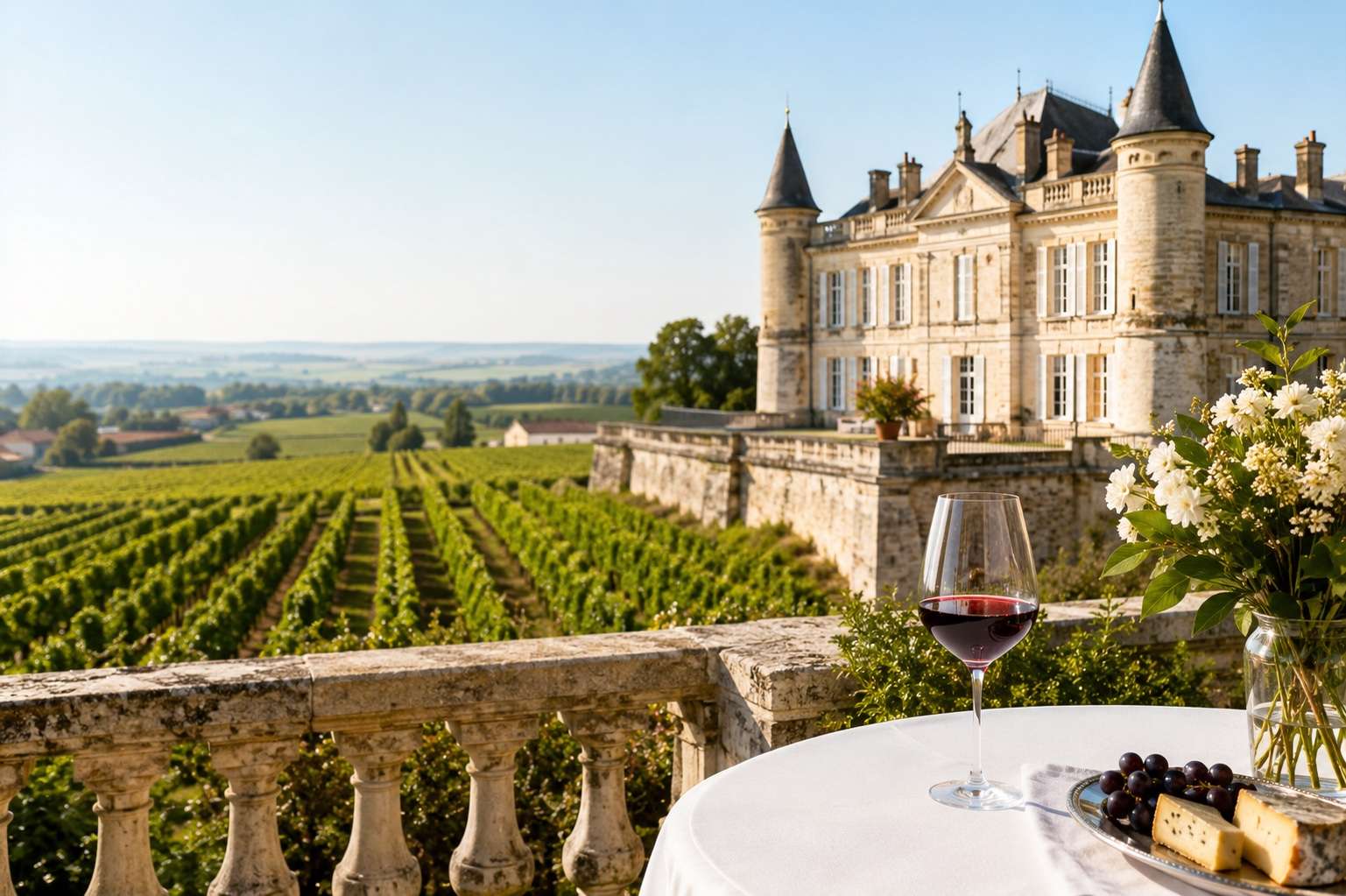
Italy grows hundreds of native grapes. Tuscany is Sangiovese country, from everyday Chianti to age-worthy Brunello di Montalcino. Piedmont makes Barolo and Barbaresco from Nebbiolo, plus friendly Barbera and Dolcetto. The Veneto gives us Prosecco, Soave, and Amarone, and Sicily is known for Nero d’Avola and volcanic Etna wines. In Spain, Rioja is famous for oak-aged Tempranillo labeled by age, while Ribera del Duero makes a darker, bolder take on the same grape. Priorat produces intense Garnacha blends from steep slate slopes. Portugal’s Douro Valley is the home of Port, and Vinho Verde makes light, zesty whites for summer.
California leads American wine. Napa Valley is famous for rich Cabernet Sauvignon, and neighboring Sonoma covers everything from Zinfandel to cool-climate Pinot Noir in the Russian River Valley. Farther south, Paso Robles excels at Rhône-style blends and Zinfandel, while Santa Barbara shines with Pinot Noir and Chardonnay. Oregon’s Willamette Valley is one of the best places outside Burgundy for Pinot Noir. Washington’s Walla Walla Valley and Columbia Valley make polished Cabernet, Merlot, and Syrah. In the East, New York’s Finger Lakes is known for Riesling, and Texas Hill Country is betting on heat-loving Spanish and Rhône grapes. On the East Coast, New Jersey is a growing wine region with coastal vineyards and a lively tasting-room scene. In Southern California, Temecula Valley is an easy day trip from San Diego and Los Angeles.
South of the equator, harvest happens in March and April, and several regions have become world benchmarks. Mendoza grows plush, violet-scented Malbec in high, sunny vineyards at the foot of the Andes. Marlborough made zingy, passion-fruit Sauvignon Blanc famous, and Central Otago grows vivid Pinot Noir. Australia offers bold Shiraz from the Barossa Valley, elegant Cabernet and Chardonnay from Margaret River, and long-lived Semillon from the Hunter Valley. Chile’s Maipo Valley is a source of well-priced Cabernet, and South Africa’s Stellenbosch makes Cabernet blends, Pinotage, and Chenin Blanc. These regions often deliver excellent quality for the price.
The fastest way to learn is to taste the same grape from two places. Pour a Marlborough Sauvignon Blanc next to a Sancerre from the Loire and you will taste tropical fruit against flint and citrus; our Sancerre vs Sauvignon Blanc comparison explains why. Try a Napa Cabernet beside a red Bordeaux, or an Oregon Pinot Noir beside a red Burgundy, and read Burgundy vs Bordeaux to see how the two French classics differ. When you want to branch out, explore the Mosel for Riesling, Santorini for salty Assyrtiko, Tokaj for legendary sweet wine, or Kakheti in Georgia, one of the oldest winemaking places on earth. Value-minded drinkers should look to the Languedoc, Mendoza, and Chile first.
| Wine Region | Signature Wine | What to Expect |
|---|---|---|
| Bordeaux, France | Cabernet Sauvignon and Merlot blends | Blackcurrant, cedar, firm tannins, built to age |
| Burgundy, France | Pinot Noir and Chardonnay | Silky red cherry and earth; elegant, mineral whites |
| Tuscany, Italy | Chianti Classico (Sangiovese) | Sour cherry, dried herbs, bright acidity |
| Rioja, Spain | Tempranillo, Crianza or Reserva | Red fruit, vanilla, and leather from oak aging |
| Napa Valley, California | Cabernet Sauvignon | Ripe black fruit, plush texture, toasty oak |
| Mendoza, Argentina | Malbec | Plum, blackberry, violet, smooth tannins |
| Marlborough, New Zealand | Sauvignon Blanc | Passion fruit, lime, fresh-cut grass, zesty acidity |
European labels name the region, not the grape. Learn a few: Chablis is Chardonnay, Sancerre is Sauvignon Blanc.
Open one grape from a cool region and a warm region together to taste climate in action.
Mendoza, Chile, the Languedoc, and Portugal often deliver more flavor per dollar than famous names.
Choose Your Path
Choose the question that interests you and follow the connections to your next useful lesson.
The Bordeaux wine region is famous for red blends of Cabernet Sauvignon and Merlot, with Cabernet Franc and Petit Verdot in supporting roles. Left Bank reds from the Médoc lean on Cabernet for structure and blackcurrant; Right Bank reds from Saint-Émilion and Pomerol lean on Merlot for plush plum. Bordeaux also makes crisp dry whites and sweet Sauternes.
Start Learning →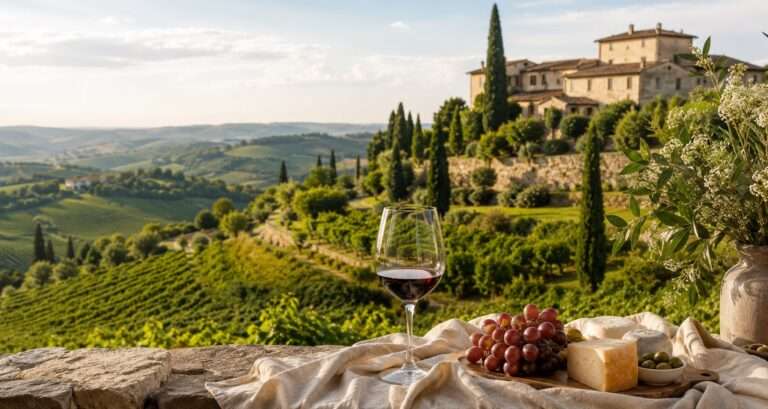
The Burgundy wine region is famous for Pinot Noir and Chardonnay. Red Burgundy is light to medium-bodied, with red cherry, raspberry, earth, and mushroom notes. White Burgundy ranges from crisp, flinty Chablis to rich, nutty Meursault. Wines are labeled by place, from regional Bourgogne up to village, Premier Cru, and Grand Cru vineyards.
Start Learning →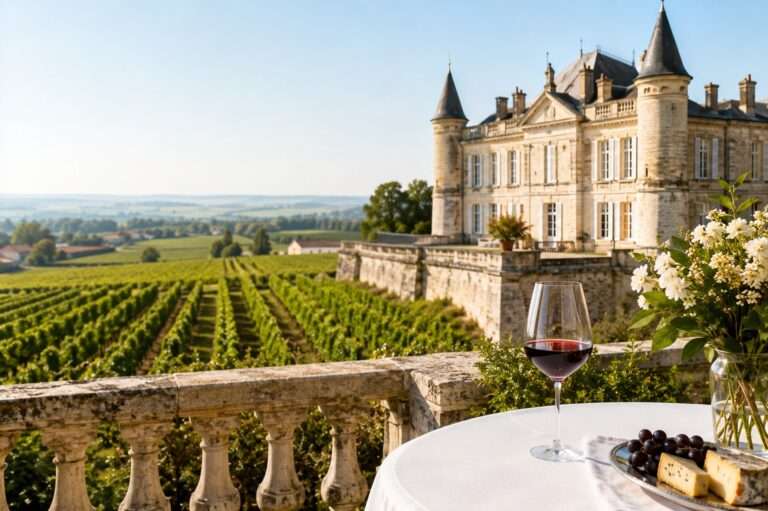
Only sparkling wine from the Champagne region of northeast France can legally be called Champagne. French appellation law and EU and international agreements protect the name. The wine must use approved grapes, mainly Chardonnay, Pinot Noir, and Meunier, grown in the region and made by the traditional method, with its second fermentation in the bottle and extended aging on the lees.
Start Learning →Marlborough Sauvignon Blanc is famous because the region's long, sunny days and cold nights let grapes ripen slowly while keeping sharp acidity. That combination creates intense passion fruit, grapefruit, and lime flavors alongside green notes of cut grass and bell pepper. Winemakers usually ferment in cool stainless steel without oak, preserving that bright, zesty, instantly recognizable style.
Start Learning →
Mendoza Malbec is famous because the region's high-altitude desert vineyards are ideal for the grape. Intense Andes sunshine ripens Malbec fully, giving plum, blackberry, and violet flavors, while very cool nights keep acidity fresh. Dry air means few vine diseases, and snowmelt irrigation lets growers control water. The result is deeply colored, smooth, juicy red wine at a friendly price.
Start Learning →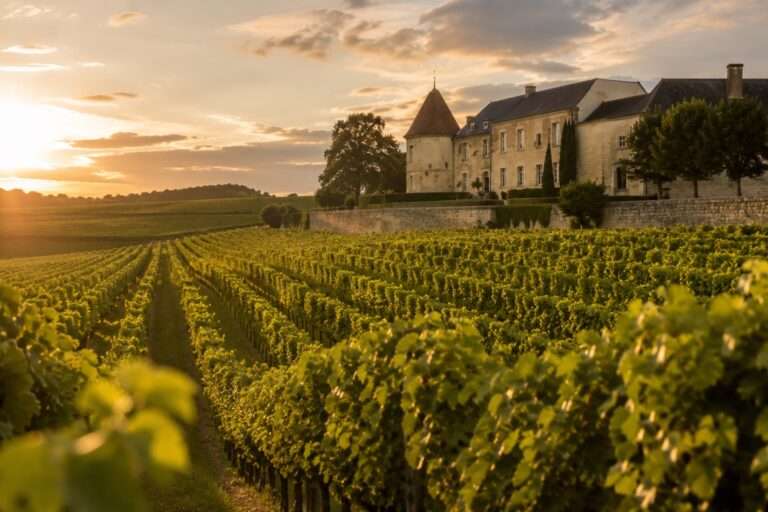
Napa Valley wine is best known for Cabernet Sauvignon: ripe, full-bodied reds with blackcurrant, black cherry, cocoa, and toasty oak. Warm, sunny days and cool foggy nights let grapes ripen fully while keeping freshness. Napa also makes rich Chardonnay, especially in cooler Carneros, plus Merlot, Sauvignon Blanc, and Bordeaux-style red blends.
Start Learning →Rioja wine is famous for Tempranillo-based reds with red cherry, strawberry, and dried fig flavors, plus vanilla, dill, and leather from oak aging. Labels tell you how long the wine aged: Crianza at least two years, Reserva at least three, and Gran Reserva at least five. Garnacha, Graciano, and Mazuelo often join the blend.
Start Learning →Sonoma valley wine is known for variety. The cool, foggy west makes elegant Pinot Noir and Chardonnay, especially in the Russian River Valley and Sonoma Coast. Warmer inland valleys grow juicy old-vine Zinfandel in Dry Creek Valley and ripe Cabernet Sauvignon in Alexander Valley. The Sonoma Valley AVA itself is known for Zinfandel, Cabernet, and Chardonnay.
Start Learning →
The Tuscany wine region is famous for Sangiovese, a red grape with tart cherry, dried herbs, earthy notes, and bright acidity. It stars in Chianti Classico, Brunello di Montalcino, and Vino Nobile di Montepulciano. Tuscany also makes Super Tuscans, bold reds that often blend in Cabernet Sauvignon or Merlot, plus sweet Vin Santo and coastal Vermentino.
Start Learning →Barossa Valley is famous for Shiraz: rich, full-bodied reds with ripe blackberry, plum, dark chocolate, licorice, and sweet spice. A warm, dry climate ripens grapes fully, and some vines are over a century old, giving deep concentration. The region also makes excellent Grenache and GSM blends, while neighboring Eden Valley is known for crisp, lime-scented Riesling.
Start Learning →Beaujolais wine is known for light, fruity reds made from the Gamay grape just north of Lyon in France. Expect red cherry, raspberry, and violet with soft tannins and fresh acidity. It comes in three tiers: fun, young Beaujolais Nouveau and basic Beaujolais; Beaujolais-Villages; and ten named crus such as Morgon and Fleurie. Serve it lightly chilled.
Start Learning →Chablis wine is dry white Burgundy made entirely from Chardonnay in a cool corner of northern France. It is usually unoaked or lightly oaked, with green apple, lemon, white flowers, and a salty, chalky minerality. There are four levels: Petit Chablis, Chablis, Premier Cru, and Grand Cru. Its high acidity makes it a classic partner for oysters.
Start Learning →The Chianti wine region in central Tuscany, between Florence and Siena, is known for dry, medium-bodied red wine made mostly from Sangiovese. Expect sour cherry, red plum, dried herbs, and earthy notes, with lively acidity that loves tomato sauce. Chianti Classico, marked by a black rooster on the neck, is the historic heart; Riserva and Gran Selezione are aged longer.
Start Learning →Douro Valley wine is best known for Port, a sweet fortified red made by adding grape spirit during fermentation, in styles from fruity Ruby to nutty Tawny. The same native grapes, led by Touriga Nacional, Touriga Franca, and Tinta Roriz (Tempranillo), also make bold, dry Douro reds with dark fruit, violets, and firm tannins. Both grow on dramatic schist terraces.
Start Learning →Finger Lakes wine is best known for Riesling, from bone-dry to lusciously sweet, with lime, green apple, peach, and a racy, mineral acidity. Deep glacial lakes moderate the cold climate, protecting vines in winter and extending the fall. The region also makes crunchy, peppery Cabernet Franc, Gewürztraminer, Grüner Veltliner, sparkling wine, and ice wine.
Start Learning →Loire Valley wine is known for crisp, refreshing whites and lighter reds. Sancerre and Pouilly-Fumé make zesty, mineral Sauvignon Blanc; Vouvray and Savennières make Chenin Blanc from bone-dry to sweet; Muscadet is a light, salty white for oysters; and Chinon and Saumur-Champigny make fragrant Cabernet Franc. The region also produces rosé and sparkling Crémant de Loire.
Start Learning →The Mosel in western Germany is known for Riesling grown on breathtakingly steep slate slopes above a winding river. Mosel Riesling is light-bodied and low in alcohol, with racy acidity and flavors of green apple, lime, peach, and wet stone. It ranges from bone-dry Trocken to lightly sweet Kabinett and lusciously sweet Auslese, and it ages beautifully.
Start Learning →Yes. New Jersey wineries make good wine, especially Cabernet Franc, Merlot-based blends, Chambourcin, Chardonnay, and crisp Albariño. Sandy soils and ocean breezes in the south suit Bordeaux grapes and coastal whites, while the cooler northwest hills favor Riesling and Grüner Veltliner. Quality has risen sharply, though it varies by producer, so taste widely.
Start Learning →Paso Robles wine is known for bold, ripe reds. Cabernet Sauvignon is the most planted grape, Zinfandel has deep local roots, and Rhône varieties like Syrah, Grenache, and Mourvèdre shine in creative blends. Hot days and very cool nights give rich fruit with surprising freshness, especially from the hilly, limestone-rich west side of the region.
Start Learning →Piedmont wine is best known for Barolo and Barbaresco, powerful, long-lived reds made from Nebbiolo with aromas of cherry, roses, tar, and dried herbs. The region also makes juicy, affordable Barbera and Dolcetto for weeknight meals, lightly sparkling sweet Moscato d'Asti, and crisp white Gavi. Start with Langhe Nebbiolo or Barbera d'Asti before splurging on Barolo.
Start Learning →Provence is famous for rosé because its hot, dry Mediterranean climate, cooling Mistral wind, and grapes like Grenache, Cinsault, and Mourvèdre ripen easily while keeping fresh acidity. Winemakers press the grapes gently with little skin contact, giving the pale, bone-dry, citrus-and-strawberry style the region made famous. Most of its wine is rosé, meant to be drunk young and chilled.
Start Learning →The Rhône Valley is known for two styles. The cooler, steep north makes savory, peppery Syrah in Côte-Rôtie, Hermitage, and Crozes-Hermitage, plus floral Viognier in Condrieu. The warm, sunny south makes ripe Grenache-based blends with Syrah and Mourvèdre, including Châteauneuf-du-Pape, Gigondas, and great-value Côtes du Rhône, plus dry Tavel rosé.
Start Learning →Santa Barbara wine is best known for cool-climate Pinot Noir and Chardonnay, especially from the Sta. Rita Hills and Santa Maria Valley, where ocean fog and wind keep grapes fresh. Warmer inland areas excel with Syrah and Grenache, notably in Ballard Canyon, while Happy Canyon makes Bordeaux-style reds and Sauvignon Blanc. The result is bright, vibrant wine with real variety.
Start Learning →Texas Hill Country wine is known for grapes that love heat, many from Spain, Portugal, southern France, and southern Italy. Look for Tempranillo, Mourvèdre, Tannat, and Rhône-style red blends, plus Viognier, Roussanne, and Vermentino among whites. Many Hill Country wineries also use grapes from the cooler Texas High Plains, so check the label for where the fruit grew.
Start Learning →The Veneto wine region in northeast Italy is best known for Prosecco, a fresh sparkling wine made from Glera; Valpolicella and Amarone, cherry-scented reds made mainly from Corvina, with Amarone made from dried grapes; and Soave, a crisp white from Garganega. It also produces huge amounts of Pinot Grigio. Prosecco and Valpolicella Classico are easy, affordable places to start.
Start Learning →Walla Walla wine is best known for bold, balanced reds: Cabernet Sauvignon, Merlot, and Syrah, plus Bordeaux-style blends. Hot, dry summer days ripen grapes fully, while cool nights and fresh acidity keep the wines polished rather than heavy. Syrah from the cobblestone soils of The Rocks District is famous for savory notes of olive, smoked meat, and earth.
Start Learning →Willamette Valley wine is best known for Pinot Noir: silky, medium-bodied reds with red cherry, raspberry, cranberry, and earthy, forest-floor notes balanced by bright acidity. The cool, marine climate and long growing season suit this delicate grape perfectly. The valley also makes crisp Pinot Gris, elegant Chardonnay, Riesling, and traditional-method sparkling wine.
Start Learning →Alsace wine is best known for aromatic whites labeled by grape: steely Riesling, exotic lychee-scented Gewurztraminer, rich and smoky Pinot Gris, and floral Muscat. Most are dry or off-dry, fuller than German versions of the same grapes. The region also makes Crémant d'Alsace sparkling wine, light Pinot Noir, and luscious late-harvest dessert wines. Start with a Riesling or Pinot Blanc.
Start Learning →Anderson Valley wine is best known for elegant, cool-climate Pinot Noir with bright red cherry, cranberry, and earthy spice. The valley in California's Mendocino County is also famous for traditional-method sparkling wine and for Alsace-style whites such as Gewürztraminer, Riesling, and Pinot Gris. Pacific fog and cool air flowing in along the Navarro River keep the wines fresh.
Start Learning →Casablanca Valley wine is best known for crisp Sauvignon Blanc with citrus, passion fruit, and fresh herbs, and for bright Chardonnay. The region lies close to Chile's Pacific coast, where cold ocean currents, morning fog, and breezes keep temperatures cool. That makes it ideal for whites, Pinot Noir, and peppery cool-climate Syrah, a contrast to Chile's warm inland red-wine valleys.
Start Learning →Central Otago Pinot Noir is vivid and fruit-forward, with dark cherry, plum, and raspberry flavors, notes of wild thyme and spice, silky tannins, and bright acidity. It grows in New Zealand's mountainous, southernmost wine region, where hot days, cold nights, and dry air concentrate flavor. Pinot Noir covers most vineyards, alongside Pinot Gris, Riesling, and Chardonnay.
Start Learning →Columbia Valley wine is best known for Cabernet Sauvignon, Merlot, and Syrah with ripe dark fruit and fresh acidity, plus crisp Riesling and Chardonnay. This huge AVA in eastern Washington gets very little rain, long summer days, and cold nights, so grapes ripen fully while staying balanced. Key sub-regions include Yakima Valley, Red Mountain, Horse Heaven Hills, and Walla Walla Valley.
Start Learning →Dundee Hills wine is best known for elegant Pinot Noir with red cherry, raspberry, and strawberry fruit, earthy and floral notes, silky tannins, and bright acidity. The area sits within Oregon's Willamette Valley on rolling hills of red volcanic Jory soil. It also makes fine Chardonnay and Pinot Gris. Many of Oregon's first Pinot Noir vines were planted here.
Start Learning →Hunter Valley wine is best known for Semillon: a light, low-alcohol, unoaked white that tastes of lemon and grass when young and turns toasty and honeyed after years in bottle. The region north of Sydney also makes medium-bodied, earthy Shiraz that ages well, plus Chardonnay and Verdelho. Its warm, humid climate gives wines unlike those from other Australian regions.
Start Learning →Jura wine is famous for vin jaune, a dry, nutty white made from Savagnin and aged for years under a film of yeast. The region in eastern France also makes Chardonnay and Savagnin whites in fresh or oxidative styles, light and pale reds from Poulsard and Trousseau, Pinot Noir, Crémant du Jura, and sweet vin de paille from dried grapes.
Start Learning →Kakheti, the most important Georgian wine region, is known for amber wines made from white grapes such as Rkatsiteli fermented on their skins in clay qvevri, and for deep, dark Saperavi reds. It also makes fresh European-style whites like Tsinandali and semi-sweet reds such as Kindzmarauli. Most of Georgia's vineyards lie in Kakheti, in the country's east.
Start Learning →Languedoc wine is best known for warm, generous red blends of Grenache, Syrah, Mourvèdre, and Carignan, with dark fruit and wild herb notes. The region in southern France also makes zesty Picpoul de Pinet, dry rosé, sparkling wine from Limoux, and sweet Muscat. Many bottles offer excellent quality for the price, often well under $25.
Start Learning →Lodi wine is best known for old-vine Zinfandel: ripe, juicy reds with blackberry, raspberry jam, black pepper, and sweet spice, often from vines more than 100 years old. Lodi also makes bold Cabernet Sauvignon, Petite Sirah, Chardonnay, rare old-vine Cinsault, and many Spanish, Portuguese, and Italian grapes. Prices are usually friendlier than in Napa or Sonoma.
Start Learning →Long Island is best known for Merlot, along with Cabernet Franc and Bordeaux-style red blends that are medium-bodied, fresh, and savory. Its ocean-cooled climate also makes crisp Chardonnay, zesty Sauvignon Blanc, dry rosé, and sparkling wine. Most wineries sit on the North Fork, with a smaller cluster in the Hamptons on the South Fork.
Start Learning →The Maipo Valley is best known for Cabernet Sauvignon: ripe blackcurrant and cherry, firm but smooth tannins, and a signature hint of mint or eucalyptus. Among Chilean wine regions it is the historic home of fine red wine. Warm, dry days and cold air flowing down from the Andes at night keep the wines fresh. Carmenère, Merlot, and Syrah are also strong here.
Start Learning →Margaret River wine is best known for elegant Cabernet Sauvignon and Bordeaux-style blends, with blackcurrant, bay leaf, and fine tannins, and for rich yet fresh Chardonnay. The region in Western Australia also makes crisp Semillon-Sauvignon Blanc blends. Ocean breezes from two sides give a mild, maritime climate that keeps the wines balanced rather than heavy.
Start Learning →Okanagan Valley wine is known for fresh, fruit-driven styles from a wide range of grapes. The cooler north excels at Pinot Gris, Riesling, Chardonnay, and Pinot Noir, while the hot, dry south makes Merlot, Cabernet Franc, Syrah, and Bordeaux-style blends. Long summer days, cool nights, and deep lakes give the wines ripe fruit with bright acidity.
Start Learning →Priorat wine is known for powerful, concentrated reds made mainly from Garnacha (Grenache) and Cariñena (Carignan), often with Syrah or Cabernet Sauvignon. Old vines on steep slopes of llicorella, a crumbly slate soil, give tiny yields and wines with black cherry, plum, licorice, herbs, and a striking mineral edge. Priorat is one of only two Spanish regions with the top DOQ/DOCa rank.
Start Learning →Rheingau wine is best known for Riesling, which covers most of the region's vineyards. Its south-facing slopes above the Rhine give riper, fuller Rieslings than the Mosel, with peach, citrus, and a firm mineral backbone. Styles range from bone-dry trocken to lusciously sweet Auslese and beyond. The village of Assmannshausen is also famous for red Spätburgunder, Germany's name for Pinot Noir.
Start Learning →Ribera del Duero wine is known for bold, full-bodied red made almost entirely from Tempranillo, called Tinto Fino locally. High-altitude vineyards with hot days and very cold nights give deep color, blackberry and black plum fruit, firm tannins, and fresh acidity, often with vanilla and toast from oak. Labels such as Roble, Crianza, Reserva, and Gran Reserva show how long the wine aged.
Start Learning →Russian River Valley wine is best known for Pinot Noir and Chardonnay. The Pinot is silky and ripe, with black cherry, raspberry, cola, and baking spice; the Chardonnay is rich and creamy, with baked apple, pear, lemon curd, and toasty oak. Morning fog from the Pacific cools the vineyards, while warm afternoons ripen the fruit. Warmer pockets also grow old-vine Zinfandel.
Start Learning →Santorini wine is best known for Assyrtiko, a bone-dry white with piercing acidity, lemon and stone-fruit flavors, and a salty, mineral finish. Vines grow in volcanic ash and pumice, often woven into low baskets to shelter them from wind. The Greek island also makes richer, oak-aged Nykteri and Vinsanto, a sweet wine from sun-dried grapes.
Start Learning →Virginia is best known for Viognier, its official signature white grape, and Cabernet Franc, its most reliable red. Petit Manseng, a juicy white that resists humidity, Petit Verdot, Bordeaux-style blends, and the native Norton grape are also standouts. The Shenandoah Valley, between the Blue Ridge and Allegheny Mountains, is a cooler, drier corner known for crisp whites and elegant reds.
Start Learning →Sicily wine is best known for Nero d'Avola, a juicy, full-bodied red with plum and black cherry, and for elegant volcanic wines from Mount Etna made from Nerello Mascalese and Carricante. The island also makes crisp Grillo whites, light floral Frappato, the fortified wine Marsala, and sweet Passito di Pantelleria. Nero d'Avola and Grillo are easy, affordable places to start.
Start Learning →Sonoma Coast wine is best known for cool-climate Pinot Noir and Chardonnay with bright acidity, moderate alcohol, and savory, mineral character. Pinot shows cranberry, red cherry, forest floor, and spice; Chardonnay shows lemon, green apple, and sea-salt freshness. Peppery cool-climate Syrah is a specialty too. The broad Sonoma Coast AVA is huge, so labels saying West Sonoma Coast signal the true coastal style.
Start Learning →Stellenbosch wine is best known for Cabernet Sauvignon and Bordeaux-style red blends, which show ripe black fruit with fresh acidity and firm structure. The region also makes excellent Chenin Blanc, South Africa's most planted grape, and Pinotage, the country's own red grape. Its Mediterranean climate, granite slopes, and cooling breezes from False Bay give balanced, food-friendly wines.
Start Learning →Temecula wineries are known for warm-climate wines from Mediterranean grapes such as Syrah, Sangiovese, Tempranillo, Grenache, and Viognier, along with Cabernet Sauvignon and sparkling wine. The Temecula Valley in Southern California has hot, sunny days cooled by afternoon Pacific breezes and cool nights. It is also a popular day-trip destination with dozens of tasting rooms close together.
Start Learning →Tokaj wine is famous for Tokaji Aszú, a golden sweet wine made from grapes shriveled by noble rot, with flavors of apricot, orange marmalade, and honey balanced by vivid acidity. The region in northeast Hungary also makes ultra-rare Eszencia, Szamorodni, and increasingly excellent dry whites. Furmint is the main grape, supported by Hárslevelű and Yellow Muscat.
Start Learning →Vinho Verde is a wine region in Portugal's cool, rainy northwest, best known for light, crisp white wines with citrus and green-apple flavors, modest alcohol, and often a gentle spritz. The name means "green wine" in the sense of young, not green in color. Key grapes are Alvarinho, Loureiro, and Arinto, and the region also makes rosé and tart reds.
Start Learning →Wachau wine is known for dry Grüner Veltliner and Riesling grown on steep, stone-walled terraces above the Danube in Austria. Grüner gives peppery, citrus-and-green-apple whites; Riesling gives apricot, peach, and stony minerality. Many labels use three ripeness levels: light Steinfeder, medium Federspiel, and rich, powerful Smaragd. Almost all Wachau wine is dry.
Start Learning →Learn Your Taste
Answer a few simple questions and discover styles that fit your palate.
Take the Wine QuizBordeaux, Burgundy, and Champagne in France top most lists, followed by Tuscany and Piedmont in Italy, Rioja in Spain, the Douro in Portugal, and Napa Valley in California. Mendoza, Marlborough, and Barossa are the best-known regions in the Southern Hemisphere.
There is no single winner. France is the most influential because so many classic grapes and styles started there, but Italy and Spain have just as much history, and the United States, Australia, Argentina, and New Zealand make world-class wine too.
European wine laws tie each region to approved grapes and methods, so the place name implies the grape. A red Burgundy is Pinot Noir and a Chianti is mostly Sangiovese. New World wines usually name the grape because their rules are looser.
Cool climates produce wines with higher acidity, lighter body, and tart fruit flavors like lemon and cranberry. Warm climates produce riper, fuller wines with more alcohol and flavors like blackberry, plum, and fig. The same grape can taste very different in each.
An appellation is a legally defined wine area with rules about where grapes grow and sometimes which grapes and methods are allowed. Examples include AOC in France, DOC and DOCG in Italy, DOCa in Spain, and AVA in the United States.
Start with regions that name grapes clearly and offer good value, such as Mendoza for Malbec, Marlborough for Sauvignon Blanc, or Washington for Cabernet and Merlot. Then try Rioja Crianza and Côtes du Rhône for an easy, affordable first taste of Europe.