
Open Two Bottles at Once
Pour two wines at once; contrasts in body and acidity become obvious.

Understand Wine. Enjoy Every Glass.
Wine Comparisons
Choosing between two bottles is easier when you know what actually separates them. Every wine comparison here starts with the biggest difference, then covers taste, regions, food, and price.
Start Learning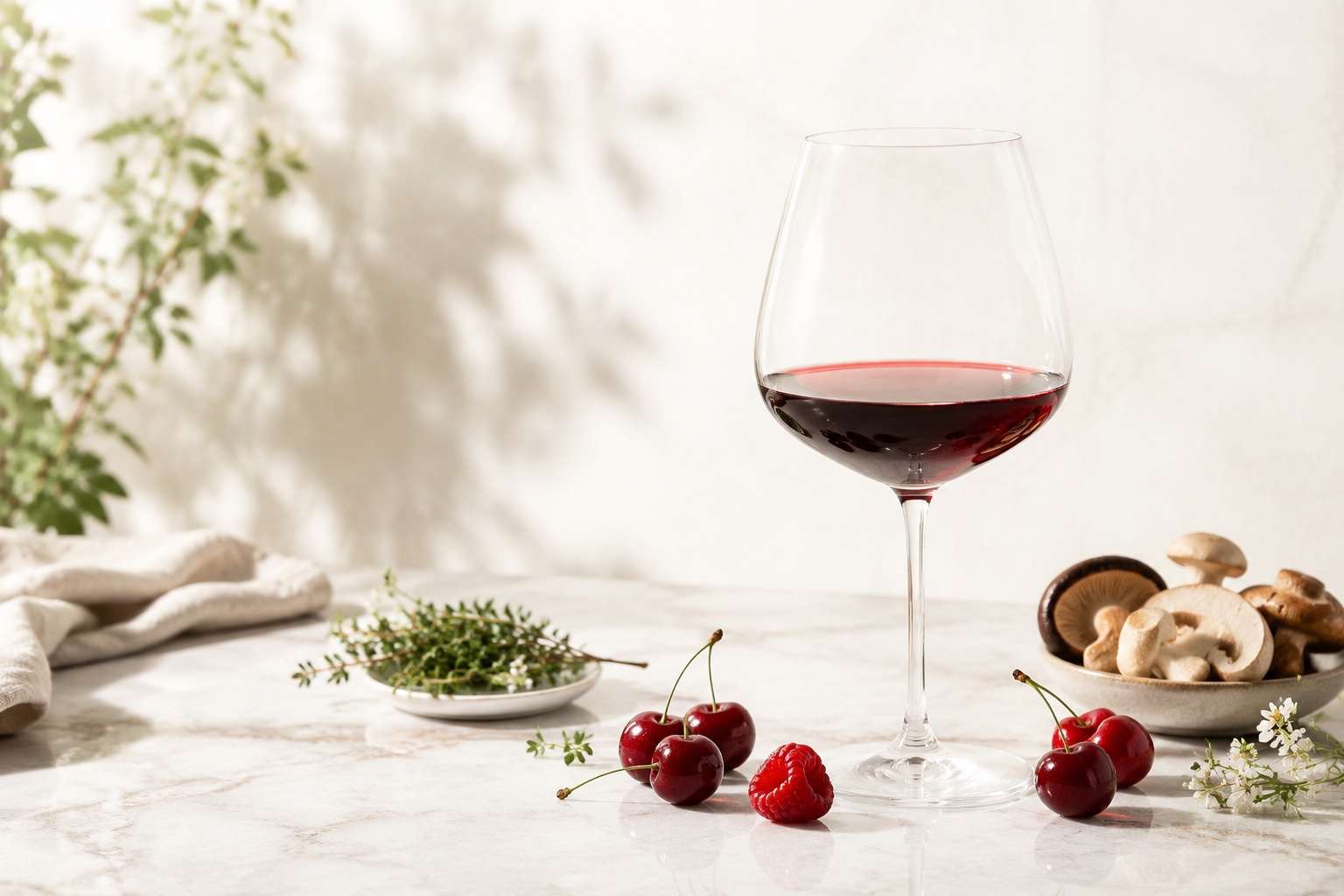
Tasting one wine on its own, it is hard to say whether it is light or full, tart or soft. Put two next to each other and the differences jump out. That is why every guide in this hub pairs two wines people often confuse or choose between, then explains the single biggest difference first. From there, each guide walks through flavor, body, tannin, acidity, and sweetness, then where each wine grows, what to eat with it, typical price, and which to pick for different occasions. You can read them in any order. To get the most from them, try a quick home tasting: pour two wines at the right temperature, sip one then the other, and notice which feels heavier, drier, or fruitier. Our how to taste wine guide shows you what to look for.
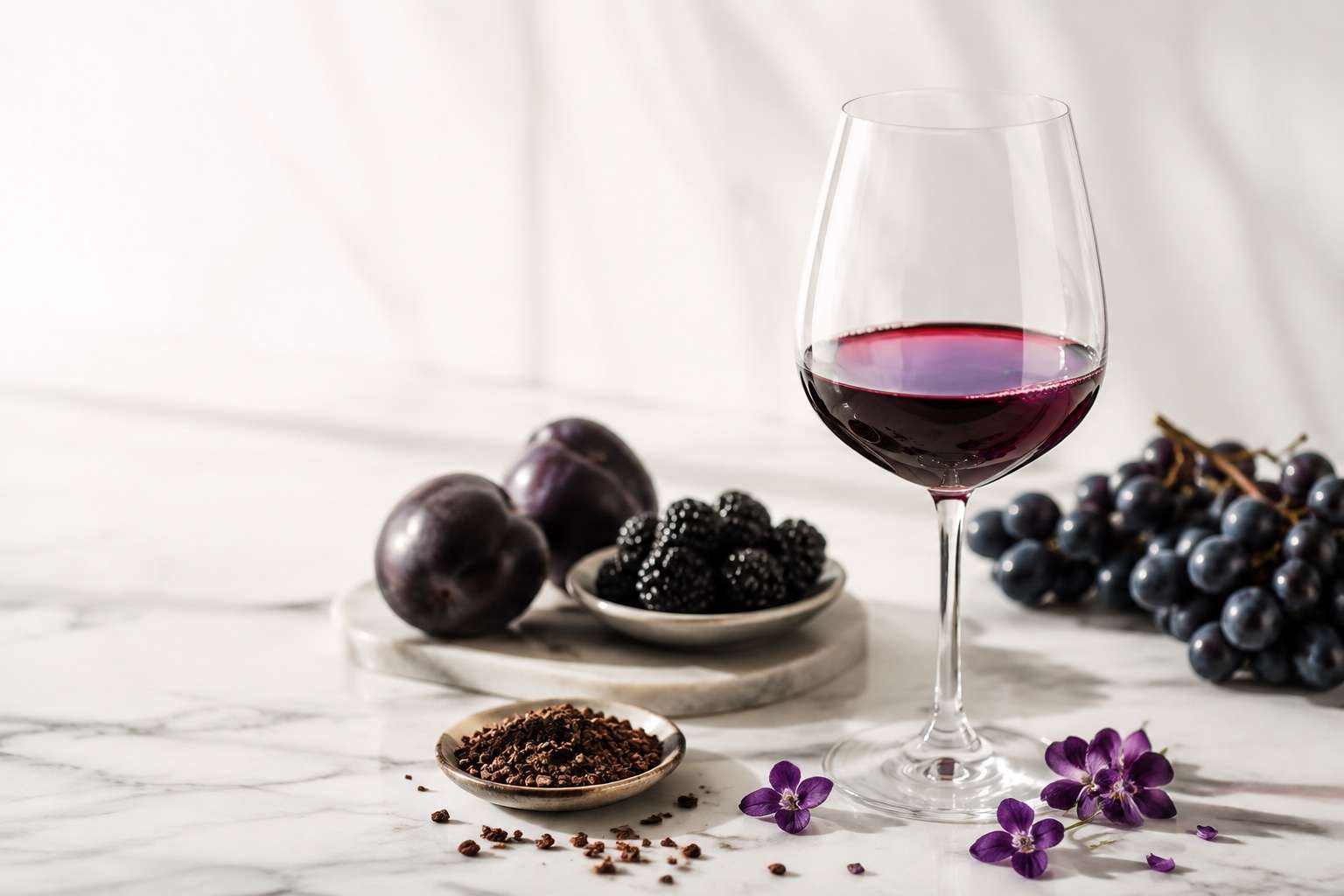
Red wines differ most in body and tannin. Cabernet Sauvignon vs Merlot is the classic starting point: firm and structured against round and plummy. Pinot Noir vs Cabernet Sauvignon shows the full range from light and silky to bold and grippy, while Pinot Noir vs Merlot compares two smooth reds of different weights. For bigger, darker wines, read Malbec vs Cabernet Sauvignon, Malbec vs Merlot, and Cabernet Sauvignon vs Zinfandel, which pits polished structure against jammy spice. Pinot Noir vs Syrah contrasts earthy red fruit with peppery dark fruit. Two pages solve naming puzzles: Syrah vs Shiraz and Zinfandel vs Primitivo, where each pair is one grape with two names.
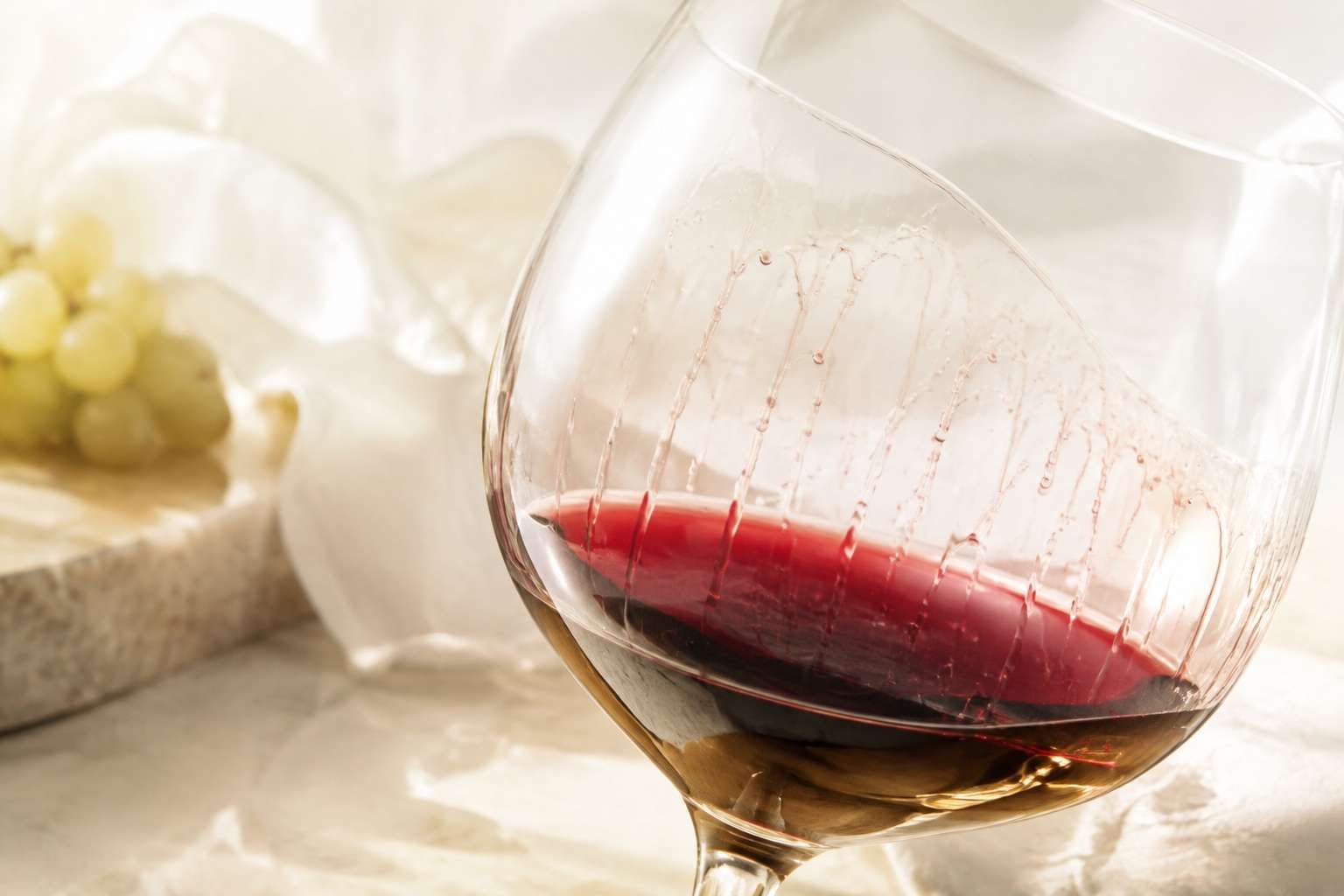
White wines differ most in body, aroma, and oak. Chardonnay vs Sauvignon Blanc is the essential first lesson: creamy and often oaked against zesty and herbal. Chardonnay vs Pinot Grigio shows how rich and light whites suit different dishes, and Sauvignon Blanc vs Pinot Grigio compares two crisp whites with very different personalities. Pinot Grigio vs Pinot Gris explains why one grape can taste so different under its Italian and French names. For aromatic and sweeter styles, read Riesling vs Moscato and Riesling vs Gewürztraminer. Other useful matchups include Viognier vs Chardonnay, Albariño vs Sauvignon Blanc, and French vs California Chardonnay.
Bubbles differ most in how they are made. Traditional-method wines ferment a second time in the bottle, gaining fine bubbles and toasty notes, while tank-method wines stay fresh and fruity. Start with Champagne vs sparkling wine to understand why only one French region can use that famous name. Champagne vs Prosecco compares toasty French bubbles with fruity Italian ones, and Cava vs Champagne shows how Spain uses the same method for far less money. Prosecco vs Cava helps you choose a party sparkler, while Prosecco vs Moscato and Lambrusco vs Prosecco cover sweeter and red bubbles. For a broader overview of styles, see our sparkling wine guide.
Some comparisons are about places and styles rather than single grapes. Burgundy vs Bordeaux explains France’s two most famous regions: single-grape Pinot Noir and Chardonnay against Cabernet and Merlot blends. Napa Valley vs Sonoma Valley helps you plan a California trip or shopping list, and Sancerre vs Sauvignon Blanc shows how a place name on the label can point to a grape. Fortified and sweet wines get their own matchups: Port vs Sherry, Port vs Madeira, Tawny Port vs Ruby Port, and Ice Wine vs Dessert Wine. Rounding things out, red blend vs single varietal and rosé vs White Zinfandel tackle common shopping questions.
Most choices come down to three questions. First, what are you eating? Rich, fatty food wants tannin or acidity, while delicate dishes need lighter wines; our wine pairings guides go deeper. Second, what do you already like? If you enjoy smooth, fruity reds, start with Merlot or Malbec; if you like tangy whites, start with Sauvignon Blanc. Third, what is your budget? Many comparisons point to a value alternative, such as Cava instead of Champagne or Chilean Cabernet instead of Napa. If you are brand new, our wine for beginners guide and red vs white wine explain the basics before you pick a side.
| If You Wonder... | Read This Comparison | The Biggest Difference |
|---|---|---|
| Which red is smoother? | Cabernet Sauvignon vs Merlot | Merlot has softer tannin and rounder fruit |
| Light red or bold red? | Pinot Noir vs Cabernet Sauvignon | Pinot is light and silky; Cabernet is full and tannic |
| Which white is crisper? | Chardonnay vs Sauvignon Blanc | Sauvignon Blanc has higher acidity and no oak |
| Are these the same grape? | Syrah vs Shiraz | Same grape; the name signals savory or ripe style |
| Is the expensive bubbly worth it? | Champagne vs Prosecco | Bottle fermentation gives Champagne toasty depth |
| Which French region fits me? | Burgundy vs Bordeaux | Burgundy is single-grape; Bordeaux is blended |
Pour two wines at once; contrasts in body and acidity become obvious.
Pick the wine that matches your dish's richness, then fine-tune by taste.
Cava for Champagne, Malbec for Cabernet: many comparisons reveal a cheaper lookalike.
Choose Your Path
Choose the question that interests you and follow the connections to your next useful lesson.
The biggest difference is tannin. Cabernet Sauvignon has thick skins, so it tastes firmer and more structured, with blackcurrant, cedar, and a drying grip. Merlot is rounder and softer, with plum, black cherry, and chocolate notes. Choose Cabernet for marbled steak or long cellaring; choose Merlot for smooth, easy drinking with roast chicken, pork, or pasta.
Start Learning →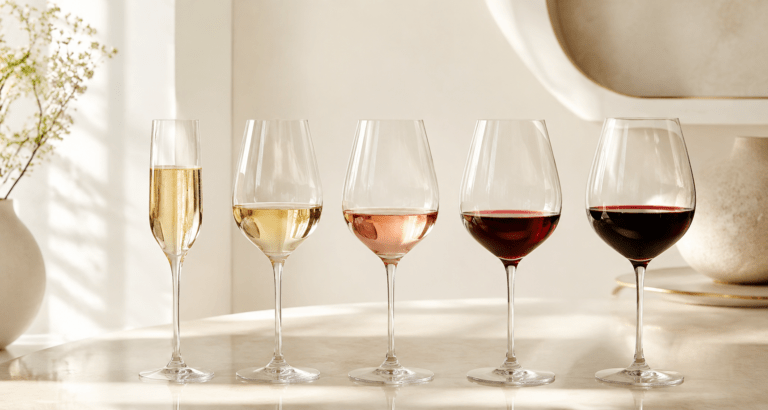
The biggest difference is how the bubbles are made. Champagne gets its second fermentation in each bottle and ages on the yeast, giving fine bubbles and toasty, brioche notes. Prosecco ferments in large tanks, so it stays fresh, fruity, and lightly floral, with green apple and pear. Champagne costs several times more; Prosecco is the easy-drinking, affordable choice.
Start Learning →
The biggest difference is place. Champagne is sparkling wine made only in the Champagne region of France, from Chardonnay, Pinot Noir, and Pinot Meunier, using the traditional bottle-fermented method. Sparkling wine is the umbrella term for any wine with bubbles, from Prosecco and Cava to Crémant and American bubbly, made many ways and usually at lower prices.
Start Learning →The biggest difference is texture and aroma. Chardonnay is fuller and rounder, and it is often aged in oak, giving butter, vanilla, and baked apple notes. Sauvignon Blanc is lighter, sharply acidic, and intensely aromatic, with grapefruit, lime, cut grass, and passion fruit. Choose Sauvignon Blanc for salads and goat cheese, and Chardonnay for lobster, roast chicken, and creamy sauces.
Start Learning →The biggest difference is single grapes versus blends. Burgundy reds are pure Pinot Noir and whites are pure Chardonnay, making lighter, earthy, elegant wines. Bordeaux reds are blends led by Cabernet Sauvignon and Merlot, making fuller, more tannic wines with blackcurrant and cedar. Bordeaux whites blend Sauvignon Blanc and Sémillon. Choose Burgundy for duck and salmon, Bordeaux for steak and lamb.
Start Learning →The biggest difference is structure versus fruit. Cabernet Sauvignon is firmly tannic and structured, with blackcurrant, cedar, and tobacco, and it ages well. Zinfandel is jammier and spicier, with raspberry, blackberry, black pepper, and often higher alcohol, but softer tannin. Choose Cabernet for steak and lamb; choose Zinfandel for barbecue ribs, pizza, and burgers.
Start Learning →The biggest difference is place and grapes, not method. Both get bubbles from a second fermentation in the bottle. Champagne comes from northern France, using Chardonnay, Pinot Noir, and Pinot Meunier, and ages longer on the lees for toasty, brioche notes. Cava comes mainly from Catalonia in Spain, using Macabeo, Xarel·lo, and Parellada, and tastes citrusy and earthy, often at a fraction of the price.
Start Learning →
The biggest difference is body. Chardonnay is medium to full-bodied and is often aged in oak, giving ripe apple, pineapple, butter, and vanilla. Pinot Grigio is light-bodied, crisp, and unoaked, with lemon, green apple, pear, and almond. Choose Chardonnay for lobster, roast chicken, and cream sauces; choose Pinot Grigio for light seafood, salads, and sipping on a warm day.
Start Learning →The biggest difference in French vs California Chardonnay is ripeness. Cooler Burgundy and Chablis give leaner wines with green apple, lemon, high acidity, and a chalky, mineral feel, usually with restrained oak. Sunny California ripens grapes further, giving tropical and yellow-apple fruit, fuller body, and often vanilla and butter from new oak and malolactic fermentation. French bottles name the place, not the grape.
Start Learning →The biggest difference is tannin. Malbec is plush and juicy, with ripe blackberry, plum, violet, and cocoa and softer, rounder tannins that make it easy to drink young. Cabernet Sauvignon is firmer and more structured, with blackcurrant, cedar, and tobacco, and it ages longer. Choose Malbec for casual grilled meats and value; choose Cabernet for marbled steaks and cellaring.
Start Learning →The biggest difference is intensity. Malbec is darker and bolder, with inky purple color, blackberry, plum, violet, and cocoa, plus a bit more tannin and freshness from Argentina's high vineyards. Merlot is softer and rounder, with red plum, black cherry, and chocolate. Pick Malbec for grilled steak and chimichurri; pick Merlot for roast chicken, pork, and pasta.
Start Learning →The biggest difference in Napa Valley vs Sonoma Valley is focus. Napa is built around rich, polished Cabernet Sauvignon and tends to be pricier and more upscale. Sonoma Valley, just west across the Mayacamas Mountains, is more relaxed and grows a wider mix, including Zinfandel, Cabernet, Chardonnay, and Pinot Noir from its cooler southern end, often at friendlier prices.
Start Learning →Pinot Grigio and Pinot Gris are the same grape. The difference is style. Pinot Grigio, the Italian name, usually means a light, crisp, dry white with lemon, green apple, and pear. Pinot Gris, the French name, usually signals a richer, rounder wine with ripe peach, honey, and spice, often from Alsace or Oregon, sometimes slightly off-dry.
Start Learning →The biggest difference is body. Pinot Noir is light to medium-bodied, with thin skins, low tannin, bright acidity, and red fruit like cherry and raspberry plus earthy notes. Cabernet Sauvignon is full-bodied and tannic, with blackcurrant, cedar, and tobacco. Choose Pinot Noir for salmon, duck, and mushrooms; choose Cabernet for steak, lamb, and rich, hearty dishes.
Start Learning →The biggest difference is body. Pinot Noir is lighter, paler, and more acidic, with cherry, raspberry, and earthy mushroom notes. Merlot is medium to full-bodied and rounder, with plum, black cherry, and chocolate. Both have soft tannins. Choose Pinot Noir for salmon, duck, and turkey; choose Merlot for pork chops, roast beef, burgers, and tomato-sauced pasta.
Start Learning →The biggest difference is weight and flavor. Pinot Noir is light to medium-bodied, pale, and silky, with cherry, raspberry, and earthy mushroom notes. Syrah is full-bodied and dark, with blackberry, blueberry, black pepper, olive, and smoked meat, plus firmer tannin. Choose Pinot Noir for salmon, chicken, and duck; choose Syrah for lamb, grilled meats, and hearty stews.
Start Learning →In the red blend vs single varietal question, the biggest difference is the recipe. A single varietal is made mostly from one grape, like Pinot Noir or Malbec, so it shows that grape's personality clearly. A red blend mixes two or more grapes, such as Cabernet, Merlot, and Cabernet Franc in Bordeaux, so the grapes fill each other's gaps for a rounder, layered taste.
Start Learning →The biggest difference is range. Riesling can be bone-dry, off-dry, or lusciously sweet, and it always has high, racy acidity with lime, green apple, and peach. Moscato is almost always sweet, often lightly sparkling and low in alcohol, with grape, orange blossom, and ripe peach. Choose Riesling for spicy food and dinners; choose Moscato for fruit desserts and brunch.
Start Learning →The biggest difference is aroma. Sauvignon Blanc is intensely aromatic and zesty, with grapefruit, lime, passion fruit, cut grass, and green pepper, plus sharp acidity. Pinot Grigio is subtle and easygoing, with lemon, green apple, pear, and almond and gentler acidity. Choose Sauvignon Blanc for goat cheese, herbs, and salads; choose Pinot Grigio for delicate seafood and easy sipping.
Start Learning →Syrah and Shiraz are the same grape. The name signals style. Syrah, used in France's Rhône Valley and many cooler regions, means a savory, medium-to-full red with black pepper, olive, and smoked meat. Shiraz, the Australian name, usually means a riper, bolder wine with jammy blackberry, chocolate, and sweet spice. Both pair beautifully with grilled meats.
Start Learning →The biggest difference in Albariño vs Sauvignon Blanc is green versus stone fruit. Sauvignon Blanc is herbaceous and zesty, with grapefruit, gooseberry, passion fruit, and cut grass or green pepper. Albariño, from Spain's Rías Baixas, swaps the grassy notes for ripe peach, apricot, and lemon, with a salty, sea-spray finish and a slightly rounder texture. Both are dry, high in acidity, and superb with seafood.
Start Learning →The biggest difference in Chenin Blanc vs Chardonnay is acidity and range. Chenin Blanc has naturally high acidity, with apple, quince, pear, and honey flavors, and is made in every style from dry to lusciously sweet to sparkling. Chardonnay is a more neutral grape with moderate acidity, usually made dry, and its flavor depends heavily on climate and oak, from crisp Chablis to buttery California.
Start Learning →The biggest difference in ice wine vs dessert wine is scope. Dessert wine is the broad family of sweet wines, made by late harvest, noble rot, drying grapes, or fortifying with spirit, as in Sauternes, Tokaji, and Port. Ice wine is one rare type, pressed from grapes frozen naturally on the vine, giving intense sweetness and vivid acidity, mostly in Canada and Germany.
Start Learning →The biggest difference in Lambrusco vs Prosecco is color. Lambrusco is a sparkling red wine from Emilia-Romagna, made from Lambrusco grapes, with tart cherry, raspberry, and violet flavors, light tannin, and styles from dry to sweet. Prosecco is a sparkling white from the Veneto, made from Glera, with green apple, pear, and floral notes. Lambrusco suits cured meats and pizza; Prosecco is the classic aperitif.
Start Learning →The biggest difference in Merlot vs Shiraz is intensity. Merlot is the softer, rounder wine, with plum, black cherry, and chocolate, smooth medium tannins, and a mellow finish. Shiraz, the Australian name for Syrah, is bolder and spicier, with blackberry, blueberry, black pepper, and smoky or meaty notes, plus fuller body, firmer tannins, and often higher alcohol. Merlot soothes; Shiraz packs a punch.
Start Learning →The biggest difference in Port vs Madeira is heat and oxygen. Port, from the Douro Valley, is usually a sweet, fruity red, with blackberry, plum, and chocolate. Madeira, from a Portuguese island in the Atlantic, is heated and oxidized on purpose, giving amber wine with caramel, toasted nuts, orange peel, and razor-sharp acidity. Madeira ranges from dry to sweet and lasts for months once opened.
Start Learning →The biggest difference in Port vs Sherry is sweetness and color. Port, from Portugal's Douro Valley, is usually a sweet red wine, fortified during fermentation so natural grape sugar remains. Sherry, from the Jerez area of southern Spain, is mostly made from white Palomino grapes and fortified after fermentation, so most styles, like Fino and Amontillado, are dry. Sweet Sherries are the exception.
Start Learning →The biggest difference in Prosecco vs Cava is how the bubbles get there. Prosecco, from northeast Italy's Glera grape, gets its fizz in tanks, so it tastes fresh and fruity: green apple, pear, and flowers, with soft, frothy bubbles. Cava, mostly from Catalonia in Spain, is made like Champagne, with a second fermentation in the bottle, giving drier citrus flavors, toasty notes, and finer bubbles.
Start Learning →The biggest difference in Prosecco vs Moscato is sweetness. Prosecco, made from the Glera grape in northeast Italy, is fully sparkling, dry to lightly off-dry, with green apple and pear. Moscato, made from Muscat grapes, is sweet and intensely aromatic, with peach, orange blossom, and fresh grape. Classic Moscato d'Asti is gently fizzy and very low in alcohol, around 5 to 6 percent.
Start Learning →The biggest difference in Riesling vs Gewürztraminer is acidity. Riesling has high, mouthwatering acidity with citrus, green apple, and peach, and ranges from bone-dry to very sweet. Gewürztraminer has low acidity and an oily, fuller body with intense lychee, rose petal, and ginger aromas. Riesling tastes crisp and refreshing; Gewürztraminer tastes rich, perfumed, and exotic, and often feels a little sweet.
Start Learning →The biggest difference in rosé vs White Zinfandel is sweetness. White Zinfandel is one specific type of rosé, made in California from the Zinfandel grape, and it is usually sweet, fruity, and low in alcohol. Rosé is the broad category of pink wine made from many red grapes, such as Grenache, Cinsault, and Pinot Noir, and most rosé today is dry and crisp.
Start Learning →In Sancerre vs Sauvignon Blanc, the key fact is that white Sancerre is 100% Sauvignon Blanc from one place: the Sancerre appellation in France's Loire Valley. The difference is style. Sancerre is lean, chalky, and flinty, with lemon, green apple, and subtle herbs. Sauvignon Blanc from New Zealand's Marlborough is louder, with passion fruit, grapefruit, and cut grass, and California versions are riper and rounder.
Start Learning →The biggest difference in Tawny Port vs Ruby Port is aging. Ruby Port ages briefly in large vats with little air, so it stays deep red and tastes of fresh blackberry, cherry, and plum. Tawny ages longer in small oak barrels, where slow oxidation turns it amber and adds caramel, nuts, and dried fig. Ruby is bold and fruity; Tawny is mellow and nutty.
Start Learning →The biggest difference in Viognier vs Chardonnay is aroma. Viognier is intensely perfumed, with apricot, peach, honeysuckle, and orange blossom, plus low acidity and an oily, full body. Chardonnay is more neutral, so its flavor comes from climate and winemaking: crisp green apple and citrus when unoaked, or vanilla, butter, and tropical fruit when oaked. Both are usually dry and full in texture.
Start Learning →Zinfandel vs Primitivo is really one grape with two homes. DNA testing showed they are genetically the same variety, which traces back to Croatia. The difference is style: California Zinfandel is usually riper and jammier, with blackberry, raspberry jam, black pepper, and high alcohol. Primitivo from Puglia in southern Italy tends to be earthier and softer, with plum, dried cherry, and herbal notes.
Start Learning →Learn Your Taste
Answer a few simple questions and discover styles that fit your palate.
Take the Wine QuizRed wine ferments with the dark grape skins, which give color, tannin, and red or black fruit flavors. White wine is usually pressed off the skins before fermentation, so it is lighter, tannin-free, and often crisper.
Merlot, Pinot Noir, and Argentine Malbec are among the smoothest popular reds because their tannins are soft. Cabernet Sauvignon, Syrah, and Nebbiolo are firmer and more drying, especially when young.
Dry wine has little or no leftover grape sugar because yeast fermented it into alcohol. Sweet wine keeps some sugar, either by stopping fermentation early or using very ripe grapes. Fruity flavors alone do not make a wine sweet.
Pinot Noir and Gamay, the grape of Beaujolais, are among the lightest common reds. They are pale, low in tannin, and fresh, and they taste best slightly chilled at about 55–60°F.
Buy two bottles at a similar price, chill or cool them to the right temperature, and pour small tastes side by side. Note color, aroma, sweetness, acidity, tannin, and body, then try each with the same food.
Yes. Syrah and Shiraz, Pinot Grigio and Pinot Gris, and Zinfandel and Primitivo are each one grape with two names. The name used often hints at the wine's style or where it was made.