Compare Two Grapes Side by Side
Pour two grapes at once, like Pinot Noir and Cabernet; differences in body and tannin jump out.

Understand Wine. Enjoy Every Glass.
Grape Varieties
Every wine starts with a grape, and the grape is the biggest clue to how a bottle will taste. Meet the varieties worth knowing and find your next favorite.
Start Learning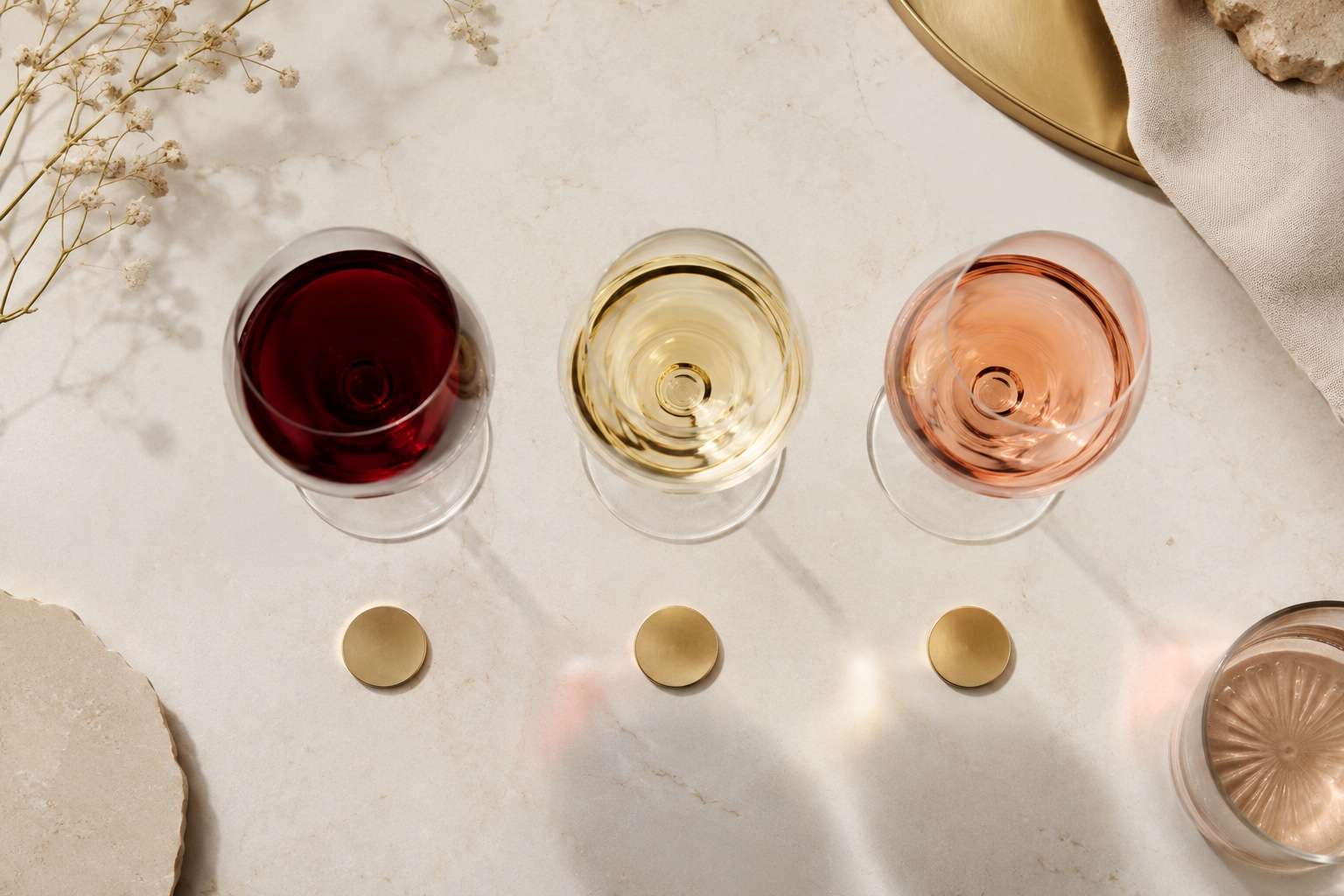
The grape variety is the single best predictor of what a wine will taste like. Wine grapes belong mostly to one species, Vitis vinifera, but there are thousands of varieties, each with its own flavors and structure. Thick-skinned grapes like Cabernet Sauvignon make dark, tannic wines; thin-skinned Pinot Noir makes pale, silky ones. Some grapes are naturally high in acidity, like Riesling, while others are rich and round, like Viognier. Aromatic grapes such as Gewürztraminer and Moscato smell intensely floral, while neutral grapes like Chardonnay take on the character of the winemaking. Place matters too: the same grape tastes riper in a warm climate and fresher in a cool one. Once you know a handful of grapes, you can predict how most bottles will taste. Start with the basics in what is wine and our wine types guide.
A few red grapes cover most of what you will see on shelves. Cabernet Sauvignon is bold, with blackcurrant, cedar, and firm tannin. Merlot is softer and plummy, an easy crowd-pleaser. Pinot Noir is light, earthy, and silky, tasting of red cherry and mushroom. Syrah, called Shiraz in Australia, brings dark fruit and black pepper. Malbec is inky and velvety, the pride of Argentina. Zinfandel is ripe, jammy, and spicy, California’s heritage red. If you are new to red wine, start with Merlot or Pinot Noir, then move to Cabernet as your palate adjusts to tannin. Our red wine guide explains how they are made.
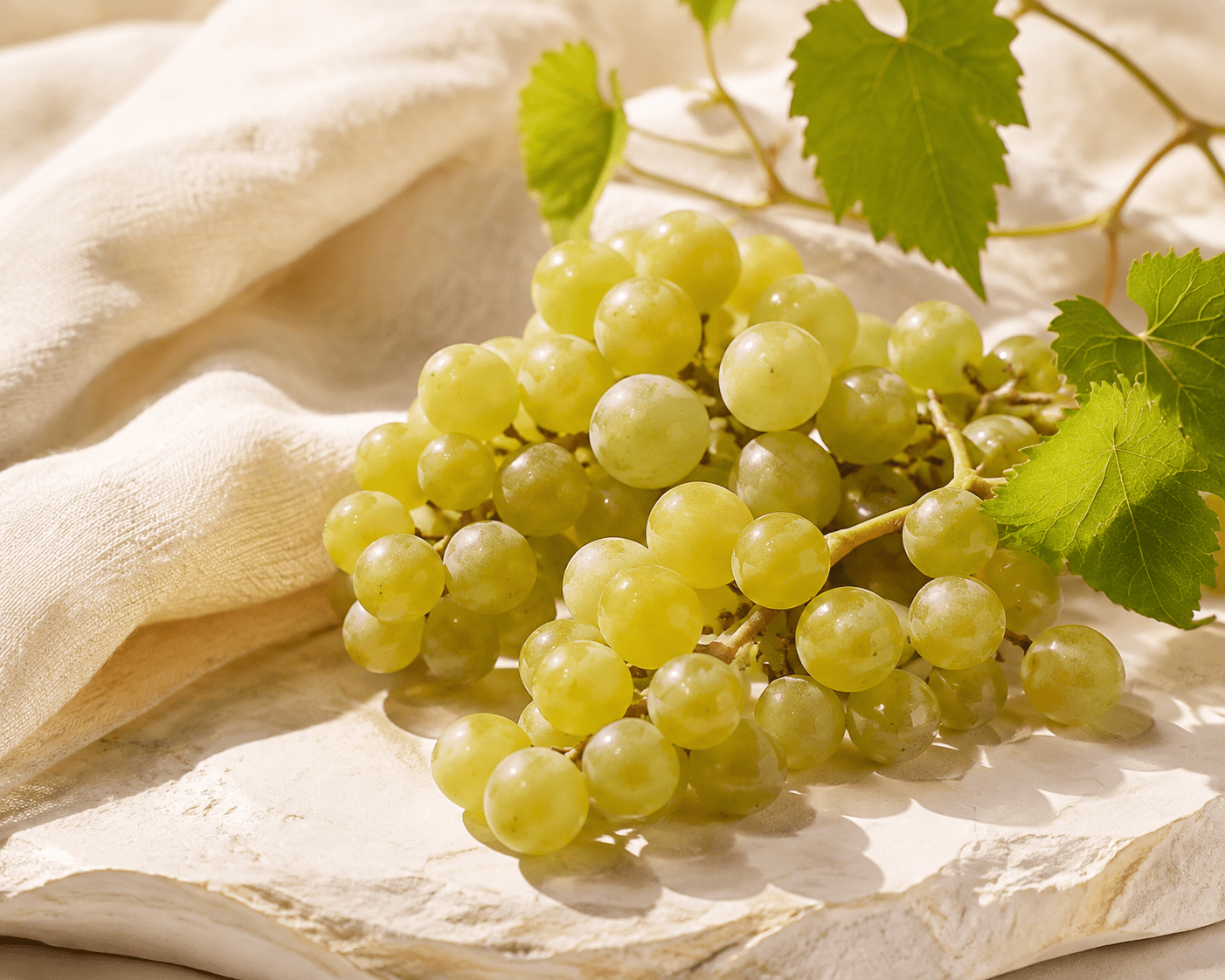
Four white grapes are a perfect starting set. Chardonnay ranges from crisp and mineral in Chablis to rich and buttery in California, depending on oak and climate. Sauvignon Blanc is zesty, with grapefruit, lime, and cut grass. Riesling is aromatic, with lime, peach, and very high acidity, and can be bone-dry or sweet. Pinot Grigio is light, crisp, and easy, with pear and lemon. From there, branch out to floral Viognier, spicy Gewürztraminer, versatile Chenin Blanc, and sweet, fizzy Moscato. Our white wine guide and Chardonnay vs Sauvignon Blanc are good next reads.
In Europe, wines are often labeled by place rather than grape, so it helps to know who is behind each name. In Italy, Sangiovese makes Chianti and Brunello, Nebbiolo makes Barolo and Barbaresco, and Barbera is Piedmont’s juicy everyday red. In Spain, Tempranillo is the soul of Rioja and Ribera del Duero. Grenache leads Châteauneuf-du-Pape and Spanish Garnacha. Gamay is the grape of Beaujolais, and Cabernet Franc stars in the Loire Valley’s Chinon. Some entries in our collection are wine styles rather than grapes: Champagne, Prosecco, and Cava are sparkling wines named for their regions. Learn more in Old World vs New World wine.
Once you know the classics, the fun begins. If you love Sauvignon Blanc, try Spain’s salty, peachy Albariño, Austria’s peppery Grüner Veltliner, or Greece’s mineral Assyrtiko. If Cabernet is your favorite, explore Chile’s Carmenère, Uruguay’s powerful Tannat, or California’s inky Petite Sirah. Pinot Noir fans should try Austria’s Zweigelt and Blaufränkisch. Southern Italy offers bold Aglianico and Sicily’s juicy Nero d’Avola. Portugal’s Touriga Nacional and South Africa’s Pinotage are national treasures. These grapes often offer great value because they are less famous.
The quickest way to learn grapes is to taste two side by side. Pour a Pinot Noir next to a Cabernet Sauvignon, or a Sauvignon Blanc next to a Chardonnay, and notice the differences in body, acidity, tannin, and aroma. Our how to taste wine guide shows you what to look for, and side-by-side guides like Cabernet Sauvignon vs Merlot explain the key contrasts. Keep notes on what you like; if you love one grape, the similar-grape suggestions on each page point you to your next bottle. Grape names also appear on most New World labels, making shopping easier; see how to read a wine label. Not sure where to start? Try our wine quiz.
| Grape | Style | Try It With |
|---|---|---|
| Cabernet Sauvignon | Full-bodied red, firm tannin, blackcurrant | Steak, lamb, aged Cheddar |
| Merlot | Medium- to full-bodied red, soft, plummy | Roast chicken, pork, mushroom pasta |
| Pinot Noir | Light red, silky, cherry and earth | Salmon, duck, mushrooms |
| Syrah / Shiraz | Full-bodied red, dark fruit, pepper | Barbecue, lamb, sausages |
| Chardonnay | Crisp to rich white, apple to butter | Lobster, roast chicken, creamy pasta |
| Sauvignon Blanc | Zesty white, citrus and herbs | Goat cheese, seafood, salads |
| Riesling | Aromatic white, high acid, dry to sweet | Spicy Asian food, pork, ham |
Pour two grapes at once, like Pinot Noir and Cabernet; differences in body and tannin jump out.
Master five reds and four whites, and most wine lists suddenly make sense.
Love one grape? Try its listed cousins to find new favorites at better prices.
Choose Your Path
Choose the question that interests you and follow the connections to your next useful lesson.
Cabernet Sauvignon wine tastes of blackcurrant, black cherry, and plum, with notes of cedar, tobacco, mint, and green bell pepper. It is full-bodied, with firm tannins and fresh acidity. Oak aging often adds vanilla and toast. Serve it at 60–65°F, decant young bottles, and pair it with steak, lamb, or aged hard cheese.
Start Learning →
Champagne is sparkling wine made only in the Champagne region of northeastern France, mainly from Chardonnay, Pinot Noir, and Pinot Meunier. It gets its bubbles from a second fermentation inside each bottle, called the traditional method, then ages on its yeast for at least 15 months. That gives fine bubbles, high acidity, and flavors of citrus, apple, brioche, and toasted nuts.
Start Learning →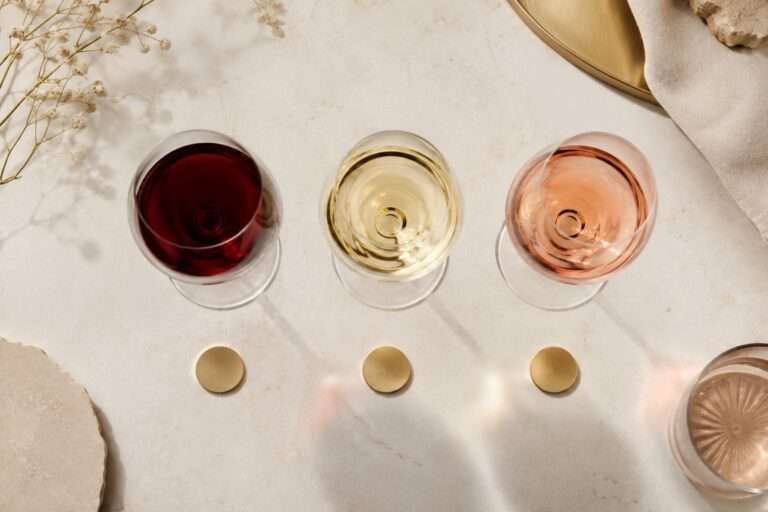
Chardonnay wine ranges from crisp to creamy. Unoaked styles, like Chablis, taste of green apple, lemon, and pear with high acidity. Oaked, warmer-climate styles, like many from California, show ripe pineapple, vanilla, butter, and toast with a fuller body. Serve unoaked Chardonnay at 45–50°F and oaked at 50–55°F, with chicken, lobster, or creamy pasta.
Start Learning →Malbec wine tastes of ripe plum, blackberry, and black cherry, with notes of violet, cocoa, and sweet tobacco. It is full-bodied and deeply colored, with plush, medium tannins and moderate acidity. Argentina's Mendoza makes the juicy, smooth style; Cahors in France makes a firmer, earthier one. Serve it at 60–65°F with grilled steak, burgers, or empanadas.
Start Learning →
Merlot wine tastes of ripe plum, black cherry, and raspberry, often with chocolate, vanilla, and herbal notes. It is medium- to full-bodied with softer, rounder tannins than Cabernet Sauvignon. Classic sources include Bordeaux's Right Bank, Washington, California, and Chile. Serve it at 60–65°F with roast chicken, pork, burgers, or mushroom pasta.
Start Learning →
Pinot Grigio wine is light, dry, and crisp, with flavors of lemon, lime, green apple, pear, and white peach, plus a subtle almond or saline note. It has light body and refreshing acidity. The best Italian examples come from Alto Adige and Friuli. Serve it at 45–50°F with light seafood, salads, chicken, or simple pasta.
Start Learning →Pinot Noir wine tastes of red cherry, raspberry, and strawberry, with earthy notes of mushroom, forest floor, and baking spice. It is light- to medium-bodied with high acidity and soft, fine tannins. Top regions include Burgundy, Oregon's Willamette Valley, California's Sonoma Coast, and New Zealand. Serve it at 55–60°F with salmon, duck, mushrooms, or roast chicken.
Start Learning →Riesling wine tastes of lime, green apple, peach, and apricot, with floral notes and a stony, mineral edge. It has very high acidity and light body, and it ranges from bone-dry to very sweet. Aged Riesling can develop a petrol note. Top regions include Germany's Mosel, Alsace, Austria, and Australia. Serve it at 45–50°F with spicy Asian food, pork, or ham.
Start Learning →Sauvignon Blanc wine tastes of grapefruit, lime, green apple, and passion fruit, with herbal notes of cut grass, bell pepper, and sometimes flint. It is light- to medium-bodied, dry, and high in acidity. Marlborough, New Zealand, makes the bold tropical style; Sancerre in the Loire is leaner and mineral. Serve it at 45–50°F with goat cheese, seafood, or salads.
Start Learning →Albariño wine tastes of lemon, lime, grapefruit, white peach, and apricot, with a saline, sea-breeze finish. It is light- to medium-bodied with high acidity and is usually unoaked. Most comes from Rías Baixas in Galicia, northwest Spain, and from northern Portugal, where it is called Alvarinho. Serve it at 45–50°F with oysters, shrimp, grilled fish, or octopus.
Start Learning →Barbera wine tastes of sour cherry, red plum, raspberry, and blackberry, with hints of dried herbs, licorice, and spice. It has high acidity, low tannins, and a medium body, with deep ruby color. The classic regions are Barbera d'Asti and Barbera d'Alba in Piedmont, Italy. Serve it at 58–63°F with pizza, tomato pasta, salumi, or mushroom dishes.
Start Learning →Cabernet Franc wine tastes of red raspberry, red cherry, and strawberry, with notes of bell pepper, graphite, violet, and dried herbs. It is medium-bodied, with fresh acidity and moderate, fine tannins, lighter than Cabernet Sauvignon. Its classic homes are the Loire Valley and Bordeaux's Right Bank. Serve it at 58–63°F with roast pork, chicken, or herb-crusted lamb.
Start Learning →Carménère wine tastes of red plum, black cherry, and blackberry with a distinctive savory edge of green peppercorn, roasted bell pepper, paprika, and cocoa. It is medium- to full-bodied with soft tannins and moderate acidity, a little like a spicier Merlot. Most bottles come from Chile's Colchagua, Cachapoal, and Maipo valleys. Serve it at 60–65°F with grilled meats.
Start Learning →Cava is a Spanish sparkling wine made by the traditional method, with its second fermentation in the bottle, like Champagne. Most comes from Penedès in Catalonia, using the native grapes Macabeo, Xarel·lo, and Parellada. It tastes of lemon, green apple, pear, and almond, with toasty notes in aged bottles. Most is dry Brut. Serve it at 40–45°F with tapas or fried foods.
Start Learning →Chenin Blanc wine tastes of crisp apple, pear, quince, and lemon, with notes of honey, chamomile, and a waxy, lanolin-like texture. Its high acidity lets it be made bone-dry, off-dry, sweet, or sparkling. The two main homes are the Loire Valley in France, especially Vouvray, and South Africa. Serve dry styles at 45–50°F with pork, chicken, or Thai food.
Start Learning →Gamay wine tastes of fresh raspberry, red cherry, and cranberry, often with notes of banana, violet, and pepper. It is light-bodied, with high acidity and low tannins. Its home is Beaujolais in France, from fresh Beaujolais Nouveau to the more serious cru wines like Morgon and Fleurie. Serve it lightly chilled at 54–58°F with roast chicken, charcuterie, or turkey.
Start Learning →Gewürztraminer wine tastes of lychee, rose petal, ripe pink grapefruit, and tropical fruit, with notes of ginger, allspice, and honey. It is medium- to full-bodied with low acidity, an oily texture, and often a touch of sweetness. The benchmark comes from Alsace in France, with fresher styles from northern Italy. Serve it at 45–50°F with Thai, Indian, or Moroccan food.
Start Learning →Grenache wine tastes of ripe strawberry, raspberry, and cherry, with notes of white pepper, cinnamon, dried herbs, and orange peel. It is medium-bodied, pale in color, with soft tannins, moderate acidity, and fairly high alcohol. Key regions are the southern Rhône, Spain, Sardinia, and Australia. Serve it at 58–63°F with roast pork, lamb, or grilled vegetables.
Start Learning →Grüner Veltliner wine tastes of lime, lemon, green apple, and white peach, with a distinctive white pepper spice and green notes like celery, snap pea, and fresh herbs. It is usually light- to medium-bodied with high acidity, though top bottles can be rich. It is Austria's most planted grape, best from the Wachau, Kamptal, and Kremstal. Serve it at 45–50°F.
Start Learning →Lambrusco is a lightly sparkling red wine from Emilia-Romagna in northern Italy, made from a family of native Lambrusco grapes. It tastes of strawberry, raspberry, cherry, and violet, with bright acidity, light tannin, and low alcohol. Most bubbles come from a second fermentation in pressurized tanks. Styles range from dry secco to sweet dolce. Serve it lightly chilled at 50–55°F.
Start Learning →Montepulciano wine tastes of black cherry, plum, and blackberry with notes of dried oregano, licorice, and tobacco. It is deeply colored, medium- to full-bodied, with ripe, moderate tannins and fresh acidity. Its home is Abruzzo on Italy's Adriatic coast, sold as Montepulciano d'Abruzzo, plus the Marche. Serve it at 60–65°F with pizza, pasta, or grilled lamb.
Start Learning →Moscato wine tastes of ripe peach, apricot, mandarin orange, and fresh grapes, with orange blossom and honeysuckle aromas. Most styles are sweet, light-bodied, and low in alcohol, around 5–7%, often with gentle bubbles. The classic is Moscato d'Asti from Piedmont, Italy, made from the Muscat Blanc grape. Serve it well chilled at 40–45°F with fruit desserts or spicy food.
Start Learning →Mourvèdre wine tastes of blackberry, plum, and black pepper, with savory notes of leather, game, dried herbs, and earth. It is full-bodied with firm tannins and moderate acidity. Look for it as Bandol from Provence, Monastrell from southeastern Spain, and in GSM blends from the Rhône and Australia. Serve it at 60–65°F with lamb or stew.
Start Learning →Muscadet wine is a bone-dry white from France's western Loire Valley near Nantes, made from the Melon de Bourgogne grape. It tastes of lemon, green apple, and pear, with salty, sea-shell and wet-stone notes. It is light-bodied, high in acidity, and low in alcohol. Sur lie aging adds texture and a light spritz. Serve it at 45–50°F with oysters and shellfish.
Start Learning →Nebbiolo wine tastes of sour cherry, raspberry, and dried roses, with notes of tar, licorice, truffle, and dried herbs. It is pale garnet in color but has very high tannins and high acidity, with a medium-plus to full body. Its home is Piedmont, Italy, especially Barolo and Barbaresco. Decant it, serve at 60–65°F, and pair it with truffles, braised beef, or mushroom risotto.
Start Learning →Petite Sirah wine tastes of blueberry, blackberry, and plum, with notes of black pepper, dark chocolate, licorice, and black tea. It is inky purple and full-bodied, with very high tannins and fresh acidity. It is a different grape from Syrah, grown mostly in California's Lodi, Napa, Sonoma, and Paso Robles. Serve it at 60–65°F with barbecue, brisket, or blue cheese.
Start Learning →Pinot Gris wine tastes of ripe pear, yellow apple, peach, and melon, often with honey, ginger, and a light smoky or nutty note. It is medium- to full-bodied with moderate acidity and a soft, slightly oily texture. Alsace makes rich, sometimes off-dry versions; Oregon makes fresh, fruity ones. Serve it at 45–50°F with roast pork, chicken, or mushroom dishes.
Start Learning →Pinotage wine tastes of blackberry, mulberry, black plum, and dark cherry, with smoky, earthy notes and sometimes coffee or chocolate from oak. It is medium- to full-bodied with moderate tannins and fresh acidity. Created in South Africa in 1925 by crossing Pinot Noir with Cinsault, it grows mainly in Stellenbosch, Swartland, and Paarl. Serve it at 60–65°F with barbecue.
Start Learning →Primitivo wine tastes of ripe blackberry, black cherry, plum jam, and dried fig, with licorice, sweet spice, and dried herbs. It is full-bodied, often 14% alcohol or higher, with soft-to-moderate tannins and lower acidity. It comes mainly from Puglia in southern Italy and is genetically the same grape as Zinfandel. Serve it at 60–65°F with barbecue or rich pasta.
Start Learning →Prosecco is a sparkling wine from northeast Italy's Veneto and Friuli Venezia Giulia regions, made mainly from the Glera grape. Its bubbles come from a second fermentation in large pressurized steel tanks, called the tank or Charmat method, which keeps its fresh green apple, pear, and white peach flavors. It is light, about 11% alcohol, and best served at 38–45°F.
Start Learning →Sangiovese wine tastes of sour cherry, red plum, and dried herbs, with notes of tomato leaf, leather, balsamic, and earth. It is medium-bodied, with high acidity and firm, slightly dusty tannins. It is the main grape of Chianti, Brunello di Montalcino, and Vino Nobile di Montepulciano. Serve it at 60–65°F with tomato-sauce pasta, pizza, or grilled meats.
Start Learning →Sémillon wine tastes of lemon, green apple, and pear when young, with a waxy, lanolin texture, and develops honey, toast, and nuts with age. It is medium- to full-bodied with moderate acidity. It shines in white Bordeaux blends with Sauvignon Blanc, in sweet Sauternes, and in Australia's Hunter Valley. Serve dry styles at 48–52°F with roast chicken, crab, or creamy fish.
Start Learning →Shiraz wine tastes of ripe blackberry, plum, and blueberry, with notes of dark chocolate, licorice, sweet spice, and black pepper. It is full-bodied and plush, with ripe tannins and often 14–15% alcohol. Barossa Valley and McLaren Vale make the richest styles; cooler regions are more peppery. Serve it at 60–65°F with barbecue, burgers, ribs, or grilled lamb.
Start Learning →Syrah wine tastes of blackberry, blueberry, and plum, with savory notes of black pepper, smoked meat, olive, and violet. It is full-bodied and deeply colored, with firm tannins and fresh acidity. The classic French style comes from the northern Rhône; Washington, California, and Chile also excel. Serve it at 60–65°F with lamb, barbecue, sausages, or peppered steak.
Start Learning →Tempranillo wine tastes of red cherry, plum, and dried fig, with notes of leather, tobacco, and dill or vanilla from oak. It is medium- to full-bodied, with moderate acidity and medium tannins. Rioja makes elegant, oak-aged styles; Ribera del Duero makes bolder, darker ones. Serve it at 60–65°F with roast lamb, chorizo, grilled pork, or Manchego cheese.
Start Learning →Torrontés wine smells of rose, jasmine, orange blossom, and ripe peach, yet usually tastes dry, with lemon, lime, and apricot flavors and a slightly bitter finish. It is light- to medium-bodied with moderate acidity. It is Argentina's signature white, best from high-altitude vineyards in Salta, especially around Cafayate. Serve it at 45–50°F with empanadas, ceviche, or spicy Asian food.
Start Learning →Verdejo wine tastes of lime, grapefruit, green apple, and white peach, with herbal notes of fennel, bay leaf, and fresh-cut grass, plus a gently bitter almond finish. It is light- to medium-bodied with bright acidity. Almost all comes from Rueda, on a high plateau in central Spain. Serve it at 45–50°F with tapas, garlic shrimp, goat cheese, or grilled fish.
Start Learning →Vermentino wine tastes of lime, grapefruit, green apple, and white peach, with Mediterranean herbs like sage and fennel, a salty edge, and a gently bitter almond finish. It is light- to medium-bodied with bright acidity. Top regions include Sardinia, Liguria, coastal Tuscany, Corsica, and Provence, where it is called Rolle. Serve it at 45–50°F with seafood or pesto pasta.
Start Learning →Viognier wine tastes of ripe apricot, peach, tangerine, and mango, with honeysuckle, orange blossom, and a hint of ginger. It is full-bodied with low to moderate acidity, a silky, oily texture, and fairly high alcohol. The classic comes from Condrieu in France's northern Rhône, with good versions from California, Virginia, and Australia. Serve it at 50–55°F with roast chicken or mild curry.
Start Learning →Red Zinfandel wine tastes of ripe blackberry, raspberry jam, and cherry, with black pepper, cinnamon, licorice, and sometimes a raisin note. It is medium- to full-bodied, with moderate tannins, fresh acidity, and often 14.5–16% alcohol. The best come from California's old vines in Sonoma, Lodi, and Paso Robles. Serve it at 60–65°F with barbecue, pizza, or burgers.
Start Learning →Aglianico wine tastes of black cherry, plum, and blackberry, with smoke, leather, black pepper, licorice, and earthy, volcanic notes. It is full-bodied with high tannins and high acidity, so it ages for years. The top regions are Taurasi in Campania and Aglianico del Vulture in Basilicata, both with volcanic soils. Serve it at 60–65°F after decanting, with braised meats or lamb.
Start Learning →Assyrtiko wine is a dry, high-acid white with lemon, lime, and green apple fruit, a salty, flinty mineral edge, and hints of white flowers and stone fruit. It has medium to full body for a crisp white. Its most famous home is the Greek island of Santorini, where volcanic soils give it a smoky, saline intensity. Serve it at 45–50°F with seafood.
Start Learning →Blaufränkisch wine is a dry red with dark cherry, blackberry, and plum fruit, plus black pepper, spice, and a mineral edge. It is medium- to full-bodied with high, refreshing acidity and firm but fine tannins. Austria's Burgenland is its heartland. In Germany and the US it is often called Lemberger, and in Hungary it goes by Kékfrankos.
Start Learning →Cinsault wine is light-bodied and soft, with fresh strawberry, raspberry, and red cherry fruit, floral notes, and a hint of white pepper. Tannins are low and acidity is moderate, so it feels silky and easy. It is a key grape in southern French rosé and red blends, and old-vine Cinsault from South Africa, California, and Chile makes delicious, chillable reds.
Start Learning →Corvina wine tastes of sour cherry and red berries, with notes of almond, herbs, and spice. On its own, it is light- to medium-bodied with bright acidity and soft tannins. It is the main grape of Valpolicella in Italy's Veneto, where dried grapes turn it into rich, raisiny Amarone and the in-between style called Ripasso.
Start Learning →
Crémant is a French sparkling wine made by the traditional method, the same process used for Champagne, but produced outside the Champagne region. A second fermentation happens inside each bottle, creating fine bubbles and toasty, bready notes. Main types include Crémant d'Alsace, de Bourgogne, de Loire, and de Limoux, and good bottles often cost $15 to $30.
Start Learning →Dolcetto wine is a dry, deep purple red with black cherry, blackberry, and plum fruit, plus licorice and a gently bitter almond finish. It is medium-bodied with soft acidity and moderate tannin, so it feels round and easy. Dolcetto comes mainly from Piedmont in northwest Italy and is best drunk young, slightly cool, with pizza, salumi, and pasta.
Start Learning →Fiano wine is a medium- to full-bodied dry white with ripe pear, peach, and citrus fruit, plus honey, hazelnut, and a smoky, mineral edge. It has a rich, waxy texture balanced by fresh acidity. Its classic home is Fiano di Avellino in Campania, southern Italy. Young Fiano is bright and floral, while aged bottles develop deeper honey and nutty flavors.
Start Learning →
Franciacorta is a premium Italian sparkling wine from Lombardy, near Lake Iseo, made by the traditional method with a second fermentation in each bottle. It uses mainly Chardonnay, Pinot Nero, and Pinot Bianco, and must age on its yeast at least 18 months. It tastes of ripe apple, citrus, and brioche, with fine bubbles and a creamy texture.
Start Learning →Furmint wine has high acidity and flavors of lemon, green apple, pear, and quince, often with smoky, mineral notes from volcanic soils. Dry Furmint is medium- to full-bodied and crisp. The same grape is the backbone of Tokaji Aszú, Hungary's famous sweet wine, which tastes of apricot, honey, and marmalade balanced by bright acidity.
Start Learning →Garganega wine is a dry, light- to medium-bodied white with lemon, pear, and white peach fruit, floral notes, and a soft almond finish. Acidity is fresh and the best bottles show a mineral edge. It is the main grape of Soave in Italy's Veneto region, where volcanic hills produce Soave Classico, plus the sweet dessert wine Recioto di Soave.
Start Learning →Marsanne wine is a full-bodied, dry white with flavors of pear, melon, and honeysuckle, plus almond and marzipan notes. Acidity is moderate to low, giving it a rich, round, almost oily texture. It comes from France's northern Rhône Valley, where it is often blended with Roussanne, and it also grows in Australia and California. With age, it develops honey and nut flavors.
Start Learning →Nero d'Avola wine tastes of ripe black cherry, plum, and blackberry, with notes of licorice, sweet spice, and sometimes cocoa. It is medium- to full-bodied with fresh acidity and moderate, smooth tannins. Think of it as a softer cousin of Syrah from sunny Sicily. Serve it at 60–65°F with tomato pasta, grilled sausages, or pizza.
Start Learning →Petit Verdot wine is inky purple and full-bodied, with blueberry, blackberry, and black cherry fruit plus violet, sage, and pencil-shaving notes. It has high tannin and fresh acidity, so it tastes bold and structured. Most of it goes into Bordeaux-style blends in small amounts, but single-variety bottles from Australia, Spain, Virginia, and California show its full character.
Start Learning →Picpoul wine is a light-bodied, dry white with zesty lemon, lime, and green apple flavors, a salty, sea-breeze edge, and high, mouthwatering acidity. Its best-known version is Picpoul de Pinet from the Languedoc in southern France, grown near a coastal lagoon famous for oysters. Serve it well chilled, at 43–48°F, with shellfish and light seafood.
Start Learning →Roussanne wine is a full-bodied, dry white with flavors of ripe pear, apricot, and honey, plus distinctive notes of herbal tea, chamomile, and white flowers. It has a rich, waxy texture balanced by moderate acidity. Roussanne comes from France's Rhône Valley, where it is often blended with Marsanne, and it also shines in California. Serve it at 50–55°F.
Start Learning →Tannat wine is dark, full-bodied, and famously tannic, with blackberry, black plum, and blackcurrant fruit plus notes of licorice, smoke, cocoa, and spice. Acidity is fresh and the finish is long and drying. Old-world Madiran in southwest France is firm and rustic, while Uruguayan Tannat is juicier and softer. Serve it at 60–65°F with grilled red meat.
Start Learning →Touriga Nacional wine is deep purple, full-bodied, and intensely aromatic, with blackberry, blueberry, and black plum fruit plus a striking floral note of violets. It has firm tannins, fresh acidity, and a long finish. It is Portugal's flagship grape, used for dry reds from the Douro and Dão and as a key grape in Port.
Start Learning →Verdicchio wine is a dry, medium-bodied white with lemon, green apple, and pear fruit, herbal notes like fennel, and a signature bitter-almond finish. Acidity is high and refreshing. It comes from the Marche region on Italy's Adriatic coast, mainly Verdicchio dei Castelli di Jesi and Verdicchio di Matelica. Serve it at 45–50°F with seafood.
Start Learning →Zweigelt wine is a light- to medium-bodied red with juicy red cherry, raspberry, and sour cherry fruit, plus a touch of black pepper. Tannins are soft and acidity is fresh, so it feels smooth and lively. It is Austria's most widely planted red grape, a cross of Blaufränkisch and St. Laurent. Serve it slightly chilled, around 55–60°F.
Start Learning →Learn Your Taste
Answer a few simple questions and discover styles that fit your palate.
Take the Wine QuizThere are thousands of wine grape varieties worldwide, though most commercial wine comes from a few dozen. Learning the top ten or so covers the majority of bottles you will see.
Cabernet Sauvignon is the most widely planted and recognized red wine grape. Merlot, Tempranillo, Syrah, and Grenache are also among the most planted red grapes in the world.
Chardonnay is the most famous and widely planted premium white grape. Sauvignon Blanc, Riesling, and Pinot Grigio are also extremely popular. Spain's Airén is heavily planted but mostly used for bulk wine and brandy.
A grape variety is a type of grape, such as Merlot. A region is a place, such as Bordeaux. European labels often name the region, while New World labels usually name the grape.
For reds, Pinot Noir and Merlot are soft and approachable. For whites, Pinot Grigio and off-dry Riesling are easy to enjoy. Start there, then try bolder grapes like Cabernet as your palate develops.
No. Red wine gets its color from dark grape skins during fermentation. White wine can, however, be made from red grapes by pressing the juice off the skins quickly, as with many Champagnes.